
Chop whatever came home from trick-or-treating and press it into chocolate
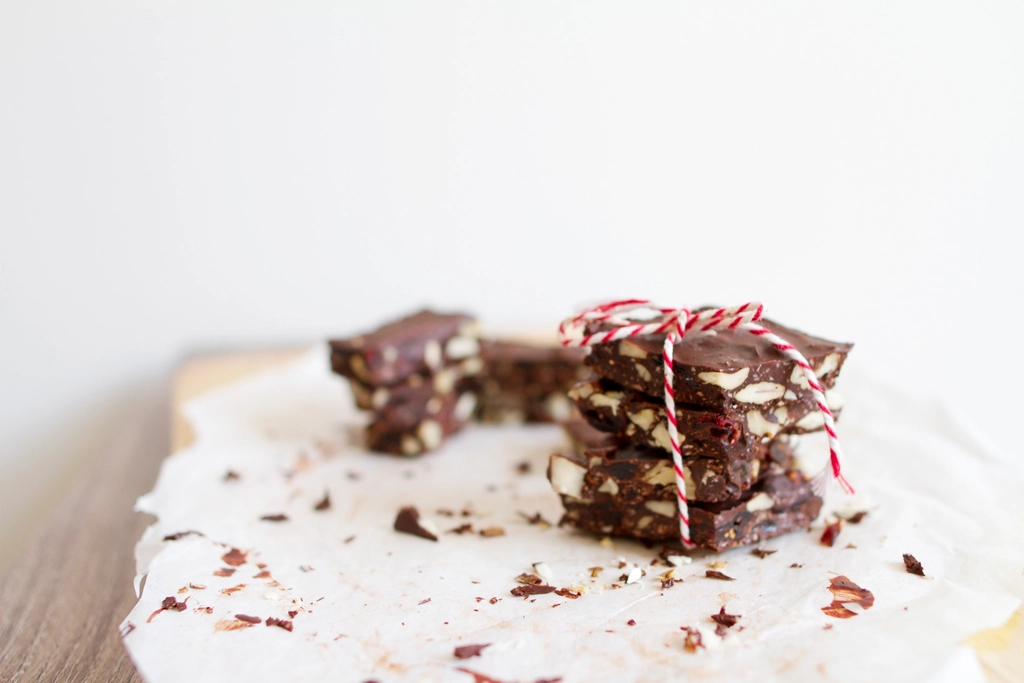
Halloween candy bark, sorted properly: which candies press into warm chocolate, which wait until it sets, and the quarter inch that decides the snap.

Halloween candy bark, sorted properly: which candies press into warm chocolate, which wait until it sets, and the quarter inch that decides the snap.
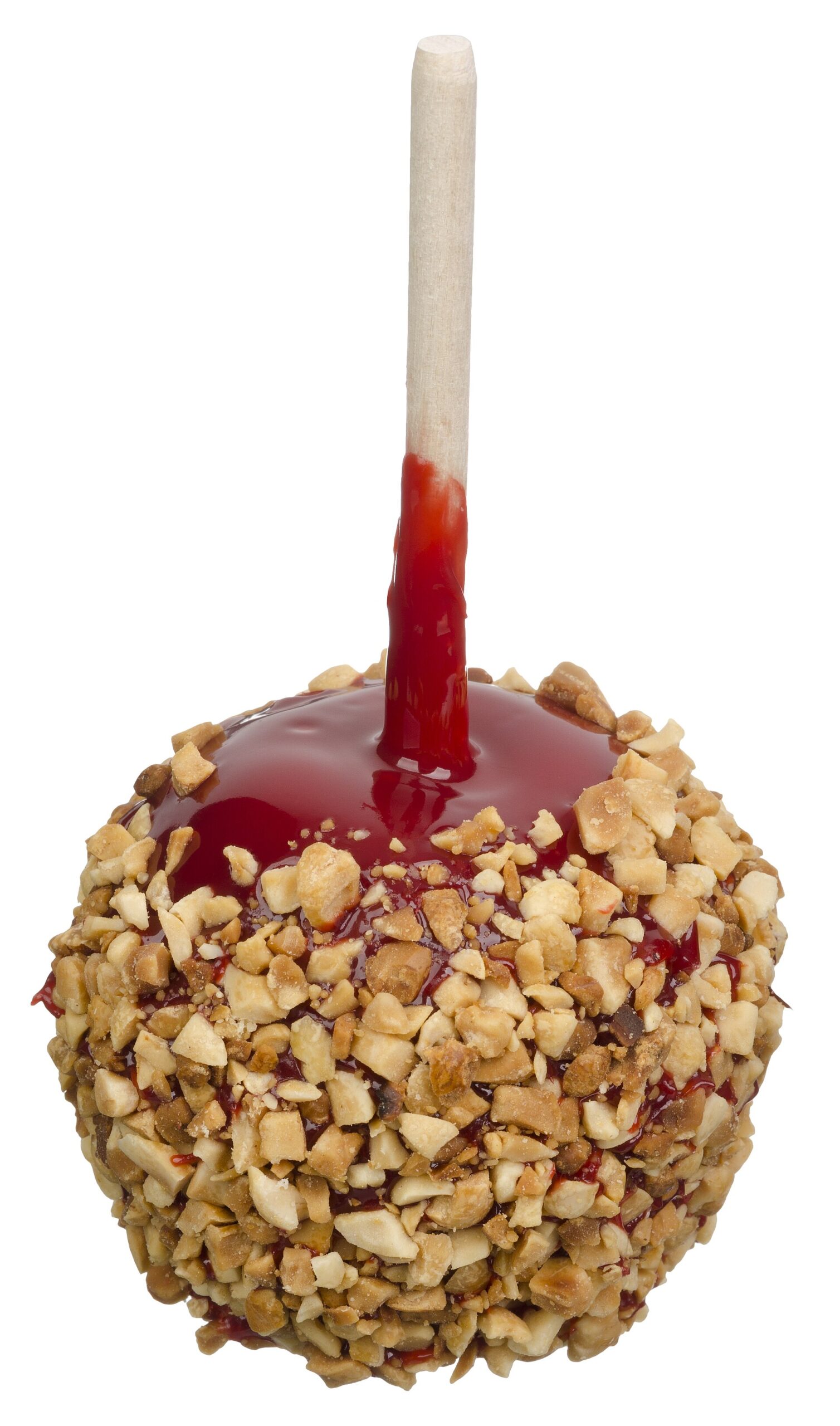
A caramel apples recipe that stops the coating sliding off: the hot water wax scrub, the 240 degree window, and the chilled tray that sets them fast.
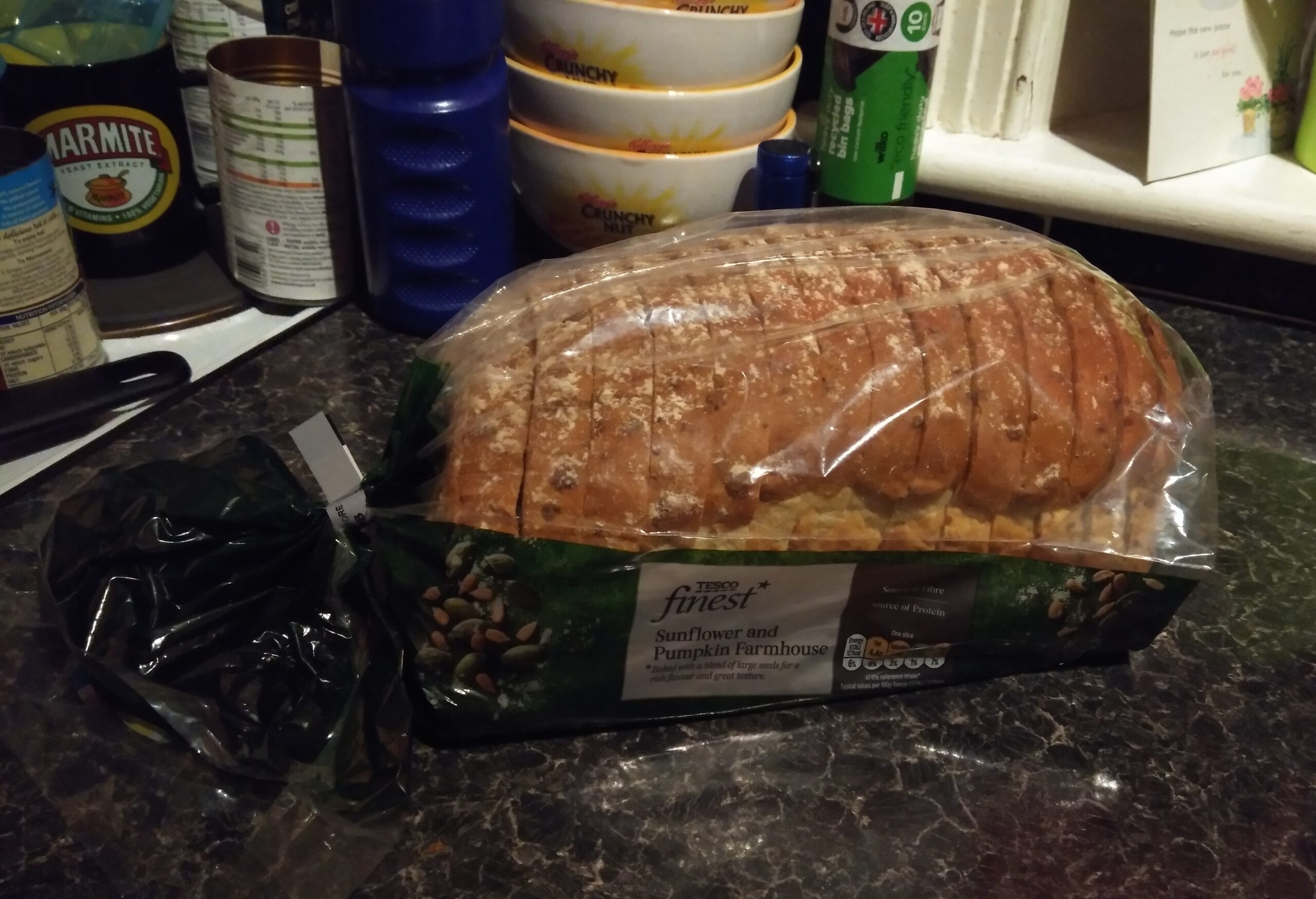
Moist pumpkin bread comes down to three things: the oil swap, the acid that keeps the crumb tender, and why a 9×5 pan bakes faster than an 8×4 does.
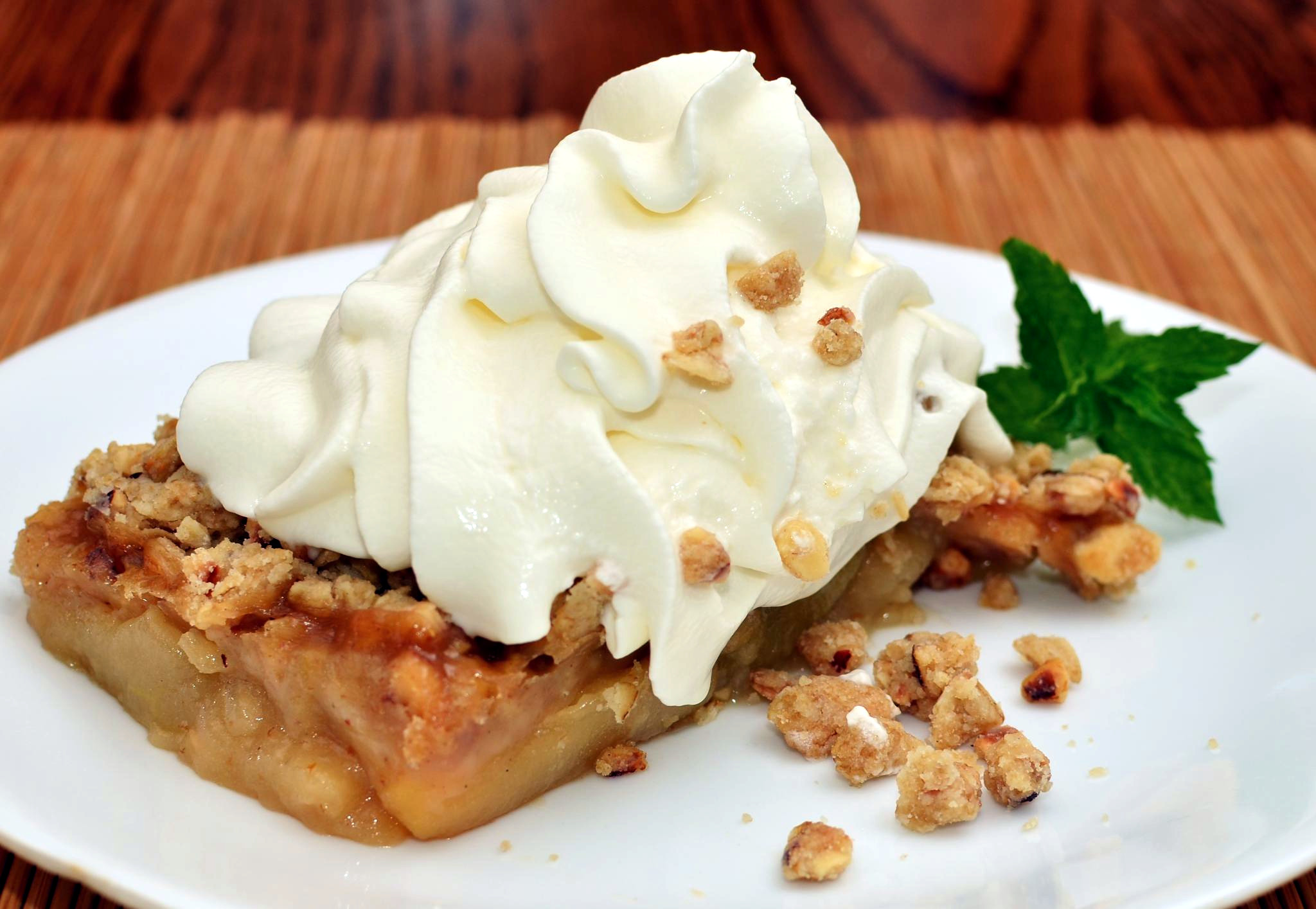
A crunchy apple crisp topping fails on moisture, not ingredients: the depth ratio against the fruit, the cold butter cut, and the last fifteen minutes.
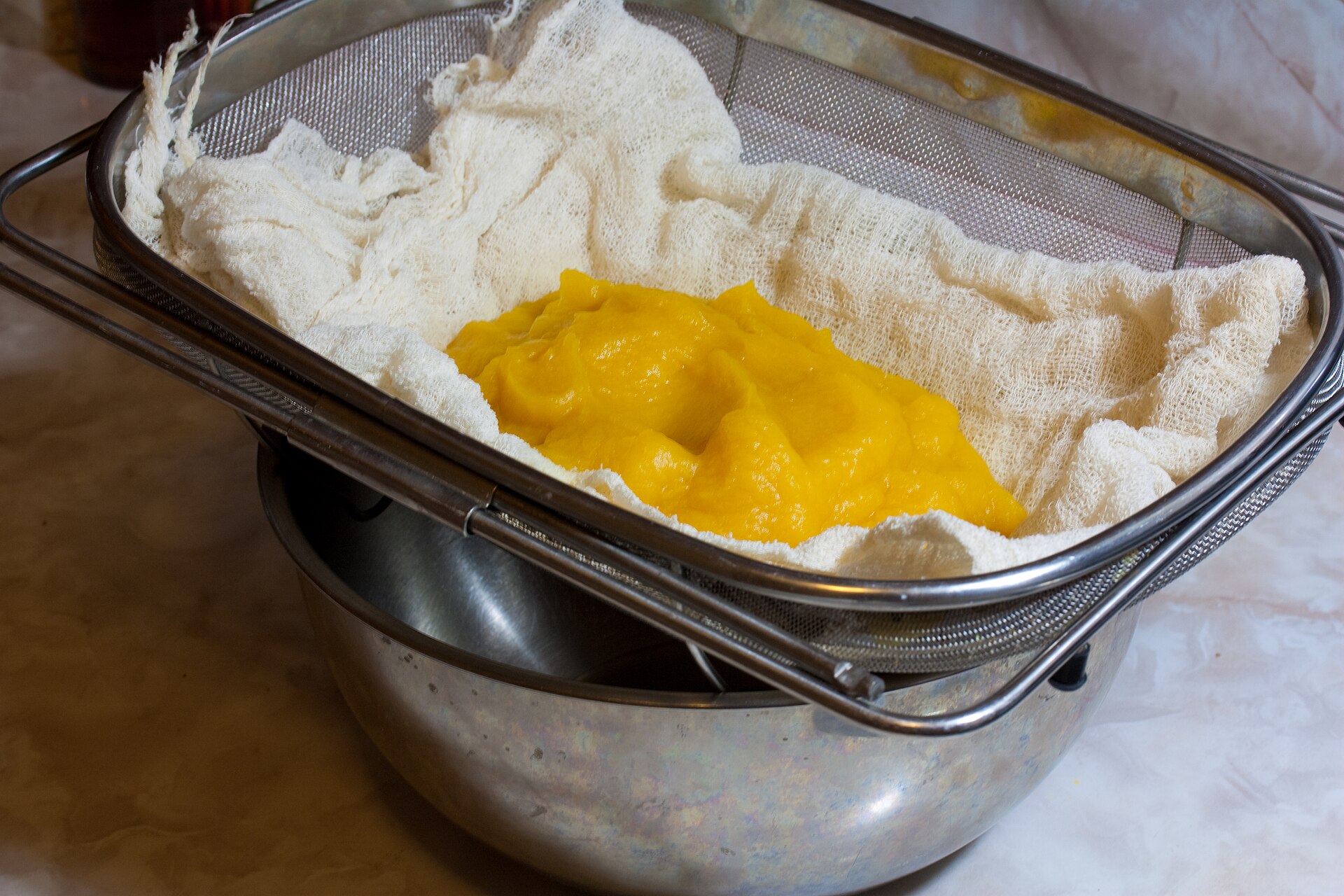
Pumpkin snickerdoodles that stay chewy: drain the puree first, drop the egg, keep the sugar granulated, and the crackled top comes back to the tray.
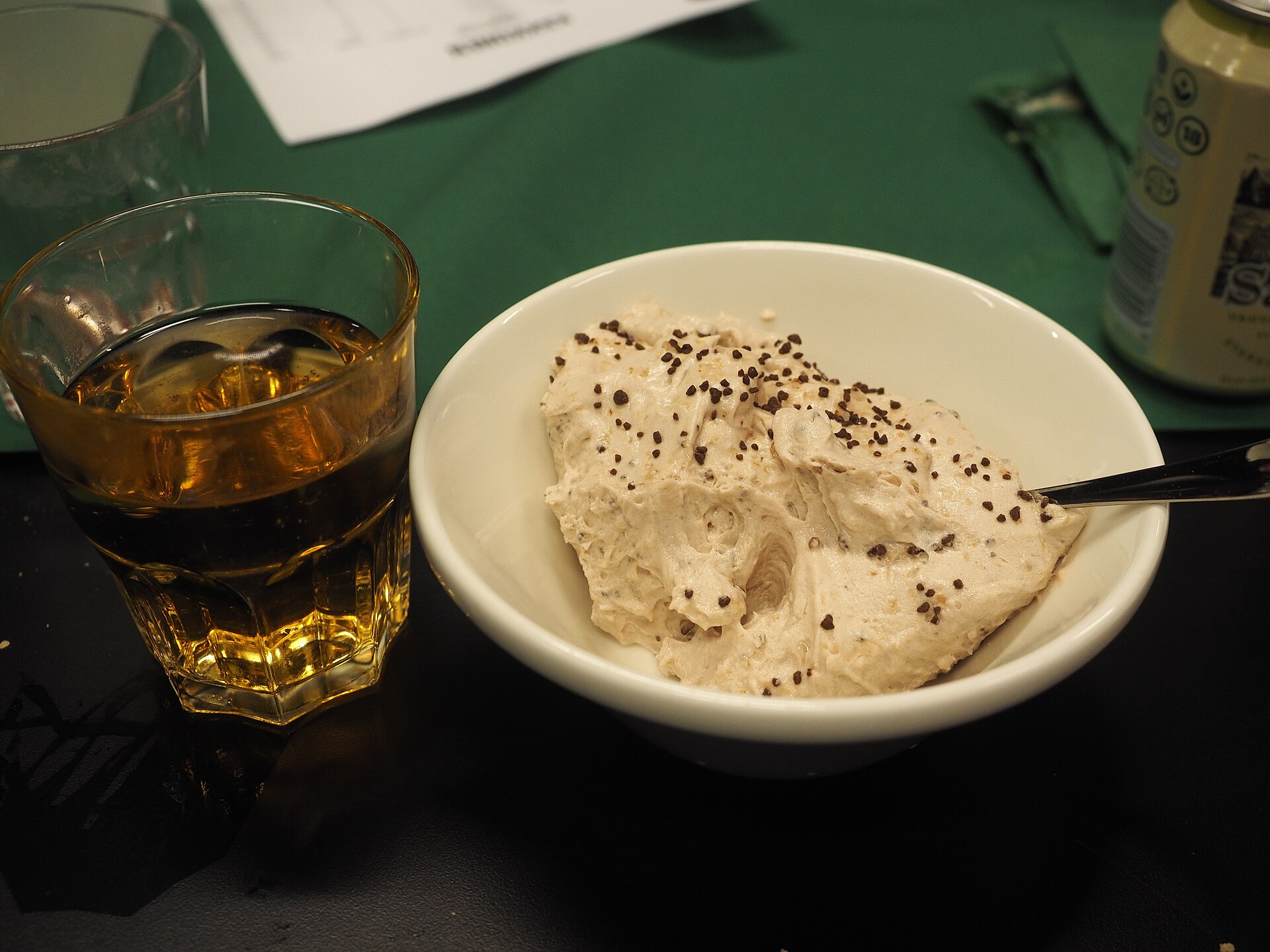
Chocolate chantilly mousse in four minutes: the water ratio for every cocoa percentage, the whipping window over ice, and the fix when the bowl seizes.
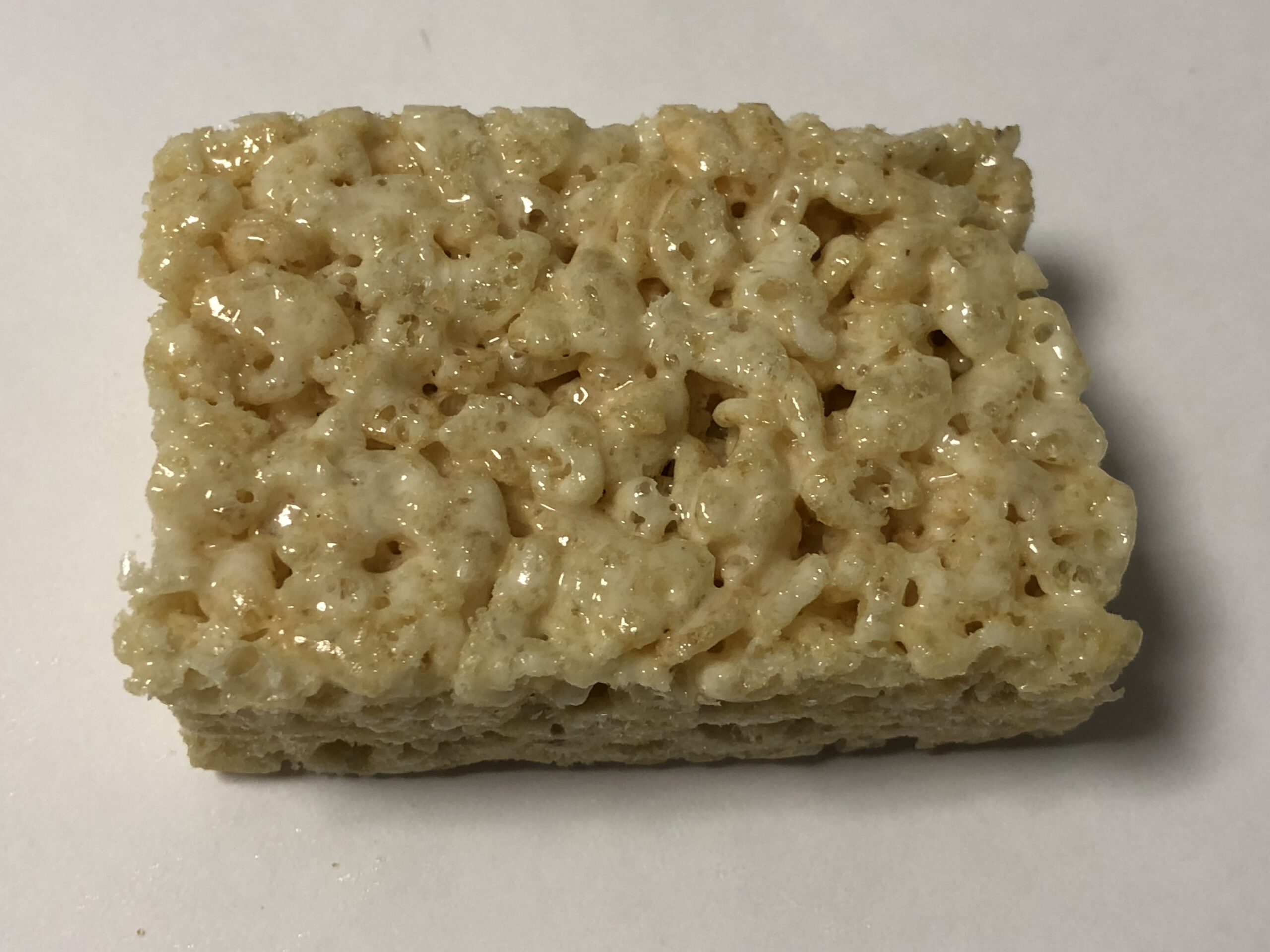
Brown butter rice krispie treats: the exact color to pull the pan at, the marshmallow ratio that stays chewy, and the pressing habit that makes them bricks.
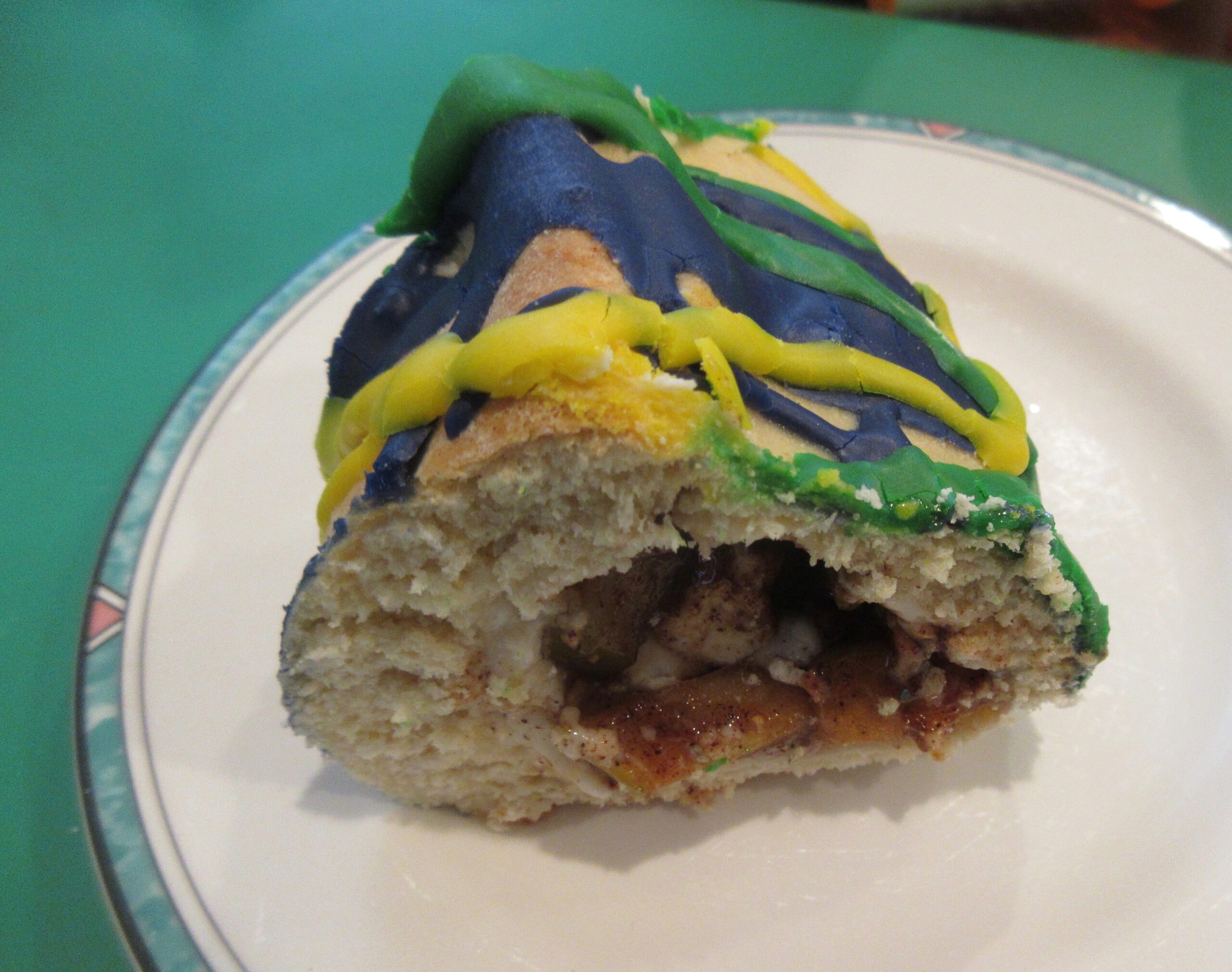
An easy apple cake mixed with a fork in one bowl: no creaming step, three cups of apple before the middle goes wet, and a crumb that peaks on day two.
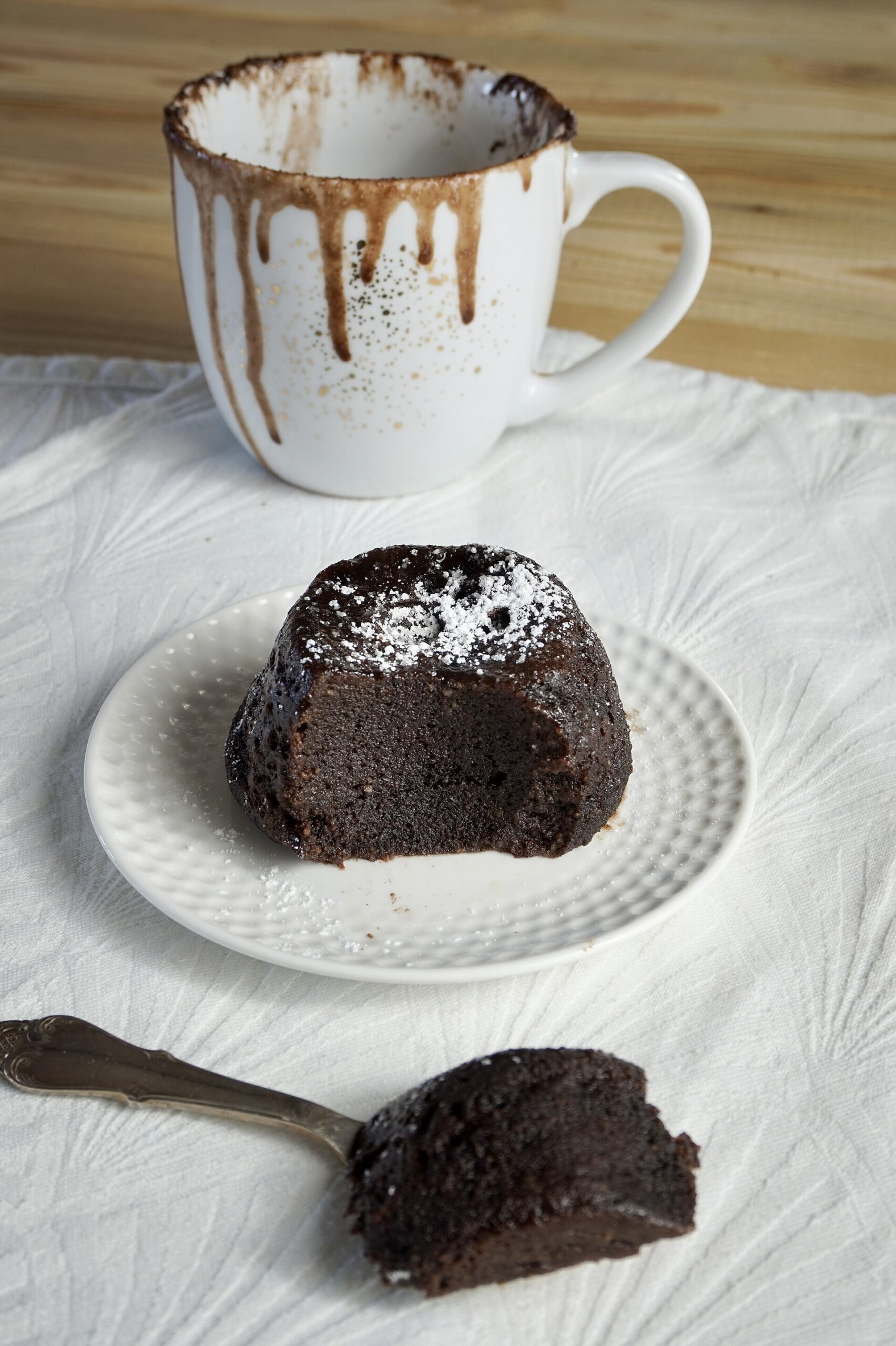
A microwave mug cake turns rubbery from overcooking, not bad ingredients. The flour ceiling, 50 percent power, times by wattage and the two-minute rest.
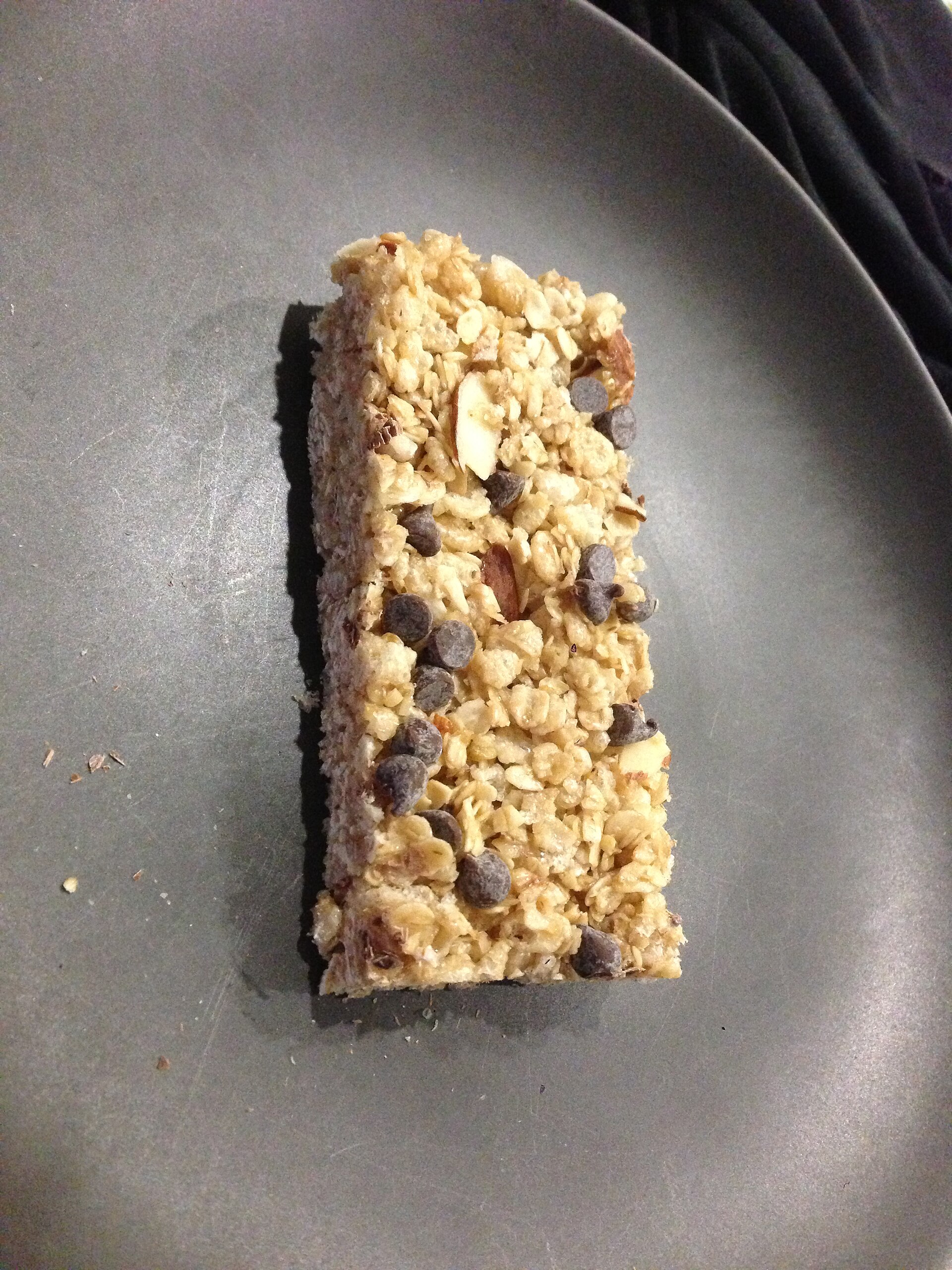
No bake oat bars in one saucepan: the 3-to-1-to-half ratio, the syrup temperature that decides chewy or hard, and how they hold for four days packed.