
Two people bake the same pumpkin loaf from the same recipe on the same afternoon. One comes out tender and slightly damp at the center, the other comes out with a dry crumb that needs butter to be worth eating. Neither did anything wrong by the instructions.
The instructions were incomplete. A loaf recipe that says one hour at 350 degrees is assuming a pan, and the two pans sold as standard loaf pans in American shops hold very different volumes. An 8 by 4 holds roughly six cups. A 9 by 5 holds about eight. The same batter is two inches deep in one and an inch and a half deep in the other, and that changes the bake by ten minutes or more.
Pan size is the first of three variables. The other two are the fat and the acid, and together the three account for nearly every dry pumpkin loaf that comes out of a home oven.
- Doneness: 200 to 205 degrees at the center, not a clean skewer
- Pan: 8×4 bakes 10 to 15 minutes longer than 9×5
- Fat: oil, or oil plus a little butter, never butter alone
- Acid: half a cup of sour cream, yogurt or buttermilk
- Pumpkin: one 15 ounce can, undrained, for a single loaf
- Oven: 350 degrees, rack in the middle
The loaf was not underbaked, it was overbaked
Dry quick bread is almost always a timing failure rather than an ingredient failure. Water leaves a loaf steadily once the interior passes about 200 degrees, and the last ten minutes of a bake remove more moisture than the first thirty, because by then the crumb has set and there is nothing holding the steam in.
The skewer test encourages this. A skewer comes out clean at around 200 degrees and it also comes out clean at 215, so anyone who tests, sees a crumb clinging, and gives it five more minutes to be safe has just crossed the line. The margin between done and dry is about eight minutes in a loaf pan.
This is worth separating from the pumpkin itself, which is a genuinely wet ingredient. A can of puree carries a lot of water into the batter, and in a cookie dough that water is a problem to be removed. In a loaf it is the moisture source and it stays, provided the oven is not given the extra ten minutes to drive it off.
Variable one: the pan, and the volume difference
| Pan | Approximate volume | Batter depth | Bake time at 350 | What to expect |
|---|---|---|---|---|
| 8 x 4 inch | About 6 cups | Deeper | 60 to 70 minutes | High dome, risk of dry edges |
| 8.5 x 4.5 inch | About 7 cups | Middle | 55 to 65 minutes | The common compromise |
| 9 x 5 inch | About 8 cups | Shallower | 50 to 60 minutes | Flatter top, faster bake |
| Two 5.75 x 3 mini pans | About 3 cups each | Shallow | 35 to 40 minutes | Check at 30 |
| 12 cup muffin tin | Split across 12 | Very shallow | 20 to 24 minutes | Drier if pushed past 24 |
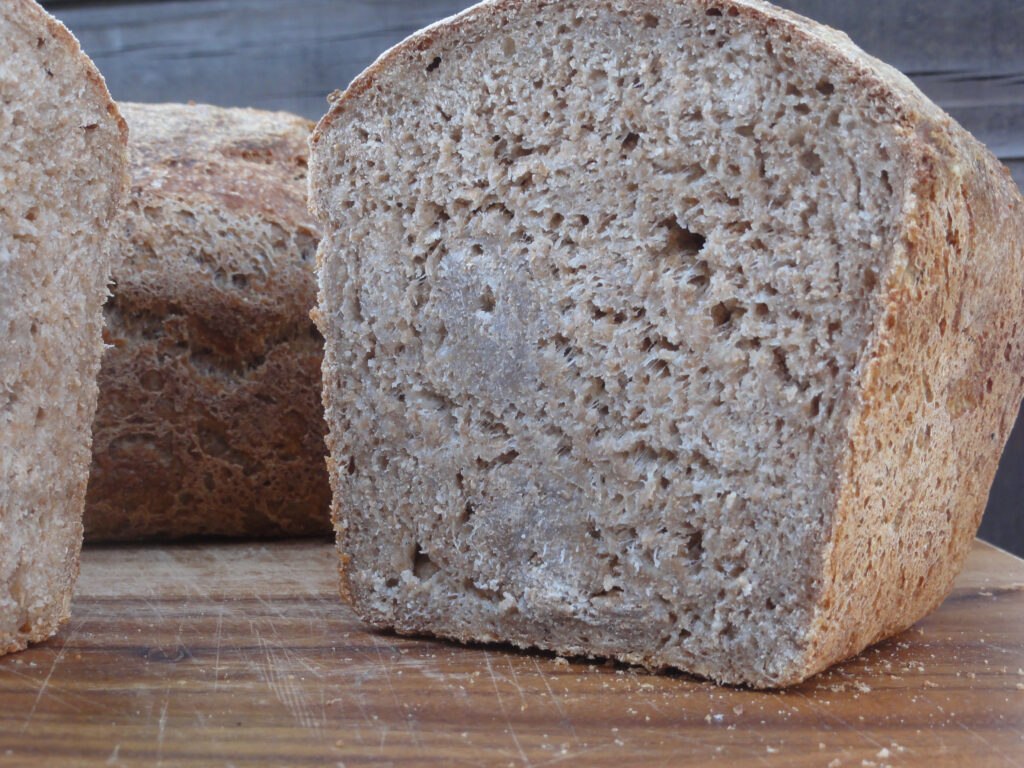
A recipe developed for a 9 by 5 and baked in an 8 by 4 needs the extra ten to fifteen minutes, and it will also dome hard and possibly crack down the middle, which is cosmetic. Run the other direction and a 9 by 5 given the 8 by 4 timing produces exactly the dry loaf this article is about.
Material adds a second layer. Light aluminum bakes gently. Dark nonstick absorbs more radiant heat and browns the crust faster, which often means the outside is done before the middle, and the usual correction is dropping the oven to 325 and adding time. Glass is the slowest to heat and holds the most, so a glass loaf pan needs the oven lowered by about 25 degrees.
Fill any pan no more than two thirds full. A batter that reaches the rim will either dome over the sides or sink in the center, and the overflow burns on the oven floor.
Reading doneness by temperature instead of by skewer
An instant-read probe pushed into the center of the loaf, avoiding the very bottom, should read between 200 and 205 degrees. That range is where the starch has gelatinized and the egg has set and nothing further is gained by continuing.
Below 195 the center will be gummy and will collapse on cooling. Above 210 the loaf is losing moisture with no benefit, and by 215 the difference is obvious in the mouth. The probe removes the entire guessing exercise for the cost of a few seconds.
Without a probe, the reliable substitute is the sound and the spring. A finished loaf springs back when the center is pressed lightly and has pulled slightly away from the sides of the pan. Start checking a 9 by 5 at 48 minutes rather than at the time the recipe gives, because ovens run cool and hot by as much as 25 degrees and almost nobody has checked theirs.
Variable two: the fat swap that makes moist pumpkin bread stay moist
Oil, not butter. This is the single change that does the most, and it is the one people resist because butter tastes better. Butter is about 16 percent water and 80 percent fat, and that fat is solid at room temperature, so a butter loaf firms up as it cools and reads as dry by the following morning.
Oil is 100 percent fat and stays liquid at every temperature the loaf will ever be eaten at. It coats flour proteins more thoroughly than solid fat does, which shortens gluten strands and produces a softer crumb, and it keeps that softness on day two and day three.
Half a cup of neutral oil per loaf is the working quantity. Less than a third of a cup and the crumb goes tight. More than two thirds and the loaf becomes greasy and heavy without getting any more tender.
The compromise that satisfies both concerns is a third of a cup of oil plus three tablespoons of melted butter. The butter contributes flavor and browning, the oil does the structural work, and the loaf is still soft after two days. That is the version worth making for anyone who has tried an all-oil loaf and missed the taste of butter, and it applies just as well across most simple cake batters.
Variable three: the acid, and what it does to the crumb
Half a cup of sour cream, plain yogurt or buttermilk in the wet ingredients changes the texture of the loaf more than any adjustment to the flour. It brings fat, it brings water, and most importantly it brings acid.
Acid lowers the pH of the batter, and gluten develops more weakly in an acidic environment. A weaker gluten network means a more tender crumb, which is the same reason buttermilk turns up in biscuits and pancakes. It is a texture ingredient before it is a flavor one.
It also drives the leavening. Baking soda only produces gas when it meets an acid, so a recipe with soda in it and nothing acidic is relying on the small acidity of brown sugar and pumpkin alone. Adding sour cream gives the soda something to react with, and the loaf rises higher and browns better, because soda also raises pH at the surface and accelerates browning.
Sour cream gives the richest result, whole milk yogurt is nearly identical, buttermilk is thinner and makes a slightly lighter loaf, and Greek yogurt thinned with a spoonful of milk works. Skip it entirely and the loaf is noticeably tighter, which is the third of the three variables in one sentence.
How much pumpkin the batter can carry
One standard 15 ounce can, used whole, is right for a single loaf built on about two cups of flour. That is roughly a cup and three quarters of puree, and it is more than many recipes call for, which is part of why many recipes taste faintly of pumpkin and mostly of cinnamon.
Push past two cups of puree and the loaf gets dense and slightly gummy in the middle, because there is more water than the starch and egg can set around. Under a cup and the color and flavor both fade and the whole exercise becomes a spice loaf.
Buy plain pumpkin puree rather than pie filling, which is already sweetened and spiced and will make the loaf sickly. The two cans sit next to each other on the shelf and look almost identical, and the ingredient list is the only reliable way to tell them apart.
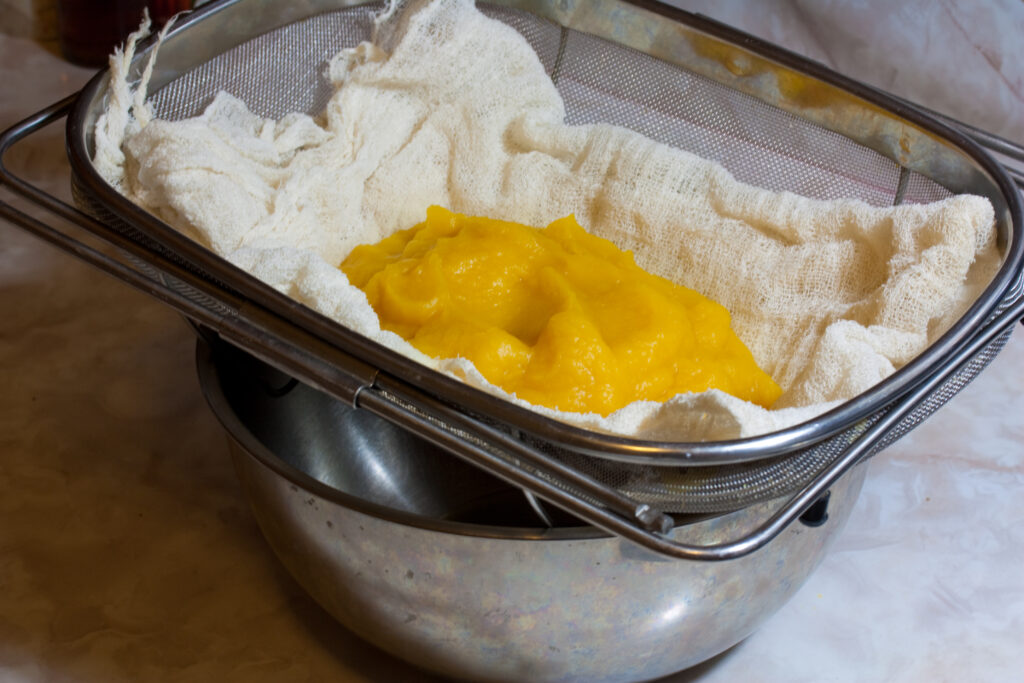
Roasted fresh squash works and is wetter than canned. If using it, drain it in a sieve for half an hour and measure by volume after draining, or accept a longer bake. Canned puree is more consistent, which matters more here than it does in most places.
Sugar is a moisture ingredient, not only a sweet one
Sugar is hygroscopic, meaning it holds water and refuses to give it up easily, and a loaf with the sugar cut by a third will be measurably drier as well as less sweet. Anyone reducing sugar for health reasons should expect that trade rather than be surprised by it.
Brown sugar holds more moisture than white because of the molasses in it, and a loaf made with all brown sugar stays soft longer and tastes deeper. Three quarters of a cup of brown sugar plus a quarter cup of white is a good balance for a single loaf, and all brown is fine.
Two tablespoons of molasses or maple syrup added to a standard sugar quantity is another route to the same place. Both are hygroscopic, both add flavor that suits pumpkin, and neither changes the structure.
The mixing rule that costs nothing
Wet in one bowl, dry in another, combined with a spatula until the last streak of flour disappears, and then stopped. Fifteen seconds of extra stirring develops gluten that makes the loaf tough and tunnelled.
Lumps in a quick bread batter are correct. A batter that looks perfectly smooth has almost always been overworked. This is the opposite of what cake batters want and it is the most common habit carried over from cake baking into quick breads.
A stand mixer is the wrong tool here for the same reason. A bowl, a whisk for the wet ingredients and a flexible spatula for the folding is the whole equipment list, and the mixing takes under a minute.
The working formula, start to finish
- Heat the oven to 350 degrees with a rack in the middle. Grease a 9 by 5 pan and line it with a parchment sling.
- Whisk together two cups of flour, a teaspoon of baking soda, half a teaspoon of baking powder, a teaspoon of salt and two and a half teaspoons of warm spice.
- In a second bowl whisk one 15 ounce can of pumpkin puree, one cup of brown sugar, two eggs, half a cup of oil and half a cup of sour cream until smooth.
- Tip the dry into the wet and fold with a spatula until no dry flour is visible. Stop there.
- Scrape into the pan and level the top. Scatter two tablespoons of coarse sugar over it if you want a crackly crust.
- Bake 50 minutes, then start checking. It is done between 200 and 205 degrees at the center, usually at 52 to 58 minutes.
- Cool in the pan for 15 minutes, then lift it out by the parchment onto a rack.
- Cool completely before slicing. A hot loaf tears and reads as gummy even when it is baked correctly.
In an 8 by 4 pan, add ten to fifteen minutes and tent the top with foil at the fifty minute mark if it is browning faster than the middle is cooking. That single adjustment is the whole difference between the two pans.
Cooling, wrapping, and how long it actually keeps
Fifteen minutes in the pan and then out. A loaf left in its pan steams itself from below and the bottom crust turns damp and pale, which is a texture problem rather than a safety one but an easy one to avoid.
Cool completely before wrapping, and completely means at least two hours, not warm to the touch. Wrapping a loaf that is still giving off steam traps condensation against the crust, which makes the surface sticky and gives mold a head start. This is the most common reason a homemade loaf goes moldy on day three.
Wrapped in plastic or foil at cool room temperature it keeps three days. In a warm kitchen, or with an added cream cheese swirl or glaze, it belongs in the refrigerator and keeps about five. Anything with a dairy filling in it goes in the refrigerator within two hours of cooling, without exception.
It freezes very well for three months, whole or in slices, double wrapped. Slices thaw at room temperature in about twenty minutes and toast straight from frozen, which makes portioning the loaf on the day it is baked a sensible habit rather than a fussy one.
The other half of the can needs attention too. Leftover puree should come out of the opened can into a covered container, go in the refrigerator, and be used within five to seven days. Storing food in an opened metal can gives it a metallic taste and is not the way canned goods are meant to be kept. Frozen in half cup portions it keeps for months and drops straight into the next batch, which is the same logic that governs most make-ahead baking.
What went wrong, by symptom
| Symptom | Most likely cause | Fix next time |
|---|---|---|
| Dry all the way through | Overbaked by 8 to 10 minutes | Probe to 200, start checking early |
| Dry edges, damp middle | Dark pan or oven too hot | Drop to 325 and add time |
| Firm and tight the next day | All butter, no oil | Swap to oil, or oil plus melted butter |
| Tough with tunnels | Overmixed after the flour went in | Fold to just combined, lumps are fine |
| Sunken center | Underbaked, or too much leavening | Probe to 200, measure the soda level |
| Gummy band at the bottom | Too much puree for the flour | One 15 ounce can per two cups of flour |
| Pale and flat | No acid to activate the soda | Add half a cup of sour cream or buttermilk |
Most of these show up together rather than alone, and the pan is often the hidden common factor. Measure the pan on hand with a ruler across the top rather than trusting the label, because a surprising number of pans sold as 9 by 5 are neither.
Variations that do not break any of the three rules
Chocolate chips, chopped toasted pecans, a swirl of cream cheese and a streusel top all work, and none of them changes the fat, the acid or the pan. A cream cheese swirl adds about five minutes to the bake and puts the loaf in the refrigerator afterward.
Swapping in whole wheat flour for a third of the total works and drinks slightly more liquid, so add two tablespoons of extra sour cream. Going fully whole wheat produces a dense loaf that is dry by the second day, whatever else is done right.
The spice mix is the free variable. Two and a half teaspoons total, weighted toward cinnamon, with ginger, nutmeg, allspice and a very small amount of clove. Warm spice suits this style of loaf and it is also the easiest part to overdo, since clove in particular takes over at more than a pinch. The same restraint applies to any of the sweet variations built on a plain base.
Frequently Asked Questions
Can I use butter if I really prefer the flavor?
Yes, and expect a firmer crumb by the next morning. The compromise version, a third of a cup of oil plus three tablespoons of melted butter, gets most of the flavor with almost none of the firming. All butter is a legitimate choice as long as the loaf is eaten the day it is baked.
My loaf cracked down the middle. Is that a problem?
No, it is normal and it is more pronounced in the deeper 8 by 4 pan. The surface sets before the interior has finished rising, so the loaf splits where it is weakest. It is a sign of good oven spring rather than a fault.
Do I need both baking soda and baking powder?
The combination is doing two jobs. Soda reacts with the acid in the sour cream and pumpkin, browns the crust and lifts. Powder provides a second, independent rise that does not depend on how acidic the batter happens to be. Using only powder gives a paler, slightly less risen loaf.
Can I halve the sugar?
You can cut it by about a quarter without much change. Halving it produces a noticeably drier, less tender loaf, because sugar is holding water in the crumb. If sugar has to come down that far, add an extra two tablespoons of oil and expect a different, denser result.
Why is the bottom of my loaf wet?
Almost always because it cooled in the pan for too long. Fifteen minutes, then out onto a rack where air can reach the base. A parchment sling makes that lift easy and prevents the tearing that happens when a warm loaf is turned out by hand.
Can this be baked as muffins?
Yes, and it is the fastest version. Fill a lined twelve cup tin to about three quarters and bake 20 to 24 minutes at 350, checking at 20. Muffins dry out faster than a loaf because of the surface area, so the early check matters more, not less.
Bake the same batter in both pans on the same afternoon and pull each one at 202 degrees. The two loaves will be equally good and the clock will have read differently by twelve minutes, which is the whole argument.