
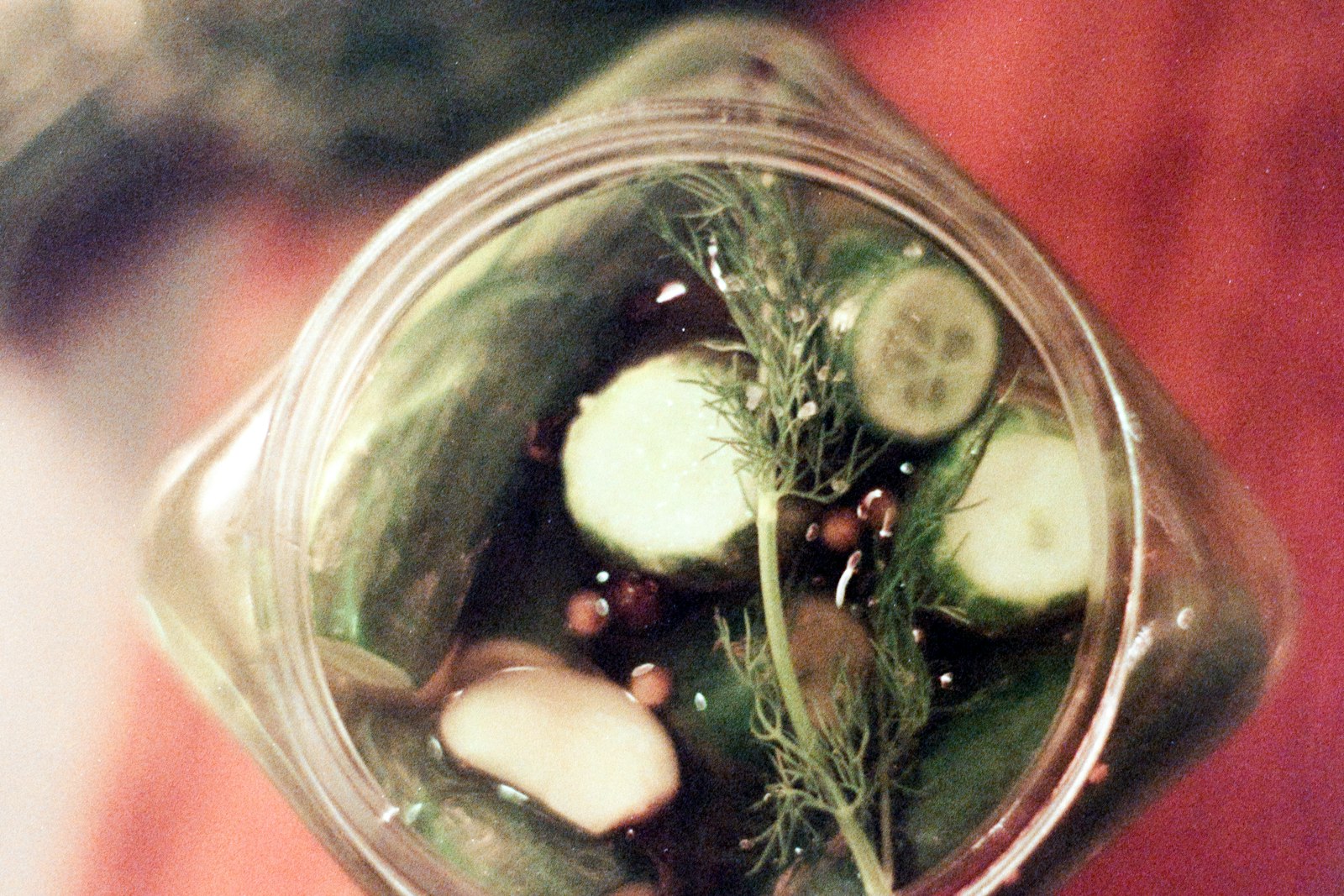
My grandmother made kimchi twice a year, in a plastic tub in the garage, and thought nothing of it. When I told her, a few years ago, that home fermentation had become a trend among a certain kind of American home cook, she laughed and asked what took everyone so long. She has a point. Fermentation is one of the oldest ways humans have kept food from spoiling, and the rediscovery of it in home kitchens over the past decade is not really a discovery so much as a return.
What is different in 2025 is the scope. It used to be that home fermenters mostly made sauerkraut, maybe kimchi if they had someone in the family to teach them. Now people are making koji, aging their own miso, culturing hot sauces for months, and building small collections of jars on their counters. Some of this is genuinely useful. Some of it is a rabbit hole. Here is my read on what is worth learning if you are just starting.
Sauerkraut: the entry point that everyone should have
Sauerkraut is the fermentation equivalent of learning to cook rice. It is simple, forgiving, useful, and once you understand it, you understand the basic principles of everything else. Shred cabbage. Weigh it. Add 2% of its weight in salt. Massage until it releases liquid. Pack tightly into a jar so the liquid covers the cabbage. Leave at room temperature for four to fourteen days depending on how sour you want it. Refrigerate.
That is the whole thing. The variables to learn are salt percentage (1.5% to 2.5%, higher is more sour and lasts longer), temperature (cooler is slower and more nuanced), and time. Add caraway seed for the classic German version. Add ginger and turmeric for a fresher, brighter kraut. Serious Eats and NOMA’s fermentation guide both have full walkthroughs that go deeper if you want.
Quick kimchi: the honest version
Full traditional kimchi involves a two-day soak, a paste with fermented shrimp, radish, scallion, and glutinous rice flour, and a specific napa cabbage cut. It is worth learning if you have the time. But the honest version of kimchi that you can make on a Wednesday night uses the same principles as sauerkraut and takes forty minutes of active work.
Cut napa cabbage into two-inch pieces. Salt at 3% of its weight, toss, let sit two hours. Rinse, drain, mix with a paste of gochugaru (Korean chili flakes, not any other chili), garlic, ginger, fish sauce, and a little sugar. Pack in a jar with liquid covering. Ferment one to five days at room temperature depending on your taste. This is not the kimchi my grandmother made, but it is real kimchi, and it will change how you cook eggs, noodles, and rice for the rest of your life.
Lacto-fermented hot sauce
The hot sauces that got attention over the past few years (aged for months, complex, sour and sharp instead of just spicy) are all built on the same principle. Chilies plus salt plus time equals hot sauce with real dimension. The technique is straightforward and the payoff, when you crack open a jar after six weeks, is significant.
Weigh your chilies (a pound is a reasonable batch). Add 3% salt. Roughly chop with garlic and a little onion if you like. Pack into a jar, submerge under a weight so nothing is exposed to air. Loosely cover so gas can escape. Leave at cool room temperature for two to eight weeks. When it smells sour and complex, blend with a little vinegar to stop fermentation, strain if you want, and bottle. This will keep in the fridge for a year and gets better for the first several months.
Miso: worth the year
Miso is the deep end of home fermentation and the one project that has honestly changed the way I cook. It takes a year (or six months for a lighter miso), requires koji (a rice inoculated with aspergillus oryzae, which you can now buy from several US suppliers), and produces something that you cannot buy at this quality for any price. I make a five-pound batch every February. It is ready the following winter. It is genuinely better than any store miso I have ever bought.
| Ferment | Active time | Total time | Difficulty |
|---|---|---|---|
| Sauerkraut | 30 minutes | 1 to 2 weeks | Beginner |
| Quick kimchi | 45 minutes | 1 to 5 days | Beginner |
| Lacto hot sauce | 30 minutes | 2 to 8 weeks | Beginner |
| Kombucha | 15 minutes per batch | 1 to 2 weeks (continuous) | Beginner-intermediate |
| Miso | 2 hours plus koji sourcing | 6 to 18 months | Intermediate |
| Home koji | 3 hours setup, humidity control | 2 days | Advanced |
What you actually need
You do not need special vessels, airlocks, or a fermentation crock to start. A quart mason jar with a lid you can loosen is fine. A kitchen scale that reads to the gram is not optional if you want consistent results. A weight to keep vegetables submerged (a smaller jar filled with water, a ceramic weight, or a folded cabbage leaf works) matters more than any equipment.
Cleanliness matters, but not the way people think. You need clean equipment, not sterile equipment. Wash your jars in hot soapy water, rinse thoroughly, and dry. You are not doing lab-grade sterilization. The lactic acid bacteria you want are on the vegetables already. Your job is to give them the right conditions (salt, submerged, no oxygen exposure at the surface, appropriate temperature) and stay out of their way.
What is worth the effort and what is not
Sauerkraut, kimchi, and a jar of hot sauce should be permanent features of your kitchen if you decide fermentation is for you. They cost almost nothing, produce food you eat regularly, and improve everything they touch. Kombucha is worth it if you drink it (buying it is expensive, making it is cheap). Miso is worth it if you cook enough Asian food to justify a year-long project.
Not worth it, for most home cooks: home cheese aging beyond simple ricotta or paneer (the humidity control is fussy), commercial-scale vinegar production, and elaborate charcuterie without a proper curing chamber. These are hobbies, not additions to a home cooking practice. Nothing wrong with them if that is what you want. Do not feel obligated because the internet made them look approachable.
Frequently asked questions
Is fermented food actually good for you?
The evidence on fermented food and gut health has grown steadily over the past decade. A 2021 Stanford study on fermented food and inflammation is often cited as a turning point. That said, fermented food is not a supplement. It is food. Eating a little most days is more useful than eating a lot occasionally.
How do I know if my ferment has gone bad?
Fuzzy mold on top, especially pink, orange, or black, means throw it out. A white film on the surface (called kahm yeast) is not dangerous but changes the flavor; skim it off. A ferment that smells actively rotten (versus sour and pungent, which is normal) is done. If you are ever in doubt, throw it out. Ferments cost pennies to remake.
Do I need special starter cultures?
Not for vegetable ferments. The bacteria you need are already on the produce. You need starters for miso (koji), kombucha (a SCOBY), yogurt (existing yogurt or a culture packet), and cheese. Sauerkraut, kimchi, and hot sauce need nothing but the vegetables and salt.
Why does my sauerkraut turn out mushy?
Usually one of three reasons: not enough salt (below 1.5% by weight), fermenting too warm (above 75F for extended periods), or using very old cabbage that had already broken down. Weigh your salt, ferment in a cool spot, and use cabbage that feels firm and heavy for its size.
Where do I buy koji if I want to try miso?
There are now several US suppliers who ship koji rice by mail (GEM Cultures, South River Miso, and a growing number of smaller farms). Some Japanese grocery stores carry it fresh or frozen. The Noma Guide to Fermentation and Sandor Katz’s books both walk you through the process in detail and recommend suppliers.
The short version
Home fermentation in 2025 has settled into something more useful than the trend cycle suggested. The core practice, weighing produce and salt and letting time do the work, is genuinely old, genuinely simple, and adds real depth to home cooking. Start with sauerkraut. Add kimchi. Try a hot sauce. If you catch the bug, miso is waiting for you. If you do not, a single jar of kraut in the fridge will still make you a better cook.