
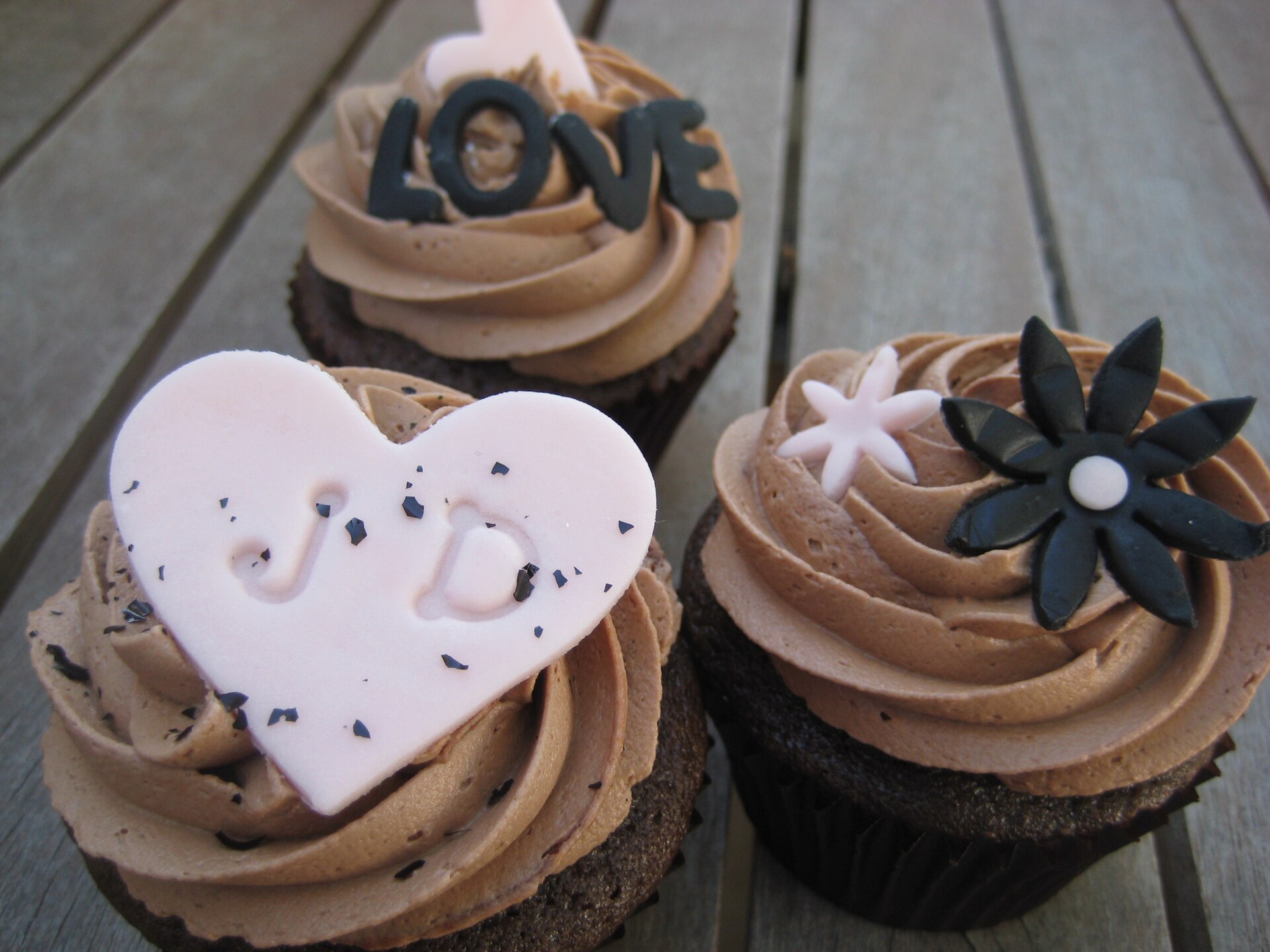
Vanilla buttercream is the frosting you go back to. It is simple in ingredients, forgiving in technique, and works on almost any cake or cupcake you want to decorate — from a birthday sheet cake to a three-tier layer cake to a batch of Sunday afternoon cupcakes. It also happens to be the frosting most likely to go wrong for a home baker, usually because of temperature, ratios, or the wrong choice of butter.
This guide walks through a reliable base recipe, the science of what actually holds buttercream together, the common problems that show up when it breaks or goes gritty or too thin, and how to fix each one. There are several styles of buttercream — American, Swiss, Italian, French — but the American style covered here is the one most home bakers actually make, because it uses no cooked sugar and requires nothing beyond a stand or hand mixer.
Time: 15 minutes
Yield: ~3 cups (enough to frost 12–16 cupcakes or fill and cover a 6-inch two-layer cake)
Difficulty: Easy
Key ratio: 1 : 2 butter to sifted powdered sugar
Butter temperature: Cool room temperature — about 65°F, not warmer
The base recipe
Ingredients
- 1 cup (2 sticks / 226 g) unsalted butter, at cool room temperature
- 3 to 4 cups (360–480 g) powdered sugar, sifted
- 1 tablespoon vanilla extract
- 2 to 3 tablespoons heavy cream or whole milk
- ¼ teaspoon fine salt
Instructions
- Place the butter in the bowl of a stand mixer with the paddle attachment, or in a large bowl with a hand mixer. Beat on medium-high for 3–5 minutes, scraping the bowl once, until the butter is very pale and noticeably fluffier. This whipping step is what makes American buttercream light rather than heavy — do not skip it.
- Reduce speed to low and add the powdered sugar 1 cup at a time, mixing until incorporated after each addition. Once all the sugar is in, add the vanilla, salt, and 2 tablespoons of cream.
- Increase speed to medium-high and beat for 2 more minutes, until the frosting is smooth, glossy, and light. If it looks stiff or dry, add cream 1 teaspoon at a time until the consistency is right. If it looks too soft, add powdered sugar ¼ cup at a time.
- Taste and adjust — a pinch more salt sharpens the flavor and cuts sweetness noticeably.
The finished buttercream should hold a soft peak when the paddle is lifted, be spreadable without being runny, and pipe cleanly through a piping tip without sagging. This is the consistency that works for both spreading and piping.
Why the ratio matters
American buttercream is fundamentally an emulsion of butter, sugar, and a small amount of liquid. The powdered sugar is what stabilizes the frosting at room temperature — without enough sugar, the butter cannot hold shape and the frosting slumps. With too much sugar, the frosting becomes gritty and cloyingly sweet.
The 1 : 2 butter to sugar ratio (by volume) is the balance point where the frosting holds shape reliably but does not overwhelm with sweetness. You can go up to 1 : 3 for a firmer, sweeter frosting that pipes very cleanly, or down to about 1 : 1.5 for a softer, more butter-forward frosting that is better for spreading than piping. Below 1 : 1.5, the frosting typically will not hold its shape at room temperature.
The butter question
Buttercream is mostly butter — the flavor and structure depend on it. Three variables actually matter.
Temperature. Butter should be cool room temperature — around 65°F. It bends when pressed but is not soft or greasy. Butter that is too warm produces a frosting that never firms up, no matter how much sugar you add. Butter that is too cold will not incorporate into a smooth cream and leaves small hard flecks in the finished frosting. If your kitchen is warm, cut the butter into pieces and let it sit at room temperature for 30–45 minutes; do not microwave it.
Salt content. Use unsalted butter and add your own salt to taste. Salted butter varies significantly by brand in salt content, which makes the recipe unpredictable. Adding ¼–½ teaspoon of fine salt separately gives you consistent results.
Butterfat percentage. European-style butters have higher butterfat (82–85%) than standard American butter (~80%). Higher fat produces a richer, denser buttercream but can be more prone to breaking in the whip. Either works — just do not switch between them expecting identical texture.
Common problems and fixes
Buttercream is gritty. The powdered sugar was not sifted, or the mixing time was too short. Sifting removes small clumps that never fully dissolve. If the finished frosting is gritty, beat it on medium-high for another 2–3 minutes, adding a teaspoon of hot water or milk. Heat plus longer mixing dissolves undissolved sugar crystals.
Buttercream is too soft or won’t hold shape. Butter was too warm, or not enough sugar. Refrigerate the bowl for 15 minutes and beat again — often this alone rescues it. If still too soft, add powdered sugar ¼ cup at a time until firm.
Buttercream looks curdled or broken. Butter was too cold, or an ingredient was too cold. Warm the outside of the bowl briefly with a hot towel or a hair dryer on low, and continue mixing. The frosting should come back together as the butter warms slightly.
Buttercream is too sweet. This is more common with the standard American style. Add another pinch of salt, a teaspoon of lemon juice, or a teaspoon of instant espresso powder — these balance sweetness without changing character much. Some bakers prefer a 1 : 1.5 ratio for less sweetness.
Buttercream is too stiff for spreading. Add cream or milk 1 teaspoon at a time and beat until desired consistency. Adding warm cream (not hot) loosens it faster than cold cream.
Yellow tint. American butter is naturally yellow, so American buttercream is off-white by default. To make it whiter, whip the butter longer (5+ minutes), or add a tiny drop of purple gel food coloring — the purple cancels the yellow visually.
Variations from the base
Once you can reliably make the vanilla base, variations require almost no additional work.
Chocolate: Add ¾ cup unsweetened cocoa powder, sifted, along with the powdered sugar. Add an extra tablespoon or two of cream to compensate for the drying effect of cocoa. For deeper flavor, use half Dutch-process and half natural cocoa.
Cream cheese: Replace half the butter (1 stick) with cream cheese, beaten until smooth first. Reduce sugar slightly and skip the cream — cream cheese adds moisture. This holds shape less well than pure buttercream but is essential for carrot cake and red velvet.
Coffee: Dissolve 1 tablespoon instant espresso powder in the cream before adding. For stronger coffee flavor, use 2 tablespoons.
Berry: Add ⅓ cup freeze-dried berry powder (blueberry, raspberry, strawberry) with the powdered sugar. Avoid using fresh or frozen berries directly — the water content ruins the emulsion.
Salted caramel: Reduce vanilla to 1 teaspoon and add ⅓ cup of thick caramel sauce (store-bought or homemade), plus an extra pinch of flaky salt.
Storage and make-ahead
Buttercream keeps well. At room temperature (below 70°F), an assembled and frosted cake stays good for 2–3 days. Above that, refrigerate. Unused buttercream keeps in an airtight container in the refrigerator for 2 weeks or frozen for 3 months.
To use refrigerated or frozen buttercream, bring to room temperature and re-whip briefly to restore texture. It may look separated at first but comes back together after 1–2 minutes of mixing.
Piped decorations can be made ahead. Pipe onto parchment, freeze until solid, then transfer to a container and store frozen. Place them onto the cake or cupcakes 30 minutes before serving to thaw.
Frequently asked questions
Can I use margarine instead of butter?
You can, but the flavor is significantly different — margarine lacks the depth that butter provides. Shortening produces a very stable, snowy-white buttercream (common in wedding cakes) but tastes flat. A 50/50 butter/shortening blend gives you stability plus butter flavor.
Why is my buttercream so sweet?
American buttercream is fundamentally sweet because it is mostly sugar. To reduce sweetness, use less powdered sugar (aim for 3 cups instead of 4), add more salt, or add a small amount of lemon juice or instant espresso powder. For a genuinely less sweet frosting, try Swiss meringue buttercream, which uses whipped egg whites instead of powdered sugar.
Can I make buttercream ahead of time?
Yes. Refrigerate up to 2 weeks in an airtight container, or freeze up to 3 months. Bring to room temperature and re-whip briefly before using.
What is the difference between American, Swiss, and Italian buttercream?
American uses powdered sugar and butter — simplest, sweetest, most stable. Swiss uses egg whites cooked over a double boiler with sugar, then whipped with butter — less sweet, silkier, more temperature-sensitive. Italian uses hot sugar syrup poured into whipped egg whites, then combined with butter — the most stable of the meringue-based versions, the least sweet, most technically demanding.
My buttercream is soupy — can I save it?
Usually. Refrigerate the bowl for 15 minutes and beat again on medium-high. If still soft, add powdered sugar ¼ cup at a time. If the butter was accidentally melted, the frosting cannot be fully saved and needs to be started over.
How much buttercream do I need for a layer cake?
For an 8-inch two-layer cake, plan on about 4 cups of buttercream — enough to fill between the layers, crumb coat, and finish with a smooth or lightly decorated outer coat. Add another 1–2 cups for elaborate piping or textured designs.
The short version
Cool room-temperature butter, sifted powdered sugar at roughly a 1 : 2 ratio, a splash of vanilla and cream, a pinch of salt — beaten long enough to become pale and fluffy. Every problem with buttercream traces back to butter temperature, sugar ratio, or mixing time, and each has a clear fix. Once you know the base, you can pull it off in 15 minutes with any flavor you want.