
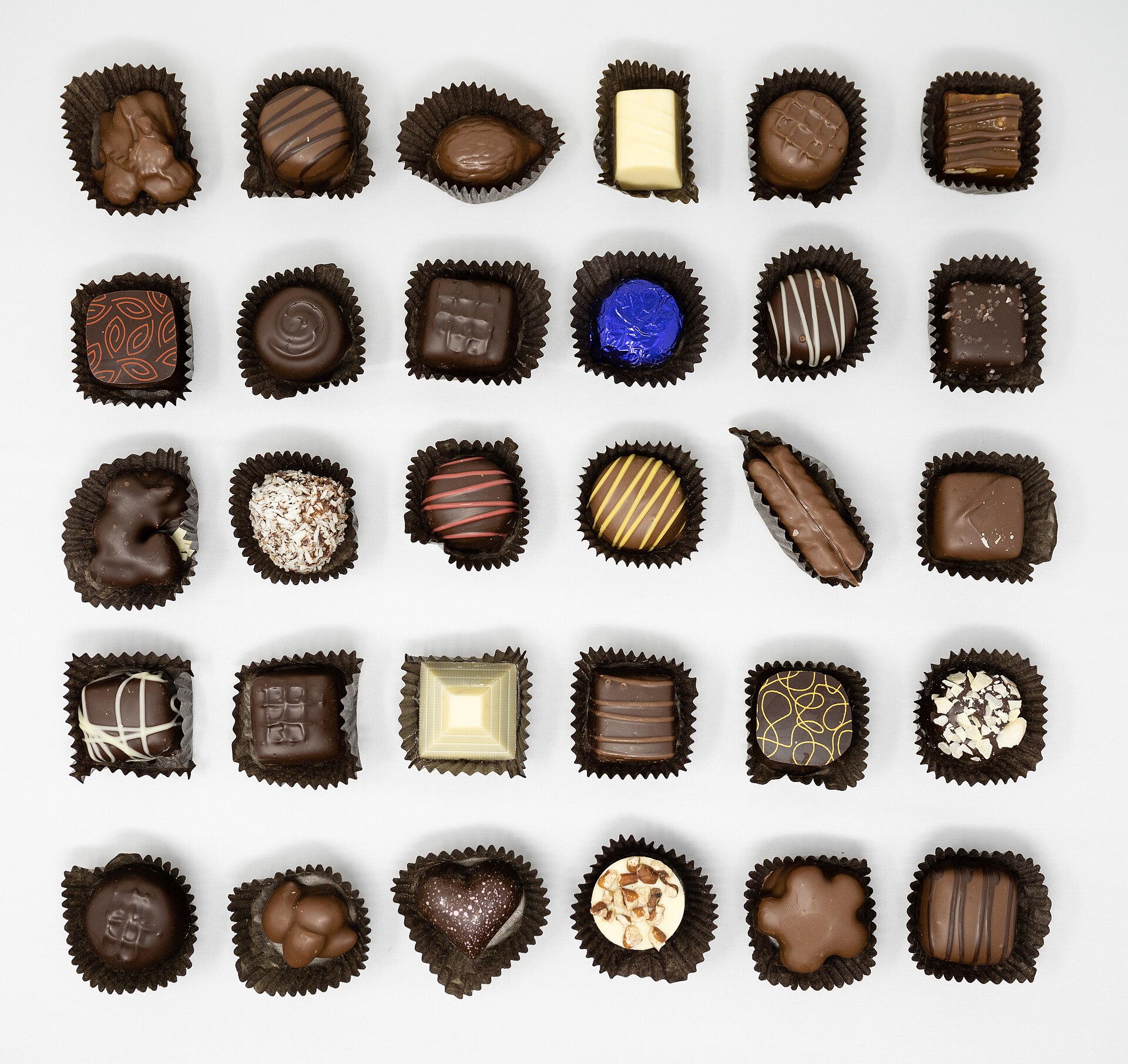
Chocolate ganache is one of those preparations that sounds far more intimidating than it actually is. Two ingredients, one technique, dozens of uses — from a poured glaze on a cake to a whipped frosting to the truffle centers that pastry chefs charge $4 each for. Almost every “advanced” chocolate dessert on a restaurant menu is built on some variation of it.
This guide walks through the base recipe, the ratios that change ganache from pourable to spreadable to sliceable, the technique to make it come together every time, and the common failure modes with their fixes. Once you understand the ratios and the chemistry, you can improvise a chocolate dessert from a bar of chocolate, some cream, and whatever you have around.
Time: 10 minutes active + cooling time depending on use
Ingredients: chocolate + heavy cream (and butter, optionally)
Base ratio: 1:1 chocolate to cream by weight (glaze/pouring)
Firmer ratio: 2:1 chocolate to cream (truffles, ganache filling)
Softer ratio: 1:2 chocolate to cream (whipped ganache, mousse-like)
What ganache actually is
Ganache is an emulsion — like mayonnaise or vinaigrette, but with chocolate solids and cocoa butter as the fat, and cream as the water phase. When it comes together correctly, the cocoa butter and the water in the cream are held in a smooth suspension by the cocoa solids and the milk proteins. That is why proper technique produces something glossy and silky, while broken ganache looks grainy or oily.
The chocolate you use matters. Real chocolate (containing cocoa butter as its fat) emulsifies with cream cleanly. Compound chocolate or candy coating (made with vegetable fats) does not — it produces a mixture that looks right at first but sets waxy and dull. For ganache, always use real chocolate, ideally a good-quality baking chocolate or couverture at 55–70% cocoa.
The three base ratios
| Ratio (chocolate:cream by weight) | Consistency at room temp | Best for |
|---|---|---|
| 1:1 (equal weights) | Pourable, sets soft | Glaze on cakes, pouring over ice cream, dipping |
| 2:1 (twice as much chocolate) | Firm, sliceable, holds shape | Truffle centers, tart filling, thick frosting |
| 1:2 (twice as much cream) | Very soft, mousse-like when chilled | Whipped ganache, mousse, light frosting |
Weigh ingredients if you can — chocolate and cream have very different densities from flour or sugar, and volume measurements are unreliable for ganache. If you must use volume, 1 cup chocolate chips weighs about 6 oz (170 g), and 1 cup heavy cream weighs about 8 oz (227 g).
The base recipe
Ingredients (1:1 pouring ganache)
- 8 oz (227 g) chopped bittersweet or semisweet chocolate (55–70% cocoa)
- 8 oz (227 g / 1 cup) heavy cream
- Optional: 1 tablespoon unsalted butter (adds shine and richness)
- Optional: pinch of fine sea salt
Method
- Chop the chocolate into small, roughly uniform pieces and place in a heatproof bowl.
- Warm the cream in a small saucepan over medium heat until it just starts to simmer at the edges. Do not let it boil — you want it hot enough to melt the chocolate, not scald.
- Pour the hot cream over the chopped chocolate. Let it sit for 2 minutes without stirring — this gives the chocolate time to soften evenly.
- Using a small whisk or silicone spatula, stir gently from the center outward in small circles. As the chocolate melts, the mixture will look separated and streaky at first, then gradually come together into a smooth, glossy emulsion.
- If using butter, stir it in now — the small amount of extra fat adds shine and body.
- Add a pinch of salt if desired. Taste and adjust.
The finished ganache should be smooth, glossy, and uniformly dark. If it looks separated or grainy, see the troubleshooting section below.
Using it at different stages
The same ganache is a different product at different temperatures.
Warm (right after making): pourable, glossy, self-leveling. Best for pouring over cakes as a glaze, or as a shiny dip for fruit or cookies.
Room temperature (after 1–2 hours): thicker but still spreadable. Best for frosting cakes or filling layers where you want visible swipes and texture.
Refrigerated (2+ hours): firm and scoopable. Best for truffle centers — scoop with a spoon, roll into balls, coat in cocoa or chopped nuts.
Whipped: take room-temperature or slightly cool ganache and whip with a hand mixer or stand mixer until it lightens in color and becomes fluffy. Better with a 1:2 (extra cream) ratio for stability. Uses: lighter frostings, mousse-like desserts, cake fillings.
Variations from the base
White chocolate ganache: reduce cream slightly since white chocolate has more cocoa butter and less cocoa solids. Try 2:1 chocolate to cream for a workable consistency. White chocolate breaks more easily than dark, so add cream slowly.
Milk chocolate ganache: use 1.5:1 chocolate to cream. Milk chocolate has less cocoa solids than dark, so you need more chocolate to get a similar firmness.
Flavored: steep herbs, tea, coffee, or spices in the cream before straining and using. Common additions: espresso, orange zest, mint, lavender, cardamom, cinnamon. Steep 15–20 minutes, then strain out solids before pouring over chocolate.
Boozy: add 1–2 tablespoons of liqueur (Grand Marnier, whiskey, rum, Baileys) after emulsifying. More than that starts to affect setting.
Non-dairy: full-fat coconut milk (from a can, well-shaken) works surprisingly well as a cream substitute, though the flavor is different. Cashew cream is another option. Almond and oat milk are usually too thin.
Common problems and fixes
Ganache looks grainy or curdled. Broken emulsion. The fix: warm a tablespoon of cream and whisk into the broken ganache. If that does not work, use an immersion blender for 30 seconds to force emulsification. Do not add more chocolate — that usually makes it worse.
Ganache looks oily or separated with fat pooling on top. Too much heat, or the chocolate seized. Cool slightly, add a tablespoon of cream, and whisk vigorously. Immersion blender is often the fastest rescue.
Ganache is too runny. Not enough chocolate, or the cream was too hot. Melt in another 1–2 ounces of chocolate off the heat, stirring until smooth. Then let cool to intended consistency.
Ganache is too firm to work with. Warm gently — 10 seconds in the microwave at a time, or over a warm water bath — until it reaches usable consistency. Overheating firm ganache will break the emulsion, so go slowly.
Ganache seized into a solid grainy mass. Usually caused by water dropping in (from a wet bowl or steam from the cream). Chocolate and water do not mix in tiny amounts. Ironically, the fix is more liquid: whisk in warm cream a tablespoon at a time until the mass returns to a smooth emulsion.
Storage
Ganache keeps well. Store at room temperature (below 70°F) covered for 2 days, or refrigerated in an airtight container for up to 2 weeks. To use refrigerated ganache, let it come to room temperature, then rewarm gently to bring back to workable consistency.
You can freeze ganache in an airtight container for up to 3 months. Thaw overnight in the refrigerator, then bring to room temperature and stir gently before using. Whipped ganache does not freeze well — freeze the base ganache and re-whip after thawing.
Frequently asked questions
Can I use chocolate chips instead of chopped chocolate?
You can, but chocolate chips are formulated with stabilizers to help them hold shape when baked into cookies. Those same stabilizers can make ganache slightly less smooth than baking bars. If chocolate chips are what you have, it will work — just expect the finished ganache to be a bit less glossy.
Why did my ganache never set?
Almost always a cream-to-chocolate ratio problem. Weigh both ingredients rather than relying on volume measurements. Also check that you used real chocolate, not “chocolate flavored” candy melts, which contain vegetable fats that never fully set.
Can I make ganache with just cocoa powder?
No. Cocoa powder lacks cocoa butter, which is essential for the smooth mouthfeel and setting of ganache. Recipes that combine cocoa powder with butter or cream produce something more like a chocolate sauce or frosting, but not true ganache.
Why is my ganache lumpy after refrigerating?
Small crystals of cocoa butter formed as it cooled unevenly. Warm gently — 10 seconds in the microwave, then stir, then repeat — until smooth. Do not overheat, which breaks the emulsion.
Can I whip ganache immediately after making it?
No. It needs to cool to at least room temperature (ideally slightly cool, around 65°F) before whipping. Whipping warm ganache does not incorporate air — it just stirs it around. Chill for 1–2 hours, then whip.
What is the difference between ganache and truffles?
Truffles are ganache in ball form, usually made with a firmer 2:1 ratio and coated in cocoa powder, chopped nuts, or tempered chocolate. The interior of a chocolate truffle is essentially the same preparation as the ganache you would use as a cake filling.
The short version
Ganache is chocolate plus warm cream, emulsified. The ratio between them decides whether it is a glaze, a frosting, or a truffle center. Use real chocolate, warm cream that is not quite boiling, and stir gently until the mixture goes from separated-looking to glossy. When it breaks — and it will occasionally — a splash of warm cream and an immersion blender rescue almost every disaster.