
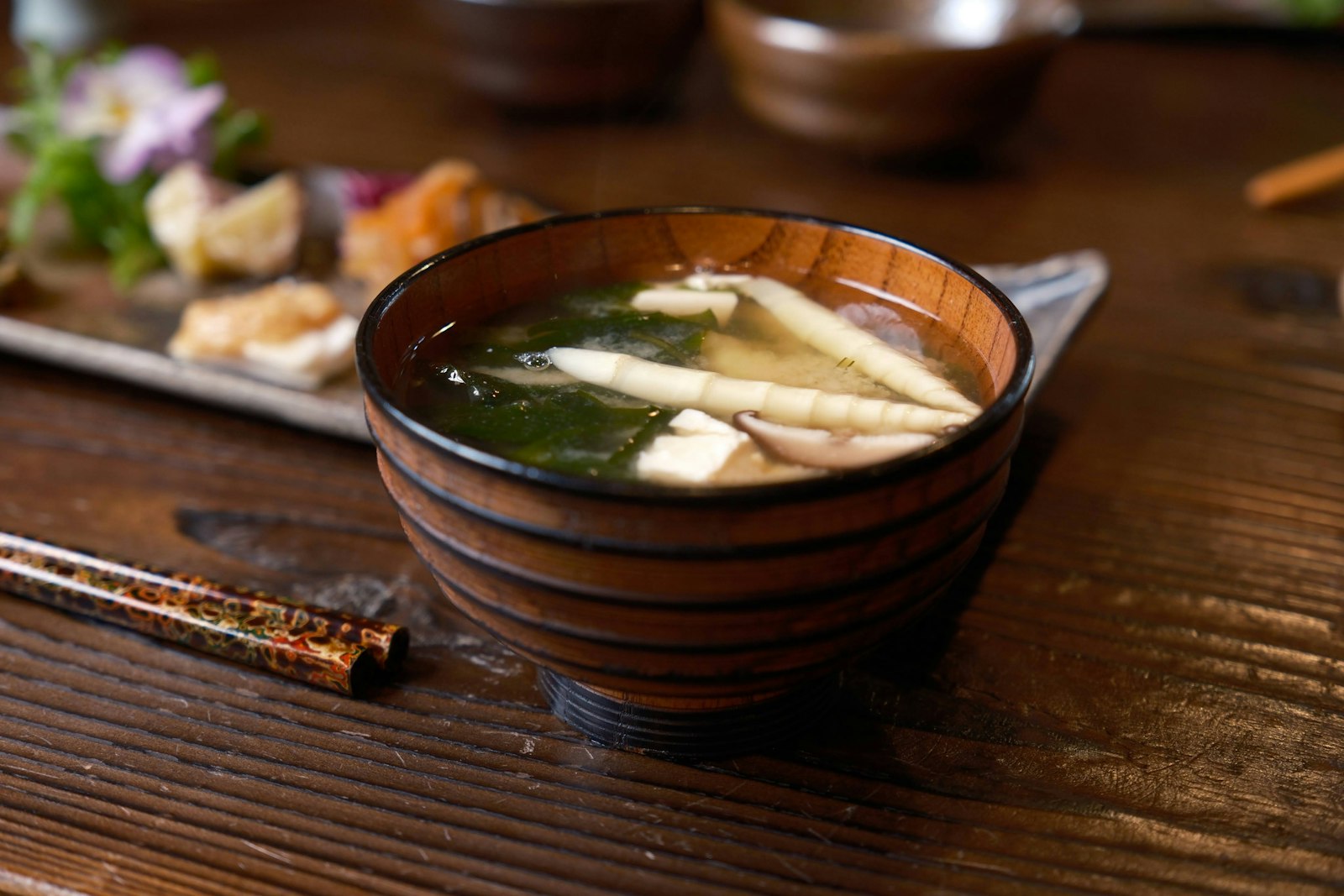
Miso is one of the most useful things you can keep in the refrigerator. A single tub lasts months, adds savory depth to almost anything, and unlocks flavors that are difficult to build any other way. Yet it also confuses most home cooks the first time they buy it — the label says “miso paste” but the color, saltiness, and flavor vary wildly across brands and types, and the recipe you are following rarely explains which one to buy.
This guide walks through what miso actually is, the practical differences between the main types you will find in most grocery stores, how to use each one, and how to store an opened tub so it stays good for the long time it can. There is a lot of technical detail available on Japanese fermentation, but for a home cook, understanding four or five categories is enough to buy confidently and cook well.
What it is: Fermented paste of soybeans, koji (a mold culture), and salt
Store where: Refrigerator, sealed
Keeps how long: Up to a year opened, well beyond that if properly sealed
Best starter type: White (shiro) miso — mild, sweet, most versatile
Do not: Boil miso vigorously — heat above about 175°F destroys probiotics and dulls flavor
What miso actually is
Miso is a fermented paste made from soybeans, a grain (usually rice, sometimes barley), salt, and koji — a live culture of the mold Aspergillus oryzae that has been used in Japanese fermentation for over a thousand years. The koji breaks down starch and protein in the beans and grain, producing amino acids and sugars that give miso its characteristic depth. Depending on ratios, time, and technique, the same base ingredients produce dramatically different results.
The two variables that matter most to a cook are color and salt content. Color tracks fermentation time — the longer miso ferments, the darker and stronger it gets. Salt content varies by style, with sweeter (usually paler) misos containing less salt and being more forgiving in recipes, while darker misos are saltier and more assertive. Every recipe assumes a certain type, and using the wrong one is the most common reason a miso dish tastes off.
The main types you will actually see
| Type | Color | Salt | Ferment time | Best for |
|---|---|---|---|---|
| White (shiro) | Pale beige to light yellow | Low (~5%) | Weeks to months | Dressings, marinades, glazes, mild soups |
| Yellow (shinshu) | Golden brown | Medium (~11%) | Several months | Everyday miso soup, general cooking |
| Red (aka) | Reddish-brown to dark brown | High (~13%) | Year or more | Braises, stews, deep-flavored soups |
| Awase (blended) | Varies | Medium | Blended | All-purpose; often what “just miso” means at the grocery store |
| Hatcho / mame | Very dark brown to black | High | 2-3 years | Rich braises, very strong flavor; use sparingly |
| Mugi (barley) | Medium brown | Medium | Months to a year | Grain-forward, slightly nutty; regional favorite in southern Japan |
If you can only buy one miso, buy white. It is the most versatile, works in almost any recipe that calls for miso without being overpowering, and lets you learn what miso tastes like before adding stronger versions to your pantry.
How to actually use miso
Miso is a seasoning ingredient. You add it in small quantities to bring savory depth (umami), salt, and slight sweetness to a dish. A tablespoon of white miso can transform a bowl of plain steamed vegetables; a teaspoon of red miso stirred into a beef stew adds body that would otherwise take hours of reduction to build. The following applications cover most of what a home cook will do with it.
Miso soup
The classic use. Bring 4 cups of dashi (or vegetable broth as a substitute) to a simmer, add whatever you want in the soup (tofu cubes, seaweed, mushrooms, green onions), and reduce heat to low. Once the soup is off a rolling boil, whisk 3–4 tablespoons of miso paste with a ladle of the hot broth in a small bowl to dissolve it, then stir the mixture back into the pot. Do not boil after adding miso.
Marinades
Miso and sugar make an outstanding marinade for fish, chicken, or tofu. Combine equal parts white miso and mirin (or sugar), plus a splash of sake or dry white wine. Coat the protein and refrigerate for 4 hours to 2 days. Wipe off excess before cooking. This is the base of miso-glazed cod (miso yaki) and works equally well on chicken thighs or eggplant.
Dressings
Whisk 2 tablespoons white miso, 2 tablespoons rice vinegar, 1 tablespoon soy sauce, 1 tablespoon honey, 1 tablespoon sesame oil, and 3 tablespoons neutral oil. This is the base of most miso-ginger dressings served on salads at Japanese restaurants. Add grated fresh ginger and garlic to taste.
Glazes
Combine 2 tablespoons red or yellow miso, 2 tablespoons honey or brown sugar, and 1 tablespoon mirin. Brush on roasting vegetables (carrots, sweet potatoes, cauliflower) or on top of grilled meats in the last few minutes. The sugar caramelizes and the miso adds savory depth.
Compound butter
Mix 4 tablespoons softened butter with 1 tablespoon white miso and freshly ground black pepper. Use on grilled corn, baked potatoes, or steak, or melt into hot pasta as a quick sauce.
Braises and stews
Stir 1–2 tablespoons of red or awase miso into the liquid of any braise or stew for depth that fakes hours of extra cooking. It works especially well in beef stews, tomato sauces, French onion soup, and even chili. Add it after the liquid has come to a simmer and dissolve before continuing to cook.
Common mistakes
Boiling miso. The single most common error. Vigorous boiling destroys the delicate flavors and kills the beneficial bacteria in unpasteurized miso. Add miso at the end of cooking, off high heat, and dissolve it with warm liquid before stirring in.
Using the wrong type for the recipe. White miso in a recipe that calls for red will taste weak and underseasoned; red miso in a white miso recipe will taste harsh and salty. When in doubt, use less than the recipe calls for and taste before adding more.
Not dissolving before adding. Adding miso paste directly to hot liquid results in lumps. Whisk it with a small amount of warm liquid in a separate bowl or in a ladle first.
Over-salting the dish. Miso is salty. If your recipe adds miso, taste before adding regular salt. Most dishes need much less added salt when miso is involved.
Storage
Miso keeps for a remarkably long time. An unopened tub of miso can sit in a cool pantry for a year or more without loss of quality. Once opened, transfer to the refrigerator and press a piece of parchment or plastic wrap directly onto the surface of the paste before sealing the lid — this prevents air exposure that can dry out the top layer.
Properly stored, opened miso stays good in the refrigerator for a year, and often longer. The color may darken slightly over time as fermentation continues at a slow pace at cold temperatures, but this is normal and does not indicate spoilage. Miso will not grow visible mold when properly refrigerated because the salt and acidity levels prevent it.
You can also freeze miso in an airtight container for indefinite storage. Because of its salt content, miso does not fully freeze solid — it stays soft enough to scoop directly from the freezer.
Where to buy it
Miso is stocked in the refrigerated section of most large supermarkets, usually near tofu, kimchi, and other refrigerated Asian ingredients. Japanese and Korean grocery stores carry a much wider selection, including regional and unpasteurized varieties. Common brands to look for include Hikari (widely available), Miso Master (US-made, organic options), Marukome, and Namikura.
Avoid shelf-stable “miso” mixes in dry packet form for cooking — they are convenience products for instant miso soup and lack the depth of real paste. If you cannot find refrigerated miso locally, mail-order options are widely available.
Frequently asked questions
Is miso paste vegan?
Most miso is vegan — it is made from soybeans, grain, salt, and koji. However, some blended misos include bonito (dried fish) flakes or dashi flavoring. Check the ingredient list if strict vegan sourcing matters. Traditional Japanese miso is plant-based.
Is miso gluten-free?
Miso made with only rice koji is gluten-free. Miso made with barley (mugi miso) or that contains added wheat is not. Read the label carefully and look for certified gluten-free versions if you have celiac disease.
Can I use miso instead of salt in any recipe?
You can substitute miso for salt in many savory recipes, but the flavor changes noticeably. Miso adds fermented depth that plain salt does not, which is usually welcome in soups, stews, dressings, and marinades. It is not appropriate as a direct salt substitute in baking or in dishes where you do not want its distinct flavor.
My miso has liquid pooling on top — is it spoiled?
No. That is tamari — the liquid that separates from miso during aging. It is edible, deeply savory, and can be stirred back in or drained off and used as a seasoning liquid similar to soy sauce.
How much miso replaces one tablespoon of soy sauce?
Roughly one teaspoon of white miso or half a teaspoon of red miso plus a splash of water. The exact swap depends on how salty and thick you need the dish; adjust to taste.
Can I use miso in baking?
Yes, in small amounts. White miso adds a savory-sweet complexity to chocolate chip cookies, brownies, caramel, and some cakes. Start with 1–2 teaspoons per standard batch and increase to taste.
The short version
Buy white miso first, keep it in the fridge with parchment pressed onto the surface, and add it at the end of cooking rather than during boiling. Once you know that white is mild and red is intense, and that a tablespoon of either transforms almost any savory dish, you have most of what you need to cook with miso confidently.