
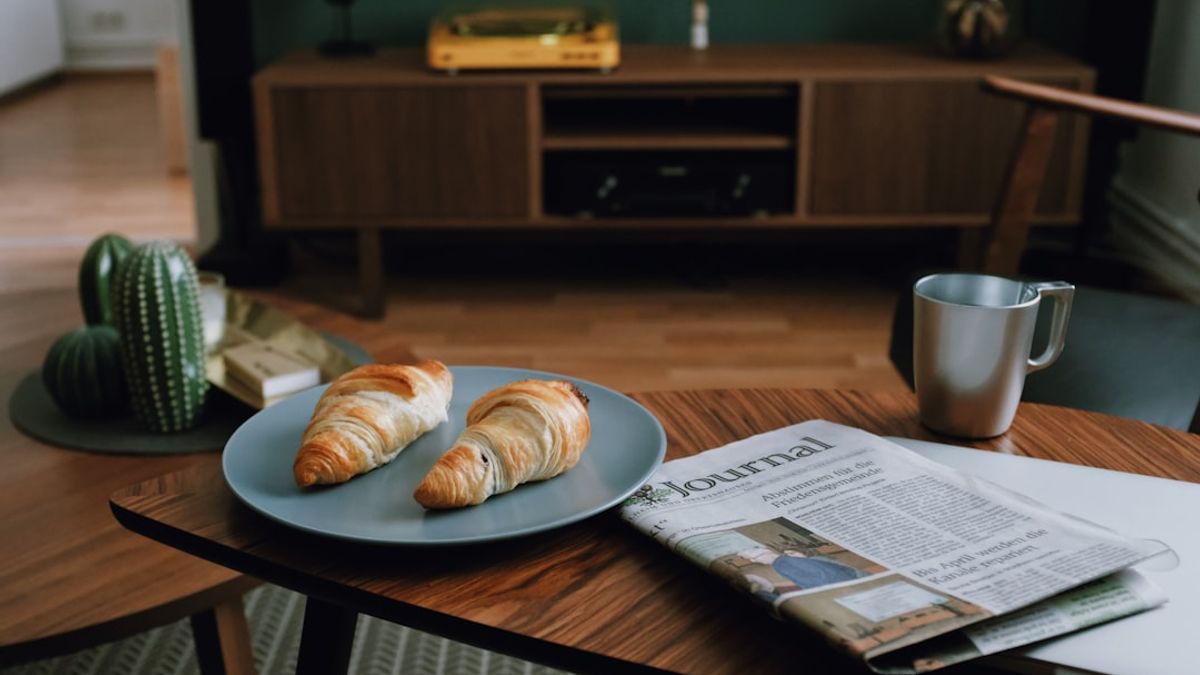
Where people eat is changing, but the dining table has not disappeared. The IKEA Cooking & Eating Report 2026 found that 44% of respondents usually eat dinner at a kitchen or dining table, while 18% usually eat on a sofa. The useful story is not that sofas have overtaken tables. It is that meals now need to fit smaller homes, crowded schedules, screens, and several different definitions of togetherness.
For home cooks, the report is most valuable when its findings are translated into practical decisions: make weekday cooking easier to start, create a comfortable place to eat, and design routines that work in the home you actually have.
By MunchieCooking Team · Last reviewed July 23, 2026
What the IKEA 2026 food report measured
IKEA commissioned YouGov to survey 31,339 people across 31 markets in August and September 2025. Results were weighted for factors including age, gender, geography, and income, and the report was finalized in January 2026. That scale makes it a useful snapshot of attitudes and habits, although it does not mean every percentage will describe every country or household equally.
The report covers cooking, eating locations, kitchen frustrations, screens, social connection, and the barriers that keep people from preparing food at home. It is a consumer survey, not a nutrition trial, so its strongest use is understanding behavior rather than proving that one routine is healthier than another.
Five findings that matter in a real kitchen
1. The table still leads, but flexible eating is normal
The survey found that 44% usually eat dinner at a kitchen or dining table. The sofa came second at 18%, followed by smaller groups who eat in bed or while standing, both at 4%. Those figures correct a misleading interpretation that circulated around the report: sofas did not overtake dining tables globally.
What has changed is the assumption that every household gathers in one formal dining space. A person may eat breakfast at a counter, lunch at a desk, and dinner on a sofa in the same day. Small apartments may not have a separate dining room at all. A useful cooking routine therefore has to account for portability, easy cleanup, and food that remains pleasant after it leaves the stove.
2. Time is a bigger obstacle for younger cooks
Lack of time was identified as a barrier to weekday cooking by 38% of Gen Z respondents and 33% of millennials. That does not call for more complicated recipes or a perfectly organized weekly menu. It calls for reducing the number of decisions required at 6 p.m.
A short list of repeatable meals is often more useful than an ambitious recipe queue. Keep two fast proteins, two vegetables, a versatile starch, and one strong sauce in rotation. Our two-hour meal prep plan shows how to prepare components without committing every meal to the same finished dish.
3. Kitchens are creating practical friction
Only 32% of respondents said they were happy with their kitchen overall. One quarter reported insufficient storage, another quarter reported insufficient work surface, and 24% said their kitchen was too small. Those frustrations affect cooking because every blocked counter and hard-to-reach tool adds another step before dinner can begin.
The answer is not automatically a renovation. Start by protecting one clear preparation zone. Store daily tools close to that zone, move rarely used appliances elsewhere, and group ingredients by task rather than package type. A small tray for oil, salt, pepper, and a favorite acid can eliminate repeated trips across the room.
4. Screens are part of many meals
Fifty-four percent said they watch television while eating alone, and 40% said they do so while eating with other members of their household. Only 7% reported a device-free policy at the table.
These numbers are better treated as a prompt for intentional choices than a reason for guilt. A screen-free dinner may support conversation on some nights. On another night, sharing a show and a bowl of food may be how a household relaxes together. Decide which meals deserve focused attention, then make that choice visible: put phones in another room, turn off notifications, or deliberately choose the program before sitting down.
5. Food remains a form of connection
Sixty percent of respondents said connection through food matters. That connection does not require a large table or a formal dinner. It can be a pot of soup shared after work, a recipe sent to a relative, or an extra portion left for someone arriving home later.
This is where convenience and hospitality can support each other. A flexible base such as rice, roasted vegetables, beans, or shredded chicken lets different people assemble a meal at different times while still eating from the same preparation.
How to apply the findings at home
Build a 15-minute start
The hardest part of weekday cooking is often beginning. Keep one meal that can be started in 15 minutes without a special shopping trip. Examples include eggs with toast and greens, pasta with frozen peas and lemon, bean tacos, or a grain bowl made from leftovers. The meal does not need to finish in 15 minutes; it needs to be underway before takeout becomes the default.
Prepare components, not five identical meals
Batch-cooking a full dish works when you enjoy repeated portions. For more variety, prepare neutral components that can move between cuisines: a cooked grain, washed greens, roasted vegetables, a protein, and a sauce. Add fresh herbs, citrus, cheese, or a different seasoning blend when serving.
This approach also works with compact kitchens because each component can be prepared in sequence using the same cutting board and pan. For more ways to simplify the process, see our practical home-cooking tips.
Match the food to the eating place
If dinner sometimes happens on the sofa, choose bowls over wide plates and avoid foods that require constant cutting. If lunch happens at a desk, pack sauces separately and choose food that can be eaten without balancing several containers. If the household eats at different times, store garnishes apart so each portion can be refreshed.
Use a small-kitchen reset
- Clear one section of counter before cooking.
- Set out only the tools needed for the next step.
- Keep a bowl nearby for scraps and packaging.
- Wash or load one item while food simmers.
- Return the counter to empty after the meal.
This sequence does not create more space, but it prevents limited space from being consumed by unfinished tasks.
What the report cannot tell us
Global percentages flatten major differences between regions, household sizes, ages, work schedules, and housing types. The survey also records what people say they do and value; it does not directly observe every meal. Finally, eating on a sofa is not automatically unhealthy, and eating at a table is not automatically social. Food quality, portion size, company, stress, and attention all matter.
The most defensible conclusion is modest: home cooking now happens within more varied spaces and schedules than the traditional dining-room image suggests. Kitchens and recipes that reduce friction are more likely to be used.
A realistic takeaway for home cooks
Do not redesign your life around a trend report. Use the findings to notice where your own routine breaks down. If time is the problem, simplify the first 15 minutes. If space is the problem, protect one work zone. If people eat at different times, cook adaptable components. If screens are crowding out a meal you value, choose one regular occasion to put them away.
The full methodology and market-level context are available in the IKEA Cooking & Eating Report 2026. Reading the original report matters because individual findings are more useful when they are not turned into exaggerated headlines.