
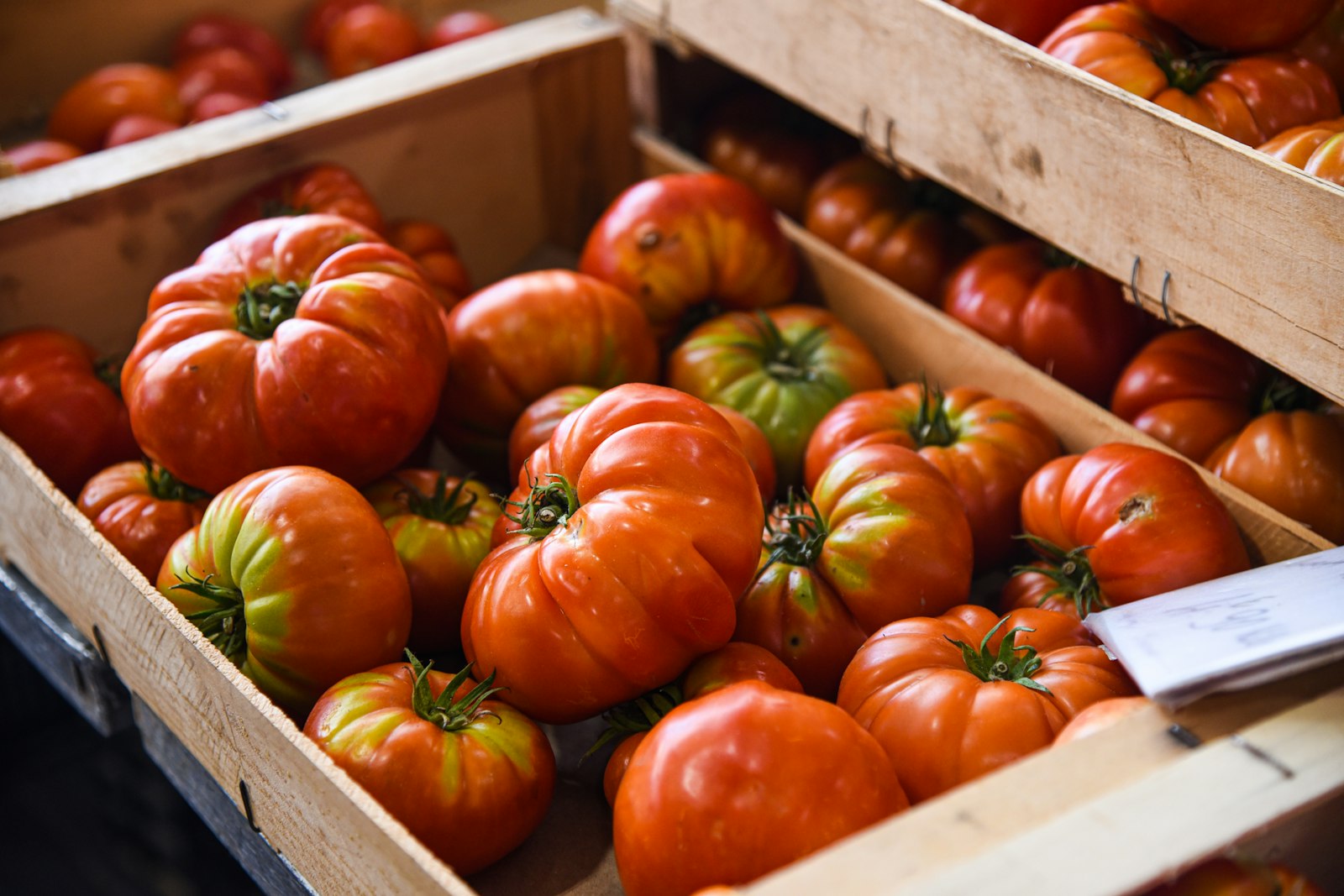
Every August in France, my mother’s kitchen counter turns into a tomato triage station. Ripe now, ripe tomorrow, splitting and needs cooking today, gone too far and headed for sauce. If you have a garden or a good farmers market and you have hit peak tomato season, you know exactly what I mean. Suddenly you have twenty pounds of tomatoes and a week to deal with them, and you are eating pasta with tomato sauce for the fourth time in five days.
The good news is that August tomatoes reward almost anything you do to them, and there are more good options than the internet’s usual list of “just make salsa” suggests. Here is what I actually do when the tomatoes arrive faster than we can eat them.
The best raw dishes, in order of importance
The single best thing to do with a great tomato is slice it, salt it, and eat it with olive oil and bread. Do this every day tomatoes are in season. It is not a recipe. It is a duty.
Beyond that, tomato salad is a category more than a dish. Big chunks of assorted tomatoes, torn basil or shredded shiso, thinly sliced red onion soaked in cold water for ten minutes to take the edge off, good olive oil, sea salt, and either sherry vinegar or the natural juice from the tomatoes themselves. That is dinner in July and August at my house at least twice a week.
Panzanella deserves its own moment. Stale bread torn into pieces, tossed with tomatoes, cucumber, onion, basil, olive oil, and vinegar. Let it sit thirty minutes so the bread absorbs the tomato juice. This is a peasant dish that turns two ingredients you would otherwise throw out (bread past its prime, tomatoes past their prime) into one of the best meals of the summer.
Slow-roasted tomatoes: the technique that changes things
Slow-roasted tomatoes are the single best thing I do with the second wave of tomatoes each week. Halve them (or quarter the big ones), toss with olive oil, salt, garlic, and thyme, and roast at 300F for two to three hours until they are collapsed, sweet, and slightly caramelized. They keep in the fridge for a week under olive oil, and they turn any pasta, sandwich, egg dish, or salad into something better.
This technique also concentrates flavor from tomatoes that were fine but not amazing. If you have a batch of supermarket tomatoes in August that are technically ripe but a little flat, slow-roasting fixes them. The oven does not care that they were mediocre. It makes them taste like the platonic tomato.
Freezer tomato sauce, actually the right way
The best home tomato sauce for the freezer is not the twelve-ingredient version with wine and herbs and a two-hour reduction. It is Marcella Hazan’s tomato sauce, which is tomatoes, an onion cut in half, butter, and salt, simmered for 45 minutes. The New York Times reprinted it years ago and it has been the standard for a reason.
For your August glut, do a bigger version. Quarter enough tomatoes to fill your biggest pot. Add a stick of butter, four onion halves, salt. Simmer 45 minutes, remove the onions (or blend them in, your choice), let cool, pack into freezer bags flat, and stack. You will be pulling these out in February and thinking about summer.
| Preservation method | Prep time | Shelf life | Best for |
|---|---|---|---|
| Whole frozen (bag them raw) | 10 seconds | 1 year in freezer | Winter sauces, soups, chili |
| Simple tomato sauce, frozen | 1 hour | 1 year in freezer | Weeknight pasta all winter |
| Slow-roasted, oil-packed | 3 hours mostly passive | 2 weeks in fridge | Pasta, sandwiches, salads now |
| Confit tomatoes | 2 hours mostly passive | 2 weeks in fridge | Toast, pasta, eggs |
| Water-bath canned sauce | 3 to 4 hours | 1 year at room temp | Long-term shelf storage |
| Sun-dried in oven | 6 to 8 hours | 1 month in fridge in oil | Pasta, salads, garnishes |
Confit tomatoes: the underrated one
Confit tomatoes are cherry or small tomatoes cooked slowly in olive oil at low temperature (250F to 275F) with garlic and herbs until soft and infused. The tomatoes become intensely sweet. The oil becomes tomato oil, which is one of the best things you can spoon on toast, over eggs, or into a pot of beans. A pint of cherry tomatoes done this way takes ninety minutes of oven time and yields two weeks of use.
The technique is unfussy. A shallow baking dish, tomatoes in a single layer, olive oil to nearly cover, a few smashed garlic cloves, a sprig of thyme, salt. In the oven. Stir once at the halfway point. Cool, transfer to a jar, keep in the fridge with the oil covering everything.
The one big thing to do this weekend
If you are overwhelmed, do this. Take half of your tomatoes and freeze them whole, unpeeled, in a bag. That is it. Ten seconds of work. In November, when you need tomatoes for a chili or a Bolognese, take them out, run them under warm water for a second, and the skins slip off. They will not be salad tomatoes. They will be great cooking tomatoes, dramatically better than what is at the store in November.
Take the other half and make either a big pot of Marcella sauce for the freezer, or a tray of slow-roasted tomatoes for this week’s meals. Between these three moves (raw, slow-roasted, frozen sauce), you have handled your tomatoes without needing to become an amateur canner or learn a new skill.
What to eat this week
Tomato season should include, on rotation: sliced tomato with salt and bread for breakfast, panzanella for lunch, pasta with butter and Marcella sauce for dinner, tomato salad on repeat, a grilled cheese with slow-roasted tomatoes, and, if you feel ambitious, a whole roasted tomato tart. None of this requires special skill. It requires being willing to eat a lot of tomatoes for six weeks, which is the actual price of admission for summer produce.
Frequently asked questions
Do I need to peel tomatoes before making sauce?
For a smooth restaurant-style sauce, yes. For a rustic home sauce that you will eat over pasta, no. If it bothers you, quickly blanch tomatoes in boiling water for 30 seconds, plunge into ice water, and the skins slip off. Most home sauces do not suffer from being unpeeled.
What is the best tomato variety for cooking versus eating raw?
For raw eating, big heirlooms and vine-ripened globe tomatoes are hard to beat. For cooking, Roma and San Marzano types have less water and more concentrated flavor. In practice, use what you have. Any tomato picked ripe from a good source will out-cook a specialty variety picked green and shipped.
Can I freeze tomatoes whole without any preparation?
Yes, and it is the single best time-saver of tomato season. Rinse, dry, put whole in a freezer bag, remove air, freeze. They lose their raw texture (they are useless for salad after freezing) but retain all their cooking flavor. The skins come off with a quick warm rinse when you use them.
Is home canning tomatoes worth the effort?
Only if you enjoy the process or you have a very large harvest and no freezer space. For most home cooks with a normal amount of tomatoes, freezing is faster, safer (no risk of botulism from improper technique), and just as useful. Canned tomatoes look beautiful on a shelf. That is a real reason to do it. It is not a practical reason.
Why do my tomatoes taste bland even at peak season?
Usually one of three reasons: they were picked too early and ripened off the vine, they were refrigerated (which kills tomato flavor permanently), or the variety just is not very flavorful. Never refrigerate tomatoes you plan to eat raw. Store on the counter, stem up, and use within a few days.
The short version
A tomato glut is a good problem. Eat as many as you can raw with salt and bread. Make a big pot of simple butter-and-onion sauce for the freezer. Slow-roast a tray for the week. Freeze the rest whole in a bag for winter. Stop looking for elaborate recipes. Peak tomatoes do not need much from you. They just need you to keep up.