
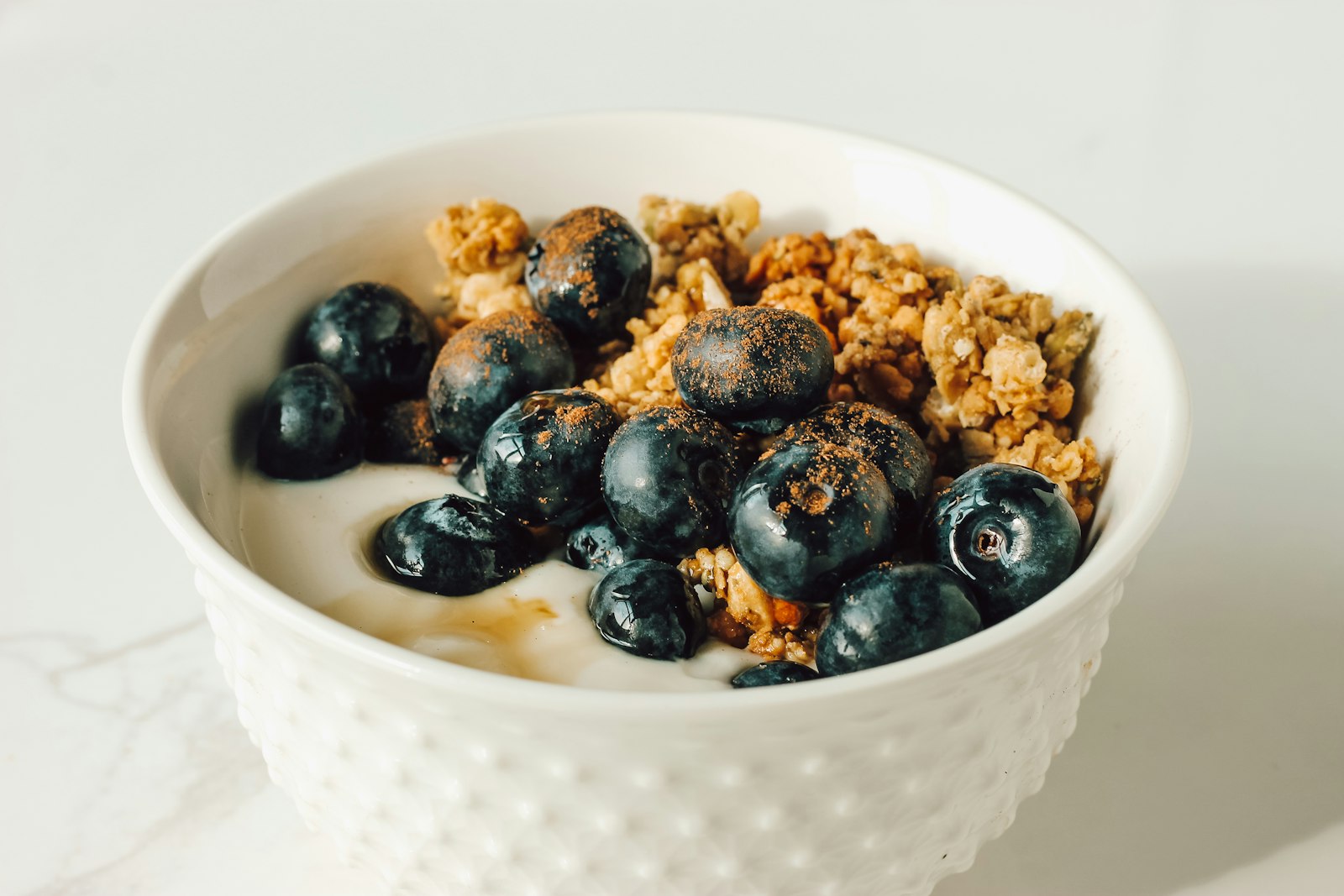
The yogurt bowl is one of those breakfasts that looks like a lifestyle choice and behaves like a template. A cup of plain yogurt plus whatever you have around — fresh or frozen fruit, a spoonful of nut butter, a handful of granola, seeds, honey — takes five minutes to build, sustains you until lunch, and lets you use up small quantities of ingredients that would otherwise sit unused.
The problem is that most yogurt bowl advice reads like Instagram styling — the layers do not add up to a satisfying meal, or the yogurt is too sweet, or the whole thing tastes vaguely diet-food. This guide walks through the framework that turns a yogurt bowl into a real breakfast: which yogurt to buy, how to build for balance, and what to add so you actually feel fed until lunch.
Time: 5 minutes
Serves: 1
Foundation: ¾–1 cup plain whole-milk yogurt (Greek or regular)
The framework: base + fat + carb + fruit + crunch + sweetness
The mistake: flavored yogurt + tiny fruit + skip the fat
Total balanced: ~350–450 calories, 20–25g protein, 8–15g fat, 30–50g carbs
Why a yogurt bowl works as breakfast (and why some do not)
A balanced yogurt bowl hits three needs at once: protein (from the yogurt), fat (from nut butter, seeds, or full-fat dairy), and fiber-rich carbs (from fruit, grains, or seeds). That combination stays with you for hours. Skip one of the three and you are hungry an hour after eating — usually the pattern with people who describe yogurt bowls as “not filling.”
The most common failure is skipping the fat. Nonfat yogurt plus fruit plus a little granola looks reasonable but does not have enough fat or fiber to slow digestion. Full-fat yogurt plus a tablespoon of nut butter changes the same bowl from a snack into a real breakfast.
Choosing the yogurt
The base matters more than any topping. Yogurt varies dramatically in protein, texture, and how sweet it needs anything added to it.
| Type | Protein per cup | Texture | Best for |
|---|---|---|---|
| Plain Greek (whole milk) | ~20g | Thick, tangy | Most bowl builds; feels most substantial |
| Plain Greek (nonfat) | ~23g | Very thick, sour | Higher-protein, less filling without added fat |
| Plain regular (whole) | ~9g | Looser, mild | Softer bowls; needs more toppings for protein |
| Skyr (Icelandic) | ~17g | Very thick, mild | Similar to Greek but milder tang |
| Plain sheep or goat | ~6–8g | Creamy, distinct flavor | Flavor-focused bowls with honey and stone fruit |
| Coconut, almond, oat (non-dairy) | ~1–8g | Varies widely | Dairy-free; supplement protein with nuts or seeds |
Plain, unsweetened yogurt is the most flexible starting point. Flavored yogurts have between 15–30g of added sugar per cup — often as much as a bowl of ice cream. You get much better bowls by starting plain and sweetening yourself with fruit and a small drizzle of honey or maple syrup.
The six-part framework
Every yogurt bowl I would call actually good has these six components. You can substitute within categories, but skipping a category is where bowls go wrong.
1. Base (¾–1 cup yogurt)
Plain, ideally whole-milk. Greek or skyr for higher protein; regular for a lighter texture.
2. Fat (1 tablespoon)
Nut or seed butter, whole nuts or seeds, chia seeds, coconut, or a healthy drizzle of olive oil (savory bowls) or nut oil. This is the component most people skip. It is the most important one for satiety.
3. Complex carb (¼–½ cup)
Granola, muesli, cooked oats, cooked quinoa, or unsweetened whole-grain cereal. Provides sustained energy plus texture. Look for granola with less than 10g sugar per serving.
4. Fruit (½–1 cup)
Fresh berries, sliced banana, chopped stone fruit, chopped apple, mango, pineapple — whatever is in season. Frozen fruit works well, especially berries. Skip the tiny “3 raspberries” style — real fruit portion means at least half a cup.
5. Crunch (1–2 tablespoons)
Toasted nuts, seeds (pumpkin, sunflower, hemp), cacao nibs, or a specialty topping like bee pollen. Even if your granola is already crunchy, an extra layer of nuts or seeds adds meaningful chew and interest.
6. Sweetness (½–1 teaspoon, optional)
Honey, maple syrup, agave, or fruit compote. If your fruit is ripe and sweet, you may not need any. A small drizzle balances tart yogurt without turning the bowl into dessert.
Five bowl combinations
Real combinations, tested. Portions listed serve 1 substantially.
Classic berry granola
1 cup Greek yogurt + 1 tablespoon almond butter + ⅓ cup low-sugar granola + ½ cup mixed berries + 1 tablespoon slivered almonds + drizzle honey.
Banana peanut butter
1 cup regular whole-milk yogurt + 1½ tablespoons peanut butter + ¼ cup rolled oats (soaked overnight in milk or plain) + 1 sliced banana + 1 tablespoon cacao nibs + no added sweetener (banana is enough).
Mediterranean savory
1 cup Greek yogurt + drizzle olive oil + salt + ½ cup cucumber and cherry tomato + 1 tablespoon toasted pumpkin seeds + fresh dill or mint + optional feta crumbles. Skip the fruit and sweetness; add a slice of toasted bread on the side.
Mango coconut
1 cup Greek yogurt + 1 tablespoon coconut cream or 2 tablespoons unsweetened coconut flakes + ¼ cup toasted coconut granola + ½ cup diced mango + 1 tablespoon hemp seeds + drizzle lime juice.
Apple cinnamon oatmeal-style
1 cup plain yogurt + 2 tablespoons almond butter + ⅓ cup toasted oats + ½ chopped apple + 1 tablespoon chopped walnuts + sprinkle cinnamon + drizzle maple syrup.
Meal prep approach
You cannot fully assemble yogurt bowls ahead — granola loses its crunch in yogurt within an hour. But you can prep the components so morning assembly is 90 seconds.
- Sunday prep: toast a large batch of nuts, seeds, and coconut. Store in a glass jar. Wash and portion fresh fruit into daily containers. Pre-portion granola into small containers.
- Morning: spoon yogurt into a bowl. Add the pre-portioned toppings. Ninety seconds total.
For grab-and-go, put yogurt in a jar, then a layer of nut butter or drizzled honey to create a barrier, then the fruit, then the granola in a small separate container to add at eating time. Mix at your desk.
Common mistakes
Using flavored yogurt. “Blueberry” yogurt often contains as much sugar as a soft drink. Start plain and add real fruit for real fruit flavor.
Nonfat yogurt without added fat. The bowl is not satisfying and you will be hungry within an hour. If you use nonfat, compensate with 2 tablespoons of nut butter or a generous portion of nuts.
Skipping the crunch layer. Yogurt bowls without texture contrast feel monotonous. Even one tablespoon of toasted seeds transforms the eating experience.
Over-sweetening. If your fruit is ripe, the honey may be unnecessary. Start with less and add more to taste rather than starting with a big drizzle.
Tiny portions. A “cute” bowl with 3 berries and a sprinkle of granola is a snack, not breakfast. Real portions mean 1 cup yogurt and half a cup of fruit.
Frequently asked questions
Is a yogurt bowl actually a healthy breakfast?
Depends heavily on how you build it. Plain full-fat yogurt with nuts and berries is nutritionally balanced — protein, fat, fiber, and slow carbs. Flavored yogurt with candied granola and no protein source is closer to dessert. The framework above produces a legitimately balanced meal.
Can I make yogurt bowls the night before?
Not with granola or nuts mixed in — they get soggy fast. You can layer yogurt, nut butter, and fruit in a jar the night before, and add granola/nuts in the morning. Overnight oats made with yogurt is a different preparation that does work overnight.
What is the difference between Greek yogurt and skyr?
Both are strained yogurts, but skyr is technically a fresh cheese by the Icelandic tradition. Skyr tends to be milder and slightly higher in protein than Greek. Nutritionally similar, texturally close. Use interchangeably.
Is honey healthier than white sugar?
Nutritionally, they are similar — mostly fast carbs. Honey has trace amounts of antioxidants and a stronger flavor per teaspoon, so you use less. But it is not meaningfully “healthier” as a sweetener. Use whichever tastes best to you.
Can I use frozen fruit?
Yes. Frozen berries thaw quickly on top of yogurt and release juice that mixes into the bowl. For firmer frozen fruit (mango, peach), let it sit at room temperature 10 minutes before serving.
How much protein should breakfast have?
Nutrition guidelines suggest 20–30g at breakfast for adults doing moderate activity. A cup of Greek yogurt (20g) plus a tablespoon of almond butter (3g) plus a tablespoon of hemp seeds (5g) hits that range easily.
The short version
A good yogurt bowl is plain yogurt plus fat plus fiber plus real fruit plus texture — not flavored yogurt plus decorative sprinkles. Prep the toppings on Sunday, buy plain yogurt in a big tub, and assembly takes 90 seconds any weekday morning. The result is a five-minute breakfast that actually sustains you until lunch.