
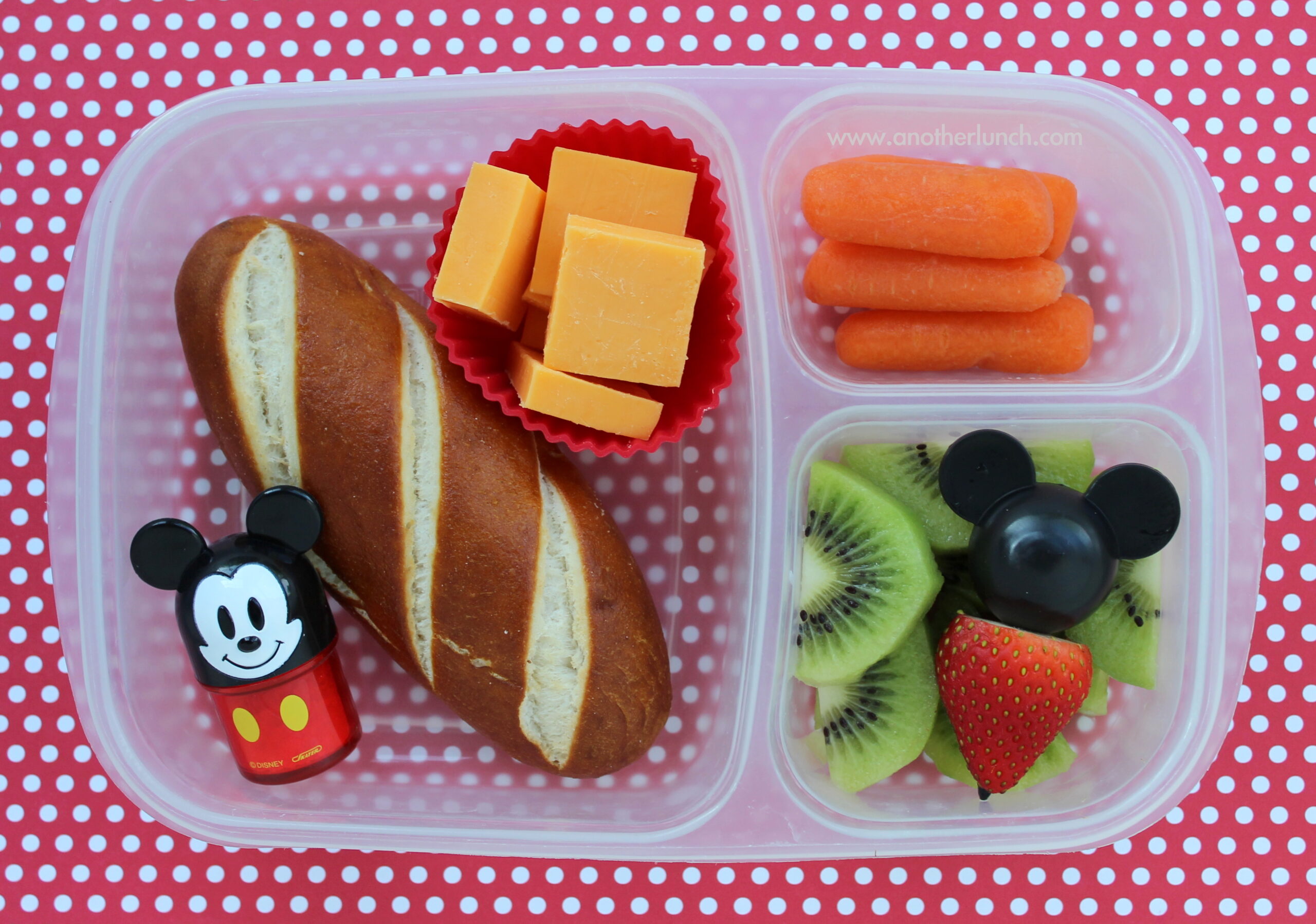
Turn a standard granola bar over and the protein line usually reads two to four grams. That is roughly one bite of an egg. It is also why a child who ate one at ten in the morning is hungry again at ten-forty, and why the box comes home with the sandwich untouched and the wrapper gone.
The eight snacks below all beat that number, most of them by a wide margin, and every one of them fits in a lunch bag. They are sorted by what they deliver per packed serving and split by whether they need a cold pack, because that is the constraint that decides what actually goes in the bag on a Tuesday morning.
Every protein figure here is an estimate drawn from ordinary supermarket products. Labels vary between brands, sometimes by half, so read the panel on the thing you bought rather than trusting a number in an article.
- Baseline: a standard granola bar, 2 to 4 grams of protein
- Target: 6 grams or more per packed serving
- No cold pack needed: five of the eight
- Cheapest per serving: chickpeas roasted at home
- Fastest to pack: the yogurt that doubles as the ice pack
- The rule behind all of it: two hours out of refrigeration for anything perishable
The bar you are comparing against
Most oat-and-syrup bars are built for shelf life and sweetness, not satiety. The oats bring carbohydrate, the binder brings sugar, and the protein that shows up on the label is largely incidental to the oats themselves. That is not a failure of the product; it was never designed to be a protein source.
The practical consequence is a fast rise and a fast fall. A snack that holds hunger through a morning generally pairs some protein and fat with the carbohydrate, which slows the whole thing down. Six grams is a reasonable floor for a school-age snack, and ten or more is what a teenager coming off practice actually needs.
None of this means bars are bad. It means the bar is the wrong tool if the complaint is that lunch gets skipped because someone was already full at eleven, or that they were starving at noon anyway.
High protein lunchbox snacks, ranked by grams per serving
The granola bar sits at the bottom of the table on purpose, as the scale everything else is measured against.
| Snack | Packed serving | Protein, estimated | Cold pack |
|---|---|---|---|
| Tuna or salmon pouch with crackers | one 2.6-ounce pouch | about 16 g | no, until it is opened |
| Dry-roasted edamame | 1 ounce, about 1/4 cup | about 13 g | no |
| String cheese | two sticks | about 12 g | yes |
| Hard-boiled eggs | two | about 12 g | yes |
| Plain Greek yogurt | one 5.3-ounce cup | about 12 g | frozen overnight |
| Beef or turkey jerky | 1 ounce | about 9 to 11 g | no |
| Roasted pumpkin seeds | 1 ounce, about 3 tablespoons | about 9 g | no |
| Roasted chickpeas | 1/2 cup | about 7 g | no |
| Standard granola bar | one bar | 2 to 4 g | no |
Two honorable mentions did not make the eight because of packing problems rather than nutrition. Cottage cheese carries roughly 12 grams per half cup and needs serious cold. Hummus is a fine snack but delivers only about two grams per two tablespoons, so it is a vehicle for vegetables, not a protein source in its own right.
The five that need no cold pack
Tuna and salmon pouches. Highest protein on the list and shelf stable until the seal is broken. The drawback is social: a pouch opened in a classroom announces itself, and some schools discourage it. Pack the crackers separately or the pouch makes them soft.
Dry-roasted edamame. Thirteen grams an ounce is remarkable for something that pours out of a bag, and it is a bean rather than a nut, which matters in a lot of classrooms. It is loud to eat and it is thirsty work, so send water with it.
Jerky. Reliable, portable, and by a wide margin the most expensive protein per gram on this list. It is also very salty, which is worth watching if it becomes an everyday item rather than a twice-a-week one.
Pumpkin seeds. Nine grams an ounce, no allergen issue in most schools, and they keep for months in a sealed jar. Buy them raw and toast them yourself at 300 degrees for fifteen minutes and they cost a fraction of the pre-roasted bag.
Roasted chickpeas. The cheapest thing here by a wide margin and the one most likely to disappoint, because they go soft in a closed container within hours if any moisture is left in them. Dry them thoroughly before roasting and pack them in something that is not airtight. They belong to the same family as the rest of the savory snacks worth making in a batch, and they season the same way.
The three that need cold, and how long a bag stays cold
Eggs, string cheese, and yogurt all sit in the perishable category, which means they need to stay under 40 degrees or be eaten within two hours of leaving the refrigerator. A typical school morning runs from about 7:30 to a lunch period near noon, which is more than four hours.
An insulated bag with one frozen gel pack generally holds under 40 degrees for around three to four hours in a normal classroom, and the insulation matters more than the pack does. A paper sack with a gel pack in it is barely better than a paper sack. Two cold sources, or one pack plus a frozen item, comfortably covers the gap.
This is worth measuring once rather than assuming. Put an inexpensive refrigerator thermometer in the packed bag on a Sunday, leave it on a counter for five hours, and read it. Every bag is different, and so is every classroom, and the answer changes what you are willing to send.
The frozen yogurt cup that doubles as the ice pack
Put a sealed cup of plain Greek yogurt in the freezer the night before. By late morning it is slushy and cold rather than frozen solid, it has kept the sandwich beside it cold on the way, and it eats like soft serve, which is a meaningful advantage with a child who claims not to like yogurt.
Whole-milk versions come through the freeze in better shape than nonfat ones, which turn slightly grainy on thawing. Fruit on the bottom hides most of that texture change. Do not thaw and refreeze a cup that came home untouched; send it back out frozen from the start or eat it that night.
The same trick works with a drinkable yogurt or a tube, and tubes freeze faster because they are thinner. A frozen tube is thawed in about ninety minutes, so it is better as a cold source for a short morning than for a late lunch period. Greek yogurt has a lot of other uses once there is a tub of it in the house.
Roughly what each one costs
Prices move constantly and vary by region, so treat the following as relative order rather than as numbers to hold anyone to.
Roasted chickpeas are the clear floor: a can costs about what a single granola bar does and yields three generous servings, and the seasoning comes from the spice drawer. Pumpkin seeds bought from a bulk bin are next, and dropping several dollars on a large bag once a season works out far cheaper per ounce than the small resealable pouches near the checkout.
Eggs sit in the middle and swing harder year to year than anything else on the list. Yogurt in a large tub, portioned into small reusable containers, runs roughly half the cost of the individual cups. String cheese is priced reasonably in bulk bags. Fish pouches are mid-range and worth it for the protein density.
Jerky is the outlier. It is almost always the most expensive protein per gram in the cart, and the store-brand versions are not much cheaper. If the budget is the binding constraint, jerky is the first thing to cut and chickpeas are the thing to make more of.
Nut-free without losing the protein
Every one of the eight passes a peanut and tree nut ban. That is not an accident; it is why almonds and peanut butter crackers were left off, even though both would otherwise rank well.
Check what the ban actually covers before you plan a week around seeds. Some classrooms include sesame, which since 2023 has been treated as a major allergen for United States labeling purposes and now appears explicitly on packages. Sunflower seeds and pumpkin seeds are usually permitted, but usually is not a policy, and the school office will tell you in one sentence.
Sunflower seed butter on whole-grain crackers gives about seven grams per two tablespoons and is the direct replacement for the peanut butter version. Roasted chickpeas, edamame, cheese, eggs, jerky, and yogurt are all free of the eight most common allergens except dairy, which covers two of them.
Portions for a first grader and for a fifteen-year-old
A six-year-old needs one item, somewhere around six to eight grams, alongside fruit and whatever the actual lunch is. Two hard-boiled eggs is too much food for that child and it comes home. One egg plus a handful of pumpkin seeds is about right and it gets eaten.
A fifteen-year-old with a sport after school is a different problem. Two items, twenty grams or more, and the snack has to be substantial enough to bridge a five-hour gap between lunch and dinner. A fish pouch with crackers plus a yogurt gets there. So does jerky with a bag of edamame.
None of this is where the day’s protein is won or lost, and it is not worth turning a lunchbox into an accounting exercise. The working test is whether the snack holds hunger for two to three hours and comes home empty. If it does both, it works, whatever the label says.
The two-hour rule, in a lunchbox
Perishable food should not sit between 40 and 140 degrees for more than two hours in total, and only one hour when the surrounding temperature is above 90 degrees. That range is where bacteria multiply fastest, and the clock runs cumulatively across the whole day, not from the moment the bag was opened.
Two practical consequences follow. First, the two hours include the walk to school, the locker, and the time the bag sits on a bench in the sun during recess. Second, a snack that comes home uneaten and warm should be thrown out rather than put back in the refrigerator for tomorrow, even if it looks and smells fine, because the temperature history is the thing that matters, not the appearance.
Hard-boiled eggs are the item people get wrong most often. Left in the shell they hold better than peeled ones, since the shell is a barrier, but they are still perishable and still need cold. Wash the bag itself weekly with hot soapy water; an insulated liner that never gets cleaned is its own problem.
Forty minutes on a Sunday covers five days
Almost all of the work here is unattended, which is what makes the batch approach worth it. Start the oven at 400 degrees and drain two cans of chickpeas. While they dry on a towel, put a dozen eggs on to boil: twelve minutes at a bare simmer, then straight into ice water for ten.
Toss the dried chickpeas with oil and salt, spread them on a sheet pan, and give them forty minutes, shaking the pan twice. That is the only step that needs the oven. While it runs, portion pumpkin seeds and edamame into five small containers each, cut the block of cheese if you are not buying sticks, and move five yogurt cups to the freezer.
Total hands-on time lands near forty minutes and it produces the protein half of every snack for a full week. Peel the eggs as they are needed rather than all at once, and hold the chickpeas in a loosely covered jar so they can breathe. If the routine appeals, it fits neatly beside a weekday lunch rotation built the same way.
Frequently Asked Questions
Is a snack supposed to replace a meal?
No. The job of a packed snack is to bridge two to three hours, which is why six to twelve grams of protein is the useful range rather than twenty-five. A snack sized like a meal is generally a snack that comes home uneaten.
Are protein bars a reasonable shortcut?
Some of them are. Read the label rather than the front of the box: look for ten grams or more of protein, keep an eye on sugar, and check whether the first ingredient is a syrup. A bar that is mostly sugar with whey powder added is a candy bar with a health claim on it.
How long do homemade roasted chickpeas stay crisp?
About three days in a jar with the lid resting on rather than sealed. Airtight containers trap the last of the moisture and turn them leathery overnight. They will never be as crisp on day three as they were an hour out of the oven.
What if my child will not eat any of this?
Start with the two that read least like health food, which are usually string cheese and pumpkin seeds. Rejection is almost always about texture rather than about nutrition, so change the texture before you change the food. A seed that gets eaten beats an egg that does not.
Can I send hummus or a dip?
Yes, with a cold pack, and treat it as the vehicle rather than the protein. Two tablespoons carry roughly two grams, so pair it with something from the table above if the point of the snack is to hold hunger.
The list that works is the one that comes home empty. Rotate three items rather than eight, watch what survives the week, and drop whatever keeps returning in the bag.