
Every March, the same thing happens in my kitchen. I open the crisper, look at the last withered heads of winter kale, and start counting the days until the first peas show up at the market. Spring vegetables are the produce category with the shortest attention span. Blink, and the ramps are gone. Wait too long on rhubarb and it turns woody. This is not a season to be casual about.
The other thing worth saying up front: most spring vegetables do not need much. They need the right technique, the right amount of salt, and to be left alone. If you have been cooking asparagus for twenty minutes in salted water because that is what a cookbook told you in 1996, we should talk.
Peas: the case for buying them frozen most of the time
Fresh English peas are wonderful for about two weeks a year in most of North America, and they are expensive because someone had to shuck them. Snow peas and snap peas last much longer and are more forgiving. If you are buying shelling peas fresh, taste one raw at the market. If it is not sweet, walk away and buy the frozen ones from a decent brand. Frozen peas are picked and blanched within hours and are honestly better than most fresh peas that have been sitting in a bin for three days.
To cook fresh shelling peas, drop them into well-salted boiling water for ninety seconds, drain, and toss with butter and a squeeze of lemon. That is the recipe. Add mint if you have it. For snap peas, I like a hot pan, a splash of neutral oil, and about two minutes, tossed at the end with sesame oil and flaky salt. Serious Eats has written thoughtfully about this and I generally agree with them: heat, fat, salt, acid, done.
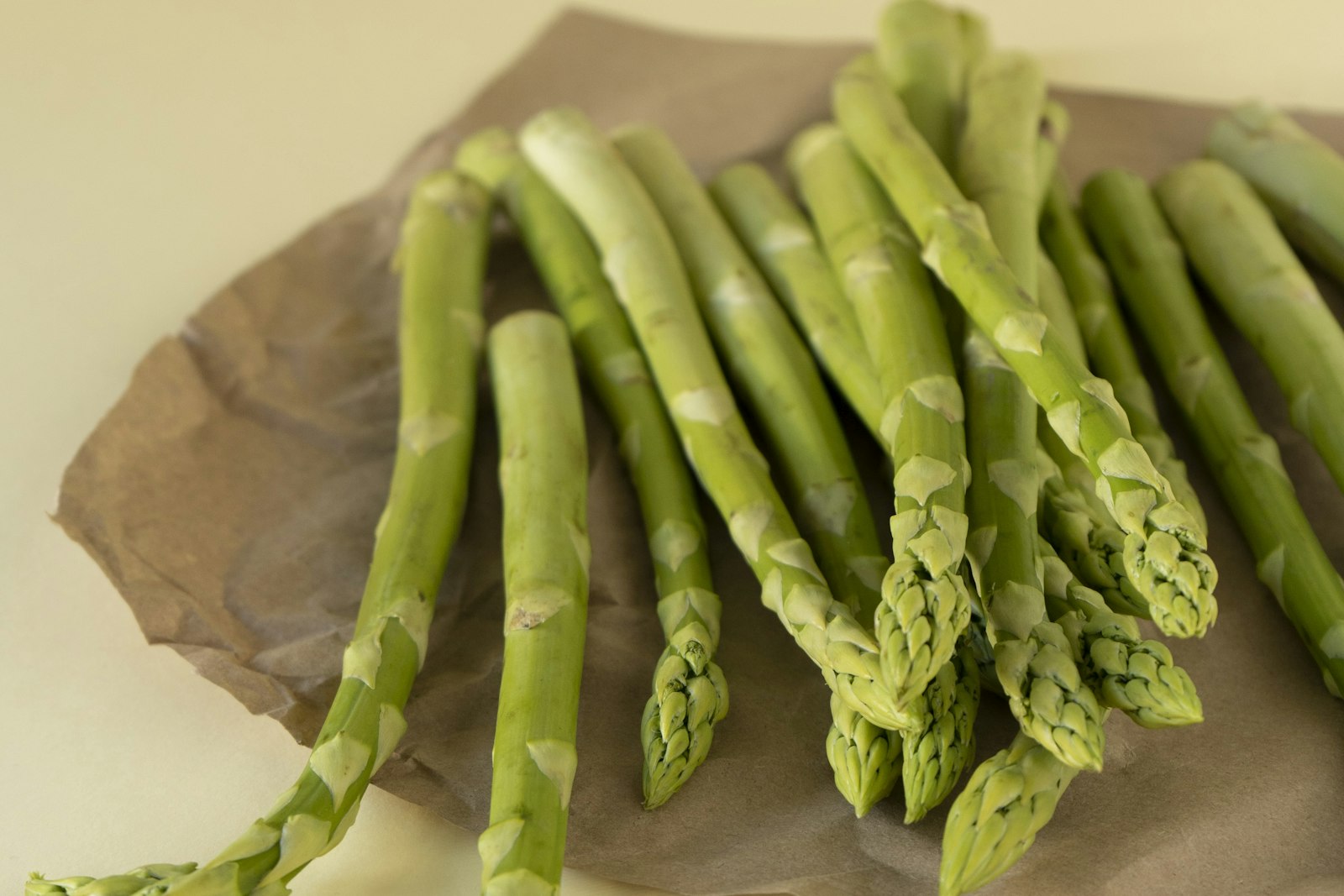
Asparagus: two techniques, no in-between
Asparagus is a vegetable that punishes indecision. You are either blanching it fast (three to five minutes in heavily salted water, then a quick ice bath if you are serving cold) or you are searing it in a screaming hot pan or on the grill until the outside is charred and the inside is barely tender. Steaming works if you are careful. Boiling for ten minutes does not work, and I am tired of pretending it does.
Snap the ends off where they naturally break. That thick, woody part is not going to become tender. Peeling the bottom half of thick spears with a vegetable peeler is worth the two minutes it takes and makes the whole spear edible. Toss with olive oil, salt, and lemon zest at the end. If you want to be a little fancy, a soft egg on top and a shower of parmesan turns asparagus into dinner.
Ramps: how not to waste them
Ramps have a short season, an unmistakable smell somewhere between garlic and green onion, and a real conservation problem in some regions. Buy from a forager who harvests sustainably, or grow your own if you can. Do not buy the entire tub if you are one household.
The best uses for ramps in my kitchen: chopped into a compound butter and frozen in a log, blended into pesto with walnuts and pecorino, or grilled whole with a little olive oil and served next to eggs. Pickled ramp bulbs will last you until next spring and are worth the ten minutes it takes to make them. I do not put ramps into long-simmered dishes because their volatility, their whole personality, cooks off.
Rhubarb: sugar, acid, and its right partners
Rhubarb is technically a vegetable but every practical use for it is on the sweet side of the kitchen. It is intensely sour, and cooking it plain gives you something that tastes medicinal. That does not mean you need to drown it in sugar. It means you need to think about what balances it. Strawberries are the classic partner because they are also in season in late spring and their sweetness offsets the pucker. Ginger, orange, and cardamom all work.
| Use | Ratio (rhubarb to sugar by weight) | Notes |
|---|---|---|
| Compote for yogurt or oatmeal | 4:1 | Add lemon zest, cook 8 minutes |
| Crumble filling | 3:1 | Cornstarch to thicken, pair with strawberry |
| Quick pickle for a cheese board | 2:1 with vinegar equal to sugar | Cut in batons, brine cold |
| Roasted for savory (with pork or duck) | 6:1 | Roast at 400F until slumped, not falling apart |
What else is in the market right now
Do not let the four headliners crowd out everything else at the farmers market in March and April. New potatoes are worth every dollar. Baby carrots that still have their tops attached are usually a real thing and not a supermarket lie. Radishes eaten with butter and salt is a French cliche because it works. Sorrel, if you can find it, makes the best cold soup of the year. Green garlic, which is basically an immature garlic plant, is milder than mature garlic and can go into almost anything raw. Fava beans require patience but reward it.
Storage: what to do the day you get home
Almost all spring vegetables want to be treated like cut flowers. Asparagus goes upright in a jar with an inch of water, loosely covered with a plastic bag, in the fridge. Ramps get wrapped in a damp paper towel inside a plastic bag. Peas in the pod stay in a paper bag in the crisper. Rhubarb goes into the crisper wrapped loosely. Nothing here keeps well past four or five days, so plan the week’s meals around what you bought. If you cannot cook it in time, blanch and freeze the peas, chop and freeze the rhubarb, and turn the ramp greens into pesto immediately.
Frequently asked questions
Are frozen peas really as good as fresh?
For most home cooking, yes, and often better. Fresh peas in a supermarket have often been off the vine for days, and their sugars turn to starch quickly. Frozen peas are picked at peak and processed within hours. Save fresh shelling peas for special occasions when you can get them the same day they were picked.
How do I know if asparagus is still fresh?
The cut ends should look plump and moist, not dried out or hollow. The tips should be tight and closed, not flowering or mushy. It should feel firm when you pick up a spear, not floppy. Thin does not mean better. Thick spears from a good source are sweeter and less fibrous than pencil-thin ones from the wrong farm.
Can I substitute leeks or scallions for ramps?
Not really. You can approximate a ramp’s flavor with a mix of scallion greens and a very small amount of raw garlic, but you will lose the specific pungency. If a recipe calls for ramps and you cannot get them, use young leeks and a clove of garlic and know that it is a different dish.
Do I have to peel rhubarb?
No. Younger stalks in spring are tender enough to use as is. If the stalks are older, thicker, and very stringy, you can pull off the outer strings with a paring knife. Never eat the leaves. They contain oxalic acid at levels that will make you genuinely sick.
What is the simplest spring vegetable dinner?
Boil small potatoes until just tender, drain, and toss with butter and salt. Blanch asparagus and peas together for two minutes, drain, and pile on the potatoes. Crack a soft egg on top. Grate parmesan. Squeeze lemon. Twenty-five minutes, one pot, and it tastes like the season.
The short version
Spring produce cooks fast, spoils faster, and does not need to be complicated. Buy less at a time and use it the same week. Trust heat, salt, and acid. Do not confuse cost with quality (frozen peas are great, expensive out-of-season asparagus is not). And when the ramps arrive, do not buy more than you can honestly use in five days. The season is short and the vegetables are honest. Let them be.