
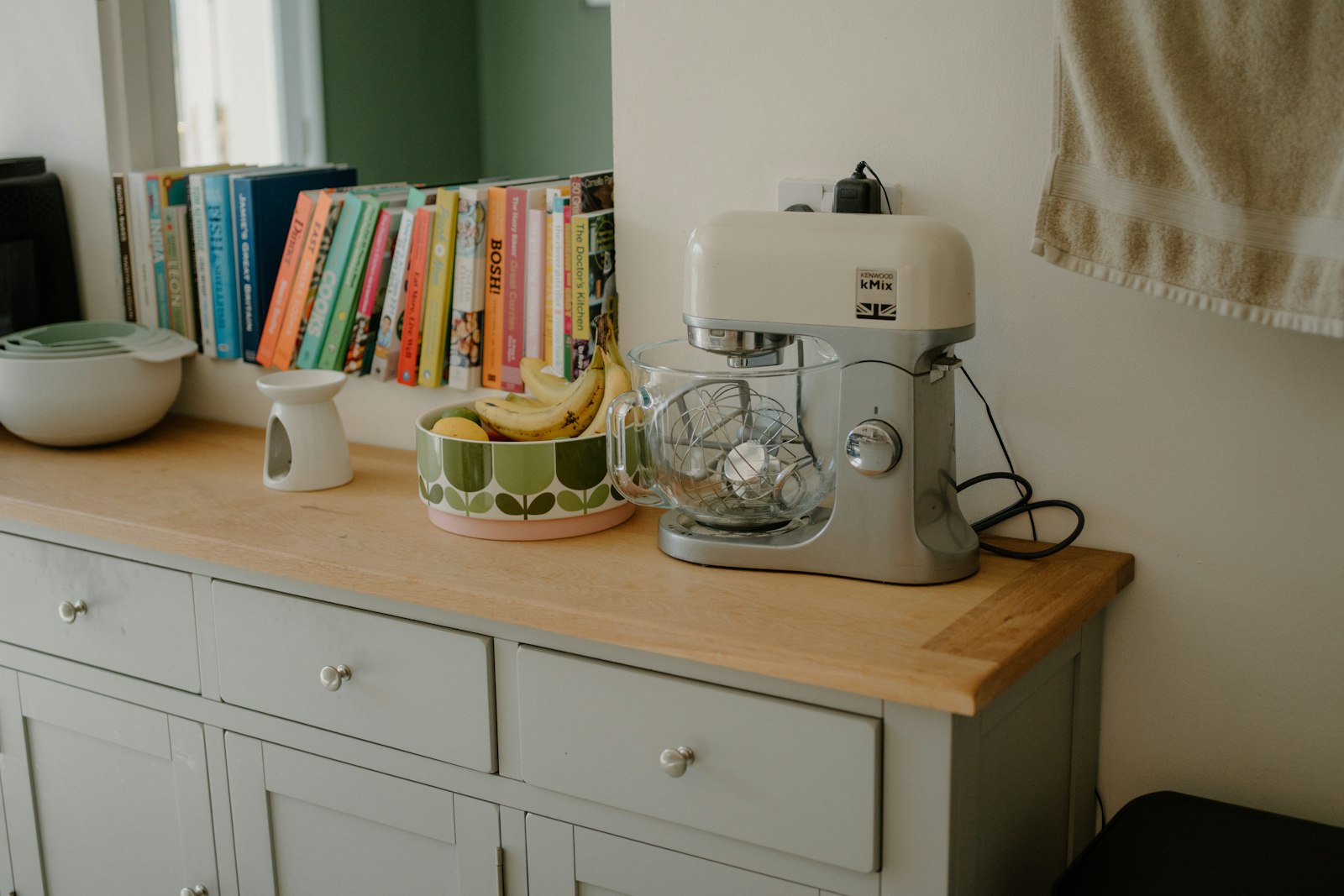
March 2025 marks five years since a lot of us started cooking three meals a day at home for the first time in our adult lives. I was in a small apartment in Lyon when it began, and then in a slightly larger one in Brooklyn a year later, and I spent most of that time either cooking or thinking about cooking. Every food writer has been asked at some point what stuck from that period. Here is my honest answer, five years in.
Some habits from 2020 and 2021 have quietly become the way I cook now. Others were phases. And some things I thought would last forever have completely disappeared from my kitchen. I am going to be specific, because the vague version of this piece has been written a hundred times.
Bread: the sourdough reckoning
Everyone made sourdough in 2020. Almost no one is still making it in 2025. The people I know who kept a starter alive are the same handful who would have kept one alive without a pandemic. What did stick, quietly, was casual home bread. No-knead loaves, focaccia, pizza dough in the fridge for the week. King Arthur Baking’s numbers on flour sales stabilized well above their pre-2020 baseline, which suggests something real changed, just not what people predicted.
The honest lesson: home baking is a much bigger tent than sourdough. Most people did not want a hobby that required feeding a jar of goo twice a day. They wanted to make a loaf on a Sunday, or a pizza on a Friday, and feel good about it. Those people are still baking. The sourdough people are, mostly, doing yoga now.
The freezer, treated seriously
The pandemic taught a lot of us that the freezer is not a storage unit for things we forgot about. It is an active tool. I now freeze bread in halves, cooked beans in one-cup portions, stock in silicone molds, tomato paste in tablespoon dollops, and leftovers labeled with a date and what is in the container. This is not glamorous but it has changed the way I shop and cook more than any other single habit.
The related habit is planning around the freezer. Making a double batch of something on purpose because you know half is going in. Roasting two chickens instead of one. Cooking a full pound of dried beans and using half now, freezing half for a soup in three weeks. Once you set this up, it saves an evening a week.
Beans, actually cooked from dried
Rancho Gordo became a household name in 2020 and 2021 for good reason. Dried beans, cooked slowly with salt and aromatics, are a different food than canned beans. This is one of the habits that quietly stuck for a lot of people I know. It is not because dried beans are magic. It is because when you cook them yourself you end up with the bean broth, which is one of the best cheap ingredients in the kitchen.
Practical: soak overnight if you remember, do not worry if you forget. Salt from the start (this is the most repeated bad advice, that salt makes beans tough; it does not). Simmer, do not boil, until creamy. Add an onion, a bay leaf, a piece of pork if you like, some garlic. Freeze what you do not use, in their liquid.
Elaborate projects: the phase that ended
For about eighteen months, my Instagram was wall to wall with people making croissants, curing bresaola, aging cheese in wine fridges. It was fun to watch. Almost none of it survived. Croissants take two days and produce a thing you can buy at any decent bakery for four dollars. The math never worked, and once people had places to be again, it collapsed.
What survived from the project phase is smaller and more useful. Making your own pasta occasionally, especially fresh sheets for lasagna or ravioli. Curing salmon (gravlax) which takes ten minutes of active work. Baking one specific bread you love. Making a big batch of stock. The multi-day, ten-step projects are for people who choose them as a hobby, which is fine and always was.
What everyone got quietly better at
The unspoken thing about the pandemic period is that a lot of people who never cooked before learned to cook basic dinners, and never went back to relying on takeout the way they used to. The evidence is anecdotal and also in industry data: home meal preparation frequency is still measurably higher than it was in 2019, and grocery baskets look different.
| Habit | Stuck (2025) | Why |
|---|---|---|
| Making a weekly meal plan | Partially | People plan two or three meals, not seven |
| Cooking with a well-stocked pantry | Yes | Grains, canned tomatoes, oil, spices always around |
| Regular home baking | Yes, in a smaller form | Focaccia and casual loaves, not sourdough |
| Sit-down family dinner earlier in the evening | Yes | Remote and hybrid work rearranged the day |
| Elaborate weekend projects | No | Time and enthusiasm both faded |
| Buying in extreme bulk | No | Panic-buying was a moment, not a lifestyle |
What I actually recommend keeping
If you are looking at your own pandemic-era cooking and wondering what to hold onto, here is my short list. Keep the pantry habit. Keep the freezer habit. Keep whatever one project you genuinely enjoyed doing (mine is focaccia). Let go of any habit that felt like homework. And do not romanticize a period that was, for a lot of people, deeply stressful. Cooking at home was a coping mechanism for a lot of us. Some of it deserved to become permanent. Some of it did not.
Frequently asked questions
Are people cooking at home more now than before the pandemic?
Modestly yes, based on industry surveys and grocery data. The initial spike of 2020 and 2021 has settled, but the baseline is higher than 2019. Where a decade ago the trend was toward more meals out and more delivery, that direction reversed and has partially held.
Should I keep a sourdough starter if I have not baked in months?
Probably not. A dormant starter is either fine (in the fridge, fed every two weeks) or dead (fuzzy pink or orange mold, throw it out). If you have not baked in six months and are not planning to, let it go. You can always get another one from a friend or make one from scratch in five days.
What is the single best pandemic-era habit worth keeping?
Cooking dried beans in a big batch and freezing what you do not use immediately. It sounds small. It changes how you eat. It costs almost nothing, saves time in the long run, and produces better food than any canned version.
Why did so many people stop baking bread?
Bread baking, done well, requires time and attention. Once life resumed its usual pace of commuting, school pickups, and social obligations, the multi-hour attention window disappeared. The people still baking regularly either made peace with quicker methods or had the kind of schedule that could accommodate a slow rise.
Did people really eat healthier during the pandemic?
The data is mixed. Home cooked food is generally healthier than restaurant food on average, but “home cooked” during 2020 also included a lot of banana bread and pasta. What seems clearer is that people gained skills, which they can apply to healthier cooking now if they choose to.
The short version
Five years after everyone became a home cook overnight, the picture is less dramatic than the takes at the time predicted. Sourdough did not permanently take over the culture. But the pantry, the freezer, the pot of beans, the Sunday loaf, and the habit of eating dinner at home with people you live with all stuck for enough of us to matter. That is more than I would have bet on in April 2020, and less than the food media promised. Somewhere in between is where real change usually lives.