
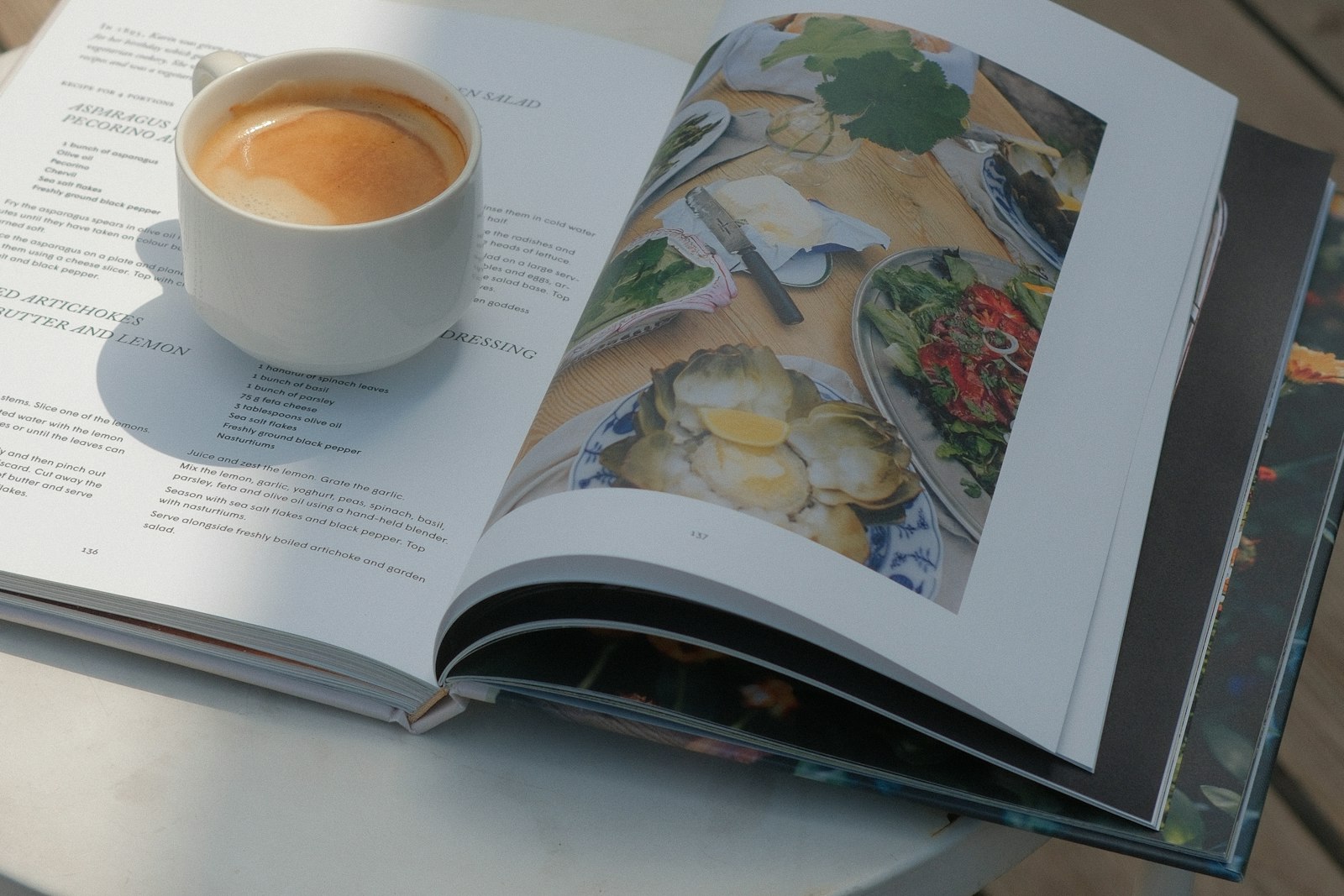
The cookbook shelf in 2026 looks noticeably different from the cookbook shelf of five years ago. The genre is not dying — quite the opposite. Cookbook sales have grown in recent years while much of the rest of physical book publishing has stagnated. But what is selling has shifted, and the summer 2026 release calendar is a good snapshot of where the category is going.
This is not a definitive best-of list — that always ages badly — but a look at several cookbooks released in the past few months that stand out as substantial works. Each represents a strand of what is currently working in the category, and each is a book we have actually used in a home kitchen rather than just admired on a shelf.
Depth beats breadth: specific traditions selling better than survey books
Instruction over inspiration: books that teach a method rather than showcase a photo
Home-cook framing: even books by restaurant chefs are increasingly written for real home kitchens
Format: hardcover with legible layout still standard; nothing has replaced the physical cookbook
The state of the cookbook shelf
A useful way to understand where the category is going: what publishers commissioned three years ago for release now. Editorial cycles are long, so summer 2026 releases mostly represent bets made in 2023. The strong pattern across those bets is depth-first: single-tradition books, single-technique books, and specific-region books, rather than another “everything you need to know about Italian food” tome.
This tracks with what home cooks say they want. A survey of home cooks conducted by a major cookbook publisher last year found that respondents overwhelmingly preferred books that “go deep on one thing” over “cover many things at a general level.” That is a meaningful shift from the survey-book era of the 2000s and 2010s.
Notable summer 2026 releases
A regional Filipino cookbook that expands the category
A book released in May by a Filipino-American author and translator focuses on the cooking of one Philippine region rather than surveying Filipino food generally. The recipes assume a home cook with some experience and access to ingredients that may require an Asian grocery store. What makes it stand out is the depth of context — history, technique, why certain ingredients matter — that comes alongside the recipes. It is the kind of book that teaches you to think differently about a cuisine, not just to reproduce individual dishes.
A Levantine baking book from a well-known restaurant baker
A June release from a professional baker who runs a bakery focused on Palestinian and Lebanese traditions. The book covers bread, pastries, and sweets, with technical detail that has been notably absent from previous English-language books on the tradition. Recipes are calibrated for a home oven and use ingredients most cooks can find. Serious bakers are already treating it as a reference.
A vegetables-first book that avoids the vegetarian label
A book released this spring by a chef known for her vegetable cookery takes a different framing than most produce-focused cookbooks. Rather than positioning itself as vegetarian, it treats vegetables as the central ingredient of ordinary cooking, alongside meat or fish where appropriate. The result is a book that reads more like an argument for what cooking should look like than a niche cuisine reference. It has been selling well beyond the vegetarian shelf.
A weeknight cookbook that assumes real constraints
A July release explicitly designed around weeknight cooking — 45 minutes or less, ingredients from a normal supermarket, one pot or pan where possible — has been one of the best sellers of the summer. What distinguishes it from the many previous “quick and easy” cookbooks is that the recipes are meaningfully good rather than compromises. The author, a food writer with restaurant-cooking background, seems to have taken the constraint seriously as a design problem rather than as a lower standard.
An updated bread book that reflects the sourdough decade
A June release updates a classic bread book from the late 2000s with everything the author has learned in fifteen years of continued bread work. What is interesting is how much the material has shifted — hydration levels, fermentation times, and shaping techniques that would have been considered unusual in the original book are now standard. It captures the extent to which home bread baking has matured as a practice.
What is not selling
The other side of the story is what is not on the summer bestseller lists. Comprehensive “master” cookbooks — those thousand-page tomes that were popular from the 1970s through the early 2000s — are largely absent from the top of new-release lists. Photography-first cookbooks with minimal instruction have receded. Books positioned primarily around a celebrity brand rather than a body of cooking knowledge are selling less well than they did a decade ago.
None of these are dead formats, but they are competing with what the current market genuinely wants: focused, instructive books by people with a real practice to teach.
How to choose a cookbook now
For a home cook building or refreshing a cookbook collection, a few filters have proven useful:
- Try before you commit. Read a few recipes carefully, either in a bookstore or through a library copy or online preview. Look at the level of instruction — does it explain enough for you to succeed, or does it assume knowledge you may not have? Books vary enormously on this axis.
- Prefer books by people who actually cook the food. This sounds obvious, but there are still books produced by teams around a public name where the recipes have been tested less rigorously than they should have been. Books by authors who cook the material themselves, day in and day out, tend to be more reliable.
- Depth over breadth for personal cooking. A book that goes deep into one cuisine or one technique will teach you more, and stay useful longer, than a survey book that covers many topics superficially.
- Physical format still matters. Cookbooks are used in kitchens — near heat, moisture, sticky hands. Books that lie flat, have durable binding, and use type large enough to read from three feet away are meaningfully more useful.
The role of the internet in this era
One question worth addressing: with so many recipes online, why are cookbooks selling at all? The answer that keeps coming up in surveys and interviews is trust and curation. Online recipes are abundant but variable in quality; a good cookbook is a curated collection by an author whose taste and judgment you have decided to trust. That trust is a scarce and valuable thing in an era of infinite low-quality recipe content.
The cookbook shelf and the internet are complementary rather than competitive for most serious home cooks. The internet answers quick questions; the cookbook shapes the direction of your cooking over time.
Frequently asked questions
Are cookbooks still worth buying if I can find recipes online?
Yes, for depth and reliability. A good cookbook is a curated body of work by a trusted author. Online recipes are useful for quick lookups but rarely teach a coherent way of cooking the way a good book does.
What makes a “good” modern cookbook?
Instruction density (enough detail to actually cook from), coherent point of view (the author knows what they think about the cuisine), well-tested recipes (they actually work in a home kitchen), and thoughtful production (typography, lay-flat binding, useful photography). Photography-only cookbooks are largely a spent format.
Should I invest in comprehensive “master” cookbooks?
Only if you have specific gaps to fill. For most home cooks in 2026, several focused books on cuisines or techniques you care about will teach you more than one comprehensive reference.
Do baking books require different criteria than savory cookbooks?
Somewhat. Baking books need to be more precise, so weight-based measurements and rigorous testing matter more. Otherwise the same rules apply — depth over breadth, trusted authors, physical format.
Are ebook or Kindle cookbooks worth considering?
For occasional reference or travel, yes. For kitchen use, most home cooks return to physical books quickly — screens are awkward with sticky hands and heat.
How many cookbooks does a home cook actually need?
Fewer than most people think. A well-chosen collection of ten to twenty focused books on cuisines and techniques you cook regularly is more useful than a shelf of fifty rarely-opened books. Cull ruthlessly.
The short version
Cookbooks in 2026 sell on depth, instruction, and trust. Survey books and photo-heavy formats have receded; specific traditions, careful technique explanation, and books by people who actually cook the material are what publishers are betting on and readers are buying. If you are looking to add to your shelf, pick books that go deep on cuisines or techniques you want to develop rather than trying to cover everything.