
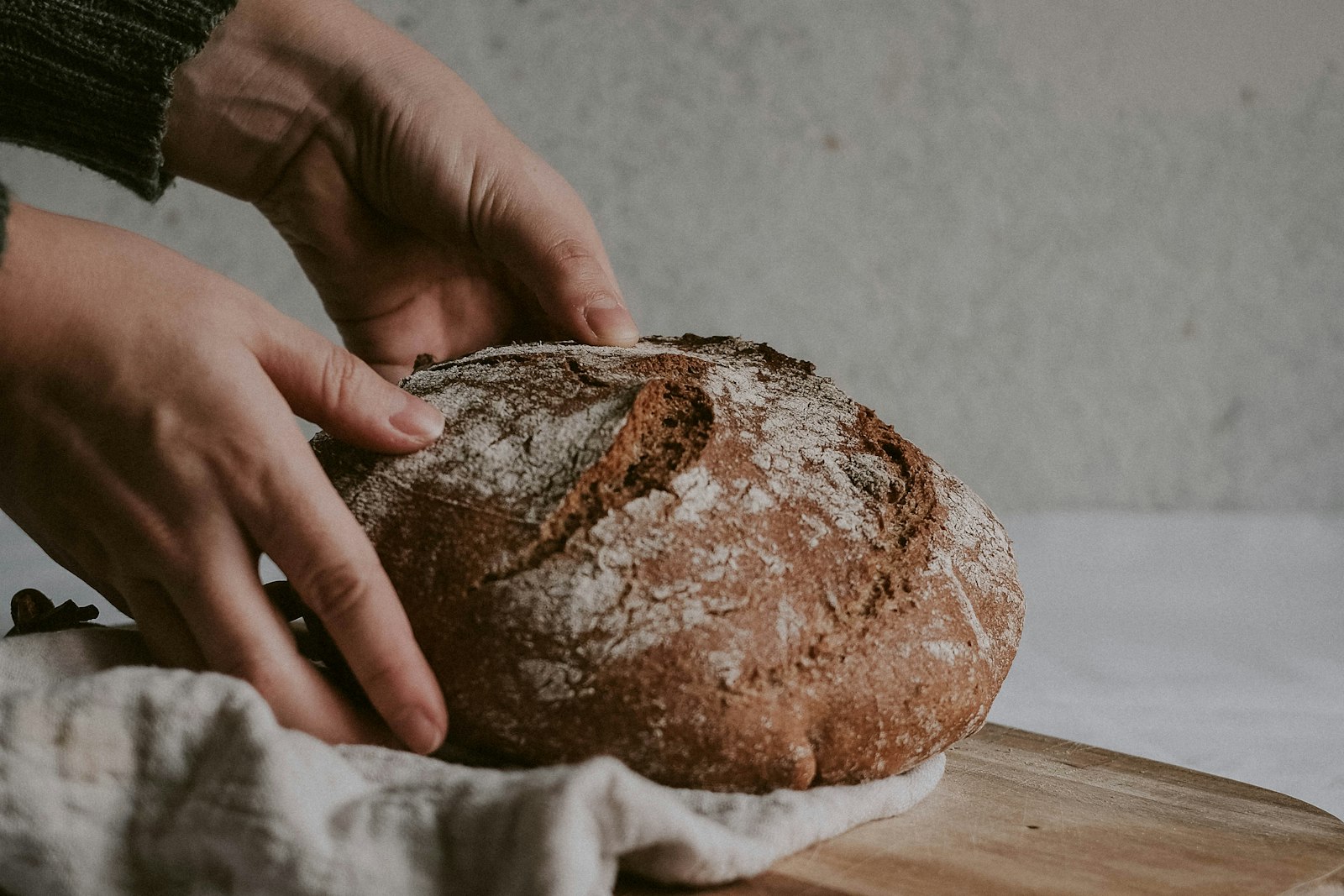
Home baking has quietly become one of the most durable food trends of the decade. What began in the pandemic era as a comfort activity — sourdough starters on every windowsill, banana bread on every social feed — has settled into something more permanent. Home ovens are running more than they did a few years ago, cookbook publishers are still betting heavily on baking titles, and specialty flour is a small but visible category in most supermarkets. Something about the practice of baking bread, laminated pastry, or a proper cake stuck in a way that few pandemic hobbies did.
This piece looks at what home baking actually looks like in 2026 — the trends home cooks are engaging with, the equipment they are buying, the cookbook releases that keep selling, and the underlying reasons the trend has held on rather than fading. Not exhaustive, but a snapshot of where things are.
Bread: sourdough remains dominant; enriched breads (brioche, milk bread) growing
Pastry: laminated pastry (croissants, kouign-amann) sees renewed enthusiasm
Cakes: single-layer, “not-too-sweet” continues to dominate
Cookies: the “salty-sweet + textural crunch” era
Equipment: stand mixers, digital scales, sheet pans over gadgets
Sourdough was not a fad — it was a foundation
The most surprising thing about the sourdough boom is that it never really ended. Search volume for “sourdough starter” and related terms has plateaued rather than declining, according to Google Trends data through mid-2026. Bakers who started with a jar of flour and water in 2020 or 2021 are still baking, and a smaller but steady stream of new bakers is picking it up each year. The practice turned out to have exactly the right combination of low input cost, meaningful skill progression, and shareable result.
What has changed is what people bake beyond the standard boule. Enriched sourdoughs — sandwich loaves with milk and butter, brioche variations, hybrid Japanese milk breads — are increasingly common. Focaccia, especially the tall high-hydration style with visible crumb structure, has become a signature Sunday project. And a small but growing group is moving into laminated sourdough croissants, a technically demanding project that would have been unthinkable at home a decade ago.
The equipment settling
Home bakers, having tried a lot of gadgets during the pandemic, have converged on a smaller set of tools that actually matter. Interviews and forum reads from the past year suggest a clear hierarchy.
The kit that has become standard:
- A digital kitchen scale (weight-based baking is now default, not aspirational)
- A stand mixer (KitchenAid dominates by inertia but Ankarsrum and Kenwood have grown share)
- Multiple sheet pans (aluminized, half and quarter sizes)
- A Dutch oven or combo cooker (for bread)
- An instant-read thermometer (finally seen as essential, not fussy)
- A bench scraper and a proofing basket
The kit that has quietly faded:
- Bread machines (still niche, but the sourdough era normalized manual)
- Steam ovens for home (interest peaked and receded — expensive and limited utility)
- Specialty bread lame kits (a razor blade works fine)
- Excessive baking-adjacent tech (dedicated bread proofers, custom scoring stamps)
What is on the cookbook shelf
Baking books continue to sell steadily, and the year’s notable releases point to where publishers see the market. Titles focused on approachable technique for a specific tradition — Ottolenghi’s ongoing dessert output, a wave of books focused on Filipino, Ethiopian, and Levantine baking traditions, and updated editions of the sourdough-era standbys — dominate the best-seller lists. Purely aspirational, photograph-heavy pastry books still exist but are a smaller share of what home cooks actually buy and use.
The through-line in what sells is useful specificity: books that go deep on one tradition or one technique, rather than sweeping “everything you need to know about baking” tomes. Home bakers who already know the basics want to go deeper on things they care about, not survey another 400-page introduction.
The everyday bake
Beyond the projects that photograph well, the more interesting shift is in what people bake for regular eating. Enriched sandwich loaves for the week’s toast, batches of scones or muffins for breakfast, drop cookies made in one bowl on a weeknight. The “everyday bake” that used to belong mostly to a certain kind of American home in the 1970s has quietly returned, in a version that respects modern schedules and often uses a stand mixer.
This is arguably the trend that matters most for the durability of home baking. Projects come and go — sourdough was hot, then focaccia, then croissants — but the practice of keeping some baked good on hand at any given time is what turns baking from a weekend hobby into a real cooking skill.
The cakes and cookies era
Cakes in 2026 tilt toward single-layer, less-sweet, easier-to-actually-eat formats. Loaf cakes, coffee cakes, cornmeal-and-olive-oil cakes, and buttermilk skillet cakes are showing up on menus and in home baking rotations. The three-tier decorated cake still exists for special occasions but has stopped feeling like the default.
Cookies have settled into an era defined by texture contrast. A batch of chocolate chip cookies in 2026 is likely to include some combination of brown butter, flaky salt on top, a mix of chopped chocolate rather than uniform chips, and possibly rye or whole-wheat flour for depth. The gooey, molten-center cookie style pioneered by New York bakeries continues to influence what home bakers aim for.
Why it stuck
Several factors explain why home baking held while other pandemic-era interests dissolved. First, it produces something with obvious use and social value — bread and cakes get eaten and shared. Second, the skill progression is meaningful and never really ends: a beginner sourdough loaf and an expert one are visibly different, and there is always another technique to learn. Third, the ingredient cost is low and the equipment does not have to be expensive, which fits an era in which many discretionary hobbies have become expensive.
The trend also reflects a broader shift in how people relate to home cooking generally. Baking is one of the few kitchen skills where the outcome is dramatic — a lump of flour becomes bread — and that transformation is part of the appeal. In an era where most work happens on a screen with unclear outcomes, mixing, waiting, and pulling something warm out of the oven is a distinct kind of satisfaction.
What to expect from the rest of 2026
Publishers and equipment makers we have watched over the year are signaling continued investment in home baking. Fall cookbook lists are heavy with baking titles. Kitchen-tool releases are focused on baking accessories (better scales, more precise proofing tools) rather than novelty electronics. Retail flour selection has expanded rather than shrunk, with more single-origin and freshly-milled options in major cities.
The one place we might see softening is in high-effort weekend projects. Croissants take three days; sourdough takes commitment. A lot of home bakers are moving toward faster-payoff bakes — quick breads, one-bowl cakes, sheet pan brownies — while keeping the ambitious project as an occasional Sunday event. That is probably a healthier long-term shape for the trend than the pandemic-era model of “everyone makes croissants every weekend.”
Frequently asked questions
Is sourdough still popular in 2026?
Yes, and remarkably so. Search volume and community activity around sourdough remain near peak levels, well past the point most trends would have decayed. It has become a stable home-baking practice rather than a fad.
What is the most common piece of equipment home bakers use now?
A digital kitchen scale. Weight-based baking has become standard rather than aspirational, and most recipes published in the past few years assume grams alongside volume measurements.
Are stand mixers worth the investment?
For anyone baking bread, cakes, or cookies more than a few times a month, yes. They save meaningful effort on doughs and batters. KitchenAid remains the most common choice; Ankarsrum and Kenwood are competitive alternatives for high-hydration bread work.
What is the most common home baking mistake in 2026?
Substituting whole-wheat or gluten-free flour for all-purpose without adjusting hydration or fermentation. These substitutions require meaningfully different technique, and following a standard recipe unchanged is the fast path to disappointing loaves.
Are cookbooks still relevant when recipes are online?
Sales data suggests yes — baking cookbook sales have held steady or grown. The value is curation and depth. A good baking book covers a tradition or technique in enough depth that a home baker develops actual understanding, which recipe-by-recipe internet browsing rarely provides.
What baking trend do you expect next?
Watch for a shift toward more integrated fermentation traditions — koji-based baking, pre-ferment-heavy breads, and cross-cultural techniques (Japanese milk bread methods applied to Western recipes, for example). Also expect continued growth in laminated pastry as home bakers get more ambitious.
The short version
Home baking in 2026 looks like sourdough became a foundation rather than a fad. The equipment has settled into a shorter list, the cookbook shelf skews toward specific traditions, and the everyday bake has quietly returned as a normal part of home cooking. The trend is durable in ways most pandemic-era interests were not — because it produces something useful, teaches a real skill, and rewards commitment without demanding it.