
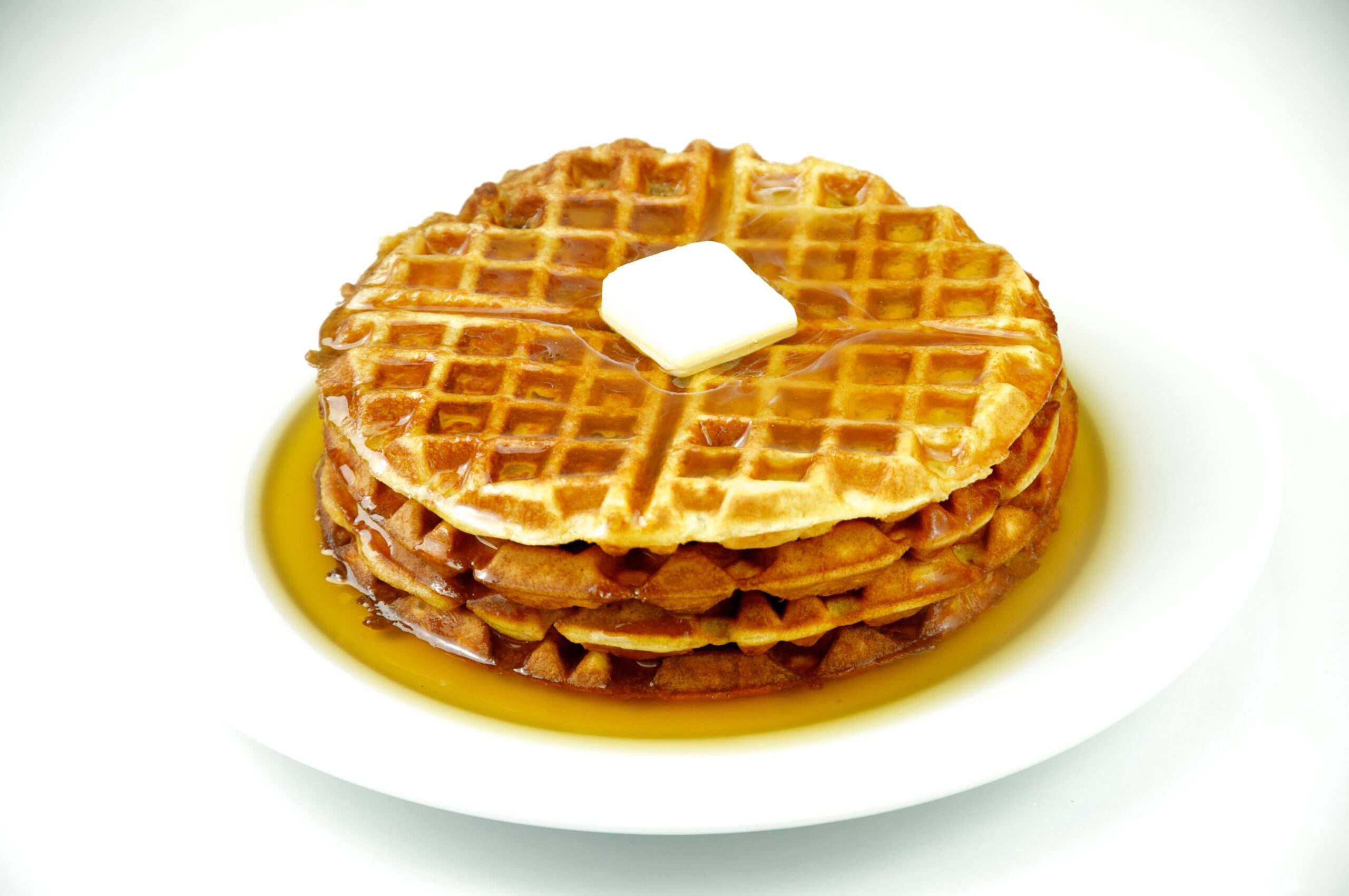
Somebody at the farmers market asks for Grade B and the producer says they do not make it anymore. Somebody else buys the palest bottle on the shelf because pale sounds like premium, gets it home, pours it over pancakes and cannot taste anything. Both problems come from the same place: the grading system was rewritten, and almost nobody was told.
Under the current standard every bottle of real syrup sold for the table is Grade A. What used to be quality tiers are now four color and flavor descriptors sitting side by side, and none of them outranks the others. The old Grade B, which cooks prized, did not disappear; it got renamed.
Four bottles, four spoons, and a plain cracker between each one is enough to sort this out permanently. The differences are larger than anyone expects.
- Current grades: Golden, Amber, Dark, Very Dark, all Grade A
- Old Grade B: now Dark or Very Dark, and unchanged in the bottle
- What grade measures: color, specifically how much light passes through
- For baking: Dark, because the flavor survives an oven
- Sugar content: around two thirds of the bottle by weight
- Once opened: refrigerate, or freeze for the long term
The names changed, and the old ones stuck
For decades the labels read Grade A Light Amber, Grade A Medium Amber, Grade A Dark Amber and Grade B. The naming implied a hierarchy that did not exist, and the letter B in particular made cooks assume they were buying something inferior when they were buying the most flavorful bottle on the shelf.
The standard was overhauled in the middle of the last decade, harmonized across the major producing regions, and now every table syrup is Grade A followed by a color and a taste descriptor. What used to be Grade B is now sold as Dark or Very Dark, depending on where it falls, and the recipe boxes that call for Grade B still work.
The confusion persists because bottles turn over slowly and because recipes written before the change are still in circulation. A jug bought at a roadside stand may carry either vocabulary depending on how long the label design has been in use.
Maple syrup grades explained, in one table
Here are the maple syrup grades explained against the terms they replaced, with the rough light transmittance figures that define them.
| Current grade | Light passing through | Old name | Best use |
|---|---|---|---|
| Grade A Golden, Delicate Taste | 75 percent or more | Grade A Light Amber, or Fancy | Drizzling, ice cream, yogurt |
| Grade A Amber, Rich Taste | 50 to 75 percent | Grade A Medium Amber | Pancakes, waffles, the all-rounder |
| Grade A Dark, Robust Taste | 25 to 50 percent | Grade A Dark Amber or Grade B | Baking, glazes, coffee |
| Grade A Very Dark, Strong Taste | Under 25 percent | Grade B or commercial | Barbecue sauce, beans, marinades |
Anything darker than the fourth row is graded Processing Grade and is sold to manufacturers rather than in bottles. It is not unsafe or spoiled; it simply falls outside the color range set for retail sale.
What the color is actually measuring
Grade is assigned by shining light through the syrup and measuring how much gets to the other side. That is the entire test. It says nothing about the tree, the farm, the boiling method or the care taken, and it is not a quality judgment.
Color tracks flavor closely, though, which is why the descriptors work. Darker syrup contains more of the compounds produced as sap is boiled down and as its sugars change through the season, and those compounds are what the tongue reads as caramel, molasses and, at the far end, something faintly savory.
All four grades are the same product from the same tree, usually a sugar maple, boiled to the same density. The standard requires a sugar content of roughly two thirds by weight before it can be called syrup at all, and every grade meets it.
Four bottles, four spoons, side by side
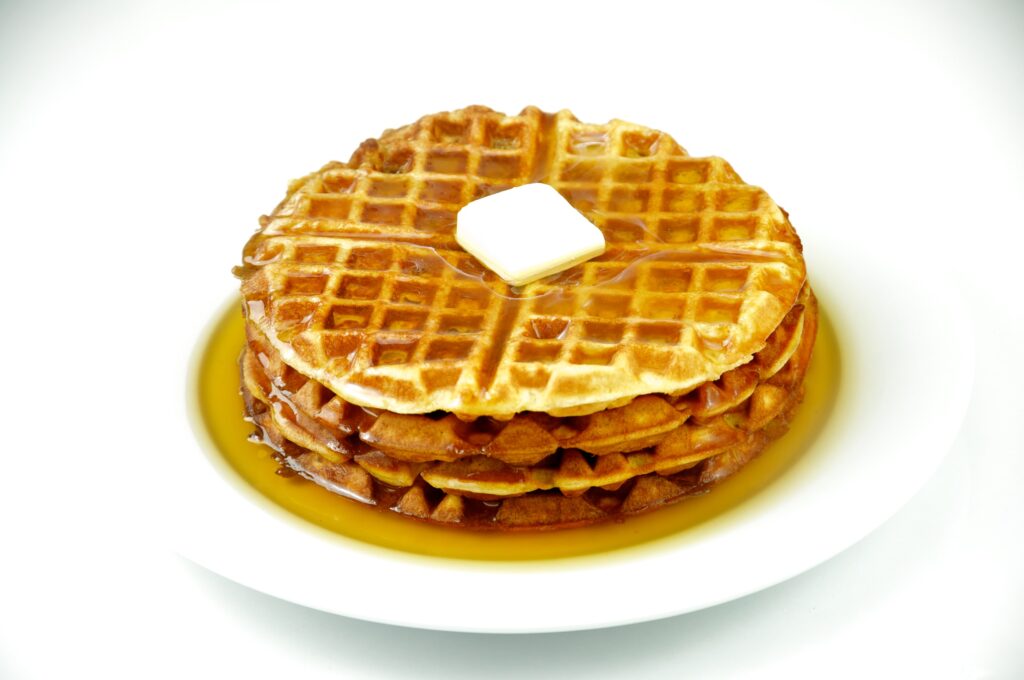
Tasting them in sequence is the only way this becomes obvious. Line up a spoonful of each from lightest to darkest, in that order, with a plain cracker and a glass of water between them. Room temperature, not cold.
Golden reads almost like vanilla. It is sweet, clean and short, with a delicate flavor that vanishes about two seconds after swallowing. Amber is the one most people picture when they think of maple: rounder, with a clear caramel note and a finish that stays.
Dark is where it becomes obvious. There is molasses in there, a mineral edge, and something close to toffee, and it lingers noticeably longer. Very Dark goes further in the same direction and picks up a savory, almost bitter undertone that stops being a breakfast flavor and becomes a cooking one.
Taste them the other way round and the exercise fails, because Dark coats the palate and makes Golden taste like sugar water. Light to dark, every time.
Golden, and what it is actually for
Golden is the most expensive of the four in many places and the least useful in a kitchen. It is made from the first sap of the season, the yield is smaller, and the delicacy that defines it is destroyed by almost any heat.
Where it earns its price is anywhere it is tasted cold and undiluted. Over vanilla ice cream, stirred into plain yogurt, poured over fresh fruit, in a cocktail, or brushed onto something already cooked. In those places the subtlety is the point.
Poured onto a stack of pancakes with butter, it is a waste of money. The butter and the browned crust are louder than it is, and the same plate with Amber costs less and tastes more of maple.
Amber, the default bottle
If a household keeps one bottle, this is the one. It is assertive enough to stand up to pancakes, waffles, French toast and oatmeal, and restrained enough that a spoonful over yogurt does not overwhelm it.
It is also the grade most often sold in supermarkets, which is why most people’s mental image of maple flavor is calibrated to it. Somebody who says a syrup tastes too strong is usually comparing it against Amber without knowing that is what they are doing.
For breakfast cooking generally it is the safe default, and it is the one to have on the table when the food itself is the thing being tasted, whether that is a plain waffle or a plate of bright, citrus-forward pancakes.
Dark, and why it belongs in the oven
Anything that goes into heat should be Dark. Baking dilutes and mutes flavor, so a cake, a granola or a glaze made with Golden tastes sweet and vaguely of nothing, while the same recipe with Dark tastes recognizably of maple after forty minutes at 350 degrees.
It is also the grade for coffee, for a maple vinaigrette, for roasted carrots and squash, and for anything where maple is competing against another strong flavor. A tablespoon of Dark in a bowl of oatmeal does what two tablespoons of Golden cannot.
Swapping syrup for granulated sugar in a recipe takes three adjustments. Use about three quarters of a cup of syrup per cup of sugar, cut the other liquids by three to four tablespoons per cup of syrup used, and drop the oven temperature by about 25 degrees, since syrup browns faster than sugar does.
Very Dark, which is a savory ingredient
Very Dark is the grade most people never buy and the one worth seeking out for cooking. The flavor is strong, slightly bitter and almost smoky, and it behaves less like a sweetener than like a seasoning with sugar attached.
It belongs in barbecue sauce, in baked beans, in a glaze for pork or salmon, in a marinade with soy and garlic, and in anything where molasses would otherwise be the answer. It is usually the cheapest of the four, since it comes from the end of the season when yields are highest.
On pancakes it is divisive. Some people find it too much and some people never go back. Buying a small bottle to test alongside the everyday one is a low-cost experiment.
Why the season decides the grade
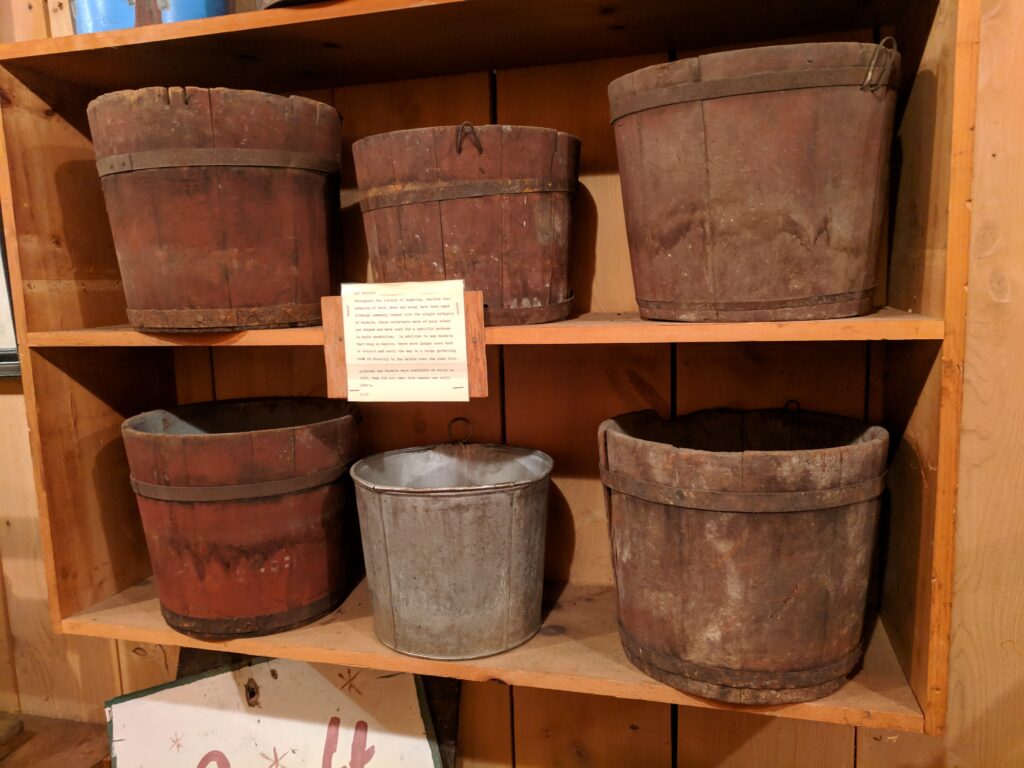
Sap runs when nights are below freezing and days are above, which is a window of a few weeks in late winter and early spring. Early in that run the sap is clearer and lower in the compounds that darken during boiling, so it produces Golden.
As the season progresses the trees begin to move toward budding, microbial activity in the sap increases, and the chemistry shifts. The same trees, tapped the same way, produce progressively darker syrup week by week until the run ends.
That is why a single producer can offer all four grades from one stand of trees in one year, and why the proportions differ between years. A warm spring shortens the season and changes the mix, which is one reason prices move.
It takes roughly forty gallons of sap to make one gallon of finished maple syrup, which is the number that explains the price on the shelf better than any grade does. Nearly all of what comes out of the tree is water that has to be boiled off.
Spotting pancake syrup pretending to be maple
The imitation bottles sit on the same shelf and are designed to be mistaken for the real thing. The tells are consistent and take five seconds to check.
- Read the ingredient list. Real syrup has one ingredient: maple syrup. Imitation starts with corn syrup or high fructose corn syrup.
- Read the front carefully. Maple flavored syrup, pancake syrup, table syrup and breakfast syrup all mean it is not maple.
- Look for a grade. Real syrup carries a grade and a color descriptor. Imitation carries neither.
- Check the price per ounce. The gap is large enough that it is not subtle, because of the forty-to-one problem above.
- Look at the bottle shape sideways. Nothing about the jug tells you anything, which is precisely why it is shaped that way.
Imitation syrup is thicker and more uniformly sweet, because it is corn syrup with caramel color and flavoring, and it is considerably cheaper. It is not a fraud as long as the label is accurate, and plenty of people prefer what they grew up with. It is simply a different product, and no grade applies to it.
What a tablespoon is worth, and what it is not
A tablespoon of maple syrup carries around fifty calories and about twelve or thirteen grams of sugar. It contains small amounts of manganese, riboflavin and zinc, and it has been marketed heavily on that basis.
The honest framing is that it is sugar with trace minerals attached. Nutritionally it counts as an added sugar in the same way honey and cane sugar do, and eating enough of it to get a meaningful amount of manganese would mean eating a great deal of sugar to get there.
Where it genuinely outperforms is flavor per gram. A tablespoon of Dark on oatmeal delivers more perceived sweetness and much more flavor than a tablespoon of white sugar, which is a reasonable argument for using it and a poor argument for using more of it.
One note for households with infants. No added sugar of any kind belongs in the diet of a baby under one year old, and honey specifically carries a botulism risk in that age group. Maple syrup does not carry that particular risk, and it is still sugar, so the same age guidance applies. Beyond that it fits comfortably into a weekend breakfast table without much thought.
Storing an open jug, and the mold question
Unopened, a sealed container of syrup keeps for a very long time in a cool cupboard. Once it is opened, the rules change: it belongs in the refrigerator, where it holds well for months, or in the freezer for the long term.
Syrup does not freeze solid because of its sugar content, so a frozen container stays pourable and thaws in minutes. Freezing in a glass jar needs headspace left at the top, since the volume still expands slightly.
Mold on the surface happens, usually on a jug left in a warm cupboard after opening. It presents as small floating spots or a film. Producers and extension services generally advise skimming it off, bringing the syrup to a boil, skimming again and rebottling in a clean sterilized container, and the syrup is fine afterward. Anyone uncomfortable with that should simply discard it, and anyone with a compromised immune system should not attempt the rescue.
Crystals at the bottom of a jar are a different thing and not a problem. Sugar coming out of solution over time, usually in syrup that was boiled slightly past the standard density, and warming the jar gently in a bowl of hot water dissolves them again. Cloudiness or a fizzy smell, on the other hand, means fermentation has started and the jar goes out. Handling a pantry staple properly is the same discipline that runs through breakfast cooking anywhere.
Frequently Asked Questions
Is one grade healthier than another?
No, not in any way that matters. Darker syrup carries slightly more of certain minerals and antioxidant compounds, and the difference is small enough to disappear against the sugar in the same spoonful. Choose by flavor and by what you are cooking.
Why is the same grade a different price at two farms?
Scale, packaging and where it is sold. A small producer bottling by hand at a market carries different costs than a large operation supplying a chain. Within a single producer, Golden is often the most expensive because the early run yields the least.
Can I make a lighter grade darker by cooking it?
Reducing it further does darken and thicken it, and it does not reproduce the flavor of a genuinely dark syrup, which comes from the sap itself rather than from extra boiling. It also pushes the sugar concentration up and moves it toward candy.
What is maple cream, and is it a different grade?
It is the same syrup, heated and then cooled and stirred until the sugar forms very fine crystals, which produces a thick spreadable product with no added ingredients. Grade applies to the syrup that went into it rather than to the finished cream.
Does the tree species change the flavor?
It does. Sugar maple is the standard and gives the highest sugar content in the sap. Red maple and black maple are also tapped and produce syrup with a slightly different character, and birch sap is a different product entirely with a much lower sugar content and a savory, mineral flavor.
Buy a small bottle of Dark alongside whatever is already in the cupboard and taste them a spoon apart, in that order. It costs a few dollars and it settles the question of which one belongs on the table and which one belongs in the oven.