
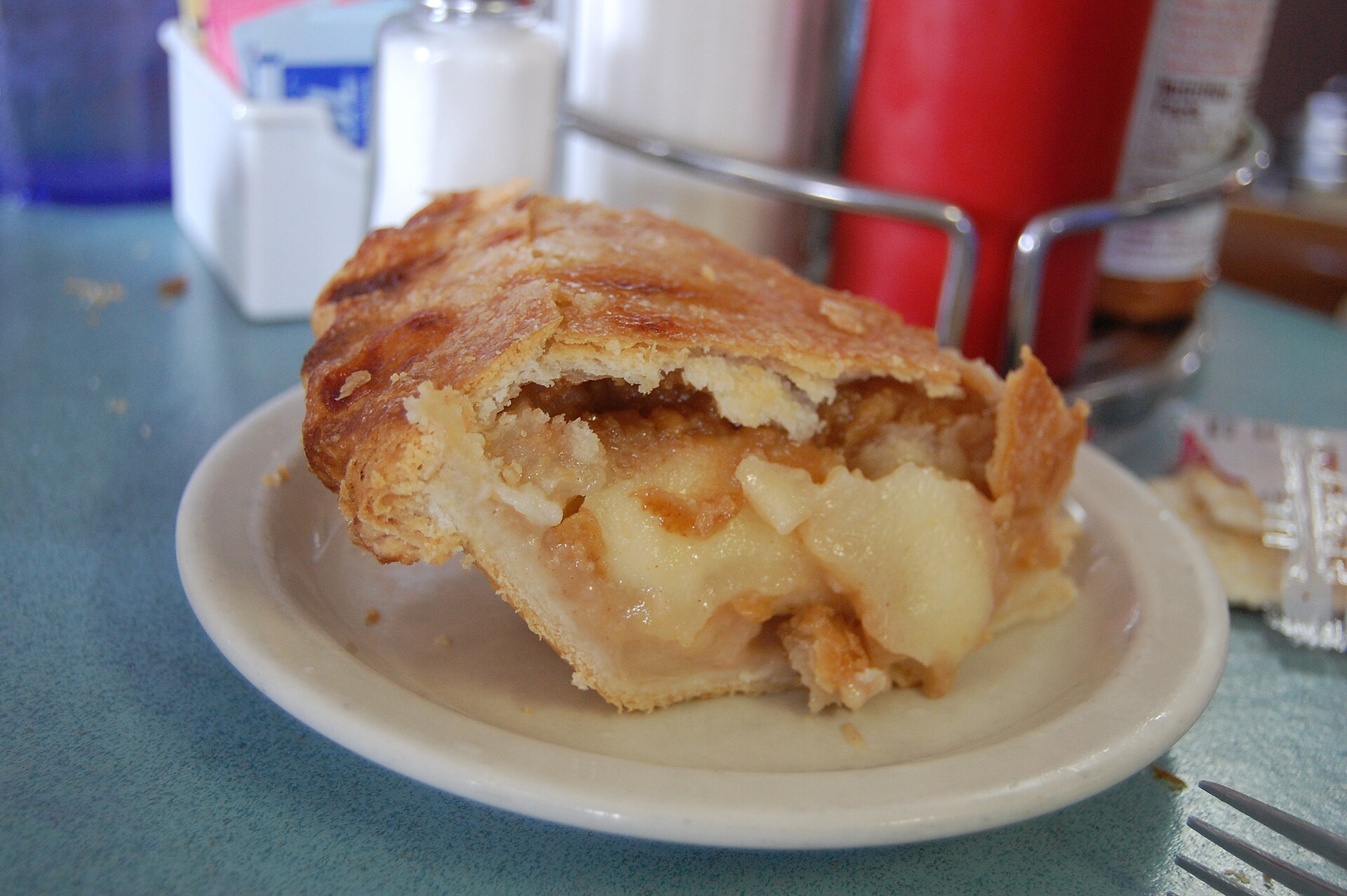
An apple at three in the afternoon is a fine idea that stops working about twenty minutes later. Roughly ninety-five calories, almost no protein, no fat, and a good amount of fiber and water. It fills the stomach briefly and then leaves, and the person who ate it is standing in front of the vending machine by half past three.
The fix is not a bigger apple. It is a second and third component that bring protein and fat, which is what turns a piece of fruit into something that holds until dinner. Six of those combinations are below, each with its numbers, each built from things that survive a desk drawer or a refrigerator at work.
Two of the six can sit at room temperature all day. The other four cannot, and the difference matters more than the calorie count does.
- The rule: fruit, a protein, and something with crunch
- The ceiling: under 200 calories per combination
- The apple: a medium one, about 95 calories and 4 grams of fiber
- Protein range across the six: roughly 3 to 13 grams
- Travels at room temperature: two of the six
- Needs an ice pack: the other four, without exception
Why an apple alone stops working by four o’clock
A medium apple is mostly water and carbohydrate. What it does bring is fiber, around four grams, much of it pectin, which slows digestion a little and is the reason an apple holds better than a glass of juice.
What it does not bring is protein or fat, and those are the two things that slow stomach emptying most. Half a gram of protein in a whole apple is a rounding error, and without either of them the sugar arrives fast and leaves fast.
Pairing it fixes the shape of the snack rather than its size. A tablespoon of nut butter roughly doubles the calories and adds about three and a half grams of protein and eight grams of fat, and the same 200 calorie snack now behaves completely differently between lunch and dinner.
The three-part rule, and why two parts is not enough
Fruit, a protein, and something with crunch. The first two are nutrition and the third is the reason the snack gets eaten more than once.
Apple and peanut butter is two parts and it works. It also gets boring in about a week, which is the failure mode nobody accounts for when planning snacks. The third element costs twenty or thirty calories and does most of the work of making the same combination tolerable five days running.
Crunch can be seeds, a few nuts, a cracker, granola, cinnamon and flaky salt, or cacao nibs. It does not have to be significant nutritionally. It has to change the texture of the bite.
Healthy apple snack ideas: six combinations with the numbers
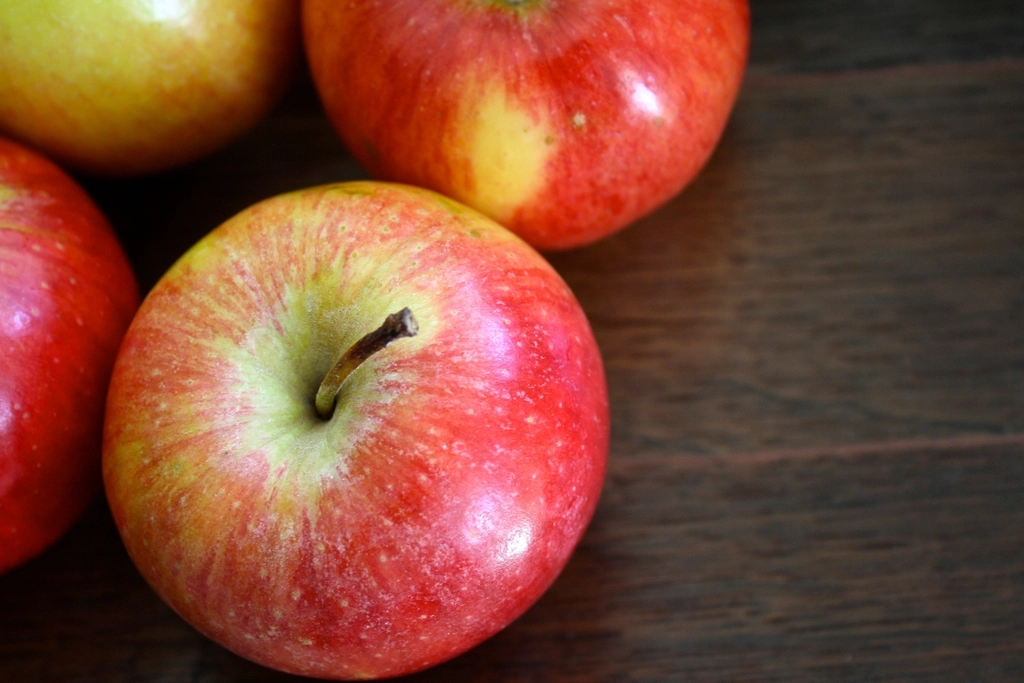
Every figure below is approximate and rounded, since apples vary in size by fifty grams either way and nut butter is measured by whoever holds the spoon. Treat them as the shape of the answer.
| Combination | Calories | Protein | Room temperature |
|---|---|---|---|
| Apple, 1 tbsp peanut butter, cinnamon | about 195 | about 4 g | Yes, all day |
| Apple, 2 tbsp powdered peanut butter, quarter cup Greek yogurt | about 180 | about 12 g | No |
| Small apple, string cheese, five almonds | about 195 | about 9 g | No |
| Apple, half cup low-fat cottage cheese, cinnamon | about 190 | about 13 g | No |
| Apple, three quarter ounce cheddar, one seeded cracker | about 200 | about 6 g | No |
| Small apple, 1 tbsp dark chocolate chips, five almonds | about 195 | about 3 g | Yes, below 80 degrees |
The protein column is the one to read. Two of these deliver twelve or thirteen grams and two deliver three or four, and they all sit within five calories of each other, which is a reasonable illustration of why calories alone are a poor way to choose a snack.
One: peanut butter and cinnamon, the baseline
A medium apple sliced into eighths, one level tablespoon of peanut butter, and cinnamon shaken over the cut faces. About 195 calories and four grams of protein, and the cinnamon is not decoration: it makes the apple read sweeter without any sugar, which is a genuinely useful trick.
One level tablespoon is smaller than most people serve. Two heaped ones is close to 250 calories of peanut butter alone, which turns a snack into a small meal without anybody noticing. Measure it the first few times.
Natural peanut butter with two ingredients on the label is the better buy and the harder one to carry, since it separates and runs. For a desk drawer, the single-serve squeeze packets are worth the small premium, because they solve both the portion and the mess in one move.
Two: powdered peanut butter and yogurt, for protein
This is the highest-protein version that still tastes like the classic. Two tablespoons of powdered peanut butter stirred into a quarter cup of plain nonfat Greek yogurt makes a thick dip at roughly 180 calories with about twelve grams of protein.
Powdered peanut butter is peanuts with most of the oil pressed out, so it brings the flavor and the protein at a fraction of the calories, and it brings none of the fat that makes the standard version satisfying. Mixed into yogurt, which supplies its own body, that stops mattering.
It needs to be made the same day and kept cold. This is the one that most often gets carried to work in a container and left on a desk until four, which is exactly what the two-hour rule exists to prevent.
Three and four: the cold ones worth an ice pack
A small apple with a stick of part-skim string cheese and five almonds lands near 195 calories with about nine grams of protein. It is the least fussy of the six, requires no container and no spoon, and the almonds are what stop it feeling like two separate items.
Half a cup of low-fat cottage cheese with a sliced apple and a heavy shake of cinnamon is the protein champion at around 190 calories and thirteen grams. Cottage cheese has moved back into general favor for exactly this reason, and the small-curd version blends better with fruit than the large-curd one.
Both are dairy and both are perishable, which is the whole reason they sit in this section. Cheese and cottage cheese belong in a cooler bag with an ice pack, not in a backpack, and a container that has been at room temperature for more than two hours goes in the bin rather than back in the refrigerator.
Five: cheddar, apple, and one seeded cracker
Three quarters of an ounce of sharp cheddar, a sliced apple and a single seeded cracker comes to about 200 calories and six grams of protein. The cracker is doing texture work rather than nutrition work, which is why one is enough and a sleeve is not.
Sharp cheddar is the right choice over mild for the same reason dark chocolate beats milk chocolate here: more flavor per gram means less of it satisfies. A small piece of something intensely flavored consistently outperforms a larger piece of something mild.
This is also the combination that scales into an actual lunch. Double the cheese, add a handful of grapes and a second cracker and it becomes a plate rather than a snack, which is a useful thing to know on a day that got away from you. The same logic drives most sensible lightened versions of familiar food.
Six: the one that is basically dessert
A small apple, a tablespoon of dark chocolate chips and five almonds, around 195 calories with about three grams of protein. It is the weakest of the six nutritionally and the one most likely to keep somebody out of the office cookies, which counts for something.
Chocolate at seventy percent cocoa or above carries less sugar and more flavor per piece. It also holds up better in a warm bag than milk chocolate does, though nothing survives a car in summer, and melted and re-set chocolate turns pale and chalky.
Slice the apple, arrange the chips and almonds on the slices, and eat them together rather than separately. That sounds like a small distinction and it is the difference between a snack and three items eaten in sequence.
The two that travel, and why the other four do not
Numbers one and six sit at room temperature indefinitely. Peanut butter, chocolate, almonds and a whole apple are all shelf-stable, which is what makes them the ones to keep in a drawer for the day nothing was packed.
The other four all contain dairy, and dairy has a clock. Perishable food should not sit between forty and one hundred forty degrees for more than two hours, or one hour if the space is above ninety, and a warm office or a bag in a car counts. An ice pack in an insulated bag holds that line comfortably through a working day.
The apple itself is not the risk in any of these. Whole fruit is fine on a desk. Cut fruit is a different item once it has been sitting warm for hours, and cut fruit sharing a container with yogurt or cheese takes on the shorter clock of whatever it is next to.
Which apple to buy for this
| Variety | Crunch | Sweetness | Best paired with |
|---|---|---|---|
| Honeycrisp | Very high | Sweet, mildly tart | Anything, and it is the safe default |
| Granny Smith | High | Sharply tart | Peanut butter and chocolate |
| Pink Lady | High | Tart and sweet | Cheddar and cottage cheese |
| Fuji | Moderate | Very sweet | Plain yogurt and salted nuts |
| Gala | Moderate | Mild | Sharp cheese, which it needs |
| Cortland | Moderate | Mildly tart | Slicing ahead, it browns slowly |
Tart against fat is the reliable pattern. Granny Smith with peanut butter works because the acid cuts the fat; Fuji with peanut butter is sweet on sweet and gets cloying by the fourth slice. Where the partner is salty rather than sweet, a sweeter apple balances it.
Store them in the refrigerator rather than a fruit bowl. Apples last weeks longer cold and stay crisp, and they give off enough ethylene to ripen everything else in the bowl faster, which is a reason to keep them separate from the bananas.
Slicing ahead, browning, and the desk drawer
Cut apples brown within about fifteen minutes as enzymes in the flesh react with oxygen. It is a cosmetic problem rather than a safety one, and it is the main reason people carry whole apples and then eat them whole, which makes the pairing awkward.
A short soak fixes it. Slice the apple into a bowl of cold water with a small amount of salt, about half a teaspoon per cup, for three to five minutes, then rinse and drain. Salt water outperforms lemon juice noticeably and does not leave the slices tasting of lemon. Sealed in a container, treated slices hold their color for most of a day.
Wash the whole apple under cold running water and rub the skin before slicing, including apples that look clean and apples that are going to be peeled. Most supermarket apples carry a food-grade wax coating, which is harmless, and running water with friction is what removes surface residue. Skip soap and produce sprays.
The skin is worth keeping. A good share of the fiber and most of the polyphenols sit in and just under it, and peeling an apple removes a meaningful part of the reason it was on the list. This is one of the small habits that quietly changes a week of otherwise repetitive healthy eating.
Allergies, choking, and the seeds
Four of the six contain nuts or peanuts, which rules them out of most school settings and out of any shared space where somebody reacts. Sunflower seed butter substitutes directly for peanut butter at almost identical calories and protein, and roasted chickpeas or pumpkin seeds replace the almonds.
Check the allergen statement rather than the ingredient list alone. Seed butters and dried fruit are frequently produced on shared equipment, and for a genuine allergy that matters as much as what is in the jar.
For young children, two adjustments. Whole nuts and hard chunks are a choking hazard under about four years old, so chop them or leave them out, and apple should be sliced thin or grated rather than served in coins. Nut butter is also a choking risk when it is thick and spooned; spread it thin on a slice rather than handing over a loaded spoon.
One last detail about the core. Apple seeds contain a compound that releases small amounts of cyanide when the seeds are crushed and chewed. Swallowing a seed whole does nothing at all, and the quantity in a few seeds is far below anything that matters, but there is no reason to chew a mouthful of them, and coring the apple takes five seconds. It is the kind of thing worth knowing rather than worrying about, in the same category as the rest of the everyday foods people eat without reading up on.
Frequently Asked Questions
Is fruit at night a problem?
No. An apple in the evening is the same apple it was at three in the afternoon, and the timing does not change what it does. If a late snack keeps you out of something worse, that is the whole benefit.
Can I use applesauce instead of a whole apple?
You can, and it is a weaker snack. Sauce has lost the skin and most of the texture, it goes down in thirty seconds, and sweetened versions carry added sugar. Unsweetened sauce with cottage cheese is fine on a day when chewing is not appealing.
How many of these can I have in a day?
One or two between meals suits most people, depending on what the rest of the day looks like. Two of these plus three meals is a normal day. Four is a fifth meal, which is worth noticing rather than avoiding.
Does the powdered peanut butter taste like the real thing?
On its own, not really, since without the oil it reads thin and slightly chalky. Stirred into yogurt or cottage cheese it works well, because the dairy supplies the body the powder is missing. Use it in a mixture rather than as a spread.
What if I do not like apples?
Pears work in every combination here with slightly softer texture, and a firm one holds up better than a ripe one. Asian pears stay crisp and are the closest substitute of all. Everything about the protein partner and the two-hour rule stays the same.
Pick the two that travel and put them in a drawer this week, before touching the four that need a cooler. The combination that gets eaten on a bad day is worth more than the one with the best protein number.