
There is a specific kind of week where cooking is not really an option: the kitchen is under a tarp, the counters are covered in tools, or the fridge is unreachable behind a stack of boxes from a move. Dinner might still get sorted out from takeout menus, but snacks are what actually keep a household running between meals, and they need a different plan than usual.
The four options below share three requirements that matter more than flavor this particular week: they need no reheating, they keep for at least five days without going stale or spoiling, and they take up as little fridge space as possible, since that space is about to be the scarcest resource in the house.
None of them need more than a counter, a bowl, and about twenty minutes, done once at the start of the week rather than something to think about again until it runs out.
- Snack one: no-bake protein bars, no oven required
- Snack two: a layered jar that needs no utensil until it’s opened
- Snack three: a shelf-stable mix that travels in a pocket or a bag
- Snack four: a freezer option for the second half of the week
- Fridge space used: close to none across all four
- Time to make all four: under an hour, done once
Food for the week the kitchen disappears
Renovation weeks, moving weeks, and the week after a kitchen flood or appliance failure all create the same problem: normal cooking habits stop working, but people still get hungry at the same times they always do. Snacks fill that gap more reliably than trying to improvise full meals around a kitchen that is not functioning.
The mistake in these weeks is usually buying a pile of individually wrapped, highly processed snacks out of desperation, which works for a day or two and then gets expensive and unsatisfying fast. A short list of things made once, at the start, holds up better and costs less than restocking a convenience-store shelf every other day.
There is also a real cost to the constant small decisions a disrupted week already demands, from contractors asking questions to boxes needing to be found. Having four snacks already made and simply reached for removes one recurring decision from a week that has plenty of new ones already, which matters more than it sounds like it would by day three.
The four rules for a snack that survives five days
Not every normal snack qualifies for this particular week. The filter that matters here is narrower than usual: no reheating, no refrigeration if at all possible, no ingredients that spoil fast, and no equipment beyond what still works when the kitchen is out of commission.
A snack that needs a microwave, a full-size fridge shelf, or careful daily rotation to avoid spoiling adds exactly the kind of friction this week cannot absorb. The four below were chosen because each one fails none of those four filters.
Cost is a secondary filter worth mentioning, since a week already disrupted by a renovation bill or moving expenses is not the week to lean hard on premium packaged snacks. All four options here cost noticeably less per serving than their store-bought equivalents, made from pantry staples rather than specialty ingredients.
The best make ahead snacks for a chaotic week
| Snack | Needs fridge? | Keeps | Time to make |
|---|---|---|---|
| No-bake protein bars | No, once set | 2 weeks at room temp | 15 minutes plus set time |
| Layered yogurt and granola jar | Yes, small space | 4 days | 5 minutes per jar |
| Trail mix by the bag | No | 1 month or more | 5 minutes |
| Frozen fruit and nut clusters | Freezer only | 1 month frozen | 10 minutes plus freeze time |
Three of the four make ahead snacks on this list need no fridge space at all, which matters more this particular week than it would in a normal one, since fridge space is exactly what a construction crew, a moving truck, or a broken appliance tends to eat up first.
Snack one: protein and grain bars that need no oven
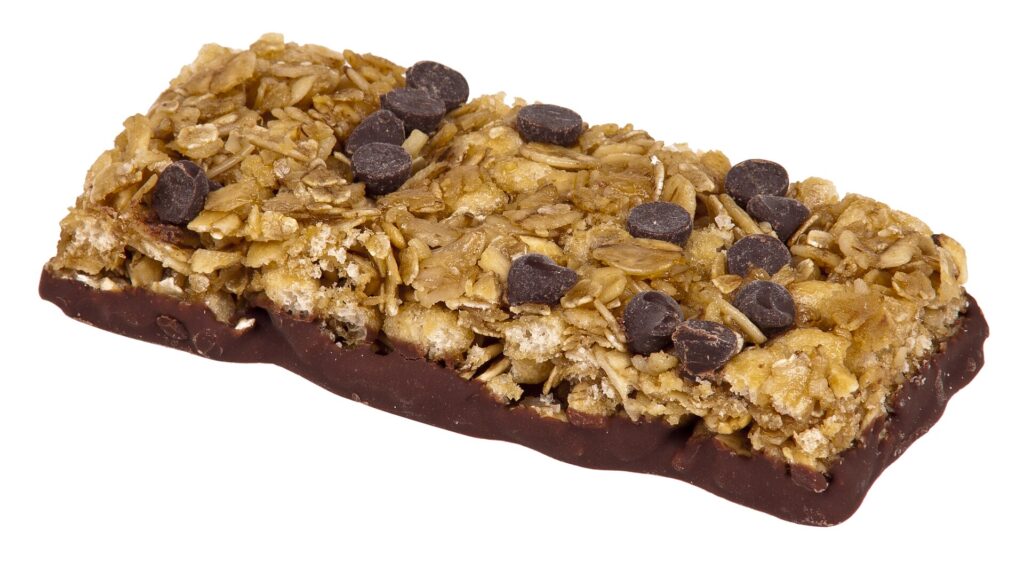
Melt a half cup of nut butter with a quarter cup of honey until smooth, then stir in two cups of rolled oats, a scoop of protein powder if desired, and a handful of mix-ins like chocolate chips or dried fruit. Press firmly into a lined pan and let it set at room temperature for two hours, or in the fridge for thirty minutes if it is available.
Once set and cut into bars, these keep well over a week in an airtight container on the counter, since the low moisture content and honey act as natural preservers. They travel in a bag or a pocket without melting or crumbling, which makes them the single most portable option on this list.
Doubling the batch the first time it is made costs almost no extra effort, since the mixing bowl and the pan are already out, and a double batch stretches comfortably across the full five days without needing to repeat the step midweek. Extra bars beyond the first week also freeze well, wrapped individually, for whichever week comes after this one.
Snack two: a jar that layers itself
Yogurt, granola, and fruit layered in a jar with a tight lid is genuinely make-ahead only if the granola goes in as its own separate top layer rather than mixed through, since granola left sitting in yogurt for days turns soft and loses the crunch that makes the combination worth eating.
Four jars made at once, refrigerated, and eaten across four mornings or afternoons uses a small, predictable footprint of fridge space, about the size of a shoebox, which is a reasonable ask even in a kitchen running on a mini fridge or a cooler.
Snack three: a container that travels without a fridge
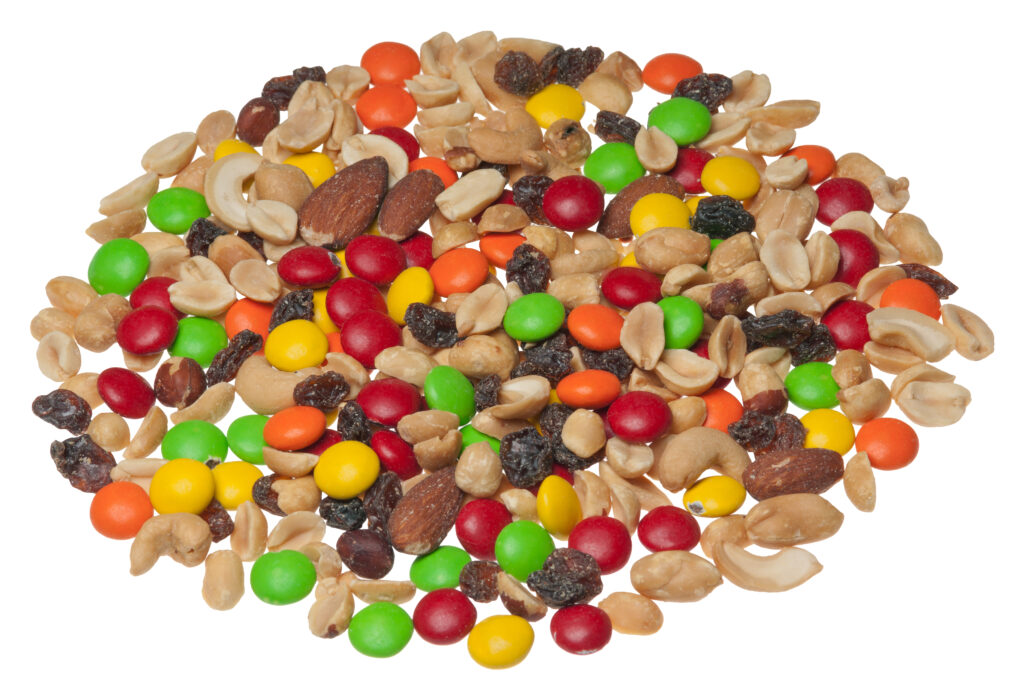
A homemade trail mix built from nuts, seeds, dried fruit, and a small amount of chocolate or yogurt-covered pieces needs no refrigeration at all and keeps for a month or longer in a sealed container, since none of its components are perishable on their own.
Portioning it into small bags or containers at the start of the week, rather than leaving it in one large bowl, keeps portions consistent and prevents the whole batch from getting picked through and left with only the least appealing pieces by Thursday.
A base ratio worth remembering is roughly equal parts by volume of nuts, dried fruit, and a crunchy grain element like pretzels or cereal, with a smaller portion of anything sweet like chocolate or yogurt-covered pieces mixed in last so it does not clump. This keeps the mix from tipping into being mostly candy, which is the usual failure of a trail mix built without any ratio in mind at all.
Snack four: the freezer option for week two
Frozen fruit and nut clusters, made by dipping banana slices or whole grapes in melted chocolate and freezing them on a tray before transferring to a bag, need only freezer space, which is often more available than fridge space during a chaotic week since a chest freezer or a garage freezer can absorb overflow that a kitchen fridge cannot.
These keep for about a month frozen and are eaten straight from the freezer with no thawing needed, which makes them useful specifically for the back half of a long renovation or moving stretch when the other three snacks may have already run out.
Because the freezer, unlike the fridge, is rarely the space contractors or movers need to access, it tends to stay usable even when every other part of the kitchen is out of commission. That makes it worth stocking a little heavier than usual during a week like this, since it may end up doing more work than it normally would.
What not to make ahead
Anything that needs reheating to taste right, like a warm dip or a baked good meant to be served hot, works against the entire point of this week and should be skipped in favor of the four above. Fresh-cut produce without a preservation step, like sliced apples or avocado, also does not belong on this list, since it browns and spoils within a day or two and needs a fridge slot that this week may not have to spare.
Anything perishable that will sit unrefrigerated for more than two hours at a stretch, which includes most dairy-based dips and fresh-cut fruit salads, is a food safety risk this particular week is more likely than usual to create, given how easily a cooler kitchen setup gets forgotten about for an afternoon. A busy, distracted household is exactly the setting where a forgotten container on the counter turns into a real problem rather than a minor annoyance, so it is worth erring toward the shelf-stable and freezer options whenever there is any doubt.
The fridge-space math when the kitchen is unusable
If the fridge itself is inaccessible, a small cooler with ice packs, refreshed daily, can hold the one refrigerated item on this list, the yogurt jars, without needing the main fridge at all. That is a small enough commitment of ice and space to manage even when the kitchen is genuinely offline.
For a week where even a cooler is impractical, three of the four snacks here, the bars, the trail mix, and the frozen clusters, cover a full week without touching refrigeration in any form, which is worth defaulting to entirely if the fridge situation is uncertain.
A five-day rotation, laid out
- Monday and Tuesday: protein bars for a portable, no-fuss option while the week is still being figured out
- Wednesday: the yogurt jar, if fridge or cooler space allowed for it
- Thursday: trail mix, especially useful if the day involves being away from the house
- Friday: frozen fruit clusters, straight from the freezer as a cool, low-effort treat to close the week
Frequently Asked Questions
Can I make all four snacks in one afternoon?
Yes, and doing so is more efficient than spreading them across the week, since several steps overlap. Melt the nut butter for the bars while chopping trail mix ingredients, and freeze the fruit clusters while the bars are setting on the counter.
How do I keep protein bars from crumbling in a bag?
Press the mixture firmly and evenly into the pan before it sets, and let it firm up fully before cutting, since bars cut too soon will not hold together as well. Wrapping each bar individually in parchment or wax paper also protects them from crumbling in transit.
Is trail mix actually healthy, or just convenient?
A homemade version built mostly from nuts, seeds, and dried fruit with a light hand on the chocolate is a reasonably balanced snack, higher in protein and healthy fats than most packaged snack foods. Portioning it prevents the mindless overeating that trail mix is otherwise prone to.
What if I don’t have a food processor or blender for any of this?
None of the four snacks here need one. All four are built by hand with a bowl, a spoon, and either a stovetop or microwave for melting, which is deliberate, since a construction or moving week is exactly when small appliances are most likely to be packed away or unreachable.
Can kids help make these?
Layering the yogurt jars and portioning trail mix into bags are both easy tasks for kids to help with, and doing so during a disruptive week gives them something normal and hands-on to do while the rest of the house is in disarray.
What if the power is also out, not just the kitchen unusable?
Trail mix and any bars already set are unaffected, since neither needs power to stay safe or edible. The yogurt jars and frozen clusters both depend on refrigeration, though, so lean entirely on the two shelf-stable options until power and a working fridge are back.
Make all four once, at the start, rather than trying to keep up with daily cooking that the kitchen cannot currently support. The time spent up front is the only time this week has to spare.