
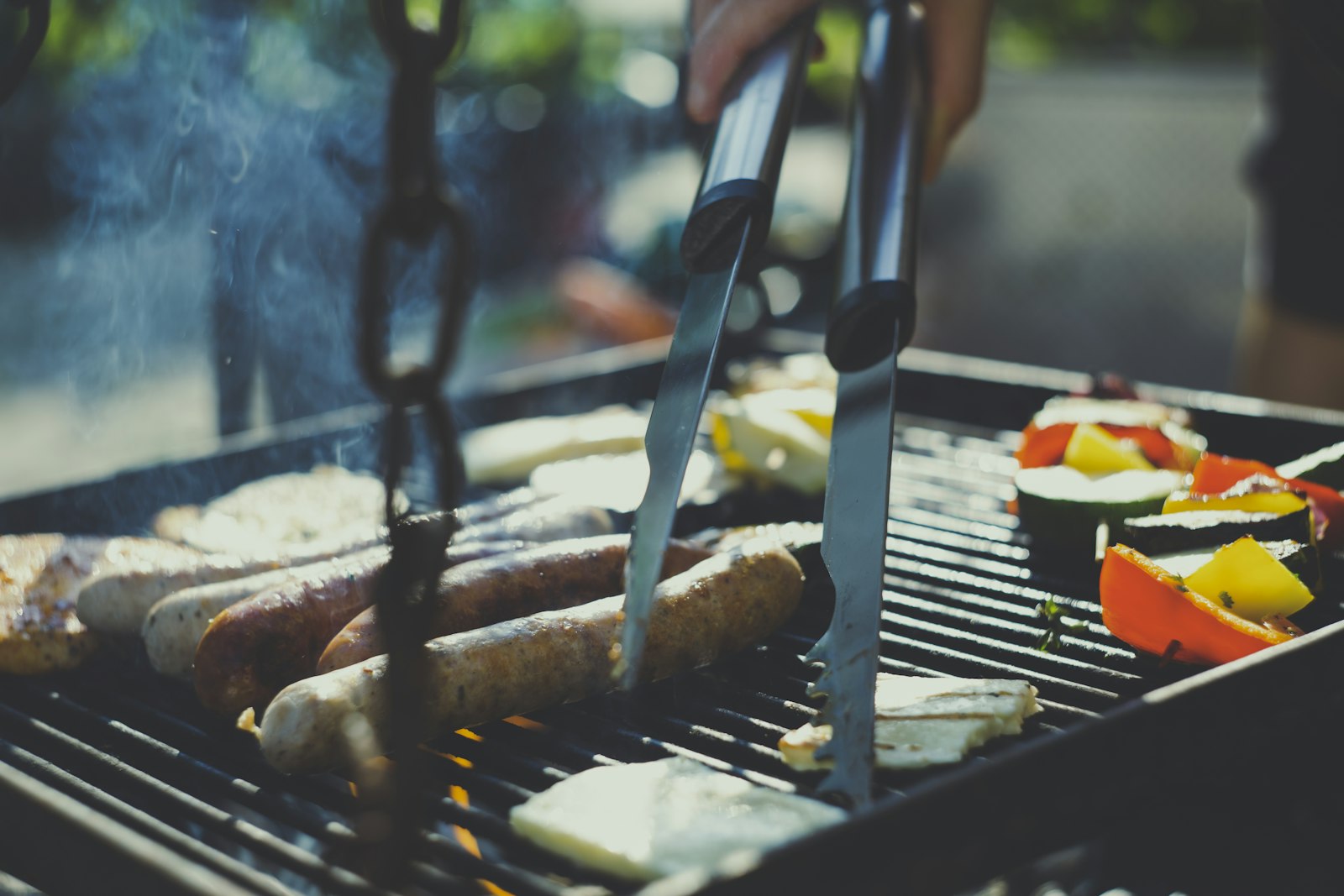
I have been grilling since I was old enough to be trusted with tongs, and I will still defend a well-made burger to anyone. But if the only thing you cook on your grill from June to September is a hamburger and the occasional hot dog, you are missing most of what the fire is good for. Grilling is a technique, not a menu, and the six things I want to talk about here are worth learning if you have a grill and a summer ahead of you.
None of this requires competition equipment or a five-hundred dollar smoker. A basic charcoal kettle or a decent gas grill will do everything below. What matters more than the hardware is understanding two heat zones, direct and indirect, and having the patience to let the grill actually get to the temperature you need before you put food on it.
Whole grilled fish, without the panic
Americans grill fish less than any other summer protein, and it is because we are afraid of it sticking. The fix is boring and works every time. Buy a whole fish that is roughly one pound (branzino, small snapper, black sea bass, or trout are all easy). Make sure the grill is clean and screaming hot. Oil the fish, not the grates. Season inside and out. Put it on the grill and do not touch it for four minutes. When it releases without tearing, flip. Four more minutes. Done.
The reason whole fish works better than fillets is the skin protects the flesh, the bones flavor everything, and you can tell doneness by looking at the eye (opaque and white) and the flesh at the thickest part (opaque, flakes easily). A stuffed cavity with lemon, herbs, and garlic is not optional in my kitchen. Serve with olive oil and salt. That is it.
Spatchcocked chicken over indirect heat
A whole chicken on the grill is one of the best summer meals and one of the most commonly ruined. The mistake is trying to grill it over direct flame like a burger, which burns the skin before the inside is cooked. The fix is to spatchcock it, meaning remove the backbone and press it flat, and cook it over indirect heat with the lid closed. Skin side down first for color, then flip.
A four-pound bird takes about 45 minutes at 400F on the cool side of the grill. Use a thermometer. Pull at 160F in the breast, tent, let it rest to 165F. Season simply the day before with salt so it can dry-brine in the fridge overnight. This produces the best grilled chicken most people have ever eaten, and it takes less active work than a stir fry.
Vegetables as the main course
Grilled vegetables are usually treated as a side, which is a mistake. A whole grilled eggplant charred until collapsed and served with tahini, lemon, and pita is dinner. So is a head of cauliflower rubbed with harissa, wrapped in foil, and cooked at 400F for an hour on indirect until a knife slides through. Corn, obviously. Zucchini split lengthwise, oiled, salted, and grilled until deeply marked, then finished with lemon and pecorino. Peppers charred until black, peeled, and dressed with garlic and vinegar.
The technique split is the same as with meat. Small, quick-cooking vegetables (zucchini, corn, asparagus, scallions) go over direct heat. Larger, denser ones (whole cauliflower, eggplant, sweet potato, cabbage wedges) go over indirect heat with the lid closed. Salt more than you think.
Reverse-seared steak, which is genuinely better
The reverse sear has been the recommended method for thick steaks in serious cooking media for over a decade, and it is still the best home method for anything two inches or thicker. Season the steak heavily with salt at least an hour ahead. Cook on the cool side of the grill with the lid closed until the internal temperature is about 115F for medium rare. Then move it to the hot side and sear both sides hard until the crust forms, one to two minutes per side. Rest five minutes.
The reason this works better than the traditional hard-sear-then-move method is that you get an even pink from edge to edge, not a gray band under a browned crust. It also gives you more time to react. You are not staring at a screaming pan hoping you did not overshoot. This is the technique that changes how thick steaks come out at home, permanently.
Flatbread on the grill
If you have never made grilled flatbread, this is the summer. A basic dough (three cups flour, a teaspoon of yeast, a teaspoon of salt, a cup of warm water, a splash of olive oil, mixed and rested for an hour) rolls out to whatever thickness you want. Direct heat, high, one to two minutes per side. It puffs, it chars in spots, and it is genuinely the best flatbread most people have ever eaten from home.
| Topping style | When to add | Notes |
|---|---|---|
| Plain, with olive oil and salt | Off the grill | Best with dips and grilled things |
| Za’atar and olive oil | Off the grill | Serve immediately |
| Cheese and tomato (like a thin pizza) | On the grill, second side up | Close the lid for 90 seconds |
| Grilled vegetables piled on top | Off the grill, dressed | Serve at room temperature |
Grilled fruit, actually as dessert
Grilled peaches with vanilla ice cream is not a novelty; it is one of the best summer desserts you can make in ten minutes. Halve, remove the pit, brush with a little neutral oil so they do not stick, grill cut side down over direct heat until you have deep marks, three or four minutes. Same technique works for apricots, plums, pineapple rings, and half figs. A pinch of salt on top before serving matters more than you think.
For something slightly more composed, grill halved peaches and serve with mascarpone whipped with a little honey, crushed amaretti cookies, and a shower of basil. Fifteen minutes of total work for a dessert that tastes like it took hours.
Frequently asked questions
Do I need charcoal to do any of this properly?
No. Every technique here works on a gas grill. Charcoal gives you slightly better flavor on the searing-heavy items and a proper direct-versus-indirect split with less fussing. If you already have gas, do not switch to charcoal to make dinner better. Learn to manage the burners you have.
How do I keep fish from sticking to the grates?
Three things: a clean, hot grill (scrape and preheat until you cannot hold a hand over the grates for more than a second), oil the food not the grates, and do not touch it. A fillet or a whole fish releases when it is ready. If it is sticking, it is not ready.
What is the difference between direct and indirect heat?
Direct heat means the food is right over the fire or burner and cooks fast at high temperature. Indirect heat means the fire is on the other side of the grill and the food cooks by convection with the lid closed, like an oven. Almost every large or thick item benefits from indirect first, then a direct sear.
How hot should my grill actually be for searing?
Hot enough that you can only hold your hand five inches above the grates for about two seconds. Most home grills reach this at their highest setting after ten to fifteen minutes of preheating with the lid closed. Undershooting the sear is the most common home grilling mistake.
Can I use a marinade or should I just salt and pepper?
Salt first, always, at least thirty minutes ahead and ideally the night before for chicken and thick cuts. Marinades add flavor but do not tenderize much in the ways people think. Use them if you want the flavor. Do not skip the salt because you used a marinade.
The short version
The grill is not just a burger machine. Whole fish, spatchcocked chicken, whole vegetables treated as the main event, reverse-seared thick steak, flatbread, and fruit for dessert are all things a basic backyard grill does better than your oven does. Pick one to try this weekend. In three summers, if you keep going, you will have added six real techniques to your repertoire, and you will never want to eat another sad grilled chicken breast again.