
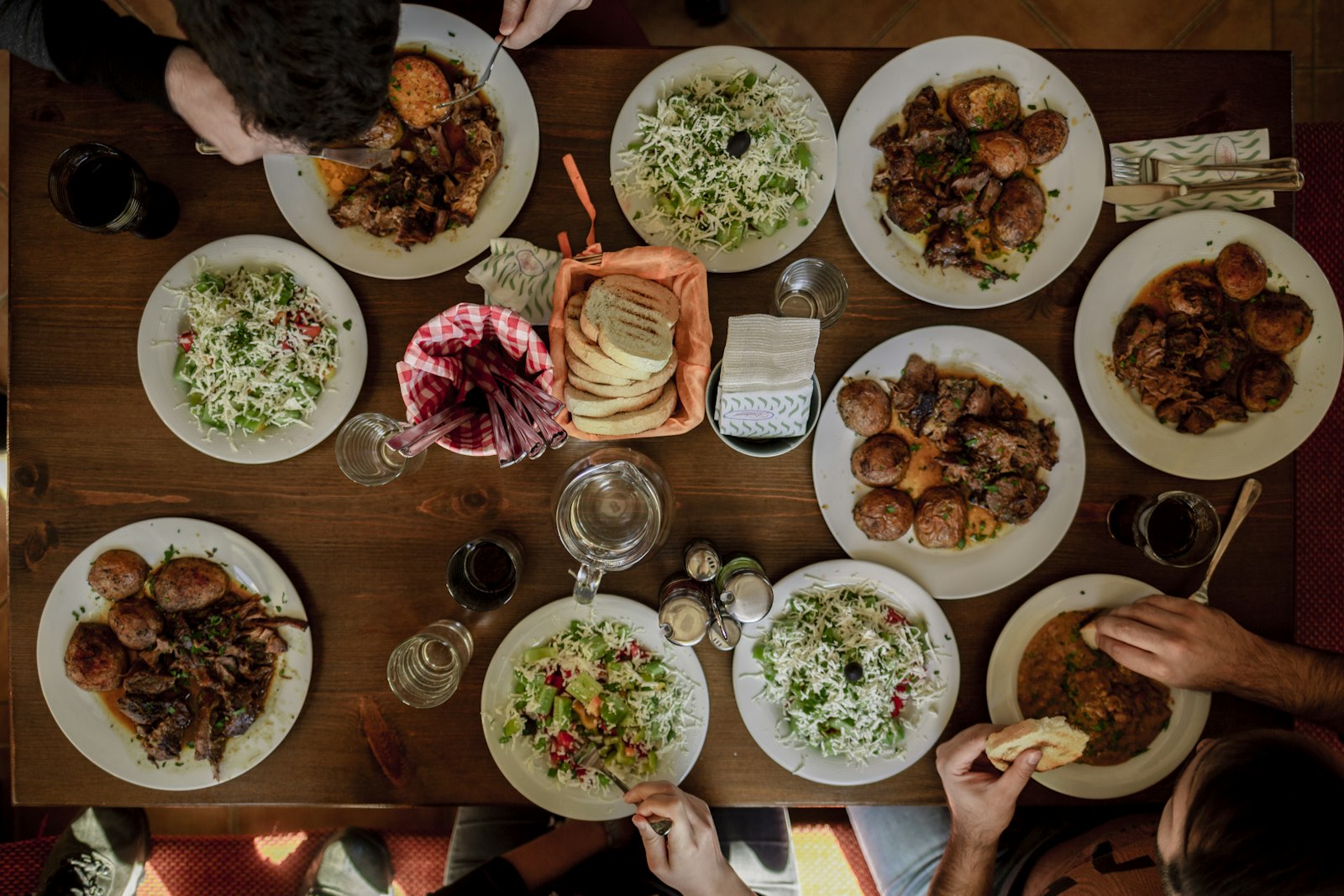
Home cooking looked different in 2020 than it does now. That is not a controversial statement — most things did. But the way home cooks have settled into weeknight habits five years past the initial pandemic surge is worth looking at closely. The pandemic-era enthusiasm for elaborate weekend projects, sourdough starters on every countertop, and hours-long dinner productions did not so much disappear as reshape. What replaced it is a different, arguably healthier pattern.
This piece looks at how weeknight home cooking has actually shifted over the past few years — what people cook, how long they spend, what equipment they rely on, and what has quietly become the dominant model. Based on surveys, sales data, and a lot of reading in food communities, a coherent pattern emerges.
From: elaborate weekend projects → sustainable weeknight rhythm
From: ambitious ingredient hunts → confident use of what’s on hand
From: restaurant-style presentation → dinner that actually gets eaten
From: everything from scratch → strategic use of good shortcuts
New default: 30–45 minutes, one skillet, real vegetables, thoughtful protein
The sourdough era: a useful memory
Between roughly 2020 and 2022, home cooking looked like a specific thing. Home bakers were maintaining starters. Instagram was full of croissant lamination attempts. Long fermented pizza doughs, pot roasts that took eight hours, restaurant-style plating at home — all of it enjoyed a moment. It was a genuine expression of interest in cooking, but it was also, for many households, unsustainable as a weekly practice.
What ended was not the interest in serious cooking. The interest is arguably stronger now than it was before the pandemic. What ended was the specific pattern of treating a Tuesday dinner as a project. The interesting sourdough loaf still gets baked, but usually on a weekend, and the weeknight is treated as a different kind of cooking with different goals.
What weeknight cooking looks like now
Based on published surveys from major kitchen retailers, cooking equipment sales patterns, and food-community discussions we track, a fairly consistent weeknight pattern has emerged in 2026 among cooks who take home cooking seriously.
Typical weeknight meal in 2026:
- Total time: 30–45 minutes, most of it hands-on
- One primary vessel (skillet, sheet pan, Dutch oven)
- A protein (often chicken thigh, ground meat, tofu, or beans)
- A meaningful vegetable component (not just a side)
- A starch, often something that reheats well
- A fresh element added at the end (herbs, citrus, quick pickled onion, yogurt)
The specific meal varies enormously, but the shape is remarkably consistent across cuisines and households. What binds them is a shift toward what might be called “confident weeknight cooking” — meals that reflect real skill without demanding elaborate execution.
The tools that stuck
Not every pandemic-era kitchen purchase held. Sales data and second-hand market traffic tell a clear story about what has become permanent and what has quietly been given away.
Kept and used regularly:
- Cast iron and carbon steel skillets (still growing category)
- Dutch ovens (10-inch capacity now common as second pot)
- Sheet pans (multiple sizes, aluminized)
- Instant Pot (settled into a stable niche; not the everyday tool it was pitched as, but useful)
- Immersion blenders (used far more than home cooks predicted)
- Fish spatulas (unexpectedly universal)
Faded from active use:
- Air fryers (still owned but used less; conversation shifted from “revolutionary” to “one useful appliance”)
- Sous vide equipment (retained by enthusiasts, receded from mainstream)
- Elaborate cocktail bars and syphon setups
- Complex bread proofing rigs
- Single-use gadgets purchased during 2020–2021 sprees
Ingredient patterns
Ingredient sourcing has stabilized around a smaller set of confident defaults. Home cooks in 2026 are less inclined to hunt down obscure ingredients for a single recipe and more inclined to use what they have well. The rise of “using up” as a value — cooking from the fridge, not from a shopping list — is one of the more interesting shifts.
Specific ingredient patterns worth noting:
- Yogurt has moved from breakfast to dinner ingredient. Full-fat plain yogurt as a marinade base, a sauce foundation, or a finish for roasted vegetables is now common in cuisines it did not traditionally belong to.
- Fermented pastes and sauces are pantry staples. Gochujang, miso, and various chile pastes appear in kitchens that would not have had them five years ago.
- Whole grains have normalized. Farro, barley, and quinoa are unremarkable weeknight ingredients now.
- Frozen vegetables have recovered some respectability. Home cooks are more comfortable using frozen peas, corn, or spinach without treating it as a compromise.
What the shift means for how we cook
The underlying change is that weeknight home cooking has become less about impressing anyone (including yourself) and more about producing meals that are genuinely worth eating. Photograph-worthy plating has receded. Confident, casual food has taken its place. This is not lower standards — arguably the opposite — but a different kind of ambition.
The other visible shift is toward cooking that respects the constraint of a weeknight. Meals that take 45 minutes are meant to actually take 45 minutes, including cleanup. Recipes that require pre-planning three days in advance are for weekends. Home cooks have become better at recognizing which projects belong to which occasion.
The strategic shortcut
One of the more interesting evolutions is the return of the strategic shortcut. Rotisserie chicken, quality store-bought pasta sauce, pre-made pizza dough, canned beans, boxed broth, frozen puff pastry — home cooks are more willing to combine these with fresh, home-prepared elements to build a real meal quickly. Nobody is pretending this is scratch cooking, but the meals are better than either full-scratch on a Tuesday (unrealistic) or fully-prepared meals (usually worse).
The willingness to blend prepared and scratch elements without embarrassment feels like a mature stage of home cooking rather than a compromise.
What has grown, quietly
Several things have grown despite not making headlines:
- Home baking as an ongoing practice — quiet, steady, not trending but not receding either.
- Home fermentation of small things — quick-pickled vegetables, small-batch hot sauces, sauerkraut. Nothing fancy, just a jar going in the fridge.
- Cooking whole vegetables well — braised leeks, roasted whole cauliflower, charred cabbage. Vegetables treated as centerpiece rather than side.
- Real coffee at home — home espresso setups, careful pour-over, better beans. This is arguably the enduring pandemic-era shift most people forget.
What has receded, quietly
And several things have quietly stepped back:
- The elaborate weeknight menu of 3–4 components.
- Serious weeknight baking.
- Home cocktail programs of any complexity.
- Dinner parties held on weeknights.
- Bread-making as a weekly project (moved to weekends for most).
None of these have disappeared, but they have moved to the weekend or to special occasions rather than weeknight defaults.
Frequently asked questions
Are home cooks cooking less than during the pandemic?
Not really. What has changed is the shape of cooking, not the volume. Weeknight cooking is more streamlined, but meals cooked at home per week have stayed roughly steady. The weekend project is smaller and less frequent, but everyday cooking is more confident.
Is it still worth investing in serious cookware?
Yes. Cast iron, carbon steel, a good Dutch oven, sheet pans, and a chef’s knife you keep sharp are still the foundation. These are the tools sales data suggests home cooks are actually using every week.
Have air fryers really fallen out of favor?
Not exactly. They are still widely owned and used regularly for specific tasks (frozen foods, quick vegetable roasting for small portions). What has changed is the conversation around them — they are no longer treated as revolutionary. Just another useful appliance.
What is the most common weeknight cuisine now?
No single dominant answer, but “vaguely Mediterranean” continues to lead — chicken and vegetables, olive oil, lemon, garlic, feta, chickpeas, various herbs. Behind that, casual Asian-influenced cooking (stir-fries, rice bowls, noodle dishes) and simplified Mexican/Tex-Mex round out the everyday rotation.
Is meal prep still common?
Yes, but the elaborate 5-day-of-identical-meals style has faded. What is common now is component prep — cooking grains, protein, and a vegetable on Sunday and assembling different meals from those components through the week. It is more flexible and more sustainable.
What is the single biggest shift you have noticed?
The rise of confident, unshowy weeknight cooking. Food that gets eaten happily on a Tuesday, without photography, without production, but genuinely well-made. It is arguably the healthiest state home cooking has been in.
The short version
Weeknight home cooking in 2026 is more confident, more streamlined, and less production-oriented than it was three years ago. The pandemic-era enthusiasm for elaborate projects moved to the weekend; the weeknight became a place for real, well-made meals that respect the constraint of time. Fewer gadgets, better use of pantry staples, strategic combination of scratch and prepared elements, and vegetables treated as centerpiece rather than side. It is arguably the healthiest shape home cooking has had in a long time.