
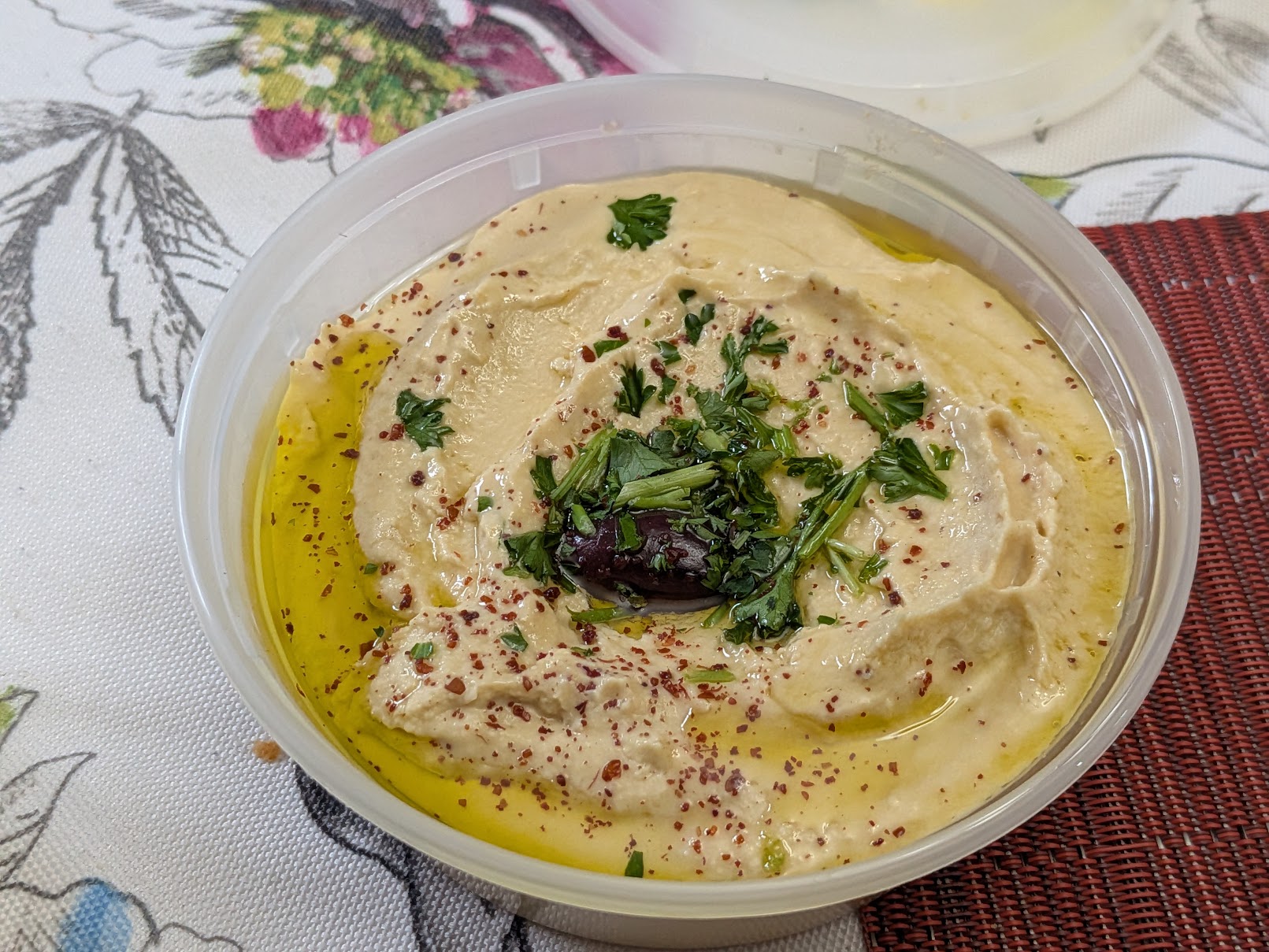
The jar of tahini in the back of the cupboard is either empty, gone bitter, or was never bought in the first place, and a can of chickpeas is sitting on the counter with nowhere to go. Tahini gives hummus its characteristic bitterness and its extra creaminess, but it is not the ingredient doing the actual work of turning chickpeas into a dip. That work is texture and fat, and three other pantry items do it perfectly well.
Sunflower seed butter, Greek yogurt, and plain olive oil were blended into the same base recipe, same chickpeas, same garlic, same lemon, changing only the one ingredient each time. The three results are not identical, and which one is right depends on what the hummus is actually for: a school lunch, a party bowl, or a spread that needs to survive four days in the refrigerator.
None of the three is a compromise dressed up as a substitute. Each is a legitimately different dip, and one of them is closer to traditional hummus than most people expect.
- Sunflower seed butter: closest flavor match to tahini, similar cost
- Greek yogurt: lightest, tangiest, highest protein per serving
- Plain olive oil: cheapest, mildest, needs the most seasoning
- Base: one 15-ounce can chickpeas, one clove garlic, one lemon, per version
- Best for lunchboxes: the yogurt version, four days refrigerated
- Cost per batch: roughly $2 to $2.50 for any of the three
What tahini is actually doing in hummus
Tahini is ground sesame seed paste, and in hummus it contributes two things: fat, which smooths the texture and carries flavor, and a slightly bitter, nutty note that balances the chickpea’s starchiness. Neither of those jobs requires sesame specifically.
Any sufficiently fatty, sufficiently smooth ingredient can take over the texture job. The flavor job is more particular, since tahini’s bitterness is unusual and not every substitute reproduces it, which is exactly where the three versions here start to diverge from each other.
What none of the substitutes need to do is replace tahini’s allergen profile. Sesame is a common allergen, and a hummus made without it is a real option for anyone avoiding sesame specifically, not just anyone who ran out.
Three versions, blended side by side
| Version | Texture | Flavor | Cost per batch |
|---|---|---|---|
| Sunflower seed butter | Very smooth, slightly thick | Nutty, mildly bitter, closest to tahini | About $2.50 |
| Greek yogurt | Light, airy, less dense | Tangy, bright, less rich | About $2.00 |
| Plain olive oil | Smooth but thinner | Mild, needs more salt and lemon | About $2.25 |
Each was made in a food processor with one 15-ounce can of drained chickpeas, one clove of garlic, the juice of one lemon, half a teaspoon of salt, and a quarter cup of the swap ingredient, blended for a full two minutes and scraped down twice. Water was added a tablespoon at a time at the end to reach a scoopable consistency, since the three bases absorb liquid differently.
Sunflower seed butter: the closest match
Sunflower seed butter has a similar fat content to tahini and a comparable natural bitterness, which is the flavor note most people associate with hummus without being able to name it. Swapped in at the same quarter-cup measure, the result is close enough to traditional hummus that a blind taste would likely miss the swap entirely.
It blends into a very smooth, slightly thick base and holds its texture well over several days refrigerated, similar to how tahini behaves. The main difference is a faint sweetness at the finish that tahini does not have, since sunflower seeds carry more natural sugar than sesame.
Cost runs close to tahini itself, sometimes slightly less depending on the brand, which makes this the version worth reaching for when the goal is a nut-free, sesame-free hummus that still tastes like hummus rather than a different dip entirely.
Greek yogurt: lighter, tangier, more protein
Greek yogurt in place of tahini produces a noticeably different dip: lighter in both texture and color, tangier from the yogurt’s natural acidity, and less rich since yogurt carries far less fat than tahini or sunflower seed butter at the same volume.
It is also the highest-protein of the three versions by a real margin, since a quarter cup of Greek yogurt adds close to six grams of protein on top of what the chickpeas already provide, which matters for anyone building a snack specifically around protein per bite for a lunchbox.
The tradeoff is that yogurt hummus separates slightly faster in the refrigerator, releasing a thin layer of liquid on top after a couple of days. A quick stir brings it back together and it is not a sign the batch has gone bad, but it is worth knowing before packing it somewhere it cannot be stirred before eating.
Plain olive oil: the cheapest, most neutral base
Olive oil alone produces the mildest of the three, since it contributes fat and smoothness but no distinct flavor of its own. That neutrality is useful for anyone who wants the swirl of good olive oil on top to be the dominant flavor note, but the base itself needs more help to taste finished.
This version needs roughly 50 percent more salt and lemon than the other two to reach the same level of seasoning, since there is no bitter or tangy background flavor doing any of that work on its own. Skipping that adjustment is the most common reason an olive-oil hummus tastes flat compared to the traditional version.
It is also the version that thins out fastest with extra water, since oil does not hold water the way a seed butter or yogurt does, so add water in smaller increments than the recipe suggests and stop sooner than expected.
Which one holds up in a lunch container
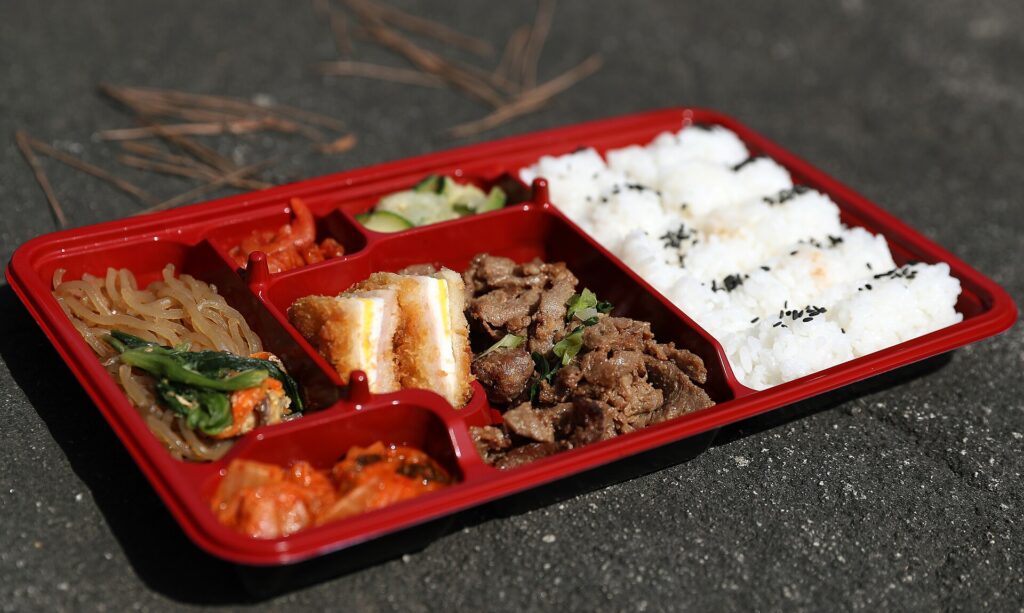
The yogurt version keeps four days refrigerated in a sealed container before the texture change becomes noticeable, and the flavor stays bright rather than turning bland, which is common with dips that lean heavily on raw garlic.
The sunflower seed butter version keeps closest to a week, holding its texture the longest of the three because of its higher fat content, similar to how traditional tahini-based hummus behaves in the refrigerator.
The olive oil version is the shortest-lived of the three at about three days, since the thinner texture makes any separation more visible and the milder base flavor fades fastest. None of the three should sit unrefrigerated for more than two hours at a picnic or a packed lunch that is not kept cold, since a bean and dairy or oil dip is not shelf-stable at room temperature regardless of which base it uses.
The raw garlic problem, and how to soften it
Raw garlic blended into hummus gets sharper, not milder, over the first day in the refrigerator, which is the opposite of what most people expect and the reason a batch that tasted balanced on day one can taste harsh by day three.
Blanching the garlic clove in boiling water for 60 seconds before adding it mellows this considerably without losing the garlic flavor entirely, and it is a step worth taking for any batch meant to last more than a day or two.
Anyone making a larger batch with several cloves for convenience should also know that garlic blended into an oil-based dip and left at room temperature for an extended period is not a safe way to store it; keep it cold, in the refrigerator, and treat the shelf life above as a real limit rather than a suggestion.
Adjusting seasoning for whichever base you pick
- Sunflower seed butter: season as written, taste before adding extra salt
- Greek yogurt: add lemon in smaller increments, since yogurt is already tangy
- Plain olive oil: increase salt and lemon by about half again
- All three: a pinch of cumin and a pinch of smoked paprika round out any version
Taste after the full two minutes of blending rather than partway through, since the flavors of chickpea, garlic, and lemon continue to combine as the mixture warms slightly from the processor blade.
What to serve alongside each version
The sunflower seed butter version pairs naturally with the same pita, cucumber, and olive spread that traditional tahini hummus usually shows up with, since its flavor profile sits close enough to the original that swapping the accompaniments would be unnecessary work.
The Greek yogurt version, being lighter and tangier, works well next to raw vegetables and grilled chicken, where its brightness cuts through richer foods rather than competing with an already rich pita and olive spread. It also holds up as a sandwich spread in place of mayonnaise, which is a use the other two versions handle less gracefully given their thicker, denser texture.
The olive oil version, being the mildest, benefits from a bolder pairing: a spicy roasted vegetable, a generous scatter of paprika, or a swirl of the same chili crisp that shows up elsewhere in a well-stocked pantry, which gives the base something to contrast against rather than asking it to carry the whole plate on its own.
Peeling the chickpeas: worth it or not
The thin skin on a chickpea is what makes traditional tahini hummus feel grainy if it is skipped, and the same is true for all three substitute versions here. Rubbing drained, rinsed chickpeas in a clean towel and picking out the loosened skins takes about five minutes for a single can.
It matters more for the olive oil version than the other two, since that base has the least fat to smooth over any remaining texture. The yogurt and sunflower seed versions hide a slightly grainy chickpea somewhat better.
Skipping this step entirely still produces a perfectly edible hummus, just a texture closer to a bean dip than the silky version served in a restaurant, which is a reasonable tradeoff on a weeknight when five minutes matters more than smoothness.
Scaling any of the three up for a party
Doubling or tripling a batch of hummus without tahini works cleanly for all three versions, since none of them relies on a delicate ratio the way a baked good does. Multiply the chickpeas, garlic, lemon, and swap ingredient by the same factor, and hold back on the salt slightly, tasting and adding more at the end rather than scaling it in a straight line.
A food processor has a real capacity limit, and a tripled batch often needs to be blended in two rounds rather than one, since chickpeas packed too densely around the blade stop moving and blend unevenly. Two smaller batches combined afterward blend more smoothly than one overloaded one.
For a party where the exact base matters less than having enough dip on the table, the olive oil version scales the most economically of the three, since a jar of chickpeas and a bottle of olive oil both cost less per batch than sunflower seed butter or a large tub of Greek yogurt bought specifically for the occasion.
Whichever version gets scaled up, keep it refrigerated until close to serving and bring it out only as guests start arriving, following the same short room-temperature window that applies to the smaller batch.
Frequently Asked Questions
Which version tastes most like real hummus?
Sunflower seed butter, by a clear margin. It shares tahini’s fat content and its mild bitterness, so the finished dip is close enough that most people cannot identify the swap without being told.
Can I use peanut butter instead of tahini?
You can, and it works, but plain peanut butter reads distinctly as peanut butter rather than as hummus. It is a fine dip in its own right; it is not really a hummus substitute the way sunflower seed butter is.
Is yogurt hummus a good option for someone avoiding dairy?
No, obviously, since it is built on dairy. The olive oil and sunflower seed versions are both fully dairy-free options and either one works for that constraint.
Why is my olive oil version too thin?
Too much water added too quickly. Oil does not thicken the way tahini, seed butter, or yogurt does, so add water in half-tablespoon increments and stop sooner than the recipe suggests.
Do any of these need to be strictly low sodium?
Not by default, though all three can be adjusted down for anyone tracking sodium closely, since none relies on a salty base ingredient the way a store-bought dip often does. Reducing the added salt by half and leaning on lemon and cumin instead keeps the flavor from going flat, in the same spirit as most lower-sodium swaps that trade salt for acid.
Make a small batch of each with whatever is already in the kitchen this week, taste them side by side, and the choice usually settles itself faster than reading about it does.