
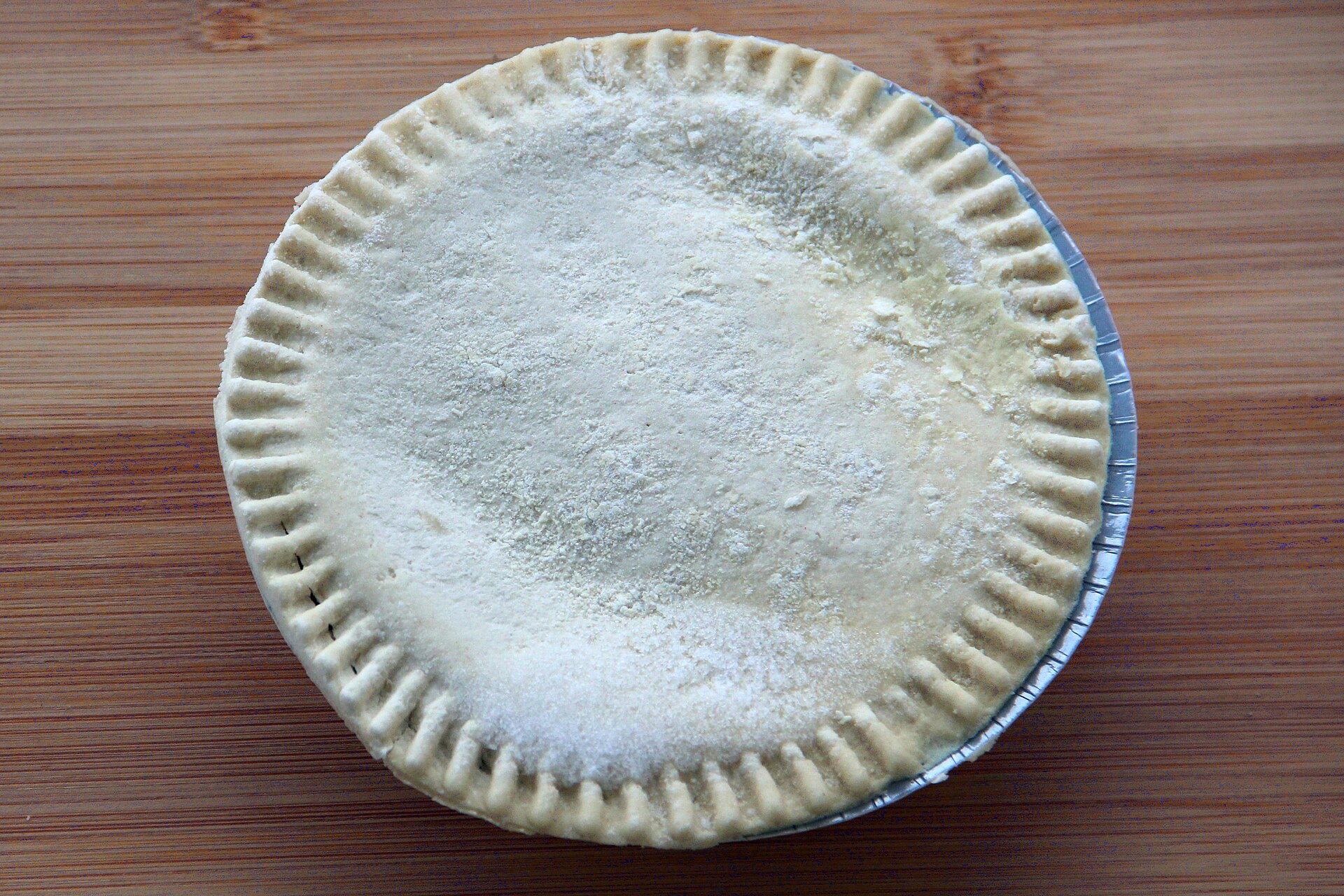
Pie day and every other cooking task on a holiday menu compete for the same oven, the same counter space, and the same hours, and pie usually loses that fight to a fourteen-pound bird that cannot be rescheduled. The dessert that could have been made two calm weeks ahead instead gets squeezed into the one afternoon that has none to spare.
It does not have to be squeezed in at all. Several kinds of pie freeze well enough, baked and fully cooled, that making them two weeks ahead produces a dessert nearly indistinguishable from one baked the same morning, once it has been through a short reheat.
The trick is knowing which pies belong on that list and which do not, since freezing helps some fillings and quietly ruins others. Getting that sorting right up front is what makes this a genuine time-saver rather than a gamble.
There is also a real benefit beyond the calendar. A pie baked two weeks ahead, in a quiet kitchen with no other dish competing for oven time, tends to come out better than one squeezed in between side dishes on the busiest afternoon of the year, simply because it gets full attention rather than being watched out of the corner of an eye while six other things happen at once.
- Freezes well: fruit pies, pecan pie, pumpkin pie
- Does not freeze well: cream pies, meringue-topped pies, custard pies with a delicate set
- How far ahead: up to 2 months, though 2 weeks keeps quality highest
- Wrap: plastic wrap directly on the pie, then a layer of foil
- Thaw: overnight in the refrigerator, never at room temperature
- Reheat: 300 degrees until the crust re-crisps, about 20 to 25 minutes
Three pies that freeze well and why
Fruit pies freeze exceptionally well because their filling is built from fruit, sugar, and a thickener, all of which hold their structure through freezing and thawing with minimal change to texture. Apple, cherry, and berry pies in particular come back from the freezer close to their original quality once reheated.
Pecan pie freezes well for a related reason: its filling is a dense, low-moisture custard built mostly from eggs, sugar syrup, and nuts, none of which separate or weep significantly when frozen. Pumpkin pie freezes reasonably well too, though its higher water content from the pumpkin puree means the texture can turn very slightly grainy on thawing, a difference most people do not notice once the pie is served with whipped cream.
Berry pies specifically benefit from one extra precaution: a slightly thicker layer of cornstarch or flour than a recipe might use for a same-day pie, since a small amount of extra thickening power compensates for the additional liquid that berries release as ice crystals form and then melt during the freeze-thaw cycle. This single adjustment is often the difference between a filling that holds its shape when sliced and one that runs across the plate.
Can you freeze pie? Yes, if you follow this
The short answer is yes for the pies above, with three conditions that matter more than anything else: the pie needs to be fully cooled before wrapping, wrapped tightly enough to prevent air contact, and thawed slowly in the refrigerator rather than rushed at room temperature. Skipping any one of these three steps is where most freezer pie disappointments come from, not the freezing itself.
Baking two weeks ahead specifically, rather than pushing all the way out to the two-month limit some sources cite, keeps quality closest to fresh while still buying real breathing room in the week before a holiday. The extra time up to two months is a genuine option when schedules demand it, just with a slightly more noticeable quality trade-off.
Labeling the wrapped pie with its contents and the date it went into the freezer, directly on the foil with a marker, removes any guessing later about which pie is which or how long it has actually been frozen, a small step that matters more than it seems like it would once several holiday items are stacked together in the same freezer.
Which fillings survive freezing and which weep
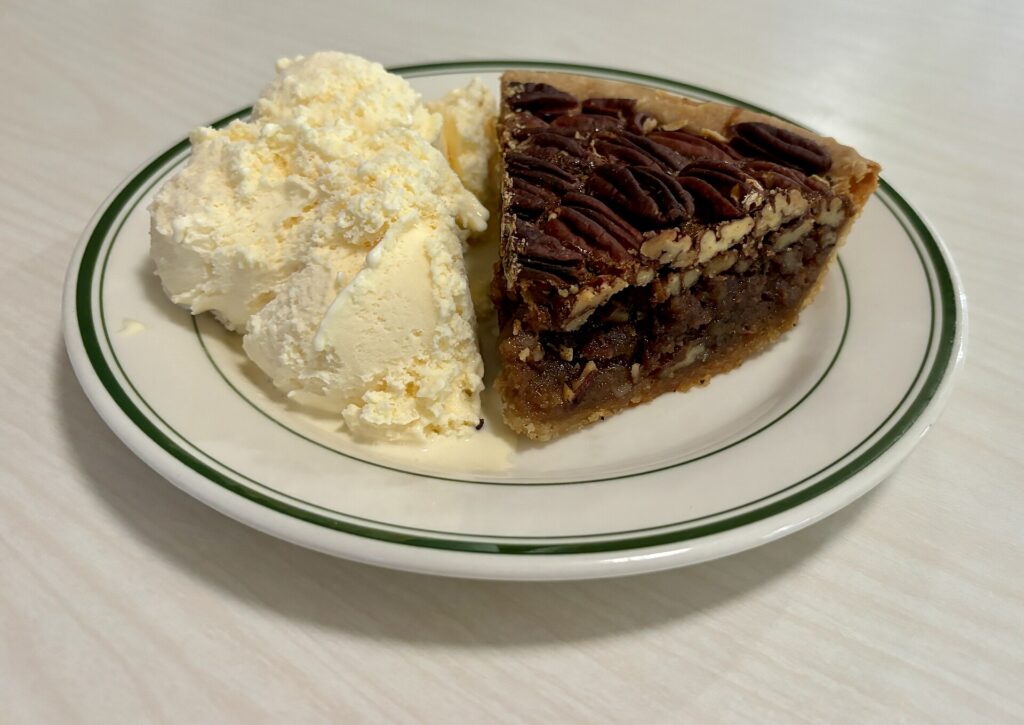
Fillings that survive freezing well share a low free-water content, meaning the liquid in them is bound up in a gel, a custard, or a thick syrup rather than sitting loose and ready to separate out. Fruit pie fillings thickened properly with cornstarch or flour, pecan pie’s syrup-bound filling, and pumpkin’s egg-set custard all fall into this category.
Cream pies and pies topped with meringue are the ones that weep and separate badly after freezing, since whipped cream and meringue are both built on trapped air structures that collapse once ice crystals form and then melt, releasing liquid the filling cannot reabsorb. These are best made fresh, close to serving, rather than added to a freezer rotation.
Baked versus unbaked: freezing at each stage
| Stage frozen | Works well for | Notes |
|---|---|---|
| Fully baked, cooled | Fruit, pecan, pumpkin | Reheat before serving for best texture |
| Unbaked, assembled | Fruit pies specifically | Bake from frozen, adding 15 to 20 extra minutes |
| Crust only, unbaked | Any pie | Most flexible option, fill fresh later |
Freezing an unbaked fruit pie and baking it straight from frozen actually produces a better bottom crust than baking, cooling, freezing, and reheating does, since the crust never goes through a second heating cycle that can toughen it slightly. This option does not work as well for pecan or pumpkin, since their egg-based fillings need a more controlled initial bake.
The wrap that actually prevents freezer burn
A layer of plastic wrap pressed directly against the pie’s surface, followed by a second layer of aluminum foil wrapped snugly around the entire pie plate, is the combination that best blocks the air exposure responsible for freezer burn. Plastic wrap alone lets in more air over a multi-week freeze than most people expect, and foil alone can tear or loosen over time, letting air in around the edges.
For a pie plate without a lid, sliding the wrapped pie into a large freezer bag with the air pressed out before sealing adds a third layer of protection, particularly useful for a freezer that gets opened frequently, since temperature fluctuations from a busy freezer door accelerate freezer burn more than a freezer that stays consistently cold.
How far ahead is too far ahead
Two months is the generally cited outer limit for a frozen baked pie holding reasonable quality, though flavor and texture noticeably start to decline in the final few weeks of that window, particularly for pumpkin, which is the most water-heavy of the three pies on this list. Two weeks ahead is a sweet spot that buys meaningful breathing room before a holiday without pushing into that quality decline.
An unbaked pie crust alone, without any filling, freezes with almost no quality loss for up to three months, since it has none of the moisture-related issues a filled and baked pie eventually develops. This makes a frozen crust the most forgiving option for anyone uncertain how far in advance they will actually get to the rest of the pie.
A frozen unbaked crust can go straight from the freezer into a pie plate and be filled without a separate thaw step in most cases, since a cold crust actually holds its shape better during the initial minutes of baking than a fully thawed one does. This makes it a genuinely flexible middle ground between freezing nothing ahead and committing to a fully baked and frozen pie.
What a frozen pie looks like when it comes out wrong
A pie that was wrapped while still slightly warm, rather than fully cooled first, traps condensation inside the wrap that turns to ice crystals in the freezer and then to unwanted extra moisture on thawing, softening the crust noticeably more than a pie that went in fully cold. Patience at the cooling stage, waiting a full two to three hours rather than rushing to the freezer, prevents most of this problem before it starts.
A pie frozen without enough wrap layers, or with a poor seal around the edges of the pie plate, develops visible ice crystals and a grayish, dried-out patch on the exposed filling, a clear sign of freezer burn that no amount of careful reheating fully reverses, though the unaffected portions of the pie remain perfectly fine to eat.
Thawing without a soggy bottom crust
Thawing overnight in the refrigerator, still wrapped, rather than at room temperature, keeps the crust from absorbing excess condensation that forms faster during a rapid room-temperature thaw. A slow, cold thaw also keeps the filling from warming into the temperature range where bacteria multiply quickly before it has a chance to be reheated properly.
Unwrapping the pie partway through its refrigerator thaw, once it is no longer frozen solid, allows any surface condensation that has already formed to evaporate rather than sitting trapped against the crust under plastic wrap for the remainder of the thaw.
The reheat that restores a crisp bottom
A low oven, around 300 degrees, for twenty to twenty-five minutes restores most of the original crust crispness that a freezer thaw softens, more effectively than a microwave, which leaves the crust soft throughout with no browning at all. Placing the pie directly on the oven rack or on a preheated baking sheet, rather than a cold sheet pan, helps the bottom crust recrisp specifically, not just the top.
Tenting the edges of the crust with foil during reheating prevents them from over-browning before the center of the pie has fully warmed through, a particular risk for a pie that already has a well-browned crust from its original bake.
What never goes in the freezer
Any pie with a whipped cream, meringue, or gelatin-set filling belongs on a strict do-not-freeze list, since all three structures depend on trapped air or a delicate gel network that freezing physically destroys. A key lime pie with a meringue top, a banana cream pie, or a no-bake cheesecake-style pie should all be made close to serving rather than added to a two-week-ahead freezer plan.
Custard pies with a very soft, delicate set, distinct from pumpkin’s firmer custard, also tend to weep noticeably on thawing and are safer made fresh unless a slightly looser texture after reheating is an acceptable trade-off.
A two-week countdown for pie day
- Two weeks out: bake and fully cool the pie, then wrap and freeze it
- Two days out: move the pie from the freezer to the refrigerator to begin thawing
- The morning of: unwrap partway to let any surface condensation evaporate
- An hour before serving: reheat at 300 degrees for 20 to 25 minutes
- Just before serving: add any fresh toppings like whipped cream, which should never be frozen with the pie itself
Frequently Asked Questions
Can I freeze a pie with a lattice top crust?
Yes, a lattice top freezes and reheats just as well as a solid top crust, though the exposed strips of dough can dry out slightly faster during a long freeze. Wrapping carefully to avoid pressing plastic wrap directly onto the raised lattice pattern helps preserve its shape.
Is it safe to refreeze a pie that has already thawed?
It is not recommended for quality or food safety reasons once a pie has fully thawed and been reheated. If only partially thawed and still cold throughout, refreezing is technically possible but results in a further decline in texture, particularly for pumpkin filling.
Does freezing affect the taste, not just the texture?
Flavor holds up better than texture through freezing, generally, though very long freezer storage past the two-month mark can pick up a faint freezer taste, especially if the wrap was not fully airtight. This is more of a texture and moisture issue than a true flavor change in most cases.
Can I freeze individual slices instead of a whole pie?
Yes, and it is a practical option for a smaller household, wrapping each slice individually in plastic and foil. Individual slices thaw faster than a whole pie, useful for grabbing a single portion without committing the entire pie to a thaw cycle.
What is the best pie to start with if I have never frozen one before?
Apple pie is the most forgiving first attempt, since its filling is the most freeze-stable of the common holiday options and any minor texture change is the least noticeable once the pie is reheated and served warm.
Bake the fruit, pecan, or pumpkin pie two weeks out, wrap it properly, and pie day becomes a twenty-minute reheat rather than a race against the oven the turkey already needs.