
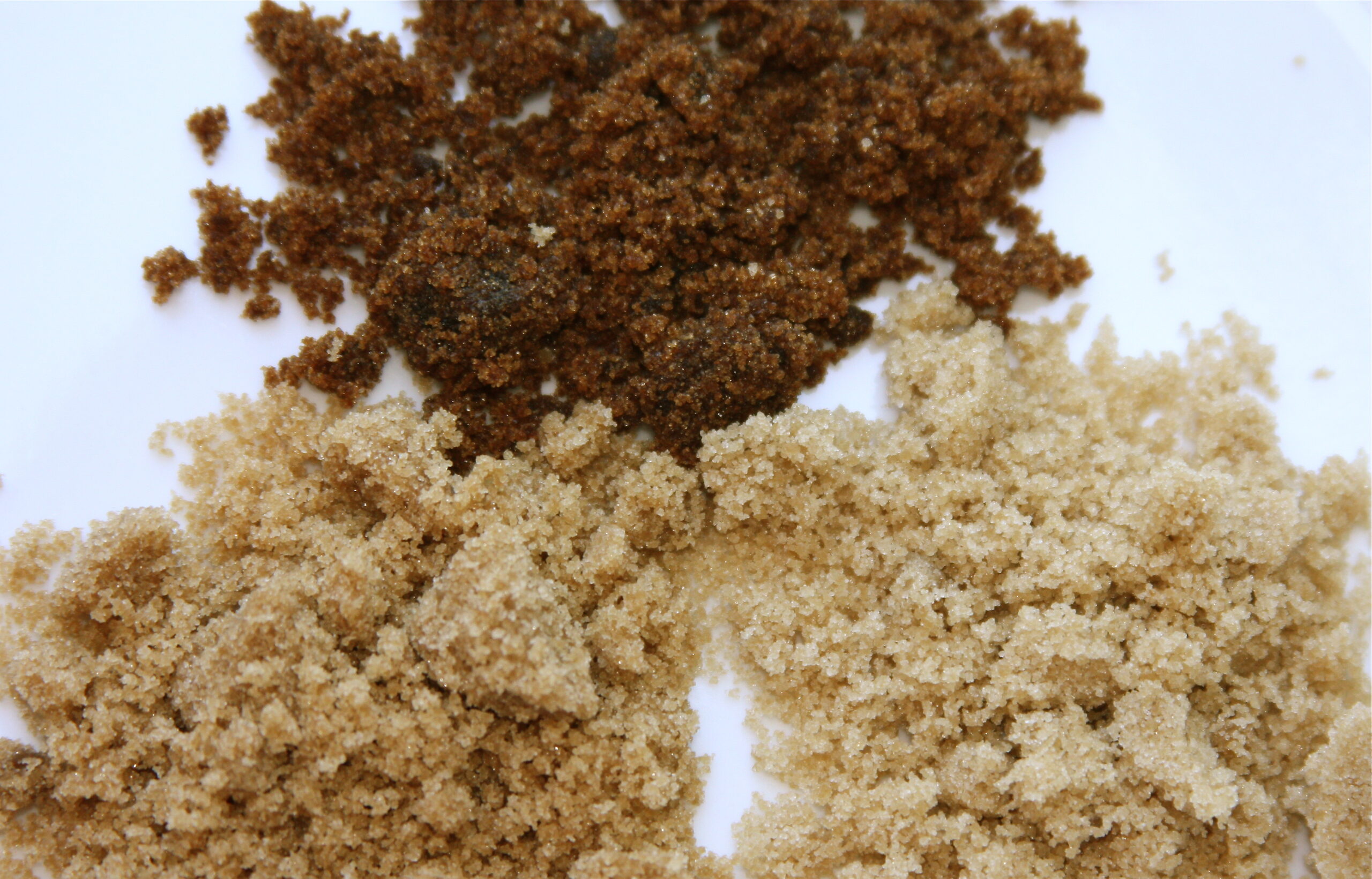
A bag of brown sugar goes from scoopable to a single solid brick in about three weeks on an open shelf, and it happens whether the bag is store-brand or the expensive kind. The sugar itself is not going bad. It is losing water to the driest thing nearby, which is usually the air in the pantry, and once enough water leaves, the sugar crystals lock together into one dense lump.
The fix that actually works in the next ten minutes is different from the fix that stops it from happening again, and most people only know the first one. A damp paper towel and a microwave save tonight’s recipe. A sealed container with something moist inside saves every bag after this one.
Both matter, and neither is complicated once the reason behind the hardening is clear. Brown sugar is just white sugar with molasses added back in, and molasses is what’s holding the water that keeps the whole thing soft.
- Why it hardens: molasses loses moisture to dry air, crystals bond together
- Fastest fix: 10 to 20 seconds in the microwave with a damp paper towel over the bowl
- Overnight fix: a slice of bread or an apple wedge sealed in the bag
- Permanent fix: an airtight container with a terracotta disc or brown sugar bear
- What not to do: leave the original bag open, folded over with a clip
Why brown sugar turns hard so much faster than white
White sugar is nearly pure sucrose crystal and holds almost no water, so it has little to lose and stays loose for years in a cabinet. Brown sugar is white sugar coated in molasses, and molasses is roughly a fifth water by weight, which is exactly what gives brown sugar its soft, clumpable texture straight out of a fresh bag.
Once that bag is opened, the molasses starts giving up its water to whatever air around it is drier, which is almost always the case in a climate-controlled kitchen. As the water leaves, the sugar crystals that were coated and separated by moist molasses start touching directly and bonding to each other, and a few weeks of that turns a soft mound into a single dense block.
How to soften brown sugar in the next ten minutes
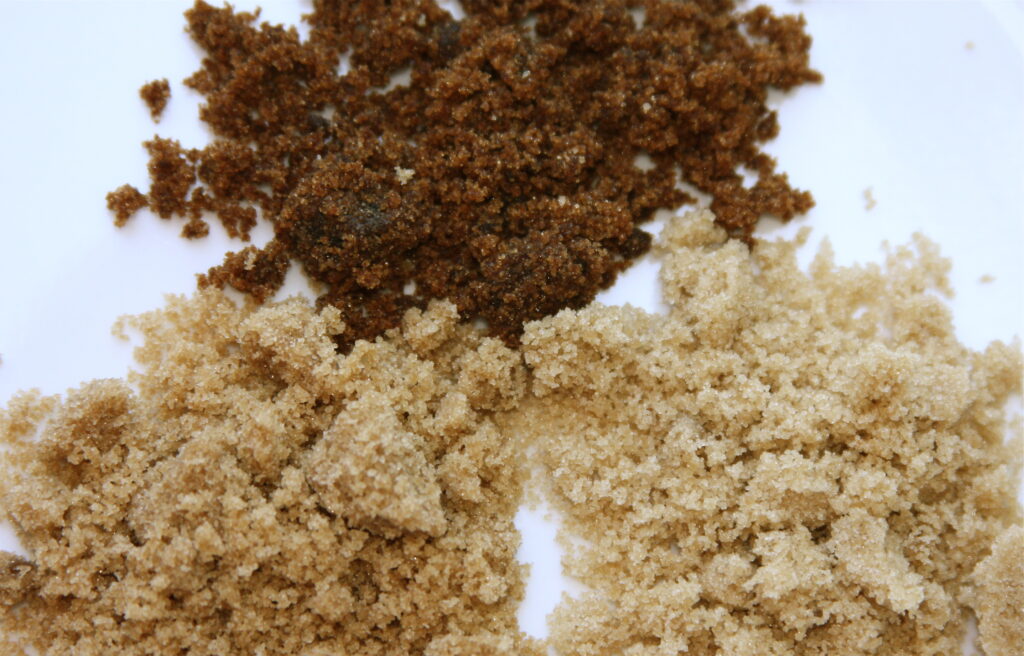
Break the block into rough chunks with a fork, put it in a microwave-safe bowl, and lay a damp paper towel loosely over the top without sealing it. Microwave in twenty-second bursts, checking and breaking it up with a fork between each, until it’s soft enough to scoop. Two rounds is usually enough for a cup; a fully solid brick can take three.
The damp towel matters more than the microwave heat itself. It adds a small amount of steam that gets absorbed back into the dried-out molasses, reversing the exact process that hardened it in the first place. Skipping the towel and just microwaving dry sugar mostly just makes it hot without making it soft, and it can start to melt at the edges if left too long.
The overnight method that needs no appliance
Drop a slice of plain sandwich bread, a wedge of apple, or a few marshmallows into the bag with the hardened sugar, press the air out, and seal it tightly overnight. All three work the same way: they’re moist enough to donate water vapor to the dry sugar inside a closed bag, and by morning the block has usually softened back to scoopable.
Bread does the job with the least mess and the smallest flavor risk, since it doesn’t add any noticeable taste to the sugar even after a full day sealed together. Swap the bread for a fresh piece every day or two if the sugar needs more time, since a piece that’s gone dry itself stops donating any moisture.
The container that stops the problem before it starts
An airtight container, glass or hard plastic with a gasket seal, does most of the work by keeping outside air from constantly pulling moisture out of the sugar in the first place. A folded-over bag clipped shut still lets air exchange happen at the fold, which is why a clipped bag on an open shelf hardens just as fast as one left wide open.
Adding a small unglazed terracotta disc, soaked in water for fifteen minutes and dried off before going in, gives the container a slow, steady humidity source that keeps sugar soft for months rather than weeks. The disc needs re-soaking every month or two once it dries out, which is a fast, five-minute task worth putting on a recurring reminder.
What a brown sugar bear actually does
The terracotta bears and discs sold in the baking aisle work on the exact same principle as a plain unglazed clay disc, just shaped for a shelf. Soaked in water and dropped into a sealed container of sugar, the porous clay releases moisture slowly over weeks, which is a gentler and more even release than a piece of bread provides.
They’re not required. A clean piece of unglazed terracotta pot, the kind sold for houseplants, does the identical job for a fraction of the price, as long as it’s never been treated with any glaze or sealant that would block the pores doing the actual work.
Storing light versus dark brown sugar
| Light brown sugar | Dark brown sugar | |
|---|---|---|
| Molasses content | About 3.5 percent | About 6.5 percent |
| Hardens how fast | Faster, less moisture to start | Slightly slower, holds water longer |
| Best storage | Airtight container, always | Airtight container, always |
| Flavor | Mild caramel | Deeper, almost toffee-like |
Dark brown sugar’s higher molasses content gives it slightly more built-in moisture, so it takes a bit longer to fully harden on an open shelf than light brown sugar does, but the difference is measured in days, not weeks, and both need the same airtight treatment to actually stay soft.
Measuring hardened sugar without softening it first
A recipe that only needs a tablespoon or two doesn’t always justify softening a whole block first. A box grater run over the hardened chunk produces loose, measurable shreds fast, and a sturdy garlic press does the same trick for a smaller amount pressed straight into a measuring spoon.
For anything more than a few tablespoons, softening the full amount first is worth the ten minutes, since grating a full cup by hand is slow and uneven compared to a quick microwave fix.
Freezing brown sugar to stop the clock entirely
Brown sugar frozen in a sealed freezer bag with the air pressed out stays soft almost indefinitely, since there’s no dry air inside the bag to pull moisture out of the molasses. It also doesn’t freeze into a solid block the way water does, so a bag pulled straight from the freezer is usually scoopable within a minute or two at room temperature.
This is the most reliable long-term fix for anyone who bakes with brown sugar only occasionally and doesn’t want to babysit a terracotta disc between uses. Portion it into smaller bags before freezing if a recipe only ever calls for small amounts at a time.
Whether you can just add water instead
Stirring a small amount of water directly into hardened sugar can soften it, but it’s an imprecise fix that risks turning the sugar into a wet, clumpy paste rather than the loose, scoopable texture a recipe expects. It also adds liquid to a recipe’s total that the original measurements didn’t account for, which matters more in a delicate batter than in something forgiving like a marinade.
The microwave-and-damp-towel method achieves the same rehydration without adding any measurable liquid directly into the sugar itself, which is why it’s the more reliable choice over pouring water straight onto a block. Reserve the direct-water trick for a genuine emergency where there’s no microwave available at all.
Buying in bulk without setting yourself up to fail
A five-pound bag from a warehouse store is a good price per ounce and a near-guarantee of a hardened brick within a month, since most households can’t work through that volume before the moisture starts leaving the parts near the surface. Splitting a bulk bag into two or three smaller airtight containers the day it comes home solves this without needing to buy less sugar.
Vacuum-sealing a portion meant for long-term storage, using a standard countertop vacuum sealer, removes almost all of the air that would otherwise slowly pull moisture out over months. This is worth the extra step for anyone who bakes only a few times a year and wants a bulk-bought bag to still be soft the next time a recipe calls for it.
A simple household test confirms whether a given container is doing its job: leave a scoop of soft sugar in it for two weeks and check it without opening any other bags for comparison. A container that keeps sugar loose and scoopable after two weeks on an open shelf is one worth trusting for everything else in the pantry.
Why the season in your kitchen changes the timeline
A kitchen with a running dehumidifier or a house with dry winter heat pulls moisture out of brown sugar noticeably faster than a humid summer kitchen does, since the rate of moisture loss depends directly on how dry the surrounding air actually is. The same bag that takes six weeks to harden in a humid August kitchen can turn solid in under two during a dry January with the heat running constantly.
This is worth knowing because it means the terracotta disc or bread trick isn’t a one-time fix that lasts forever once applied. A disc that keeps sugar soft through a humid summer with minimal attention may need re-soaking every few weeks once the heating season starts and the air around it turns noticeably drier.
What to do if it’s already baked hard
Sugar that hardened while already mixed into a partially made batter, rather than sitting in the bag, is harder to fix, since it’s usually already partially dissolved into whatever liquid is in the bowl. Warming the bowl gently over a double boiler while stirring, rather than in the microwave directly, helps break up any remaining lumps without cooking the eggs or dairy also in the mix.
For a dry mix that clumped before any liquid was added, breaking the lumps apart with a fork and pressing them through a sieve gets the texture back to usable without needing any added moisture at all.
Frequently Asked Questions
Does hardened brown sugar go bad or become unsafe to use?
No. Hardening is a physical change from lost moisture, not spoilage, and sugar’s low water content already makes it inhospitable to the bacteria and mold that spoil most other pantry foods. A rock-hard block from months ago is just as safe to soften and use as a fresh bag.
Can I use white sugar instead if my brown sugar is too hard to soften in time?
Plain white sugar will change the flavor and slightly change the texture of the final baked good, since it’s missing the molasses that gives brown sugar its color and moisture-holding properties. A better substitute in a pinch is white sugar mixed with a spoonful of molasses per cup, which gets closer to the real thing.
How long does an unopened bag of brown sugar last before this becomes an issue?
An unopened, factory-sealed bag can sit for well over a year without hardening, since the sealed bag prevents the moisture exchange with outside air that causes the problem. The clock effectively starts the moment the bag is opened and exposed to normal room air.
Is it normal for brown sugar to smell different once it’s very old?
A faint change in aroma over a long period is normal and related to slow oxidation of the molasses, not spoilage. A sharp, sour, or otherwise off smell is uncommon for a shelf-stable product like sugar and would be worth discarding the batch over, though this is rare.
Does the same softening method work for coconut sugar or turbinado sugar?
Turbinado sugar has very little moisture to begin with and rarely hardens the same way, so the microwave method has little effect on it. Coconut sugar behaves more like brown sugar and responds to the same damp towel and gentle heat approach if it clumps.
Keep one terracotta disc soaked and ready in a drawer, and a bag of brown sugar never has to turn back into a brick before it gets used.