
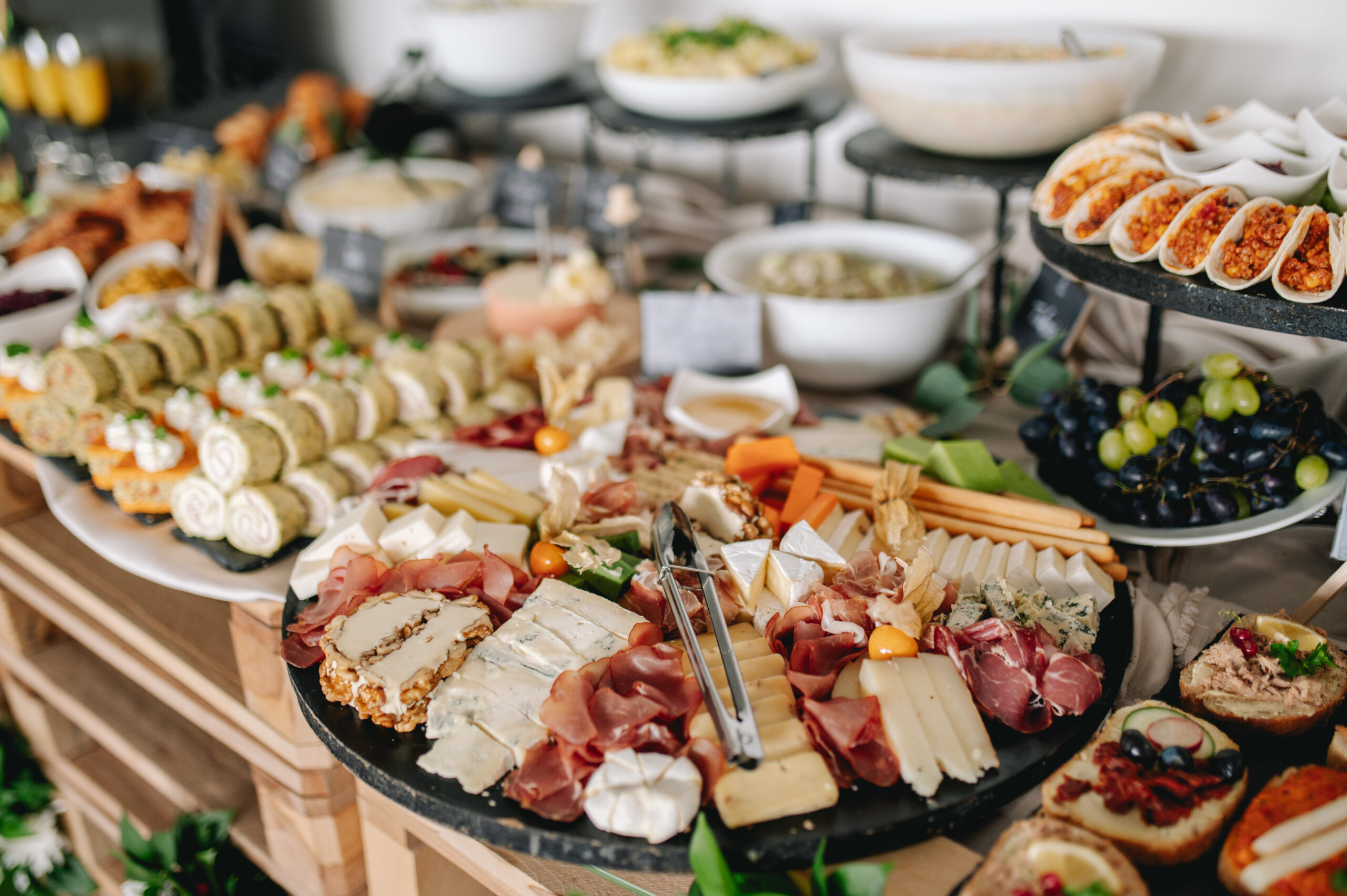
Dinner is at five, the turkey has been in since morning, and by two o’clock the whole house is hungry with nothing to eat and hours still to go. Skip the appetizer table entirely and someone raids the kitchen for whatever is fastest, usually a fistful of rolls meant for dinner or a plate that quietly ruins their appetite for the meal everyone spent all day cooking.
The fix is not skipping snacks, it is choosing the right ones. Something salty, light, and low in volume at two o’clock holds off hunger and the accompanying bad mood without filling anyone up before the main event, which is a different job than a snack normally has to do.
Most default appetizer choices, the cheese-and-cracker spread, the dip with chips, work against this specific goal rather than for it. A shorter, more deliberate list serves the day better than reaching for whatever is already in the pantry.
None of this is about restriction for its own sake. It is about matching the snack to the actual job it needs to do on this particular afternoon, which is different from the job a snack does on any ordinary day when there is no five o’clock deadline waiting at the end of it.
- Timing that matters most: put snacks out by 2 PM if dinner is at 5
- The three filters: salty, light, low-volume
- Portion target: small enough to satisfy, not enough to fill up
- Two to avoid: a full cheese board, chips with a heavy dip
- Better swaps: olives, pickles, a small charcuterie taste, roasted nuts
- Safe hold time: no more than 2 hours per platter at room temperature
Why 2 PM matters more than the menu
The specific hunger problem on a holiday with a mid-afternoon dinner is not that people are not hungry, it is that they are hungry three hours before food is actually ready, and human patience for that gap is limited regardless of how good the smell coming from the kitchen is. Waiting until people are already irritable and raiding the kitchen is reactive; putting a deliberately light spread out at two, before hunger turns into a problem, is proactive.
This timing works because it gets ahead of the steepest part of the hunger curve rather than trying to catch up to it. A small, well-timed snack at two does more to keep the day pleasant than a larger, more elaborate spread put out at four, once everyone is already hungry and impatient.
The same logic scales down for a smaller gathering and up for a larger one. What matters is the gap between when people arrive and when food is actually served, not the total number of guests, so a household of four waiting three hours needs this plan just as much as a table of twenty does.
Thanksgiving appetizers before dinner: what to serve
| Option | Why it works | Approximate portion |
|---|---|---|
| Marinated olives | Salty, low volume, high flavor | 6 to 8 olives per person |
| Roasted mixed nuts | Protein and fat, satisfies without filling | 2 tablespoons per person |
| Pickled vegetables | Acidic, palate-cleansing, no fill | 3 to 4 pieces per person |
| A small charcuterie taste | Savory and satisfying in a small amount | 1 to 2 ounces per person |
| Deviled eggs, halved | Protein-forward, traditionally light | 1 half per person |
Every option on this list shares the same property: it delivers a strong hit of flavor and a small amount of protein or fat in a genuinely small volume, which is the combination that satisfies hunger’s urgency without displacing appetite for the actual meal.
The portion sizes that hold appetite without filling anyone up
The goal at this specific stage of the day is not to feed anyone a meal, it is to take the sharp edge off hunger for two or three hours. A handful of nuts, a few olives, one deviled egg half, these portions sound almost stingy compared to a normal appetizer spread, and that is precisely the point on a day when the main event is still hours away.
Setting out small individual portions, rather than a large communal bowl that invites repeated visits, naturally limits how much anyone eats without needing to police anyone’s plate. A bowl that visibly empties slowly signals, without a word being said, that there is a reason to leave room for what is coming.
Small plates handed out individually rather than one shared serving dish sitting in the middle of a room also removes the social pressure some guests feel to keep returning to a shared bowl simply because it is there and visible. A pre-portioned small plate feels complete in a way an open bowl never quite does.
Salty, light, low-volume: the three filters
Salty foods trigger a satisfying sense of having eaten something substantial even in a small quantity, which is exactly the psychological effect wanted here, more so than a bland or sweet snack would provide in the same portion size. Light, in this context, means low in the kind of dense carbohydrates, bread, chips, crackers in large quantity, that fill a stomach quickly and linger there for hours.
Low-volume rules out anything eaten by the handful without much thought, like a bowl of pretzels or trail mix, in favor of items naturally portioned by their nature, like an olive or a deviled egg half, that limit how much gets eaten almost automatically.
Running all three filters against a candidate snack before it goes on the table is a fast, reliable check. A food that fails even one of the three, salty but heavy in volume, light but eaten by the fistful, is worth reconsidering or portioning more deliberately before it goes out at two o’clock.
Two classic appetizers to avoid before a big meal
A full cheese and cracker board, however traditional, works directly against the goal of preserving appetite: cheese and crackers together are calorie-dense, high in refined carbohydrates, and are the kind of food that is easy to keep eating well past the point of genuine hunger, especially set out over a two-to-three-hour window before dinner.
Chips with a heavy, rich dip present the same problem from a different angle, combining a large volume of refined carbohydrate with a calorie-dense topping that together fill a stomach fast and leave little room for the meal still hours away. Both are perfectly good appetizers in a context where they are the meal, which is exactly the context a pre-Thanksgiving-dinner spread is not.
What to put out instead
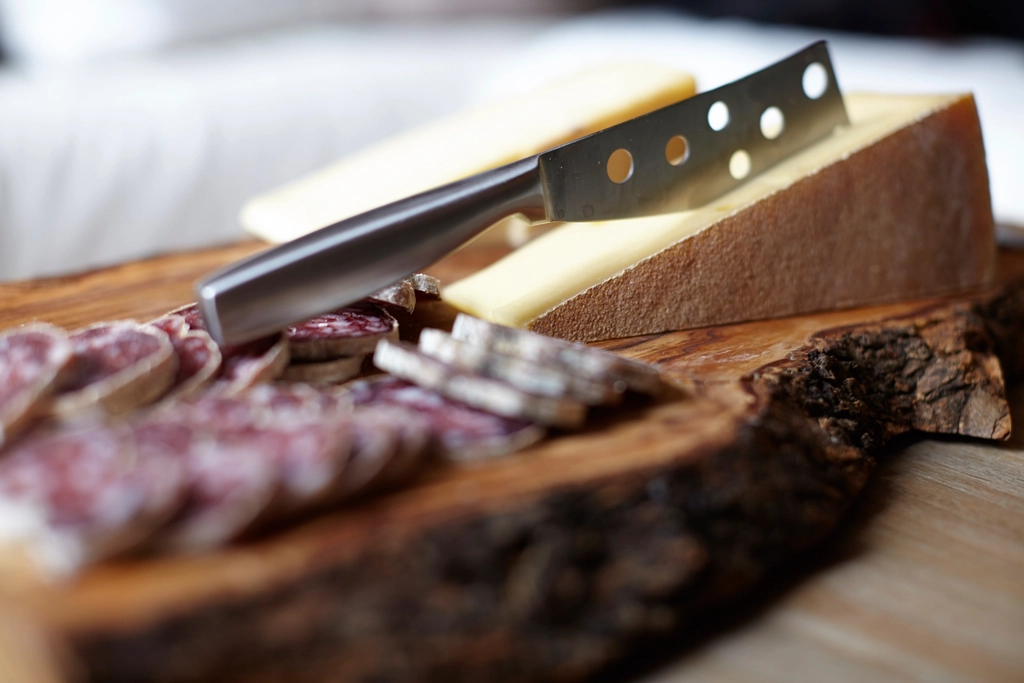
A small board built around olives, pickles, a modest amount of cured meat, and a few roasted nuts hits the same social and visual notes as a full cheese board, people standing around picking at something, without the same volume of refined carbohydrate that a cracker-heavy spread carries. It looks and feels like a real appetizer spread while actually serving the day’s specific goal.
A vegetable tray with a light dip, distinct from a heavier chip-and-dip combination, offers something to nibble on that is genuinely low in calories and volume, letting people snack somewhat freely without meaningfully denting their appetite for dinner.
Timing it so nobody skips the main meal
Putting the appetizer spread out at two and clearing it, or at least visibly reducing it, by three-thirty or four gives the body time to register mild hunger again before the main meal actually arrives. Leaving a full spread out continuously right up until dinner is served removes that natural reset and increases the odds that people arrive at the table already reasonably full.
Announcing, even informally, that the spread will be cleared at a certain time gives people a natural cue to have their share earlier rather than treating it as available indefinitely throughout the afternoon.
Make-ahead pieces versus last-minute ones
Marinated olives, pickled vegetables, and roasted nuts can all be prepared well ahead, even the day before, and simply plated the morning of, freeing up the two o’clock window itself for setting the table or checking on the turkey rather than active cooking. Deviled eggs can be made a day ahead as well, with the filling and whites stored separately and assembled just before serving to keep the whites from drying out at the edges.
A charcuterie-style board is largely an assembly task rather than a cooking one, and it is one of the fastest pieces of the whole spread to put together at the last minute if time runs short earlier in the day, needing little more than a cutting board, a knife, and ten unhurried minutes.
Keeping snacks safe on a table for hours
Any component containing dairy, egg, or meat, deviled eggs and cured meats in particular, should not sit at room temperature for more than about two hours, the standard food safety window for perishable food left unrefrigerated. Nesting a serving dish in a shallow bowl of ice, or refreshing the platter partway through the afternoon with a cold backup batch kept refrigerated until needed, extends how long the spread can safely stay out.
Olives, pickles, and roasted nuts are far more forgiving in this respect, since none of the three supports bacterial growth the way dairy or meat does, and they can sit out for the full stretch of the afternoon without the same two-hour concern, which is one more reason they anchor this particular list.
A checklist for the appetizer table
- Set the spread out by 2 PM if dinner is scheduled for 5
- Choose from salty, light, low-volume options rather than a full cheese board
- Portion individually where possible, rather than one large communal bowl
- Nest anything dairy or meat-based over ice if it needs to sit out more than an hour or two
- Plan to clear or reduce the spread by mid-afternoon to let appetite reset before dinner
- Prep the make-ahead pieces the day before to free up the day itself
Frequently Asked Questions
Is it really necessary to put out snacks at all if dinner isn’t that late?
If dinner is within an hour or two of when most guests arrive, a full pre-dinner spread matters less. The later dinner runs relative to arrival time, the more a small, well-timed snack table helps keep the mood pleasant rather than hungry and impatient.
What about kids who need more than a small snack to make it to dinner?
Children often need a more substantial snack than the light adult-oriented list above, since their smaller stomachs and higher metabolism make a long hungry wait harder to manage. A more filling kid-specific snack, like cheese cubes or a small sandwich, served separately from the adult appetizer table, is a reasonable accommodation.
Can I serve alcohol during this window without food to go with it?
Serving alcohol without any food alongside it is generally not advisable, since food helps slow alcohol absorption. The light appetizer spread described here serves this purpose well even though it is not designed to be a full meal.
What if guests arrive at very different times throughout the afternoon?
A staggered arrival is actually a good argument for the two o’clock timing rather than against it, since it gives earlier arrivals something to do and eat while later guests are still on their way, without requiring a second, separate spread.
Should the appetizer spread match the flavors of the dinner menu?
It can, but it does not need to. A lighter, differently flavored spread, olives and pickles rather than another version of the same stuffing or potatoes coming later, actually helps distinguish the appetizer moment from the main meal and avoids any sense of repetition once dinner is served, and it gives the afternoon its own small identity separate from the main event still to come.
Put the small, salty spread out at two, clear it by mid-afternoon, and the meal everyone spent the whole day cooking finally gets the appetite it actually deserves once five o’clock rolls around.