
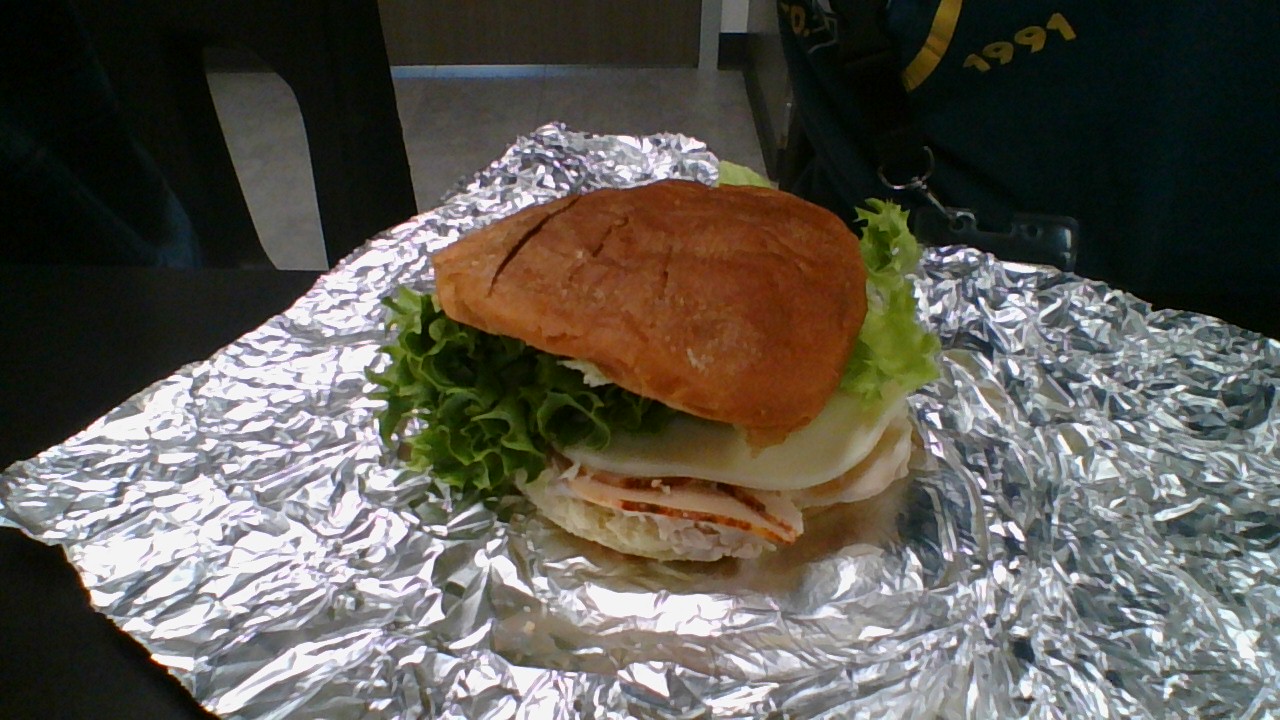
A turkey sandwich built the morning after Thanksgiving and eaten immediately is a different food than the same sandwich pulled out of a bag four hours later at a desk or in a car on a road trip home. The ingredients are identical. The order they went in is what decides whether it’s still good by lunchtime or a soggy mess nobody wants to finish.
Bread sits at the center of the problem, since it’s the one component that actively absorbs moisture from everything around it, and a sandwich assembled without accounting for that starts failing within the first hour, long before it actually gets eaten. The fix is a specific layering order that keeps wet ingredients away from bread until the moment it matters least.
None of this requires special ingredients beyond what’s already sitting in the fridge the day after Thanksgiving. It just requires building the sandwich in a sequence that works with how each component behaves over several hours, not just how it tastes assembled fresh.
- Bread: a sturdy roll or a hearty sandwich bread, not soft white
- First layer on both sides: a fat barrier, mayo or softened butter
- Cranberry placement: against the fat barrier, never touching bread directly
- Stuffing: cold, sliced or pressed flat, never warm when assembled
- Hold time: up to 4 hours in a sealed bag or wrap, refrigerated if longer
Why the same sandwich fails after a few hours
Bread is porous and dry relative to nearly everything else going into a turkey sandwich, which means it acts like a sponge the moment it touches cranberry sauce, gravy, or the moisture naturally released from sliced turkey and stuffing sitting pressed against it. A sandwich eaten within ten minutes of assembly never gives that moisture transfer enough time to matter, which is why so many people don’t realize there’s a real technique involved until the version they packed for later falls apart.
The fix isn’t using less of anything wet, since cranberry sauce and gravy are a large part of why this sandwich is worth making in the first place. It’s controlling exactly what touches the bread directly and in what order everything gets stacked.
Turkey leftover sandwich: choosing bread that holds up
A dense, sturdy bread, a hearty sandwich loaf, a sourdough, or a solid kaiser roll, holds up to several hours of contact with moist fillings far better than soft, thin white bread, which can turn gummy within an hour even with a fat barrier in place. The extra structure in a heartier bread isn’t just about flavor; it’s genuinely more resistant to breaking down.
Toasting the bread lightly before assembly, just enough to firm the surface without making it crunchy throughout, adds another small layer of moisture resistance, since a toasted surface absorbs liquid more slowly than an untoasted one, buying real extra time before the bread starts to soften.
The fat barrier that keeps bread from turning to mush
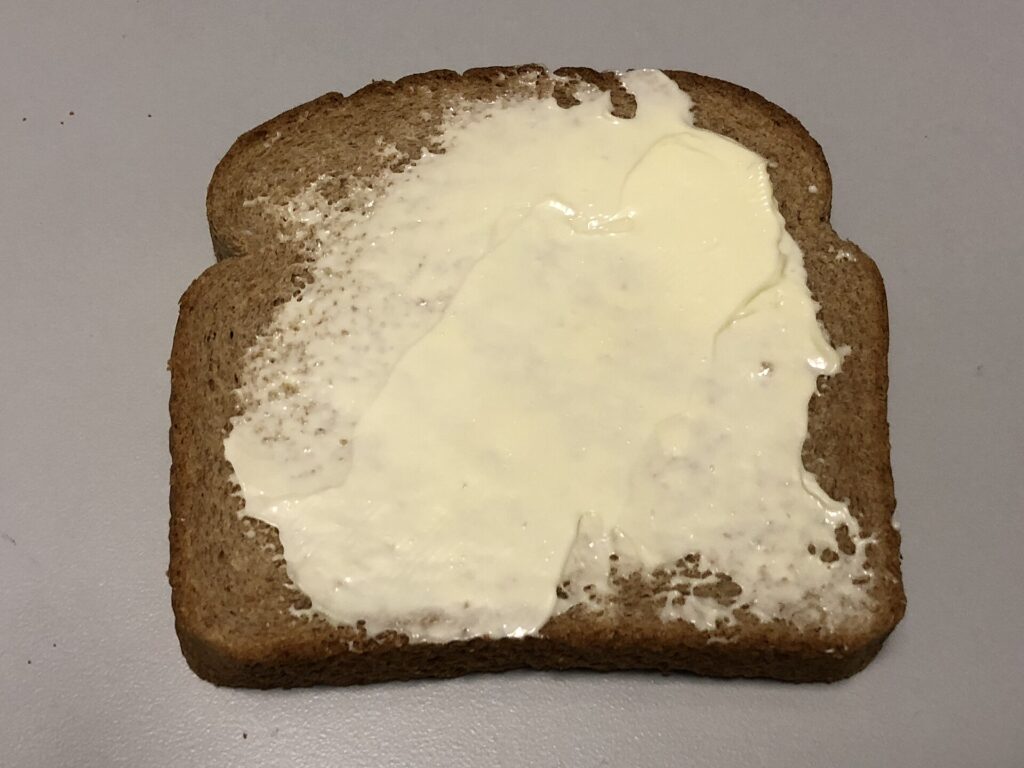
A layer of mayonnaise, softened butter, or even a thin spread of gravy that’s been reduced thick enough to cling rather than soak, applied directly onto both slices of bread before anything else goes on, creates a water-resistant barrier between the bread and every wetter ingredient that follows. Fat repels water more effectively than bread itself resists it, which is the entire mechanism keeping the bread dry hours later.
Covering the bread edge to edge with this layer matters more than the amount used; a thin, complete coating does more protective work than a thick layer applied only to the center, since it’s the edges and corners of a sandwich that tend to go soft first if any bread is left exposed.
Where the cranberry sauce actually goes
Cranberry sauce belongs directly against the fat barrier, never touching bare bread, since it’s one of the wettest and most acidic components in the entire sandwich and the ingredient most likely to cause fast sogginess if given direct contact. Spreading it in a thin, even layer rather than a thick dollop in the center also helps, since a concentrated pool of sauce creates a soft spot that a thinner spread avoids.
Placing the cranberry layer closer to the center of the stack, with turkey and stuffing acting as a buffer on either side, further limits how much time it spends in direct contact with any part of the bread compared to putting it as an outer layer right against the crust.
Why the stuffing layer has to be cold
Warm stuffing releases noticeably more moisture into a sandwich than the same stuffing served cold straight from the refrigerator, since heat keeps its fat and juices more fluid and more likely to migrate into whatever’s touching it. A sandwich built with warm stuffing can turn soggy within thirty minutes, well before it ever makes it into a lunch bag for later.
Slicing or pressing cold stuffing into a flatter, firmer layer, rather than using it loose and crumbly, also helps it behave more like a solid ingredient than a wet one, reducing the surface area in direct contact with the bread and the other fillings around it.
Turkey slicing that helps rather than hurts
Thinly sliced cold turkey, cut against the grain, layers more evenly and stacks flatter than thick chunks, which reduces gaps where sauce or gravy can pool unevenly against the bread. Patting the sliced turkey dry with a paper towel before it goes on the sandwich removes surface moisture left over from refrigerator storage, which is a small step that meaningfully extends how long the sandwich holds up.
Layering the turkey directly against the fat barrier, rather than against the cranberry sauce, gives the meat itself a small amount of the same moisture protection the bread is getting, since turkey pressed directly against acidic cranberry sauce for hours can also start to break down slightly at the edges.
Building the full stack in the right order
| Layer | What goes there |
|---|---|
| 1. Bread, both sides | Fat barrier, edge to edge |
| 2. Bottom slice | Cold sliced turkey |
| 3. Middle | Cold, pressed stuffing |
| 4. Middle | Thin layer of cranberry sauce |
| 5. Top slice | Any lettuce or greens, closest to the top fat barrier |
Greens, if used at all, work best placed against the top slice’s fat barrier rather than against the turkey or stuffing, since lettuce wilts and releases its own moisture the longer it sits pressed against a warm or wet ingredient.
Wrapping it for the road without trapping steam
Wrapping a sandwich in parchment or wax paper rather than plastic wrap allows a small amount of air exchange that prevents condensation from building up inside the wrapping, which plastic wrap tends to trap against the bread’s surface and defeats much of the fat barrier’s protective work. A loosely wrapped sandwich, rather than one compressed tightly, also holds up better over several hours for the same reason.
For a sandwich headed into a cooler or refrigerator for several hours before eating, wrapping it and storing it flat rather than standing on end prevents fillings from shifting and concentrating moisture in one section rather than staying evenly distributed.
How long it actually holds, and what changes over time
Built with all of these steps followed, a turkey sandwich holds up well for about four hours at room temperature or considerably longer refrigerated, with only a gradual, minor softening at the very center rather than the total collapse an unprotected sandwich experiences. Past the four-hour mark at room temperature, food safety becomes the more relevant concern than texture, since the turkey and stuffing are both foods that shouldn’t sit unrefrigerated much beyond that window.
For a sandwich that genuinely needs to hold longer than four hours, packing the components separately and assembling just before eating remains the most reliable option, even with every layering trick applied.
A version built specifically for packing ahead
For a sandwich prepped the night before rather than the morning of, doubling the fat barrier and keeping the cranberry sauce in a small separate container to add just before eating removes the single biggest variable in how long the sandwich holds its texture. This version trades a small amount of convenience for meaningfully better texture at the point of actually eating it.
A short list taped to the container, noting which component still needs to be added, prevents the common mistake of forgetting the held-back cranberry sauce entirely once lunchtime actually arrives and the sandwich gets eaten as-is.
Adding cheese without it becoming a soggy layer of its own
A slice of cheese, if included, does better placed directly against the fat barrier alongside the turkey rather than in the center near the cranberry sauce, since cheese itself doesn’t release much moisture but can absorb it from whatever it’s touching. A firmer cheese, like a sharp cheddar or provolone, holds its shape through several hours of packing better than a very soft, high-moisture cheese would.
Skipping cheese entirely is also a reasonable choice for this specific sandwich, since between the turkey, stuffing, and cranberry sauce, there’s already enough richness and flavor complexity that cheese isn’t doing essential work the way it might in a simpler sandwich.
A version for anyone avoiding gluten in the bread
Gluten-free bread tends to be more delicate and prone to falling apart than wheat bread, which makes the fat barrier and cold-stuffing rules even more important rather than less. Toasting gluten-free bread slightly firmer than usual before assembly helps compensate for its generally softer, more crumbly structure once it’s holding several layers of filling.
A sturdy gluten-free roll, rather than sliced sandwich bread, generally holds up better structurally for this specific sandwich, since rolls tend to have a denser, more cohesive crumb than most gluten-free sandwich loaves.
Frequently Asked Questions
Can I use gravy instead of mayonnaise as the fat barrier?
Yes, as long as the gravy is thick enough to cling to the bread rather than soak in immediately; a gravy reduced slightly beyond typical serving consistency works better here than a thinner, pourable batch.
Does toasting the bread change the flavor of the finished sandwich?
A light toast adds a subtle nutty note and a firmer bite without making the bread crunchy throughout, which most people find complements the richer fillings rather than distracting from them.
Is it safe to leave a turkey sandwich out for a full four hours?
Room temperature holding beyond about two hours moves into food safety territory regardless of texture concerns, so a sandwich meant to sit for the full four-hour window described here should be kept in an insulated bag with an ice pack, not left on a counter.
What’s the best way to pack this for a lunch box rather than a road trip?
The same layering order works fine for a lunch box; adding a small ice pack alongside it addresses both the texture and the food safety side of a longer hold in a bag that isn’t otherwise refrigerated.
Can I make this sandwich work with stuffing that’s already slightly dry?
Dry stuffing actually holds up better in this method than a very moist, wet stuffing, since it releases less liquid into the sandwich over time, making it, if anything, an easier ingredient to work with here.
What should I do if I only have soft sandwich bread on hand?
Toast it more aggressively than usual, right up to the edge of golden brown rather than just warmed through, and apply an extra-thick fat barrier on both slices to compensate for the bread’s naturally weaker structure compared to a heartier loaf.
Does this same layering method work for other leftover holiday meats?
Yes, the same principles apply directly to ham or a similar sliced roast, since the core problem, wet condiments and fillings breaking down bread over time, isn’t specific to turkey or cranberry sauce.
Layer the fat barrier first, keep the stuffing cold and pressed flat, and this sandwich comes out of a bag four hours later tasting like it was made ten minutes ago.