
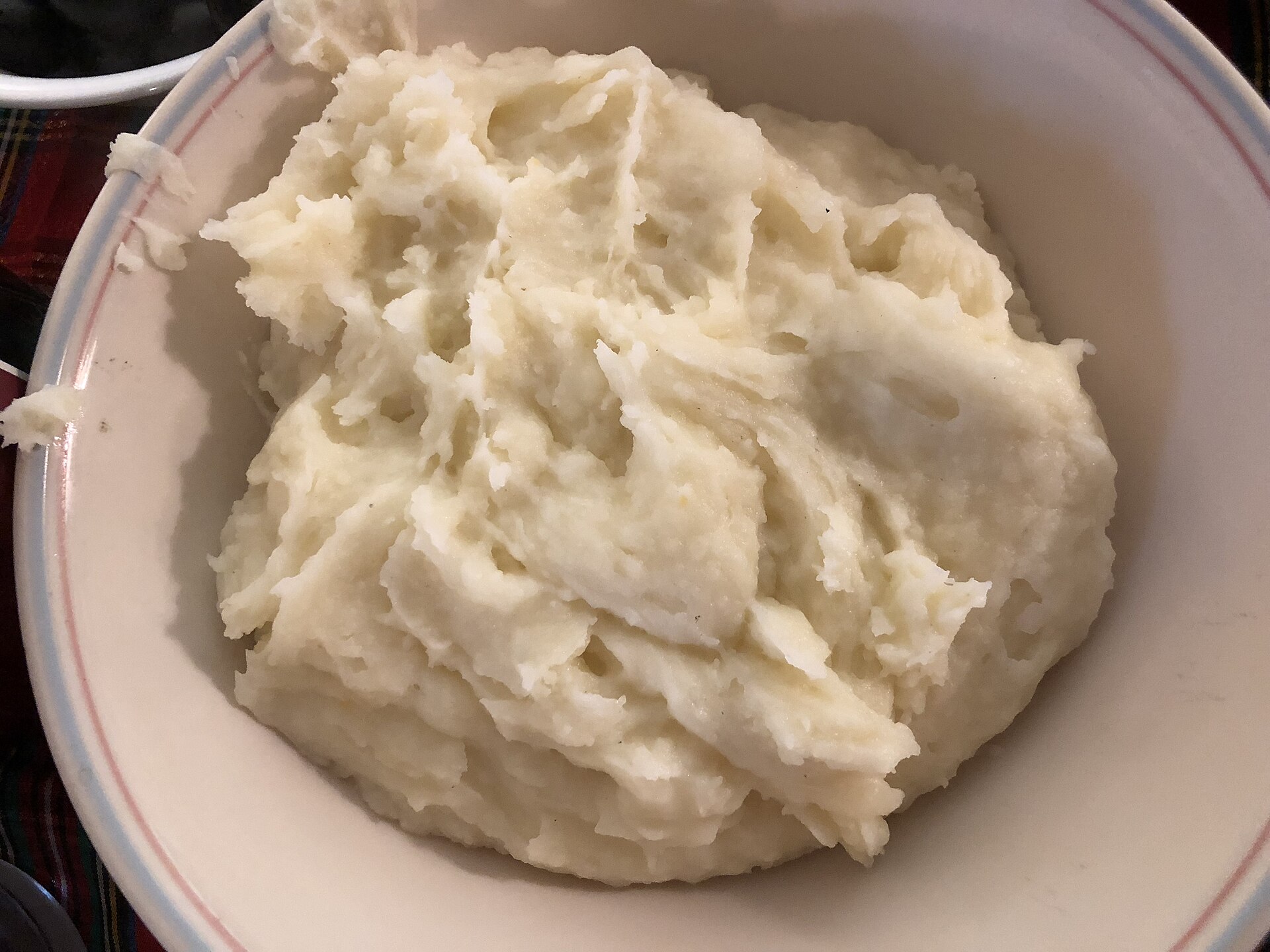
Mashed potatoes have a narrow window of being genuinely great: the first fifteen minutes after mashing, while they’re still hot, loose, and full of fat that hasn’t started separating yet. Every Thanksgiving cook already knows this, which is exactly why potatoes are usually the very last thing made, timed to finish the same minute the turkey gets carved.
That timing works fine for a solo cook with nothing else happening at noon. It falls apart the moment potatoes have to compete with gravy, a stovetop full of other last-minute dishes, and a kitchen suddenly crowded with people wanting plates filled. Making them at noon and holding them properly until five solves the scheduling conflict without sacrificing the texture that makes fresh mashed potatoes worth making at all.
The slow cooker is the tool that makes this work, not a microwave reheat and not a low oven, both of which dry potatoes out or give them an unpleasant skin within an hour. A slow cooker’s gentle, moist heat is close enough to a bain-marie that potatoes held in one for hours taste nearly identical to a batch mashed twenty minutes before serving.
- Make time: mash by noon for a 5 PM dinner
- Hold method: slow cooker on warm, stirred every hour
- Key trick: extra butter or cream stirred in before the hold starts
- Serves 8: about 4 pounds of potatoes
- Serves 16: about 8 pounds, split across two slow cookers if needed
Why potatoes usually get made dead last
Mashed potatoes lose their best texture faster than almost any other Thanksgiving side, since the starch structure that makes them creamy right off the stove starts tightening and drying as they cool, and reheating from cold rarely brings that texture fully back. This is the entire reason so many households treat potatoes as the final task, made in the fifteen-minute gap between the turkey resting and the meal actually being served.
The problem with that plan is that it puts potatoes in direct competition with gravy, warming rolls, and finishing whatever else needs a burner or oven space at the exact same critical fifteen minutes, which is precisely when a kitchen has the least spare capacity of the entire day.
Make ahead mashed potatoes: the extra fat that prevents a skin
Potatoes held for hours, even in a slow cooker, form a dry skin on the surface unless there’s enough fat and liquid mixed in to keep that surface soft. Adding roughly fifty percent more butter and cream than a normal recipe calls for, stirred in while the potatoes are still hot right after mashing, builds in a buffer that keeps them loose and glossy through several hours of holding rather than tightening up the way a leaner batch would.
This isn’t about making the potatoes taste noticeably richer, though they will be a little richer. It’s a structural fix: the extra fat coats the starch and slows the process that causes potatoes to seize up and dry out as they sit, which matters more than any amount of stirring alone can fix once they’re already in the slow cooker.
The slow cooker hold that keeps them from drying out
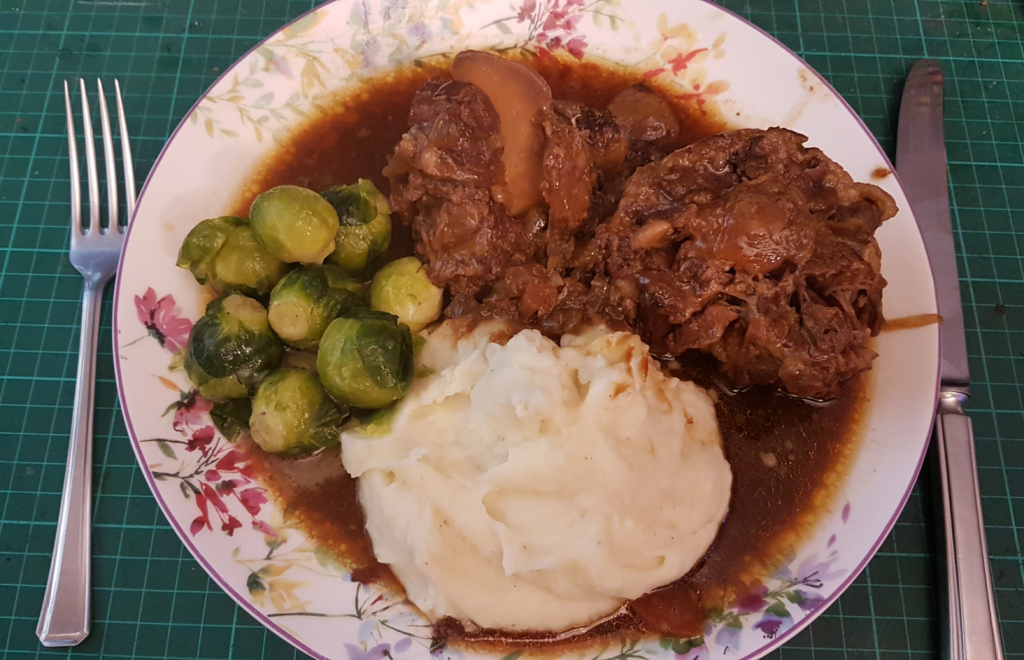
Transferring finished, well-buttered mashed potatoes to a slow cooker set to warm, rather than low, holds them at a safe serving temperature without continuing to cook them, which is the setting most likely to overcook and dry out an already-finished dish. A lid left slightly ajar, propped with a wooden spoon handle, prevents condensation from dripping back down and thinning the potatoes unevenly.
Stirring every hour, and adding a splash of warm milk or cream if the surface starts to look dry, keeps the texture consistent throughout the whole hold rather than letting it degrade gradually and only noticing once it’s already too far gone to fully fix.
What temperature actually keeps them safe for hours
A slow cooker’s warm setting is designed to hold food above 140 degrees, which is the food safety threshold below which bacteria multiply more quickly in what’s generally called the temperature danger zone. Checking the potatoes’ actual temperature with a food thermometer an hour or two into the hold confirms the specific slow cooker is doing its job, since models vary somewhat in how hot their warm setting actually runs.
A slow cooker that’s running cooler than expected on its warm setting can be nudged up temporarily to the low setting for twenty minutes to bring the potatoes back into a safe range, then returned to warm once confirmed safe by a thermometer check.
Scaling the quantities for eight and for sixteen
| Guests | Potatoes | Butter | Cream or milk | Slow cookers needed |
|---|---|---|---|---|
| 8 | 4 pounds | 1 cup, plus extra for holding | 1 cup | 1 standard 6-quart |
| 16 | 8 pounds | 2 cups, plus extra for holding | 2 cups | 2 standard, or 1 large 8-quart |
Splitting a large batch across two slow cookers rather than one oversized pot also makes serving easier for a big crowd, since two stations moving simultaneously clear a buffet line faster than everyone funneling through a single pot.
Choosing a potato that holds up to a long hold
Yukon Gold potatoes, with their naturally buttery flavor and medium starch content, hold their texture through a long slow cooker hold better than a high-starch russet does, since russets tend to break down further and can turn slightly gluey after hours of gentle warmth. A mix of Yukon Gold and a smaller portion of russet balances a creamy texture with enough body to still feel substantial by five o’clock.
Waxy potatoes like red bliss, while fine for a potato salad, generally make a denser, less fluffy mash from the start and aren’t the best choice here regardless of hold time, since the base texture problem exists before the holding period even begins.
The stir-in at the end that brings them back to life
A final stir-in of warm cream and a fresh pat of butter, added five to ten minutes before serving rather than at any point during the hold, restores gloss and looseness that even a well-managed hold gradually diminishes. This last-minute addition is a small task, well under the fifteen minutes a from-scratch batch would need, and it’s the step that makes potatoes held for five hours taste indistinguishable from a fresh batch to almost anyone at the table.
Tasting for salt at this final stage matters too, since salt levels can taste slightly muted after a long hold, and a small adjustment right before serving sharpens the flavor back up without needing to add much.
What to do if you don’t own a slow cooker
A heavy pot set over the lowest possible stovetop flame, stirred frequently and with a lid slightly ajar, can approximate a slow cooker’s gentle hold for a shorter window, roughly two to three hours, though it needs closer attention than a slow cooker’s more hands-off warm setting. A double boiler setup, the pot of potatoes set over a larger pot of barely simmering water, works even more gently and is a reasonable substitute for anyone without a slow cooker on hand.
An oven set to its very lowest temperature, with the potatoes in a covered dish and a splash of extra liquid to prevent surface drying, is a third option, though it requires more careful temperature monitoring than either the slow cooker or stovetop methods to avoid slowly overcooking them.
Reheating leftovers without the same texture loss
Leftover mashed potatoes, refrigerated after the meal, reheat best with a splash of milk or cream stirred in before microwaving in short bursts, stirring between each, rather than one long continuous run that can leave the edges rubbery while the center stays cold. A covered pot on the stovetop over low heat, with the same added liquid, works even better for a larger leftover portion.
Leftover mashed potatoes also freeze reasonably well for up to two months, though the texture softens slightly on thawing, which makes them better suited to being reworked into something like potato pancakes or a shepherd’s pie topping than served plain a second time.
Peeling and cutting the potatoes the night before
Peeled and cut potatoes, fully submerged in a bowl of cold water and refrigerated overnight, hold their color and texture without browning, since the water blocks the oxygen exposure that causes raw cut potatoes to darken. This moves a genuinely tedious knife task off the morning of, leaving only draining, boiling, and mashing for the actual cook day.
Changing the water once if it’s held longer than twelve hours keeps it fresh and prevents any starchy cloudiness from affecting the final texture, though a single overnight soak rarely needs this extra step at all.
Boiling technique that sets up an easier mash later
Starting potatoes in cold water and bringing them up to a boil together, rather than dropping them into already-boiling water, cooks them more evenly from edge to center, which matters more for a large batch destined for a long hold than it does for a smaller, immediately-served portion. Salting the water generously, roughly a tablespoon per gallon, seasons the potatoes from the inside out in a way that adding salt only at the mashing stage never quite matches.
Draining thoroughly and letting the potatoes sit in the dry pot over low heat for a minute or two before mashing evaporates excess surface moisture, which results in a base that’s naturally drier and better able to absorb the extra butter and cream this whole method depends on.
Assigning the mash itself to the right tool
A ricer or a food mill produces the smoothest, lump-free texture of any mashing tool and is worth the extra step for a dish that’s going to spend hours in a slow cooker, since any lumps left at this stage tend to stay lumps rather than smoothing out during the hold. A standard hand masher works fine for a more rustic texture, though it’s more prone to leaving small lumps that some guests genuinely prefer.
A stand mixer or hand mixer should generally be avoided for potatoes specifically, since overmixing releases too much starch and can turn a batch gluey and pasty rather than light and fluffy, a risk that only gets worse once that batch is then held warm for several hours.
Keeping the serving bowl warm once it leaves the slow cooker
Warming the actual serving bowl in a low oven or with hot water before the potatoes go into it for the table keeps them from cooling as fast once they’re out of the slow cooker’s controlled environment. A bowl pulled cold from a cabinet pulls noticeable heat out of the potatoes within the first few minutes on the table, which matters for a dish that guests may not get to immediately once it’s set out.
A trivet or folded towel under the serving bowl, rather than setting it directly on a cold table surface, extends how long it stays properly hot once it’s left the slow cooker for good.
Frequently Asked Questions
Can I make mashed potatoes a full day ahead instead of just hours ahead?
Yes, made a day ahead and refrigerated, then reheated gently in a slow cooker or on the stovetop with extra butter and cream stirred in, they hold up nearly as well as a same-day batch, though the same-day slow cooker hold described here generally produces a slightly fresher texture.
Will the potatoes taste like they’ve been sitting in a slow cooker all day?
No, as long as the warm setting is used rather than low or high, which would continue actively cooking them and could develop a scorched flavor at the bottom of the pot over several hours.
Can I use this method for a dairy-free mashed potato version?
Yes, substituting a neutral dairy-free butter and a plant-based cream alternative in the same generous ratio works with the slow cooker hold just as well as the dairy version, since the fat content doing the structural work matters more than its specific source.
What if my slow cooker doesn’t have a dedicated warm setting?
The lowest cook setting, typically labeled low, generally holds food in a safe range if a dedicated warm setting isn’t available, though it’s worth checking the actual temperature with a thermometer the first time to be sure a specific unit doesn’t run hotter than expected.
How early can I start the slow cooker hold before serving?
Up to five or six hours works well with hourly stirring and the extra fat built in from the start; beyond that window, quality starts to decline even with careful management, and a fresher batch made closer to serving becomes the better option.
Mash them at noon with extra butter stirred in, hold them on warm with an hourly stir, and finish with a splash of warm cream right before serving. Nobody at the table will know they weren’t made fifteen minutes ago.