
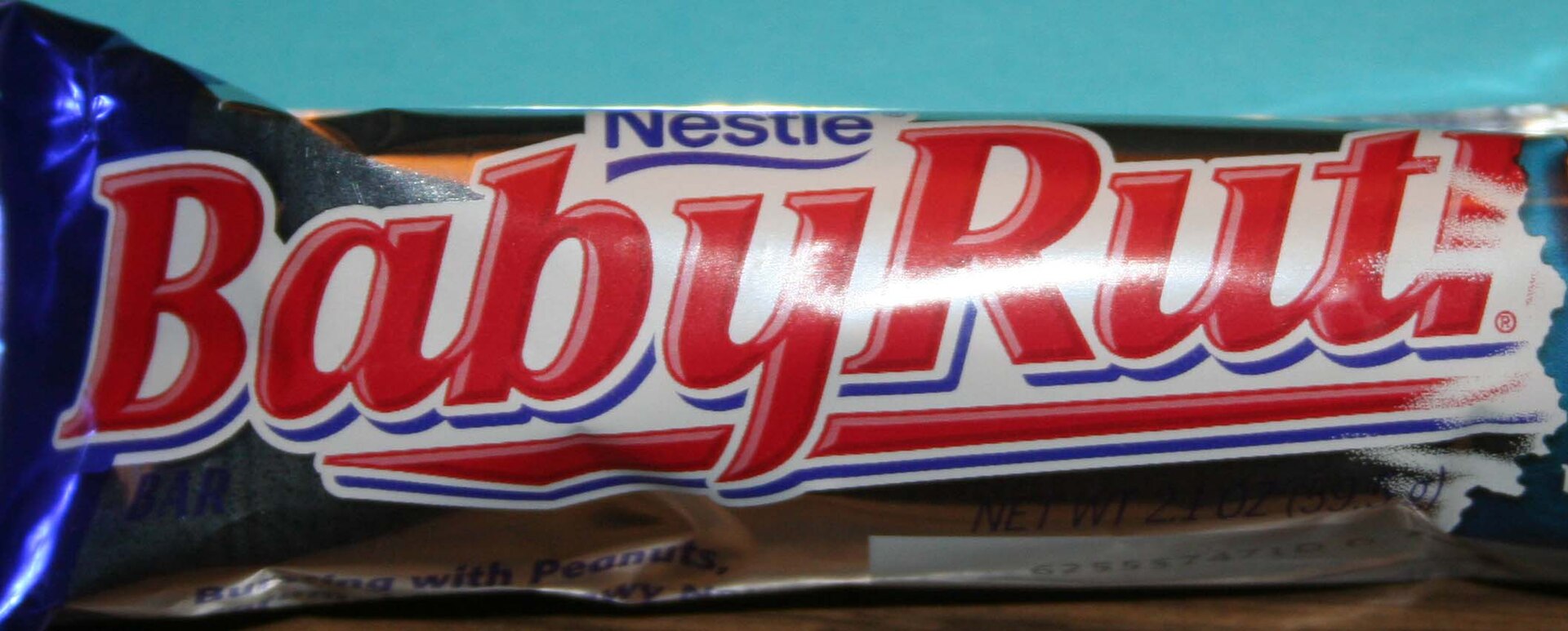
By November second the bowl by the door has stopped being a treat and started being a problem, and it is three different problems wearing one Halloween costume. Chocolate bars, gummies, and candy corn do not behave the same way in a mixing bowl, a pan of hot sugar, or a tub of ice cream, and treating them as one undifferentiated pile of candy is why so much of it ends up thrown out in December instead of used.
Sorted by what they are actually made of, mostly cocoa butter and sugar, mostly gelatin and sugar, or mostly plain sugar syrup, each type has one or two uses where it disappears completely into something better than a fun-size wrapper. None of the three should just be eaten piece by piece out of the bowl for the next six weeks, since that is how a genuinely large amount of sugar quietly gets eaten without anyone noticing.
This sorts the pile into three short lists, cookies, ice cream, and a stovetop sauce, plus the two candies that are better off just being eaten as they are.
- Chocolate bars, chopped: into cookie dough or a stovetop ganache
- Gummies and sour candy: melted into a thick fruit-style sauce
- Candy corn: folded into no-churn ice cream, in moderation
- Just eat them: lollipops and anything liquid-centered
- Sort first: five minutes on the counter before anything gets chopped
- Allergen note: a mixed pile should be treated as containing nuts
Sorting the pile before anything gets chopped
Three piles, based on what each candy is mostly made of rather than what it looks like. Chocolate-based candy, bars, cups, and anything with a cocoa coating, goes in one pile. Gelatin-based candy, gummies, sour chews, and jellied fruit shapes, goes in a second. Sugar-syrup candy without gelatin or chocolate, candy corn being the main example, goes in a third.
This sorting matters because each category melts, sets, and mixes differently, and a recipe built for one category generally fails with another. Chocolate seizes with water; gelatin candy turns stringy under high heat; candy corn slumps and bleeds color faster than either.
Set aside anything with a liquid or caramel center and anything hard, like lollipops, into a fourth pile that skips all three recipes below. Those are covered separately further down.
Chocolate bars into cookies, chopped not melted
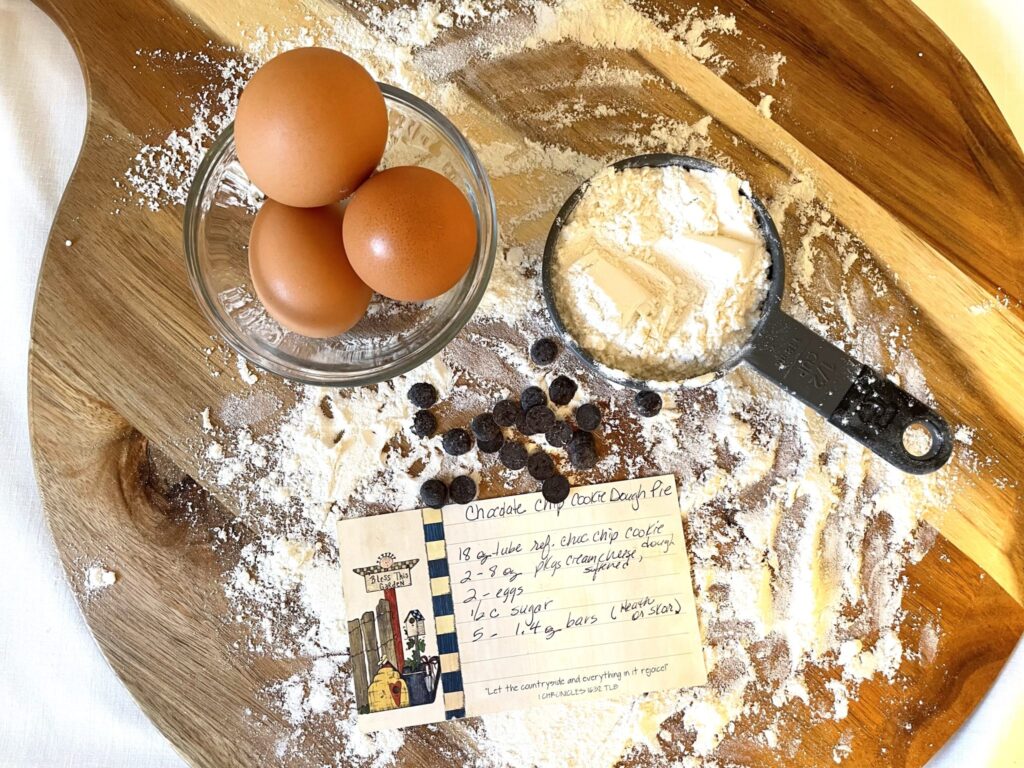
Chopped chocolate bars fold into almost any cookie dough exactly the way chocolate chips do, and the mix of textures from different candy bars, wafer, caramel, nougat, actually improves a plain chocolate chip cookie rather than diluting it.
Chop the bars into rough, uneven pieces about the size of a chocolate chip rather than uniform dice. The variety in size means some pieces melt into pockets and others stay slightly firm, which reads as more interesting than a bag of uniform chips would.
Fold in about the same volume of chopped candy that a recipe calls for in chocolate chips, roughly a cup and a half for a standard batch, and reduce any added sugar in the dough by a couple of tablespoons, since the candy itself is already quite sweet.
The stovetop route for chocolate candy: a quick ganache
Chopped chocolate candy melted with a small amount of warm cream makes a legitimate ganache, the same base used for frosting or a dipping sauce, and it works with almost any chocolate-based candy including ones with nuts or caramel mixed in, since those add texture rather than causing a problem.
Heat a quarter cup of cream just to a simmer, pour it over a cup of chopped candy, let it sit undisturbed for two minutes, then stir until smooth. This is close to the process behind any standard chocolate ganache built from bar chocolate, just starting from a different chocolate source.
The result works as a dip for fruit or pretzels, a filling between cake layers, or thinned slightly with more cream into a pourable sauce for ice cream, which uses up a meaningful amount of the pile in one afternoon of work.
Gummies and sour candy into a stovetop sauce
Gummies and sour chews are mostly sugar, water, and gelatin or starch, which means they melt down into a thick, glossy sauce with almost no additional ingredients needed. This is the best use for this category by a wide margin, since gummies do not fold into baked goods well and tend to go tough and chewy in the oven.
Combine a cup of chopped gummies with two tablespoons of water in a small saucepan over low heat, stirring frequently, until fully melted and smooth, about five minutes. The sauce will thicken further as it cools, so pull it while it still looks slightly thin.
Strain through a fine sieve if any starch-based candies left grainy bits, and use the result as a sundae topping, a swirl in yogurt, or a glaze brushed over a plain cake. Candy that is heavily assorted in flavor produces a slightly muddled but genuinely tasty result, closer to a fruit punch sauce than any single flavor.
Candy corn into no-churn ice cream, carefully
Candy corn dissolves almost completely into a warm liquid, which makes it a poor candidate for folding into ice cream as chunks but a good one for melting into the base itself, adding both sweetness and a faint vanilla-caramel character.
Melt a cup of candy corn with two tablespoons of heavy cream over low heat until smooth, cool completely, then fold that mixture into a standard no-churn base of whipped cream and sweetened condensed milk before freezing. This avoids the raw egg custard base that traditional churned ice cream often uses, which matters for anyone making a quick batch without pasteurized eggs on hand.
Use restraint here: candy corn is intensely sweet, and more than a cup melted into a standard batch pushes the whole thing past pleasant into cloying. A light hand produces something closer to a buttered popcorn or caramel flavor than an obviously candy-corn one.
Sorting the whole pile at a glance
| Candy type | Best use | Avoid |
|---|---|---|
| Chocolate bars, cups | Cookies, ganache | Melting alone without fat, seizes easily |
| Gummies, sour chews | Stovetop sauce | Baking into cookies, goes tough |
| Candy corn | Melted into ice cream base | Baking at high heat, bleeds and burns |
| Caramel-filled, liquid-filled | Eat as is | Any melting recipe, bleeds and separates |
| Lollipops, hard candy | Eat as is, or crush for a garnish | Storage in a slab, goes sticky within a day |
The two rows at the bottom are not a failure to find a use; they are candies that are already at their best in their original form, and trying to repurpose them usually produces a worse result than the wrapper did.
The two candies that should just be eaten
Anything with a liquid or caramel center bleeds and separates the moment it is heated, whether melted into a sauce or baked into a cookie, and the mess is rarely worth the result. These are better eaten on their own terms or given away.
Lollipops and other hard candies draw moisture from the air quickly once crushed, going sticky within a day even in a sealed container. Crushed hard candy scattered over a finished dessert as a garnish works if used the same day; storing it for later use does not.
Licorice is its own category and worth leaving out of any shared recipe entirely, since its flavor is polarizing enough that folding it into a batch of cookies or a shared sauce risks the whole batch rather than one piece.
Allergens in a mixed pile, and why it matters here specifically
A bowl of trick-or-treat candy is a collection of wrappers from a dozen manufacturers, and once several pieces are chopped and melted together there is no way to know afterward what allergens were in the mix. Peanuts and tree nuts show up in a large share of what typically comes home, and cross contact is likely even among pieces that do not list them directly.
Any of the three recipes above should be treated as containing nuts, wheat, milk, and soy unless the candy going in was deliberately chosen from wrappers that were actually read first. That makes these projects fine for a household that already knows what is safe for everyone eating them, and a poor choice for a classroom, an office, or any event where someone’s allergy needs to be managed.
Keeping a few wrappers aside while sorting, rather than tossing them immediately, makes it possible to answer that question later if anyone asks what went into the batch.
How much candy these leftover Halloween candy recipes actually use
A standard batch of chocolate chip cookies uses about a cup and a half of chopped candy, roughly a pound once wrappers are off. The stovetop gummy sauce uses about a cup, closer to half a pound. The candy corn ice cream base uses a cup, which is a small fraction of what a full bag typically contains.
A large trick-or-treat haul, several pounds across all three categories, is more candy than these three recipes use in total, which is realistic. The goal here is not to use every piece; it is to convert the amount that would otherwise sit untouched into something that actually gets eaten, alongside whatever other seasonal treats are already planned for the same week.
Turning the sorting itself into a kitchen project
The sorting step at the start of this whole process is genuinely well suited to being done with kids, since none of the three piles requires a stove or a sharp knife to build, and the decisions, dense versus soft, chocolate versus gummy, are simple enough to hand off entirely.
Weighing each pile on a kitchen scale afterward turns the sort into a quick, informal math exercise, and comparing which pile ended up biggest from one year to the next is a small, low-stakes way to notice patterns in what actually gets handed out on a given block.
The chopping and melting steps that follow need adult supervision, particularly the stovetop gummy sauce, but the measuring and stirring can still be shared once the hot part is handled. It is a lower-pressure version of baking together, since none of these three recipes depends on a precise rise or a delicate temperature the way a cake does.
Framing the whole thing as a project rather than a chore is often what gets a large bowl of candy actually used instead of quietly thrown out in December once it has gone stale and no longer looks appealing to anyone.
Frequently Asked Questions
Can I freeze the leftover candy instead of using it right away?
Yes, raw unmelted candy freezes well in a sealed bag for months, which is a better plan than freezing any of the finished recipes above, since melted chocolate and gummy sauce both change texture after freezing and thawing.
Does the gummy sauce work with just one flavor of candy?
It works better with a single flavor if you have enough of one kind, producing a cleaner, more identifiable sauce. A mixed pile still tastes good, just less like any specific fruit and more like a general fruit-punch flavor.
Is it safe to melt chocolate and gummy candy together?
They do not combine well technically, since chocolate needs to stay free of water and gummies are mostly water and sugar. Keep the two recipes separate rather than trying to melt them in the same pan.
How long does the finished gummy sauce keep?
About two weeks refrigerated in a sealed jar, since the high sugar content acts as a natural preservative. It should still be treated as a homemade sauce rather than a shelf-stable one, and any change in smell or appearance means it is time to toss it.
What if my household does not eat that much candy in general?
Give away or donate what does not fit into a recipe within a couple of weeks rather than holding onto a bowl that lingers into the holidays. A smaller, deliberately used portion beats a large stale one every time.
Sort the bowl into its three piles this week rather than waiting, since gummies harden and chocolate candy starts to bloom the longer it all sits together in one dish.