
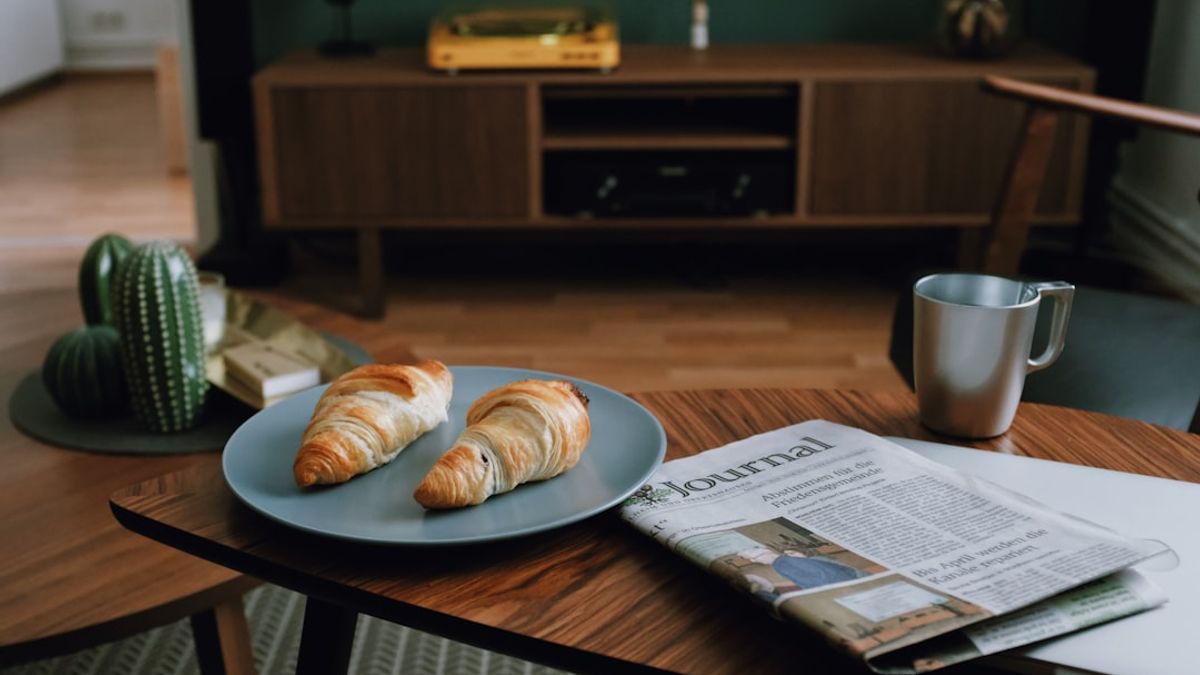
The IKEA 2026 food trends report is reshaping how the world thinks about cooking and eating at home. Drawing on insights from the IKEA Cooking & Eating Report 2026 and a sweeping global survey, this year’s findings reveal a notable shift: a growing number of people are choosing the sofa over the dining table for nightly meals. The rise of “sofa suppers” and “bed-dining” reflects deeper changes in how we live, work, and connect with food. As the boundaries between rooms blur and daily routines evolve, IKEA 2026 food trends offer a window into the kitchens and living rooms of the future. What drives these changes? Who is leading the transformation? And how are iconic IKEA products—from tables and sofa-beds to desks and lighting—adapting to meet new habits? This in-depth report explores the rituals, design shifts, and emotional forces behind the new era of home dining, with a special focus on the impact across regions like the US, UK, and India. Meal Prep Mastery for Busy Professionals: The Complete 2-Hour Sunday System
The IKEA 2026 Food Trends: Key Insights from the Global Cooking & Eating Report
According to the IKEA Cooking & Eating Report 2026, the way the world prepares and consumes food is undergoing a profound transformation. This annual study, now in its latest edition, draws on the experiences of tens of thousands of participants across numerous countries, including major markets such as the US, UK, and India. The findings paint a vivid picture of shifting routines, emotional connections, and the evolving role of home spaces. IKEA 2026 food trends highlight the most significant changes shaping kitchens and dining spaces worldwide.
The 2026 report highlights several major trends shaping kitchens and dining spaces worldwide:
- The rise of the sofa supper: Eating on the sofa—once a guilty pleasure—has become more common. A significant portion of people now choose the sofa for dinner, according to the report.
- Cooking as connection: Meal preparation is no longer just about sustenance; it’s a “love language,” a way to bond with family, friends, and even oneself.
- The fading dining room: Formal dining areas are on the decline, with less than half of respondents reporting regular meals at a dining table.
- Global flavors at home: Interest in international cuisines is rising, but active exploration remains limited—only a minority of people actively seek out diverse flavors.
These findings, reported by outlets such as Better Homes & Gardens and Parade, reveal not only what we eat but how our homes and relationships are adapting to new realities. IKEA 2026 food trends provide a lens into these evolving dynamics.
- Sofa suppers and bed-dining reflect a broader cultural shift toward flexible, informal living spaces.
- Cooking as a social and emotional connector is gaining importance, especially among younger generations who prioritize shared experiences.
- Furniture innovation is accelerating to accommodate multi-use spaces, with modular and convertible designs leading the way.
Methodology and Global Reach
The 2026 IKEA report stands out for its breadth. Drawing on responses from numerous countries—including IKEA’s key markets in the US, UK, and India—the study captures both universal and regional differences. For example, while “sofa suppers” are popular in the US and UK, mealtime rituals in India still favor communal dining, although changes are emerging. The diversity of perspectives ensures the trends are truly global, not just Western-centric.
Why These Trends Matter
These insights have implications beyond IKEA’s product design. Urban planners, nutritionists, and sociologists monitor this data to understand how modern life is reshaping the family meal. Understanding these behaviors can inform everything from apartment layouts to health policy. The IKEA 2026 food trends offer a snapshot—and a preview—of where collective appetites may be heading.
“Eating on the sofa is becoming a common choice for dinner, signaling a shift in how mealtime and home living are viewed.” – IKEA Cooking & Eating Report 2026
Cooking as a New Love Language: Emotional Connections in the Kitchen
One of the most striking revelations from the IKEA 2026 food trends report is the emotional weight that cooking now carries. As highlighted by Better Homes & Gardens, IKEA describes cooking as “the new love language.” This means mealtime is becoming less about formality and more about fostering connection—between partners, families, and even roommates.
According to the report, an increasing number of people see food preparation as a way to express care and affection. This is particularly true among Millennials and Gen Z, who are more likely to view cooking as a shared, meaningful experience rather than a chore. As technology saturates daily life, unplugging to chop, stir, and taste together is seen as a way to nurture relationships.
- Couples cook together as a form of bonding, often turning meal prep into a nightly ritual.
- Parents involve children in the kitchen, teaching skills and creating memories.
- Solo diners use cooking as self-care, experimenting with new recipes or comfort foods.
This shift is mirrored in the design of IKEA kitchens, with modular tables and flexible storage making it easier to gather, share, and collaborate. These trends are reflected in the latest showrooms, where open-concept layouts and multipurpose islands invite togetherness. Sourdough Bread Mastery: The Complete Beginner Guide with Troubleshooting for Perfect Loaves
Kitchen Design for Connection
IKEA’s 2026 kitchen collections, available in markets like the US, UK, and India, focus on enabling connection. Modular tables, extendable surfaces, and storage solutions are designed for adaptability, allowing families to cook side by side or host impromptu gatherings. Even desks are being reimagined as spaces that can transition from remote work to evening meal prep, emphasizing the kitchen’s role as the heart of the home.
Cultural Shifts and Generational Differences
While the desire for connection is nearly universal, the ways people enact it are deeply cultural. In India, for example, family meals remain central, but younger generations are bringing new flavors and ingredients to the table. In the UK and US, busy schedules mean that cooking together is often reserved for weekends or special occasions. The IKEA 2026 food trends report highlights these nuanced differences, suggesting that the “love language” of cooking adapts to local rhythms and needs.
Story Spotlight: The Rise of Sofa Suppers in Urban UK
A study conducted by IKEA UK found a notable share of respondents living in London reported regularly eating dinner on their sofas rather than at a traditional dining table. This shift correlates with the prevalence of compact living spaces and open-plan apartments in the city. Many individuals valued the comfort and relaxation associated with sofa dining, often pairing meals with streaming entertainment. IKEA UK has responded by showcasing modular sofas with integrated trays and side tables designed specifically for eating in living areas.
The Decline of the Dining Room: Sofas and Beds Take Center Stage
Perhaps the most headline-grabbing finding of the IKEA 2026 food trends report is the decline of the traditional dining room. As reported by Domino, less than half of respondents regularly eat at a dining table. Instead, the living room sofa—and increasingly, the bed—are becoming the new mealtime hubs.
- Open-plan living spaces have reduced the distinction between dining and lounging areas.
- Compact urban homes, especially in cities like London, New York, and Mumbai, often lack a dedicated dining room.
- Busy lifestyles make informal, flexible eating more appealing than formal sit-down meals.
- Screen time habits, such as watching TV or scrolling on a phone, encourage eating where relaxation happens.
The IKEA 2026 food trends report notes a growing number of people now eat dinner on the sofa, a trend that has increased steadily over recent years. In some urban areas, the figure is even higher, as apartments shrink and multifunctional furniture like sofa-beds becomes more popular.
Furniture for Modern Mealtimes
IKEA’s furniture lines are evolving to meet these new needs. The classic table remains a bestseller, but sales of sofa-beds, modular sofas, and nesting side tables have increased. In markets like the UK and India, shoppers are looking for pieces that can support eating, working, and relaxing in the same space. Items like desks that can double as dining surfaces and compact dining sets are designed with flexibility in mind. Air Fryer Mastery: The Complete Science-Based Guide to Perfect Results Every Time
Implications for Social Life and Wellbeing
While the sofa supper may seem like a loss of tradition, some sociologists suggest it reflects a more relaxed and authentic approach to family life. Informal meals can foster conversation and reduce pressure, especially for families with young children. However, concerns remain about the impact of screens and distracted eating. Clinical research from the Mayo Clinic suggests that mindful eating—paying full attention to the meal—can support better digestion and emotional wellbeing, though further studies are ongoing.
Sofa Suppers and Bed-Dining: How Gen Z Is Rewriting Mealtime Rituals
The 2026 IKEA food trends report pays special attention to generational differences—particularly the influence of Gen Z. As detailed by Parade, younger adults are leading the shift toward “sofa suppers” and even “bed-dining.” These rituals, once considered lazy or indulgent, are now seen as practical responses to fast-paced, flexible lifestyles.
For Gen Z and Millennials—often living in shared apartments, studios, or with family—space is at a premium. The sofa-bed, a staple of IKEA’s catalog, represents this new reality: a single piece of furniture must serve multiple functions throughout the day. Eating in bed or on the sofa is not simply about convenience; it’s about making the most of limited space and time.
- Bedroom banquets: Eating breakfast or even dinner in bed, often while streaming content, is increasingly normalized.
- Standing snacks: Quick bites are consumed at kitchen counters or even while moving between rooms.
- Solo rituals: Many young adults embrace eating alone as a form of self-care, curating playlists or favorite shows to accompany meals.
The report indicates a notable generational difference in mealtime locations, with younger adults more frequently eating outside traditional dining rooms. This generational gap is driving innovation in both product design and store layout, with IKEA showrooms emphasizing multi-use furniture and compact living solutions.
Design Innovation for Compact Spaces
The demand for furniture that adapts to new eating habits is spurring innovation at IKEA. From fold-out tables to space-saving storage and versatile sofa-beds, 2026 collections are designed for flexibility. In urban centers, customers expect pieces that can transition from workspace to dining area to lounge in seconds. Desks with hidden storage, modular shelving, and easy-to-clean surfaces address the realities of sofa suppers and bed-dining.
Social Media and the New Meal Rituals
Gen Z’s mealtime habits are amplified by social media. Food photography, recipe sharing, and home “setups” for eating in bed or on the sofa are now part of online identity. These public rituals blur the line between private and shared experiences, influencing everything from product design to advertising campaigns. Open – Fire Cooking: 7 Healthy Recipes To Try In 2025
Global Cuisines and the Search for New Flavors: Limited but Growing Curiosity
While the desire for novelty is high, the IKEA 2026 food trends report reveals a gap between aspiration and reality when it comes to exploring global cuisines. As cited by Better Homes & Gardens, only a minority of respondents say they actively seek out new international dishes at home. The majority still rely on familiar flavors and routines.
This tension—between curiosity and comfort—shapes how people shop, cook, and eat. In the US and UK, popular cuisines like Italian, Mexican, and Asian fare are widely adopted, but more niche or regional dishes remain underexplored. In India, traditional recipes dominate, but there is growing interest in fusion and global flavors, especially among urban youth.
- Global ingredient sections in major IKEA stores are expanding, offering customers access to new spices, sauces, and ready-to-cook meals.
- Food courts in locations like the US and India are introducing limited-time global menu items alongside classics like Swedish meatballs.
- Cooking workshops and online content encourage shoppers to try new recipes, often using IKEA kitchenware and cookware.
Industry reports indicate that, while only a segment of consumers actively explore new foods, this group is growing—driven by travel, social media, and increased access to ingredients. For those searching “IKEA near me,” the store is as much a culinary destination as a furniture retailer.
Barriers to Exploration
Why do many people hesitate to try new cuisines? The report points to several factors:
- Time constraints: Learning new recipes can be challenging for busy households.
- Ingredient availability: In some regions, access to authentic ingredients remains limited, though efforts are underway to address this gap.
- Comfort and nostalgia: Familiar foods offer emotional security in uncertain times.
Responses include ready-to-cook meal kits, cross-cultural recipe cards, and in-store tastings designed to lower barriers to experimentation. Digital platforms also provide step-by-step guides, helping customers recreate global flavors at home, whether in studio flats or larger family kitchens.
Food as an Expression of Identity
For many, food is more than sustenance—it’s a way to express identity, heritage, and aspiration. The IKEA 2026 food trends report notes that even those who stick to familiar recipes are often inspired by global influences, adapting classic dishes with new twists. This blending of old and new is visible in everything from product displays to recipe suggestions at major stores.
Kitchens in Crisis: Dissatisfaction and the Quest for Functional Spaces
Beneath the excitement of new trends, the IKEA 2026 food trends report uncovers a persistent challenge: kitchen dissatisfaction. According to a summary on IKEA Hackers, a significant portion of respondents are unhappy with their current kitchen layouts or storage solutions. Cluttered cabinets, cramped countertops, and inefficient appliances are common complaints worldwide.
This sense of frustration is not limited to small apartments; even larger homes report similar issues, suggesting that the problem is often one of design rather than sheer space. As more people cook and eat at home—thanks in part to the rise of remote work and flexible routines—the demand for smarter, more adaptable kitchens is rising.
- Modular storage: IKEA’s 2026 collections feature stackable containers, pull-out racks, and adjustable shelving to maximize space.
- Flexible surfaces: Fold-out tables, movable kitchen islands, and extendable counters help transform kitchens for different uses throughout the day.
- Integrated technology: Smart lighting, app-controlled appliances, and voice assistants are finding their way into kitchen designs.
For those searching “IKEA desk” or “IKEA table” online, the appeal is clear: furniture that adapts to the messiness and unpredictability of daily life. The trend is especially pronounced in cities where space is limited.
Wellbeing and Kitchen Satisfaction
According to research from the National Institutes of Health, kitchen satisfaction can influence not only cooking frequency but also mental wellbeing. Organized, welcoming spaces are linked to increased meal preparation, which in turn supports healthier eating habits. IKEA’s focus on functional design, as reflected in the 2026 report, aims to enable better lives.
Regional Differences in Kitchen Needs
Different regions have distinct kitchen challenges. In India, for example, multi-generational households require flexible layouts and durable surfaces. In the US, open-plan kitchens often double as work zones, demanding hybrid solutions like desk-table combos. In the UK, compact flats drive demand for wall-mounted storage and collapsible counters. The 2026 food trends report reflects these nuances, ensuring that new products meet the needs of a global customer base.
IKEA’s Response: How Products and Stores Are Evolving with Food Trends
How is IKEA responding to these sweeping changes? The company’s 2026 product launches and store redesigns are direct responses to the trends revealed in the latest food report. Whether it’s the rise of sofa suppers, the fading dining room, or the quest for flexible kitchens, IKEA is positioning itself as a leader in the new era of home dining.
- Multi-use furniture: Sofa-beds, nesting tables, and modular units dominate new collections, reflecting demand for adaptability.
- Kitchen innovation: Expandable tables, integrated storage, and compact appliances are front and center in showrooms worldwide.
- In-store experiences: Larger food courts, open kitchens, and live cooking demos invite customers to explore global flavors and new meal rituals.
- Digital engagement: Online platforms offer recipe inspiration, product guides, and virtual kitchen planning tools, catering to customers searching “IKEA near me” from home.
Showrooms in major markets now feature real-life vignettes of sofa suppers, bed-dining setups, and open-plan kitchens, encouraging shoppers to envision new possibilities. The focus is on flexibility, comfort, and the celebration of everyday rituals, however unconventional they may seem.
Regional Adaptations and Customer Feedback
Customer feedback drives many of these innovations. In India, IKEA has introduced larger dining sets and spice storage tailored to local cooking habits. In the US, demand for home office-kitchen hybrids has spurred the creation of desks that double as breakfast bars. In the UK, compact storage and wall-mounted tables help city dwellers maximize space. By listening to customers and adapting to local needs, IKEA ensures its food trends research is more than a marketing exercise—it’s a blueprint for real-world change.
The Role of Sustainability in Kitchen Design
Sustainability is a growing concern for shoppers worldwide. IKEA’s 2026 collections emphasize recycled materials, energy-efficient appliances, and waste-reducing storage. These features are increasingly important to consumers who view sustainable kitchens as an extension of their values. The IKEA 2026 food trends report notes that eco-friendly design is becoming a baseline expectation.
Conclusion: The Future of Home Dining According to IKEA 2026 Food Trends
The IKEA 2026 food trends report is more than a snapshot of changing habits—it’s a roadmap for the future of home dining. As sofas and beds overtake dining tables, and cooking becomes a new language of care, the boundaries between rooms, roles, and rituals are dissolving. The data shows that people crave connection, flexibility, and comfort—but they also want kitchens and living spaces that adapt to their evolving needs.
IKEA’s response, from innovative furniture to global food offerings, positions the company at the forefront of these cultural shifts. Whether you’re searching for an “IKEA near me” in the US, exploring new layouts at IKEA Reading in the UK, or discovering fusion recipes at IKEA India, the company’s evolving product lines and store experiences reflect the very trends identified in their research. By listening to customers and anticipating their needs, IKEA remains a trusted partner in the journey toward better living.
For those planning a kitchen remodel, seeking inspiration for flexible living, or simply curious about what the next meal might look like, the IKEA 2026 food trends offer a compelling guide. The era of the sofa supper, the kitchen-as-hub, and global flavor exploration is here—and it’s only just beginning. To dive deeper, explore the full IKEA Cooking & Eating Report 2026, visit your local IKEA, or browse their digital platforms for the latest in kitchen innovation and culinary inspiration. The future of food at home is flexible, communal, and, above all, full of possibility.