
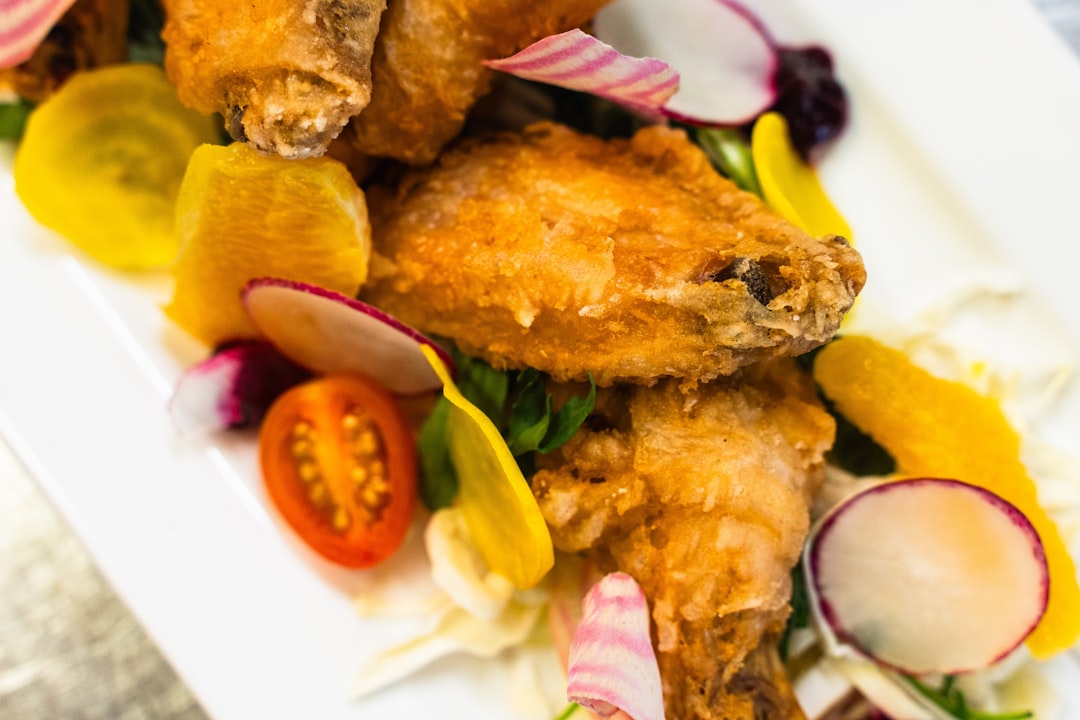
There is something deeply satisfying about biting into a chicken wing that shatters with a clean, audible crunch before yielding to juicy, well-seasoned meat underneath. For years, achieving that texture meant deep frying in several cups of oil, splattering countertops and filling kitchens with lingering grease. The air fryer has changed the equation entirely. By circulating superheated air around the wings at high velocity, it renders fat from the skin and creates a crackling exterior that rivals any deep-fried version, with a fraction of the oil and mess.
In this comprehensive guide, you will learn the exact technique for producing air fryer chicken wings that come out extra crispy every single time. We will cover the science behind why certain preparation methods work, walk through five distinct flavor variations that span global cuisines, and provide you with a complete recipe card including nutrition information. Whether you are cooking for game day, a weeknight dinner, or meal prepping for the week ahead, these wings deliver bold flavor without compromise.
Why Air Fryer Chicken Wings Outperform Other Methods
The air fryer works on the principle of convection heating. A powerful fan drives hot air across every surface of the food at speeds that far exceed a conventional oven. For chicken wings, this matters enormously. The skin on a chicken wing contains a significant layer of subcutaneous fat. When exposed to the intense, direct heat of an air fryer set to 400 degrees Fahrenheit, that fat begins to render rapidly. As the fat melts away, the skin tightens and dries out, creating the conditions necessary for Maillard browning and crispification.
Compared to deep frying, air frying reduces total fat content by up to 75 percent according to research published by the United States Department of Agriculture (USDA). Compared to oven baking, the air fryer produces noticeably crispier results because the concentrated airflow mimics the convective heat transfer of oil without submerging the food. The result is a wing that looks deep-fried, tastes deeply seasoned, and carries a nutritional profile closer to baked chicken.
Another practical advantage involves time. A full batch of air fryer chicken wings requires approximately 24 to 28 minutes of cook time with no preheating delay, no oil temperature monitoring, and no post-cooking oil disposal. Cleanup involves wiping down a removable basket rather than scrubbing a Dutch oven coated with hardened grease.
Selecting and Preparing Wings for Maximum Crispiness
The foundation of excellent air fryer wings begins at the grocery store. Look for fresh, never-frozen wings whenever possible. Previously frozen wings release excess moisture during cooking, which creates steam in the air fryer basket and inhibits crisping. If you must use frozen wings, thaw them completely in the refrigerator for 24 hours and then pat them thoroughly dry with paper towels before seasoning.
Separate each wing into three pieces: the drumette, the flat (also called the wingette), and the tip. Discard the tips or save them for stock. The drumette and flat cook at slightly different rates due to their shape and meat distribution, but the air fryer handles this variation well as long as pieces are arranged in a single layer.
The Dry-Brine Method
Professional kitchens have long used dry-brining to improve poultry texture and flavor. For chicken wings, the technique is simple: toss the separated wing pieces with one teaspoon of kosher salt and half a teaspoon of baking powder per pound of wings. Arrange them on a wire rack set over a sheet pan and refrigerate, uncovered, for at least four hours and up to overnight.
The salt draws moisture to the surface through osmosis, then that moisture dissolves the salt and is reabsorbed into the meat along with the seasoning. The baking powder raises the skin’s pH, which accelerates Maillard browning and creates microscopic bubbles in the skin as it heats. The uncovered refrigeration period allows the surface to dry further. The combined effect is dramatically crispier skin with better seasoning penetration than any wet marinade can achieve. This technique is endorsed by food scientists at Serious Eats, who have tested it extensively in controlled kitchen experiments.
Essential Equipment and Settings
Most air fryers perform well for wings, but basket-style models tend to produce slightly crispier results than oven-style models because the basket allows hot air to reach the underside of each piece. Set the temperature to 400 degrees Fahrenheit. If your air fryer has a preheat function, use it, though it is not strictly necessary. Cook in batches small enough that pieces do not overlap. Crowding leads to steaming rather than crisping.
The Base Recipe: Classic Crispy Air Fryer Chicken Wings
Classic Crispy Air Fryer Chicken Wings
Prep Time: 15 minutes (plus 4 hours dry-brine) | Cook Time: 26 minutes | Total Time: 41 minutes active | Servings: 4
Ingredients
- 2 pounds chicken wings, separated into drumettes and flats
- 1 tablespoon kosher salt
- 1 teaspoon baking powder (aluminum-free)
- 1 teaspoon garlic powder
- 1 teaspoon onion powder
- 1/2 teaspoon smoked paprika
- 1/2 teaspoon freshly ground black pepper
- Cooking spray (avocado or olive oil)
Instructions
- Pat wings completely dry with paper towels. Combine salt, baking powder, garlic powder, onion powder, smoked paprika, and black pepper in a large bowl.
- Add wings to the bowl and toss until every piece is evenly coated with the seasoning mixture.
- Place wings on a wire rack over a sheet pan. Refrigerate uncovered for 4 to 12 hours for the dry-brine effect.
- Remove wings from refrigerator 20 minutes before cooking to take the chill off.
- Lightly spray the air fryer basket with cooking spray. Arrange wings in a single layer without overlapping.
- Cook at 400 degrees Fahrenheit for 12 minutes. Flip each wing using tongs.
- Cook for an additional 12 to 14 minutes until the internal temperature reaches 165 degrees Fahrenheit and the skin is deeply golden and crispy.
- Remove wings and let rest for 2 minutes before tossing in your chosen sauce or serving with a dry rub.
5 Bold Flavor Variations
The beauty of this base recipe is its versatility. Once the wings emerge from the air fryer perfectly crispy, you can take them in any flavor direction. Below are five tested variations that cover a range of taste profiles from fiery to sweet, tangy to umami-rich.
1. Classic Buffalo
Melt 4 tablespoons of unsalted butter in a saucepan over medium heat. Add half a cup of your preferred hot sauce (Frank’s RedHot is the traditional choice) and whisk until combined. Add one tablespoon of white vinegar and a pinch of cayenne pepper for extra heat. Toss the hot wings in the sauce immediately after cooking. Serve with celery sticks and blue cheese dressing.
2. Honey Garlic
Combine a quarter cup of honey, 3 tablespoons of soy sauce, 2 tablespoons of minced fresh garlic, 1 tablespoon of rice vinegar, and 1 teaspoon of sesame oil in a small saucepan. Simmer over medium-low heat for 5 minutes until slightly thickened. Toss wings in the glaze and garnish with toasted sesame seeds and sliced scallions.
3. Korean Gochujang
Whisk together 3 tablespoons of gochujang paste, 2 tablespoons of soy sauce, 1 tablespoon of rice vinegar, 1 tablespoon of brown sugar, 1 teaspoon of toasted sesame oil, and 1 clove of grated garlic. Toss wings in the sauce and finish with a sprinkle of toasted sesame seeds and thinly sliced green onions. This variation delivers a complex heat that builds gradually rather than hitting all at once.
4. Lemon Pepper Parmesan
While the wings are still hot, toss them with the zest of two lemons, 2 teaspoons of coarsely ground black pepper, a quarter cup of finely grated Parmigiano-Reggiano, 1 tablespoon of melted butter, and a pinch of flaky sea salt. The cheese melts slightly against the hot skin, creating an umami-rich crust that pairs beautifully with the bright citrus.
5. Smoky Chipotle Lime
Blend 2 chipotle peppers in adobo sauce with 2 tablespoons of the adobo liquid, the juice of 2 limes, 1 tablespoon of honey, and a pinch of cumin in a food processor until smooth. Toss wings in the sauce and garnish with fresh cilantro and a squeeze of additional lime. This variation brings smoky depth with a tangy finish.
Flavor Comparison Guide
| Flavor Variation | Heat Level | Sweetness | Prep Time | Best Pairing | Dietary Notes |
|---|---|---|---|---|---|
| Classic Buffalo | Medium-High | None | 5 min | Blue cheese, celery | Gluten-free (check hot sauce) |
| Honey Garlic | None | Medium | 8 min | Steamed rice, slaw | Contains soy |
| Korean Gochujang | Medium | Low | 5 min | Pickled radish, rice | Contains soy, fermented chili |
| Lemon Pepper Parmesan | Low | None | 3 min | Arugula salad, white wine | Contains dairy |
| Smoky Chipotle Lime | Medium | Low | 5 min | Tortilla chips, guacamole | Gluten-free |
Pro Tips for Consistently Crispy Results
Even with the right technique, small details can make the difference between good wings and extraordinary ones. Keep these professional tips in mind every time you cook.
Do not skip the drying step. Surface moisture is the enemy of crispiness. After dry-brining, the wings should look noticeably drier. If you skipped the dry-brine, at minimum pat each piece with paper towels until no moisture transfers.
Flip once, and only once. Excessive flipping disrupts the crisping process. One flip at the halfway point ensures even browning on both sides without disturbing the rendered fat layer.
Sauce after cooking, never before. Sugar-based sauces will burn in the air fryer. Toss wings in sauce immediately after removing them from the basket so the residual heat helps the sauce adhere and set.
Use an instant-read thermometer. Internal temperature should reach 165 degrees Fahrenheit as measured at the thickest part of the meat near the bone. Visual appearance alone is not a reliable indicator of doneness, especially with smoked paprika in the rub, which darkens the exterior.
Let the basket breathe. If cooking multiple batches, remove the basket briefly between batches to wipe away accumulated grease. This prevents smoking and ensures the second batch crisps as well as the first.
Nutrition Information Per Serving
| Nutrient | Amount (Base Recipe) | % Daily Value |
|---|---|---|
| Calories | 320 kcal | 16% |
| Total Fat | 22 g | 28% |
| Saturated Fat | 6 g | 30% |
| Cholesterol | 94 mg | 31% |
| Sodium | 680 mg | 30% |
| Total Carbohydrates | 2 g | 1% |
| Protein | 26 g | 52% |
| Iron | 1.4 mg | 8% |
Nutrition values are approximate and based on the base recipe without sauce. Adding sauces will modify calorie and sodium counts. Buffalo sauce adds approximately 50 calories and 800 mg sodium per serving. Honey garlic adds approximately 70 calories and 600 mg sodium per serving. Values calculated using USDA food composition databases.
Storing, Reheating, and Meal Prep Strategies
Cooked wings store well in the refrigerator for up to four days in an airtight container. For best results when reheating, use the air fryer again at 375 degrees Fahrenheit for 5 to 6 minutes. This re-crisps the skin far better than a microwave, which turns it rubbery, or a conventional oven, which takes three times as long.
For meal prep, complete the dry-brine and seasoning steps, then freeze the raw seasoned wings on a parchment-lined sheet pan until solid. Transfer to freezer bags and store for up to three months. Cook directly from frozen by adding 5 to 7 minutes to the total cook time and flipping twice instead of once.
If you want to prepare sauces in advance, buffalo sauce and gochujang sauce keep well in the refrigerator for up to two weeks. Honey garlic sauce should be made fresh or within three days, as the garlic flavor intensifies and can become bitter over time.
Common Mistakes and How to Avoid Them
Understanding what goes wrong helps prevent repeating those errors. The most frequent issue home cooks encounter with air fryer wings is soggy skin, which almost always traces back to one of three causes: excess surface moisture, overcrowding the basket, or cooking at too low a temperature. Address all three simultaneously for guaranteed crispiness.
Another common mistake is using wet marinades before air frying. Liquid-based marinades add surface moisture that must evaporate before crisping can begin, effectively wasting the first several minutes of cook time. If you want marinated flavor, use a dry rub and reserve any liquid sauces for post-cooking application.
Finally, avoid using too much oil. A light spray is sufficient. The wings contain enough natural fat in their skin to self-baste during cooking. Excess oil pools in the bottom of the basket, creates smoke, and does not improve texture.
Frequently Asked Questions
Can I cook frozen chicken wings in the air fryer without thawing?
Yes, you can cook frozen wings directly in the air fryer, but the results will not be as crispy as thawed wings. Add 5 to 7 extra minutes of cook time, flip the wings twice during cooking, and ensure the internal temperature reaches 165 degrees Fahrenheit. The dry-brine method, which is essential for maximum crispiness, cannot be applied to frozen wings, so expect slightly less crispy skin.
How do I prevent wings from sticking to the air fryer basket?
Lightly spray the basket with avocado oil or olive oil cooking spray before placing the wings. Avoid nonstick sprays that contain lecithin or propellants, as these can damage the basket coating over time. Alternatively, use perforated parchment paper liners designed specifically for air fryers, which allow airflow while preventing sticking.
What is the best air fryer temperature for chicken wings?
400 degrees Fahrenheit is the optimal temperature for chicken wings in most air fryer models. Some recipes suggest starting at a lower temperature and finishing high, but testing consistently shows that a steady 400 degrees produces the best combination of crispy skin and juicy meat in the shortest time. If your air fryer runs hot, reduce to 390 degrees and check doneness a minute earlier.
How many wings can I cook at once in an air fryer?
This depends entirely on your air fryer’s basket size. As a general rule, arrange wings in a single layer with small gaps between each piece. For a standard 5.8-quart air fryer, this means approximately 10 to 12 wing pieces per batch. Cooking in smaller batches produces better results than trying to fit everything in at once. Most air fryers in the 6 to 8 quart range can handle about 1.5 pounds of wings per batch.
Adapting This Recipe for Different Diets
The base recipe is naturally gluten-free, dairy-free, and low-carb, making it compatible with paleo, keto, and Whole30 dietary frameworks. For strict keto adherence, choose the buffalo, lemon pepper, or smoky chipotle lime variation, as honey garlic and gochujang both contain sugars that increase carbohydrate content.
For a lower-sodium version, reduce the kosher salt in the dry-brine to half a teaspoon per pound and compensate with additional garlic powder and onion powder for flavor. Baking powder is essential for texture and should not be reduced. Choose the lemon pepper Parmesan variation, which relies on citrus and cheese for flavor rather than salty sauces.
If you explore creative approaches to cooking technique and want to apply them across different proteins, you may find additional inspiration in our guides to other quick recipes that utilize similar high-heat methods. For those looking to pair these wings with complementary side dishes, our cooking tips section covers vegetable preparations and grain salads that balance richly flavored proteins.
Air fryer chicken wings represent one of the most rewarding applications of this increasingly essential kitchen appliance. With the dry-brine technique, proper temperature management, and a repertoire of five distinct flavor profiles, you are equipped to produce restaurant-quality wings at home any night of the week. The only remaining question is which flavor to try first.
Disclaimer: Nutritional information provided in this article is approximate and calculated using publicly available USDA food composition data. Individual results may vary based on specific ingredients, brands, and portion sizes. Consult a registered dietitian or healthcare professional for personalized dietary advice. Cooking times may vary depending on your specific air fryer model and wattage. Always verify internal meat temperature with a calibrated thermometer to ensure food safety.
Sources and further reading: King Arthur Baking for baking powder chemistry in cooking applications.
For related reading in this category, see Culinary Adventures: Exploring Fermentation at Home and Savoring Tradition: Exploring Heirloom Recipes from Around the World.
{“@context”:”https://schema.org”,”@graph”:[{“@type”:”Recipe”,”name”:”Classic Crispy Air Fryer Chicken Wings”,”author”:{“@type”:”Organization”,”name”:”MunchieCooking Team”,”url”:”https://munchiecooking.com/about-us/”},”datePublished”:”2026-03-17″,”description”:”Extra crispy air fryer chicken wings using the dry-brine method with baking powder. Includes five bold flavor variations from buffalo to Korean gochujang.”,”prepTime”:”PT15M”,”cookTime”:”PT26M”,”totalTime”:”PT41M”,”recipeYield”:”4 servings”,”recipeCategory”:”Appetizer”,”recipeCuisine”:”American”,”keywords”:”air fryer chicken wings, crispy wings, buffalo wings, air fryer recipe”,”recipeIngredient”:[“2 pounds chicken wings, separated into drumettes and flats”,”1 tablespoon kosher salt”,”1 teaspoon baking powder (aluminum-free)”,”1 teaspoon garlic powder”,”1 teaspoon onion powder”,”1/2 teaspoon smoked paprika”,”1/2 teaspoon freshly ground black pepper”,”Cooking spray”],”recipeInstructions”:[{“@type”:”HowToStep”,”text”:”Pat wings completely dry with paper towels. Combine salt, baking powder, garlic powder, onion powder, smoked paprika, and black pepper in a large bowl.”},{“@type”:”HowToStep”,”text”:”Add wings to the bowl and toss until every piece is evenly coated.”},{“@type”:”HowToStep”,”text”:”Place wings on a wire rack over a sheet pan. Refrigerate uncovered for 4 to 12 hours.”},{“@type”:”HowToStep”,”text”:”Remove wings from refrigerator 20 minutes before cooking.”},{“@type”:”HowToStep”,”text”:”Spray the air fryer basket lightly. Arrange wings in a single layer.”},{“@type”:”HowToStep”,”text”:”Cook at 400 degrees Fahrenheit for 12 minutes. Flip each wing.”},{“@type”:”HowToStep”,”text”:”Cook for an additional 12 to 14 minutes until internal temperature reaches 165 degrees Fahrenheit.”},{“@type”:”HowToStep”,”text”:”Rest for 2 minutes, then toss in your chosen sauce.”}],”nutrition”:{“@type”:”NutritionInformation”,”calories”:”320 kcal”,”fatContent”:”22 g”,”saturatedFatContent”:”6 g”,”cholesterolContent”:”94 mg”,”sodiumContent”:”680 mg”,”carbohydrateContent”:”2 g”,”proteinContent”:”26 g”},”image”:[“https://munchiecooking.com/wp-content/uploads/2026/03/air-fryer-chicken-wings-crispy.jpg”]},{“@type”:”FAQPage”,”mainEntity”:[{“@type”:”Question”,”name”:”Can I cook frozen chicken wings in the air fryer without thawing?”,”acceptedAnswer”:{“@type”:”Answer”,”text”:”Yes, you can cook frozen wings directly in the air fryer, but add 5 to 7 extra minutes of cook time, flip twice, and ensure internal temperature reaches 165 degrees Fahrenheit. Results will not be as crispy as thawed wings.”}},{“@type”:”Question”,”name”:”How do I prevent wings from sticking to the air fryer basket?”,”acceptedAnswer”:{“@type”:”Answer”,”text”:”Lightly spray the basket with avocado oil or olive oil cooking spray. Avoid nonstick sprays containing lecithin or propellants. Alternatively, use perforated parchment paper liners designed for air fryers.”}},{“@type”:”Question”,”name”:”What is the best air fryer temperature for chicken wings?”,”acceptedAnswer”:{“@type”:”Answer”,”text”:”400 degrees Fahrenheit is optimal for most air fryer models. A steady 400 degrees produces the best combination of crispy skin and juicy meat in the shortest time.”}},{“@type”:”Question”,”name”:”How many wings can I cook at once in an air fryer?”,”acceptedAnswer”:{“@type”:”Answer”,”text”:”Arrange wings in a single layer with small gaps. A standard 5.8-quart air fryer holds approximately 10 to 12 wing pieces per batch. Most 6 to 8 quart models handle about 1.5 pounds per batch.”}}]}]}