
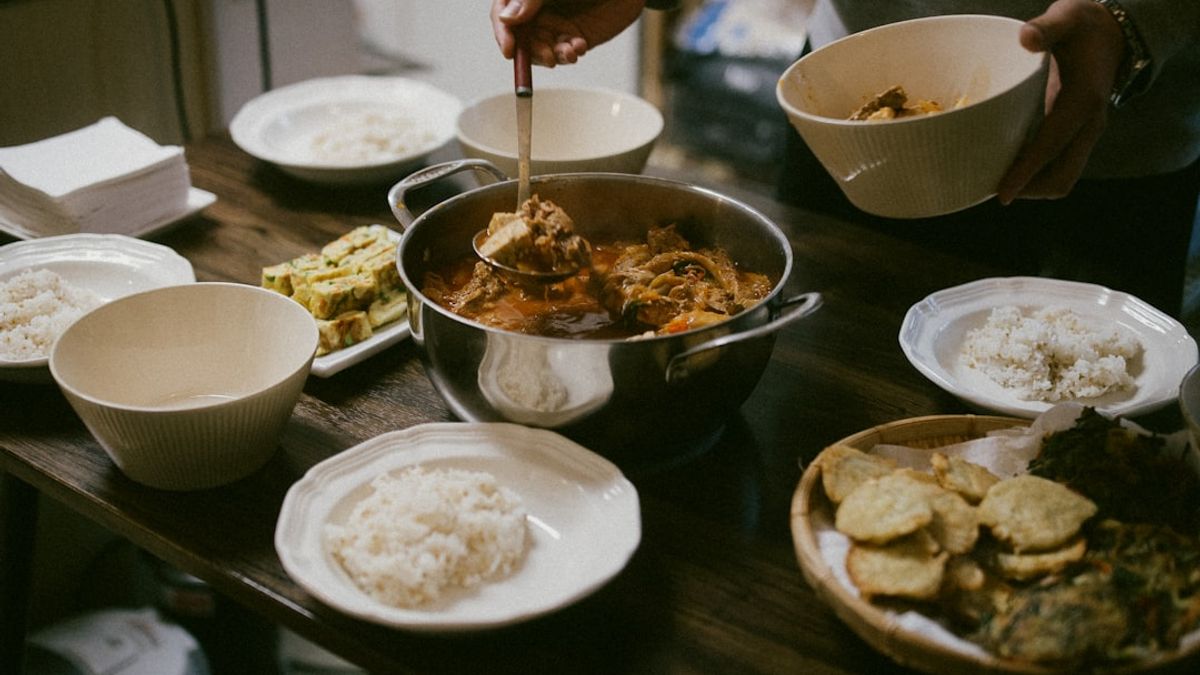
Cooking from another food tradition requires more than adding one unfamiliar spice to a familiar dish. The most useful lessons are techniques: how aromatics are cooked, when spices enter the pan, how acidity balances richness, and how a sauce connects simple ingredients.
The ideas below are starting points for respectful exploration, not substitutes for the full history or regional variety of any cuisine. Follow cooks and authors from the traditions you want to learn, and treat adaptations as adaptations.
1. Bloom spices in fat
Many spice-forward dishes build aroma by briefly heating whole or ground spices in oil or another cooking fat. Use moderate heat and stay close to the pan because ground spices can burn quickly. Add liquid or the next ingredient once the spices smell fragrant.
2. Build an aromatic base slowly
Onion, garlic, ginger, scallion, celery, peppers, and herbs appear in different combinations across many cuisines. The order and cooking time matter. Softening aromatics develops sweetness; browning them creates a deeper roasted character.
3. Keep a concentrated flavor paste
A small amount of curry paste, harissa, gochujang, sofrito, pesto, or another concentrated base can shape a quick meal. Read labels for heat level, sodium, allergens, and storage instructions. Start with less, then adjust after the paste has cooked into the dish.
4. Use acidity as structure
Citrus, vinegar, tamarind, fermented vegetables, and yogurt can brighten food and balance richness. Add a small amount, taste, and repeat. Different acids bring different flavors, so use the ingredient that belongs naturally with the dish when possible.
5. Cook grains in flavorful liquid
Water is not the only option for grains. Broth, tomatoes, aromatics, herbs, or toasted spices can add flavor while the grain cooks. Account for the salt already present in packaged broth or seasoning blends.
6. Finish with a fresh contrast
Rich stews, roasted vegetables, and grain dishes benefit from a fresh finish: chopped herbs, sliced scallions, citrus zest, a crisp salad, or a quick pickle. Add these just before serving so the contrast remains clear.
7. Turn leftovers into a different format
Cooked rice can become fried rice. Roasted vegetables can fill a flatbread or join a frittata. Beans can become soup, a spread, or a taco filling. Change the sauce and texture rather than merely reheating the same plate.
Follow the USDA leftovers guidance for cooling, storage, and reheating. Reheat leftovers to 165 degrees F and use most refrigerated cooked leftovers within three to four days.
8. Learn one complete dish before improvising
A well-written recipe teaches sequence, texture, and balance. Cook it as written once when possible. Take notes about ingredient availability and personal preferences, then make informed substitutions on the next attempt.
A useful global pantry without overbuying
- Two or three vinegars or citrus options
- Whole and ground spices used regularly
- One fermented or concentrated savory condiment
- Canned tomatoes, beans, and coconut milk as appropriate
- Rice, noodles, grains, or flatbreads
- Nuts, seeds, dried fruit, or crisp toppings
Buy ingredients for specific dishes rather than collecting products without a plan. A smaller pantry that turns over regularly produces better results and less waste.
Four weeknight combinations
- Spiced chickpeas: bloom cumin and coriander, add tomatoes and chickpeas, and finish with lemon and herbs.
- Ginger-scallion noodles: combine noodles, quickly cooked vegetables, a savory sauce, and fresh scallions.
- Herbed grain plate: serve grains with roasted vegetables, beans, yogurt or tahini, and a sharp herb salad.
- Leftover rice skillet: cook vegetables and egg or tofu first, add cold rice, then finish with a balanced savory sauce.
Global home cooking is best approached through curiosity, context, and repetition. Learn the underlying technique, credit the tradition, and make substitutions transparent.
The pantry that unlocks weeknight global cooking
Most home cooks think of “global cuisine” as a set of recipes. It is more useful to think of it as a pantry. A kitchen with fish sauce, soy sauce, gochujang, harissa, tahini, chile crisp, tamarind paste, and preserved lemon can produce weeknight meals from at least seven distinct culinary traditions using proteins and vegetables already in the fridge. The recipes matter less than having the flavor foundations available on a Tuesday night when the impulse arrives.
The initial investment in a global-flavor pantry is real — probably $80 to $100 for the eight items listed above, and they all keep for months. The return is that “what should we eat tonight” stops being a question about groceries and starts being a question about mood.
Three techniques that translate across cuisines
Layered aromatics into a hot fat. Onion into oil, then garlic, then ginger, then a spice or paste. This foundation appears in Italian soffritto, French mirepoix, Cajun trinity, Chinese ginger-garlic-scallion, Indian tarka, and Thai sofrito. Once you understand it as one technique with regional expressions, cooking across cuisines becomes navigation, not translation.
The acid finish. A splash of vinegar, a squeeze of lime, or a spoon of yogurt at the end of cooking is the single most-underused technique in home kitchens. It brightens fat-heavy dishes, cuts starchy blandness, and makes leftovers taste like dinner instead of yesterday’s dinner.
Rest, then slice against the grain. Applies to grilled Korean bulgogi, Mexican carne asada, Vietnamese bún thịt nướng, and Sunday roast beef. The technique is the same. The seasoning changes.
Where to start if you have only one shelf of pantry space
Buy in this order: fish sauce first (transforms almost anything Southeast Asian), then chile crisp (adds heat, texture, and umami in one motion), then tahini (opens up Middle Eastern and Mediterranean), then harissa (North African and beyond). Those four items alone can carry a home cook through three months of weeknight variety without the pantry ever feeling exhausted.
For related reading in this category, see Discover the Unexpected Flavor Combinations That Will Transform Your Vegan Dishes and Chicken Pot Pie Recipes Comforting Casserole.