
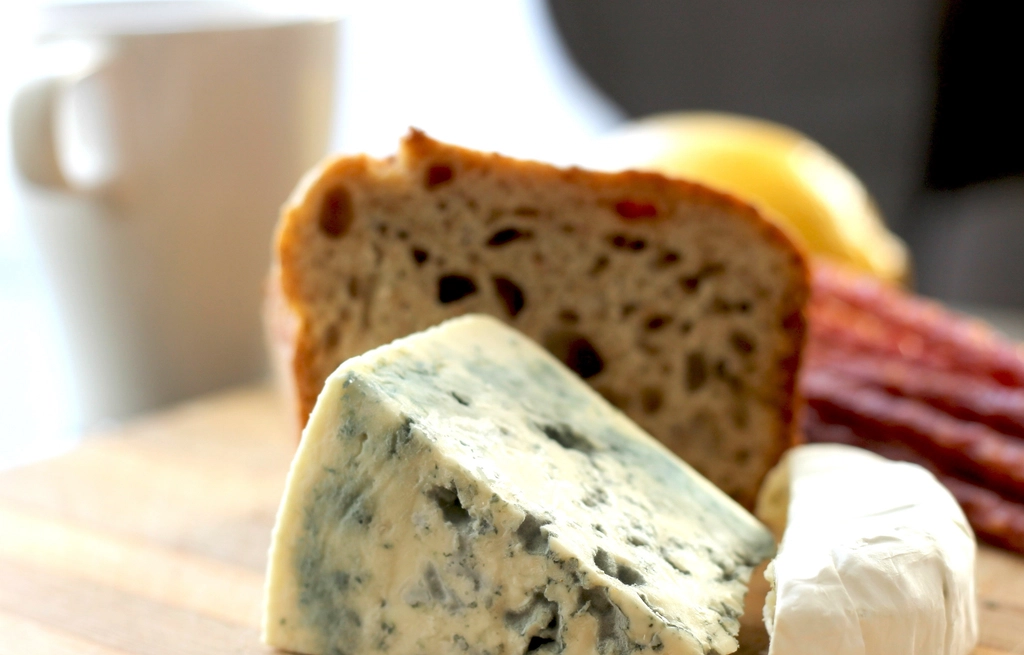
A cheese and charcuterie board for twelve people at a specialty shop’s prices runs well past sixty dollars before anyone has added crackers, and most of that cost goes into two or three premium items that make up a small fraction of what actually gets eaten. A board built the other way, mostly cheap and filling with a few expensive anchors, feeds the same crowd for under twenty dollars and looks fuller doing it.
The trick is not cutting quality. It is understanding that a grazing board reads as generous based on coverage and color, not on how much of the budget went into any single item. Four items that cost almost nothing do more visual and volume work than one expensive cheese ever will.
This is a real budget, built from a single grocery run, with the ratio that made it work and the four cheap fillers that carried most of the visual weight.
- Total budget: under $20 for twelve people
- Ratio: about 70 percent cheap fillers, 30 percent one or two anchors
- Anchors: one block of cheese, one small package of cured meat
- Fillers: crackers, fruit, nuts, and one dip
- Serving math: plan for 4 to 5 ounces of food per person total
- Time out: perishable items should not sit past two hours at room temperature
Why an expensive board still looks sparse
A board built around three specialty cheeses and imported crackers spends most of its budget on items that are eaten in small amounts, since strong, expensive cheese is meant to be tasted rather than piled on. The visual result is often a board with a lot of empty space between a few dense, costly clusters.
People fill plates from what looks abundant and colorful more than from what is objectively the most expensive item on the table, which means a board heavy on bright fruit, varied crackers, and a generous dip reads as more generous than a sparse one loaded with premium items, even at a fraction of the cost.
None of this is a trick to hide low quality. It is a reallocation: spend on the one or two items where quality is genuinely noticeable, and spend almost nothing on everything that provides bulk, color, and coverage.
Cheap snack board ideas that still look full
One block of a mild, widely available cheese, cheddar or a mozzarella-style cheese, cubed rather than sliced, covers more visual ground per dollar than a small wedge of an expensive soft cheese, and it is a flavor most guests reach for without hesitation.
A single small package of a basic cured meat, sliced deli ham or a value pack of salami, fanned or rolled rather than stacked flat, occupies a surprising amount of board space for its cost. Rolling each slice individually rather than laying it flat roughly doubles how much visual territory the same package covers.
A jar of one simple dip, hummus or a basic spinach and cream cheese dip, is inexpensive to make from pantry staples and gives guests something to do with the crackers and vegetables beyond eating them plain, which extends how far the rest of the board goes.
The ratio that made twenty dollars work
| Item | Approximate cost | Role on the board |
|---|---|---|
| Cheddar block, cubed | $4 | Anchor |
| Deli ham or salami, rolled | $4 | Anchor |
| Crackers, one box | $3 | Filler |
| Grapes and apple, sliced | $4 | Filler |
| Mixed nuts, bulk bin | $3 | Filler |
| Hummus, homemade | $2 | Filler |
Roughly 70 percent of the total went to the four filler categories, and 30 percent went to the two anchor items, which is close to the inverse of how a specialty board is usually priced. The fillers are also the items most people take second and third helpings of, which is where the actual eating happens on a board like this.
The four fillers that read as generous
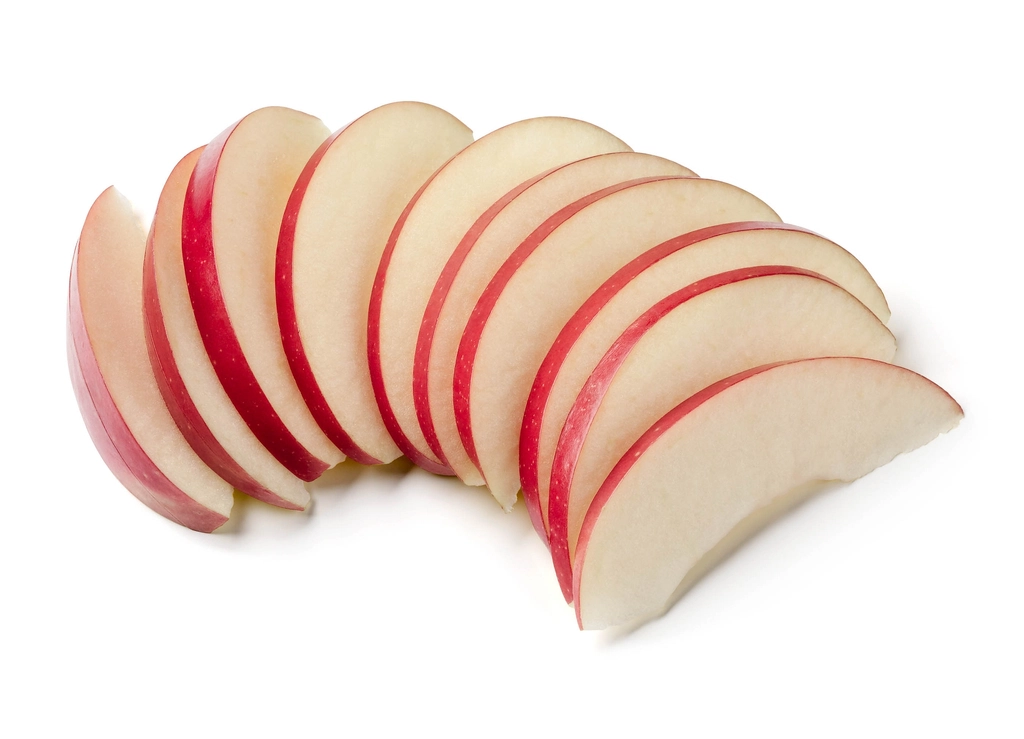
Fresh fruit, cut into pieces rather than left whole, fills more visual space per dollar than almost anything else on a board. Grapes left on the stem and apple sliced into wedges both look intentional and add color that breaks up the beige-and-orange palette that cheese and crackers default to.
Nuts from a bulk bin cost a fraction of a pre-packaged tin and fill small gaps between larger items, doing useful visual and textural work for very little money. A mixed handful of almonds, cashews, and peanuts covers more ground than a single type would for the same weight.
Crackers in two shapes or colors, rather than one, from the same inexpensive box split across two small bowls, create the impression of variety without the cost of buying two separate boxes.
A single dip, positioned centrally, becomes the piece guests build a small plate around, and it is one of the cheapest items on the whole board relative to how much of it typically gets eaten, similar to how any good low-cost snack spread leans on a dip to stretch everything around it.
Serving math for twelve people
Plan for 4 to 5 ounces of total food per person for a board that is one part of a larger spread, rather than the only food at the event, which works out to roughly three to four pounds of combined food for twelve people. If the board is the entire meal rather than one course among several, closer to 6 to 8 ounces per person is realistic.
Cheese and meat are the items most often overbought relative to how much actually gets eaten, since a board loaded with fruit, nuts, and crackers absorbs most of the appetite before guests reach for a second helping of the anchor items. A single block of cheese and a single small package of meat genuinely covers twelve people when surrounded by enough filler.
Buying slightly less of the anchors and slightly more of the cheap fillers, rather than the reverse, is the adjustment that keeps both the budget and the visual fullness of the board intact.
Building it so nothing runs out early
- Place the two anchor items, cheese and meat, at opposite corners of the board rather than next to each other.
- Fill the space between them with crackers in small, refillable piles rather than one large stack.
- Scatter fruit and nuts into the remaining gaps, working outward from the anchors.
- Set the dip in a small bowl near the center, with a few crackers or vegetable pieces tucked beside it as a visual cue for how to use it.
- Hold back roughly a quarter of everything in the kitchen to refill the board partway through rather than putting the entire budget out at once.
Step five matters for a party longer than an hour or two. Refilling a half-empty board from a reserve in the refrigerator keeps it looking fresh and keeps the cheese and meat from sitting out the entire time.
What to skip to keep the cost down
Pre-made dips in small specialty jars cost several times what the same dip costs to make from a can of chickpeas or a container of sour cream, and the flavor difference rarely justifies it for a casual gathering. A homemade version, even a simple one, is the better use of the same few dollars.
Specialty crackers in small boxes are priced for a much smaller serving size than a standard cracker box, so the cost per person is considerably higher even though the box itself looks similar on the shelf. A large standard box covers the same board for less.
Pre-cut fruit and vegetable trays cost noticeably more than the same items bought whole and cut at home, and the cutting itself takes only a few minutes, which is a reasonable trade for a board built on a strict budget.
Making it work for dietary restrictions without doubling the cost
A small separate section with gluten-free crackers and a dairy-free dip covers most common restrictions without needing to rebuild the entire board around them, and it costs only the price of the one or two swapped items rather than the whole spread.
Labeling each item with a small handwritten card, rather than assuming guests will ask, saves everyone the awkwardness of asking what is in something, and it costs nothing beyond a few minutes with a marker and some index cards.
Fruit, nuts in their plain form, and most vegetables already cover several common restrictions without any adjustment at all, which is part of why leaning on cheap fillers works well for a mixed group rather than just a mixed budget.
How long the board can safely sit out
Cheese, meat, and any dairy-based dip should not sit at room temperature longer than two hours total, the same standard window that applies to any perishable food left out at a gathering. In a warm room, that window shortens to about an hour.
Fruit, nuts, and crackers hold up fine for a longer stretch, which is part of why the filler-heavy approach also works logistically: the items doing the most visual work are also the ones with the least risk if the party runs long.
For anything longer than two hours, keep a second small tray of cheese and meat in the refrigerator and swap it in partway through rather than replenishing the same tray that has been sitting out, which keeps the board looking fresh and keeps the perishable items within a safe window the whole time.
Where the savings actually come from at the store
A single trip to a regular grocery store, rather than a specialty shop, accounts for most of the savings on its own, since the same cheddar, crackers, and nuts carry a noticeable markup at a shop built around gourmet presentation rather than volume.
Buying the block of cheese and the bag of nuts from the same store’s regular aisle, rather than its specialty cheese counter or an imported foods section, typically cuts those two items alone by close to half, without any difference in what ends up on the board.
Store-brand crackers and a bulk bin for nuts, where available, shave off a bit more, and neither shows up as a downgrade once everything is arranged and mixed together on the same board as the named-brand items.
None of this requires hunting for a specific sale or clipping a coupon. It is mostly a matter of shopping the regular aisles of an ordinary store instead of the aisle built for gift-giving, which is where most of the board’s cost usually hides.
Frequently Asked Questions
Does this work for a smaller gathering, like four or six people?
Yes, the same ratio scales down proportionally, and the cost drops even further since the fixed costs, like a full box of crackers, get spread across fewer people less efficiently but still land well under most premium board options.
Can I make the whole thing vegetarian for the same budget?
Yes, swap the cured meat for a second cheese or a larger portion of hummus and roasted chickpeas, which costs about the same or less and still gives the board a protein-forward anchor alongside the fruit and crackers.
What is the cheapest cheese that still looks good on a board?
A block of mild cheddar or a semi-firm cheese cut into cubes, rather than a pre-sliced package, which costs less per pound and looks more intentional once arranged than pre-sliced cheese does.
How far ahead can I assemble the board?
Cut the fruit and arrange the dry items up to a few hours ahead, but hold the cheese, meat, and dip in the refrigerator separately and add them within the last thirty minutes before guests arrive, both for freshness and for the food safety window once everything is out.
What if I have leftover food from the board afterward?
Anything that sat out within the two-hour window can go back in the refrigerator and be treated as regular leftovers with the same short shelf life. Anything that sat out longer than that is safer thrown out than saved, alongside the same budget-minded cooking habits that built the board in the first place.
Build one version of this board for the next gathering and track the actual receipt total. Most people are surprised at how far a filler-first approach stretches a small grocery budget once it is written down in front of them.