
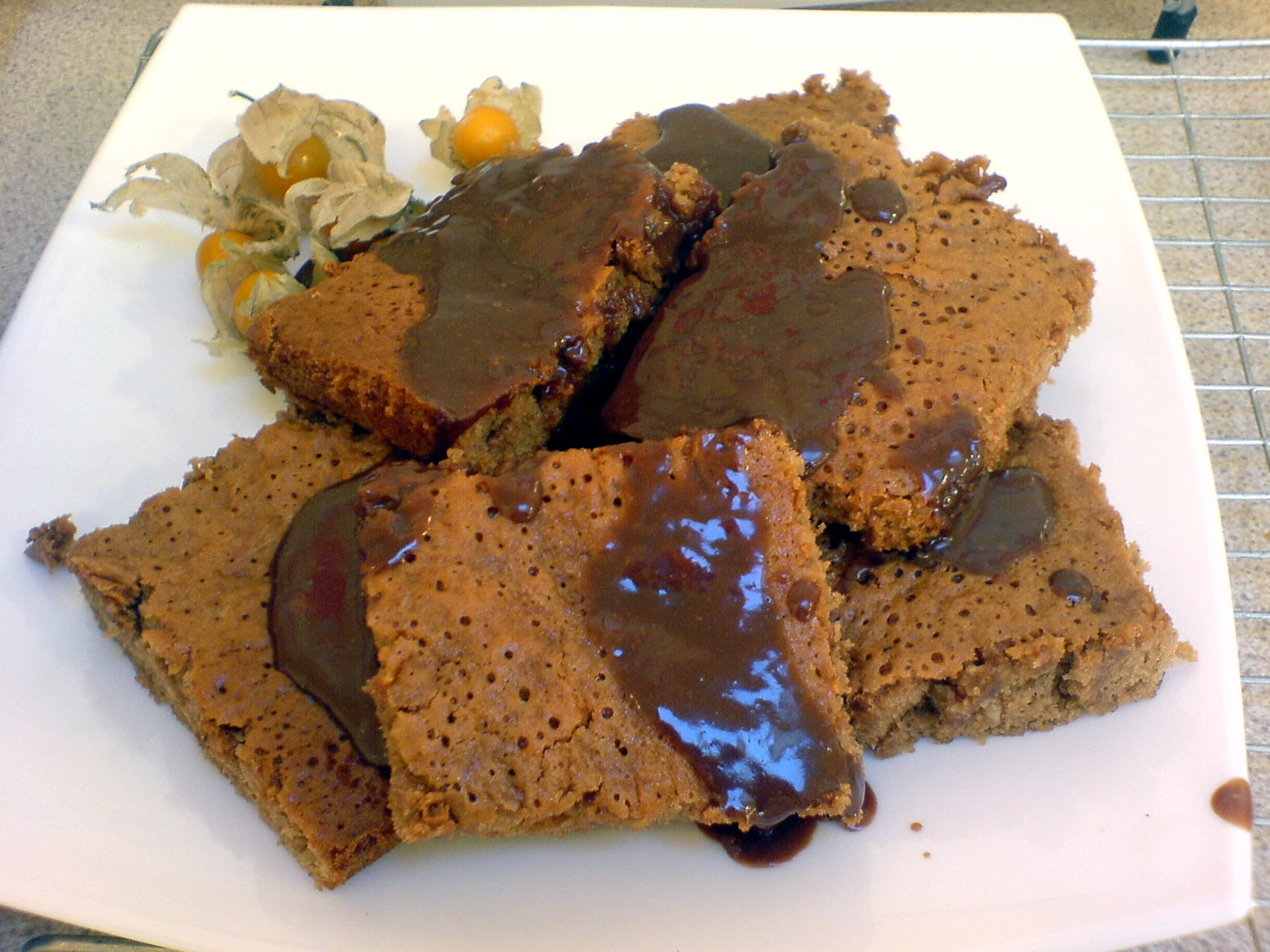
A box of brownie mix costs less than the cocoa alone in a from-scratch recipe, and the box already got the ratio of sugar to fat to flour right, which is the part that takes the most testing to nail. What it did not get right is depth, and depth is the entire difference between a brownie that tastes like dessert and one that tastes like a mix.
Four changes close most of that gap, and none of them require buying anything exotic or changing the baking time by more than a few minutes. Each one was tested on its own, one variable at a time, against the same box baked exactly to the instructions, so it is possible to pick just the one that matters most rather than doing all four.
None of them turn a box into a from-scratch brownie disguised as a shortcut. They turn a flat, one-note brownie into one that tastes like more work went into it than actually did.
- Extra yolk: one, added to the mix as written, for chew
- Fat swap: melted butter in place of the oil the box calls for
- Coffee: a teaspoon of instant espresso powder, not brewed coffee
- Underbake: pull it 4 minutes before the box’s minimum time
- Best combo: yolk plus butter plus coffee, same underbake
- What not to add: extra sugar, more chocolate chips than the box already includes
What a box already gets right, and what it does not
The dry mix inside a brownie box is a genuinely good ratio of cocoa, sugar, flour, and salt, worked out by a company that has tested it far more times than any home baker will. That is not the weak point.
The weak point is that the mix is built to work with the cheapest, most shelf-stable liquid additions: vegetable oil rather than butter, water rather than milk, and often only cocoa powder rather than any real chocolate. Those choices make the box reliable and cheap, and they also make it taste thinner and less rounded than a brownie built with real fat and real chocolate.
The four changes below all work on that gap rather than on the dry mix itself, which is why they combine well and why none of them requires throwing out the box’s instructions.
The extra yolk, and what it actually changes
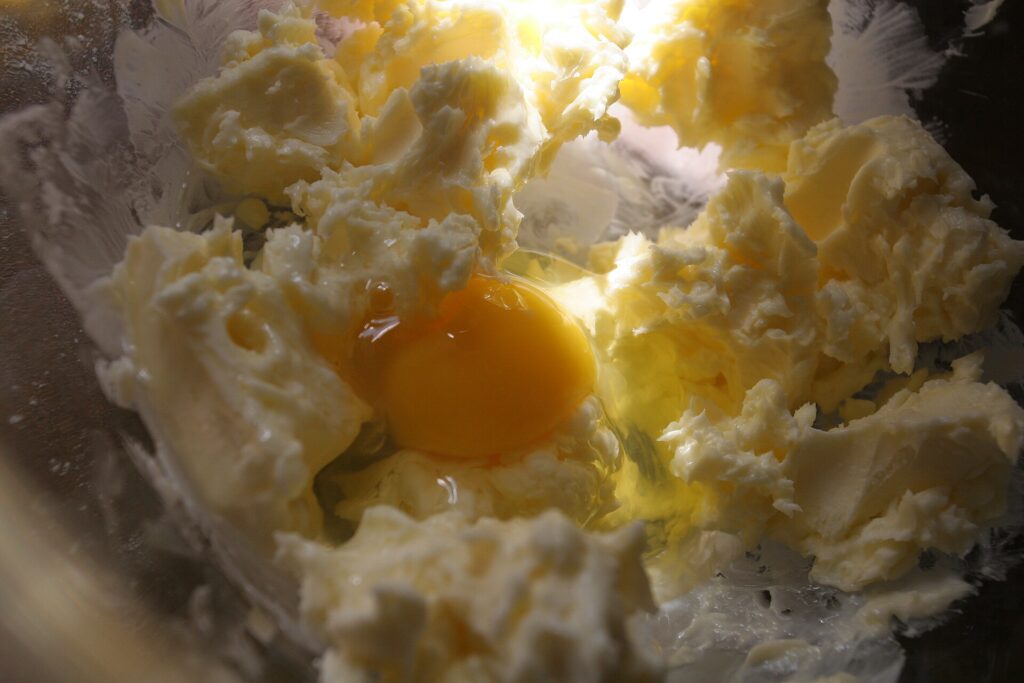
A box recipe typically calls for whole eggs, and adding one extra yolk on top of that, without the white, shifts the texture toward fudgy and chewy rather than cakey. Yolks carry fat and emulsifiers that whites do not, and that fat is what produces the dense, slightly gooey crumb that separates a good brownie from an average one.
Whisk the extra yolk into the eggs called for on the box before combining with the rest of the wet ingredients, so it distributes evenly rather than sitting as a streak. One yolk per standard box is enough; two starts to taste eggy rather than rich.
This is the single change worth doing if only one is going to happen, since it affects texture more than any other single ingredient here, and texture is usually the first thing people notice about a brownie before they notice flavor at all.
Melted butter instead of oil
Vegetable oil is flavorless by design, which is exactly why it does not help a brownie taste like more than the sum of its ingredients. Butter carries milk solids that brown slightly during baking and add a nutty depth that oil cannot produce at any quantity.
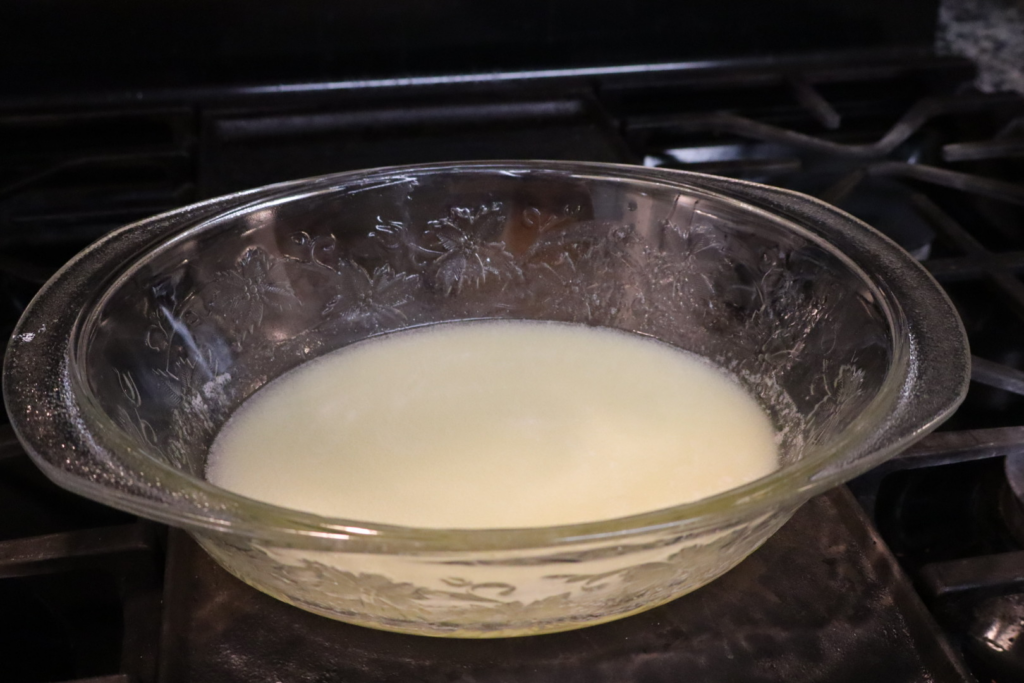
Swap the oil for the same amount of melted butter, measured after melting rather than before, and let it cool for a couple of minutes before mixing so it does not partially cook the eggs on contact. The batter will look slightly different, a bit thicker and less glossy, and that is expected.
Browning the butter first, cooking it in a light pan until the milk solids turn amber and it smells nutty rather than simply melted, pushes this further. It adds a caramelized, almost toffee-like note that is the single biggest flavor jump of any change on this list, at the cost of about five extra minutes and one more pan to wash.
How to improve box brownie mix with one small can of coffee
Coffee does not make brownies taste like coffee at the amount used here. It makes chocolate taste more like chocolate, because coffee’s bitterness and acidity round out cocoa’s flavor in a way that a small amount of sugar cannot.
A teaspoon of instant espresso powder, whisked into the wet ingredients before the dry mix goes in, is the version that works reliably. Brewed coffee used in place of the water the box calls for is a common suggestion, and it is a weaker version of the same trick, since it adds far less concentrated flavor for the same added liquid.
Anyone without instant espresso powder can use instant coffee granules crushed finer with the back of a spoon, in the same teaspoon amount. Espresso powder dissolves more completely and leaves no gritty texture, which is the only real advantage it has over ordinary instant coffee here.
The underbake, and the four minutes that decide the texture
Box instructions are written to produce a brownie that is fully set and safe to cut cleanly at the stated time, which is a reasonable default and also slightly conservative for anyone who prefers a fudgier center. Pulling the pan about four minutes before the box’s minimum bake time, when a toothpick in the center comes out with thick, wet crumbs rather than clean, produces a noticeably denser middle.
This only works safely because the batter has already been in the oven long enough to cook through; it is a matter of degree of doneness inside a fully baked pan, not a shortcut around baking the batter at all. Raw batter itself, straight from the bowl, carries the same risks as any raw egg and raw flour mixture and should not be eaten before it goes in the oven, however tempting the bowl scrape is.
Let the pan rest on the counter for a full 15 minutes after pulling it early. A fudgy brownie continues to set from residual heat as it cools, and cutting it too soon produces a mess that has nothing to do with whether the bake time was right.
Testing each change on its own
| Change | Effect on texture | Effect on flavor |
|---|---|---|
| Extra yolk only | Chewier, denser | Slightly richer |
| Melted butter only | Slightly denser | Noticeably deeper, nutty |
| Browned butter | Slightly denser | Strongest single flavor change |
| Coffee only | No change | Chocolate reads more intense |
| Underbake only | Fudgier center | No change |
| All four combined | Fudgy, chewy edge to edge | Closest to a from-scratch brownie |
Each row was baked from the same box, changing exactly one variable and holding the pan size and oven temperature constant. The differences are not subtle once two pans sit side by side, which is the easiest way to decide which of these is worth the extra step on a regular weeknight.
What not to add
More sugar is the first instinct for a lot of home bakers trying to fix a flat-tasting brownie, and it is the wrong move. The box mix is already balanced for sweetness, and extra sugar just makes the brownie sweeter without adding any of the depth that is actually missing.
Extra chocolate chips beyond what the box already suggests are also a weaker fix than they look like. Chips add pockets of melted chocolate rather than changing the base itself, and a brownie that is already dense with chips can end up gummy in the middle from the added fat and sugar without becoming any richer-tasting overall.
Vanilla extract, a teaspoon added with the wet ingredients, is a fine small addition and worth doing, but it is a minor player next to the fat, egg, and coffee changes above. Treat it as a finishing touch rather than a fix on its own.
Mix-ins that actually earn their place
Flaky salt on top before baking is close to free and does more for a boxed brownie than almost anything else on a per-effort basis, since it cuts the sweetness on contact the same way it does in a good frosting built to balance sugar.
Toasted walnuts or pecans, roughly chopped and folded in at the end, add texture without adding sweetness, and toasting them first for five minutes in a dry pan makes a real difference over adding them raw.
A swirl of peanut butter or a spoonful of dulce de leche dropped onto the batter before baking and dragged through with a knife adds a second flavor without requiring a separate recipe, in the same spirit as a quick ganache swirl stirred into something already finished.
Getting the pan and the edges right
An 8×8 pan produces thicker, fudgier brownies than the 9×13 the box often lists as an option, since the batter sits deeper and the center takes longer to reach the same doneness as the edges. If fudgy is the goal, the smaller pan does more work than any ingredient change.
Parchment paper with an overhang on two sides, rather than just greasing the pan, makes lifting the whole slab out for cutting far cleaner, and a warm knife, run under hot water and wiped dry between cuts, gives sharper edges on a fudgy batch that would otherwise smear.
Anyone chasing crisp corner pieces specifically can bake in a pan with a removable insert that creates more edge surface, though this is a preference question rather than a fix for anything the recipe itself is doing wrong.
Storing a doctored batch
Brownies made with the fat and yolk changes above hold moisture better than a box baked exactly to instructions, which means they also last a little longer on the counter before drying out. A sealed container at room temperature keeps them soft for about four days, a day or two longer than a plain box version typically manages.
Refrigeration is not necessary and can actually work against a fudgy batch, since the cold firms up the fat and makes the texture noticeably denser and less tender once the brownie warms back to room temperature. It is a reasonable option only if the kitchen itself runs warm enough that room temperature storage feels risky for freshness.
Freezing works well for the underbaked version specifically, since the extra moisture that makes it fudgy also protects it from the drying effect that freezing can have on baked goods. Wrap individual squares tightly and they thaw at room temperature in under an hour, tasting close to freshly baked.
Cutting the whole pan before storing, rather than storing it whole and cutting as needed, exposes more surface area to air and dries the pieces faster. If the batch is not going to be eaten within a day or two, leave it uncut and slice only what is needed each time.
Frequently Asked Questions
Can I do all four changes at once?
Yes, and it is the version that tastes most like a from-scratch brownie. The extra yolk, melted butter, coffee, and the early pull all work independently and do not interfere with each other.
Does the coffee taste come through in the finished brownie?
Not as coffee flavor at a teaspoon. It reads as chocolate that tastes more like itself, which is the actual effect, and most people cannot identify what changed without being told.
Will melted butter make the batter harder to mix?
Slightly thicker, not harder. Let it cool a few minutes after melting so it does not scramble the eggs, then whisk it in the same way the oil would have gone in.
Is it safe to taste the batter before baking?
Raw batter carries the same risk as any mixture with raw egg and raw flour in it, both of which can carry organisms that a full bake destroys. The safe version of a taste test happens after the pan comes out, not before, a rule worth keeping in mind whenever a quick dessert involves a bowl that looks tempting to lick.
How much earlier should I pull the pan for a fudgy center?
About four minutes before the box’s stated minimum, checked with a toothpick that should come out with thick, moist crumbs rather than wet batter. Every oven runs slightly differently, so the first attempt is worth watching closely.
Bake one box exactly as written and one with all four changes, side by side, and cut both once they have fully cooled. The comparison settles which version is worth the extra ten minutes on any given week.