
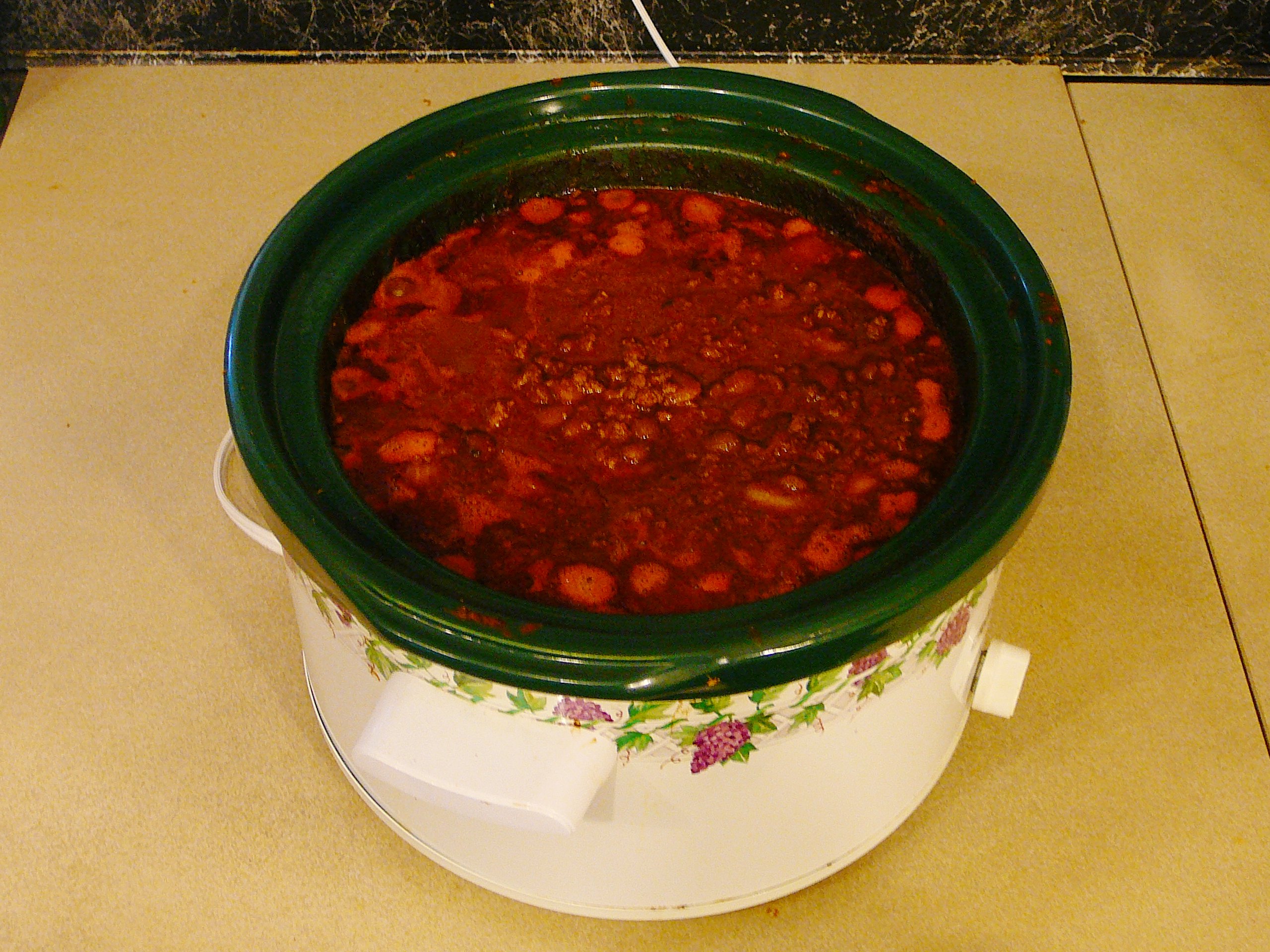
The argument for a three-hour chili is that time does something a short cook cannot. Mostly that is true, and mostly what time is doing is three separate jobs: browning, concentrating, and rounding out the sharp edges. Two of those can be forced in the first four minutes and the third can be faked at the end with acid.
The forcing step is the tomato paste. A tablespoon of it, cooked in hot fat until it darkens from red to brick and starts sticking to the pan, contributes more depth than an hour of simmering does. It takes about two minutes and almost every quick chili recipe on the internet skips it.
The faking step is a splash of vinegar and a squeeze of lime at the very end, off the heat. Long-simmered chili tastes round because sourness and sweetness have had time to distribute; adding acid late gets most of the way there in ten seconds. Total time from cold pan to bowl is twenty-five minutes.
- Total time: 25 minutes, serves four generously
- The pan: a heavy pot or a deep skillet, at least 4 quarts
- The bloom: tomato paste in fat, 2 minutes, until brick colored
- Spices: into the fat, never into the liquid
- The finish: a tablespoon of vinegar and a squeeze of lime, off the heat
- Ground meat: cooked to 160 degrees, checked with a thermometer
What three hours of simmering actually does
Three things, and they are worth separating because only one of them genuinely needs time.
The first is browning, the set of reactions between proteins and sugars known as the Maillard reaction, which produces hundreds of new aroma compounds. This happens at high heat on dry surfaces and it does not happen in a simmering pot at all, since a wet pot never gets above the boiling point of water. Anything browned in a long-cooked chili was browned in the first ten minutes.
The second is concentration. Water evaporates, flavors intensify, and the texture thickens. This does take time in an open pot, but it can be shortcut by simply starting with less liquid, which is what a fast recipe does.
The third is diffusion, the slow migration of flavor between the meat, the beans, the fat, and the liquid. This is the one that genuinely improves with hours, and it is also the one that a sharp hit of acid at the end substitutes for surprisingly well, because what long cooking mostly buys is the perception of balance.
Blooming the tomato paste, and the two minutes it takes
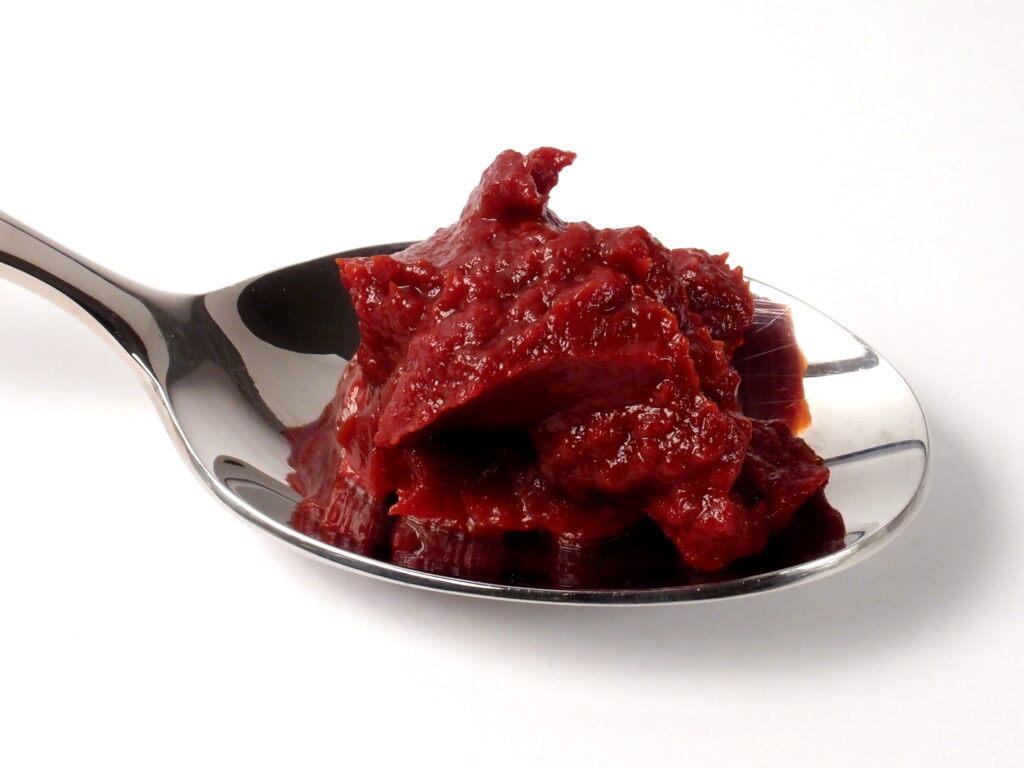
Tomato paste out of the can tastes flat and slightly metallic. Cooked in fat over medium heat, stirred constantly, it goes from bright red to a dull brick color in about ninety seconds and the smell changes completely, from raw tomato to something closer to roasted.
What is happening is browning, on a concentrated, sugar-rich, protein-containing paste with very little water in it. It is one of the few ingredients that will brown properly in a home pan without any technique at all beyond patience.
Push it out to the sides of the pan and into direct contact with the metal, and let it stick slightly before scraping it up. Those stuck bits are the point. When the liquid goes in they dissolve back into the pot and carry everything with them.
Two tablespoons for a four-serving pot. Go past three and the chili starts tasting like tomato paste rather than tasting deep, which is a different and less pleasant result. The same principle drives most fast one-pot cooking, where a single high-heat step at the start replaces a long low-heat one later.
The quick chili recipe, start to finish
- Set a heavy four-quart pot over medium-high heat. Add a tablespoon of oil and one pound of ground beef, chuck if there is a choice.
- Spread the meat across the bottom and leave it undisturbed for three minutes so it browns before you break it up. Then break it into pieces and cook until no pink remains, about five minutes more.
- Push the meat to one side. Add one diced onion to the cleared space with a pinch of salt and cook three minutes, stirring, until it softens.
- Add two minced garlic cloves and two tablespoons of tomato paste. Stir constantly for two minutes, until the paste darkens to brick and starts sticking.
- Add two tablespoons of chili powder, two teaspoons of cumin, one teaspoon of smoked paprika, half a teaspoon of oregano and a teaspoon of salt. Stir for 45 seconds in the hot fat, no longer.
- Pour in one 14 ounce can of diced tomatoes with their liquid and one cup of stock or water. Scrape the bottom of the pot hard to lift everything stuck to it.
- Add two 15 ounce cans of beans, drained and rinsed. Bring to a simmer.
- Simmer uncovered for 10 to 12 minutes, stirring occasionally, until it thickens enough that a spoon dragged across the bottom leaves a track that closes slowly.
- Turn off the heat. Stir in a tablespoon of cider vinegar and the juice of half a lime. Taste and adjust salt now, not before.
- Rest five minutes with the lid on before serving. It thickens a little more in that time.
Step two is where most of the flavor is won or lost. Meat that is stirred from the moment it hits the pan releases water, steams itself grey, and never browns. Three minutes of leaving it alone costs nothing and changes the result.
Ground meat, and the browning that is not optional
Use eighty-five percent lean or fattier. Very lean ground beef browns poorly because there is not enough fat to conduct heat into the surface, and it goes dry in a fast cook where there is no long simmer to soften it.
Do not crowd the pot. One pound in a four-quart pot is fine; two pounds in the same pot will steam. If you are doubling, brown the meat in two batches and set the first aside, which adds four minutes to the total.
Leave the rendered fat in the pot. It is the medium the tomato paste and the spices need, and skimming it out at the start removes the vehicle that carries everything else. If the finished chili looks greasy on top, skim then, after it has rested.
Ground turkey and ground chicken both work with two changes: add an extra tablespoon of oil at the start, since they render almost nothing, and expect less browning. They should reach 165 degrees rather than 160.
Making it without meat, and what replaces the fat
The meat is doing two jobs, contributing fat and contributing browned surfaces, and a vegetarian version has to replace both deliberately rather than simply leaving it out.
For the fat, three tablespoons of oil rather than one. For the browning, the best single substitute is a large quantity of finely chopped mushrooms cooked hard in a dry pan until they have given up their water and started to color, which takes eight to ten minutes and is worth every one of them. Walnuts pulsed coarse in a food processor and toasted are the faster alternative.
A third bean can replaces the bulk. Increase the tomato paste to three tablespoons, since there is no meat to carry depth, and add a teaspoon of soy sauce or a small piece of dried mushroom to the pot for the same reason. The result is different rather than lesser, and it is a good candidate for the plainer end of plant-based weeknight cooking.
Which beans, and whether to drain them
| Bean | Texture | Behavior in 12 minutes | Drain? |
|---|---|---|---|
| Kidney | Firm, meaty | Holds shape completely | Yes, the liquid is muddy |
| Pinto | Softer, creamy | Edges break down, thickens the pot | Yes |
| Black | Firm, distinct | Holds, colors the liquid dark | Yes, or the chili goes grey |
| Cannellini | Creamy, soft | Breaks down noticeably | No, the liquid helps |
| Chickpeas | Very firm | Stays separate, does not integrate | Yes |
Beans are contested in some parts of the country, since the older Texas form of chili con carne contains none at all, but for a fast weeknight pot they add bulk and body for very little money. Two cans of two different beans is better than two cans of one, and pinto plus kidney is the combination that most people recognize as chili. Draining and rinsing is the default here, unlike some bean dishes, because kidney and black bean liquid is dark and murky in a way that dulls the color of the finished pot.
Rinsing also removes a meaningful share of the sodium, on the order of a third to a half, which matters in a dish that already carries salt from the stock, the tomatoes, and the seasoning.
Dried beans are better and they do not fit in twenty-five minutes. If you have cooked beans in the refrigerator, use three cups of them plus half a cup of their cooking liquid, which is the version that genuinely improves the dish.
The spice order, and why chili powder goes in the fat
Ground spices are mostly oil-soluble. Dumped into a wet pot they hydrate, swell, and taste dusty; stirred into hot fat for under a minute they dissolve into it and distribute through everything the fat touches.
Forty-five seconds is the window. Ground spices scorch fast because the particles are small and there is nothing to protect them, and burnt cumin has a specific acrid bitterness that cannot be covered up. Keep the pan moving and get the liquid in on time.
Chili powder in an American supermarket is a blend rather than a single spice, usually ground dried chiles with cumin, oregano, and garlic already in it. That is why the recipe above adds more cumin rather than starting from scratch. If you have whole dried chiles, toasting and grinding them is a genuine upgrade and it is a twenty-minute project rather than a twenty-five-minute dinner.
Two finishing acids, added off the heat
Vinegar first, lime second, both after the burner is off. Cider vinegar is the standard choice because its sweetness suits the dish; red wine vinegar works and distilled white is too harsh.
The reason to add acid at the end rather than at the start is that heat drives off the volatile aromatic compounds that make it taste bright. Vinegar simmered for ten minutes contributes sourness without freshness, which is exactly what it is not being added for.
A tablespoon of vinegar and half a lime is the working amount for four servings. Taste before and after; the difference is not subtle, and it is the single move that makes a twenty-five-minute pot taste like a long one. A spoonful of something sweet, honey or a little brown sugar, sometimes helps too, particularly if the tomatoes were sharp.
Ground meat has its own temperature, and the color lies
Ground beef needs to reach 160 degrees throughout, and ground poultry 165. This is not the same standard as a whole steak, and the reason is straightforward: grinding distributes anything on the surface of the meat through the entire mass, so the inside has to be treated like the outside.
Color is an unreliable indicator. Ground beef can turn brown before it reaches 160 and it can stay slightly pink well past it, depending on how the meat was packaged and how much oxygen it has been exposed to. Both errors happen often enough that the visual test is not worth relying on.
Use an instant-read thermometer pushed into the thickest part of the meat before the liquid goes in, and again if you are unsure. It takes five seconds. In a chili that then simmers for twelve minutes the point is almost academic, since the pot is well above that temperature, but it costs nothing to confirm and it builds the habit for dishes where it matters more.
Toppings, ranked by what they actually add
Sour cream or plain yogurt does the most work of anything on the list, because fat and acid together soften the heat and add a cold contrast. A spoonful per bowl.
Raw onion is second and it is underrated. Finely diced white or red onion adds a sharp crunch that the pot cannot produce on its own, and it costs nothing. Scallions do a milder version of the same job.
Grated cheese is third, and it is more filling than it is interesting. Sharp cheddar melts into the surface and adds salt and fat. Cilantro, sliced jalapeño, and a squeeze of extra lime are all worth having on the table.
Corn chips crushed over the top are the one that changes the dish most, adding salt and crunch at once, and they are what most people actually want. Diced avocado is excellent and it should go on at the table rather than in the pot, since it turns brown and greasy in heat.
Day two, and cooling a pot fast enough
This chili is better the next day, which is the small irony of a fast recipe. The diffusion that a long simmer buys happens overnight in the refrigerator anyway, and a reheated bowl on Tuesday tastes rounder than the same pot did on Monday.
Getting it cold is the part that needs attention. A four-quart pot of hot chili left on the stove to cool passes slowly through the temperature range where bacteria multiply fastest, and the center of a deep pot can stay warm for hours. Divide it into shallow containers no more than two inches deep, leave the lids off until the steam stops, and refrigerate.
The working target is to get it from hot down to about 70 degrees within two hours, and from there down to 40 degrees within another four. An ice bath in the sink speeds it up considerably if the kitchen is warm. Refrigerated, it keeps three to four days; frozen in portions, about three months. Reheat until it is steaming throughout and reads 165 degrees, not merely warm at the edges.
Frequently Asked Questions
Can I make this in a slow cooker instead?
You can, but do the browning and the paste bloom in a skillet first and transfer everything after step five. A slow cooker cannot brown anything, and starting it with raw meat and raw paste produces the flat result this recipe exists to avoid.
How do I make it thicker without simmering longer?
Mash half a cup of the beans against the side of the pot with a spoon and stir them back in. The released starch thickens it within a minute. A tablespoon of cornmeal or masa harina stirred in does the same and adds flavor.
It tastes flat even after the vinegar. What now?
Salt, almost certainly. Chili absorbs a lot of it and a pot that tastes dull rather than sour is usually under-seasoned rather than under-acidified. Add a quarter teaspoon at a time and taste between additions.
Can I double it in the same pot?
Yes, with two changes. Brown the meat in two batches so it does not steam, and add five minutes to the simmer, since twice the liquid takes longer to reduce. The bloom step stays at two minutes regardless.
What is the difference between chili powder and cayenne?
Chili powder is a blend, mostly mild ground chiles with cumin and oregano mixed in, and two tablespoons of it is not aggressive. Cayenne is a single hot pepper ground alone. Substituting one for the other by volume produces a pot nobody can eat.
Does it freeze well?
Very well, about three months in sealed portions. Beans soften slightly on thawing and the texture is marginally looser, which nobody notices in a bowl. Cool it properly first, freeze it flat in bags, and thaw in the refrigerator overnight.
Make it once with the paste bloomed and once without, on two different nights, and the difference will be obvious enough that the two minutes stop feeling optional.