
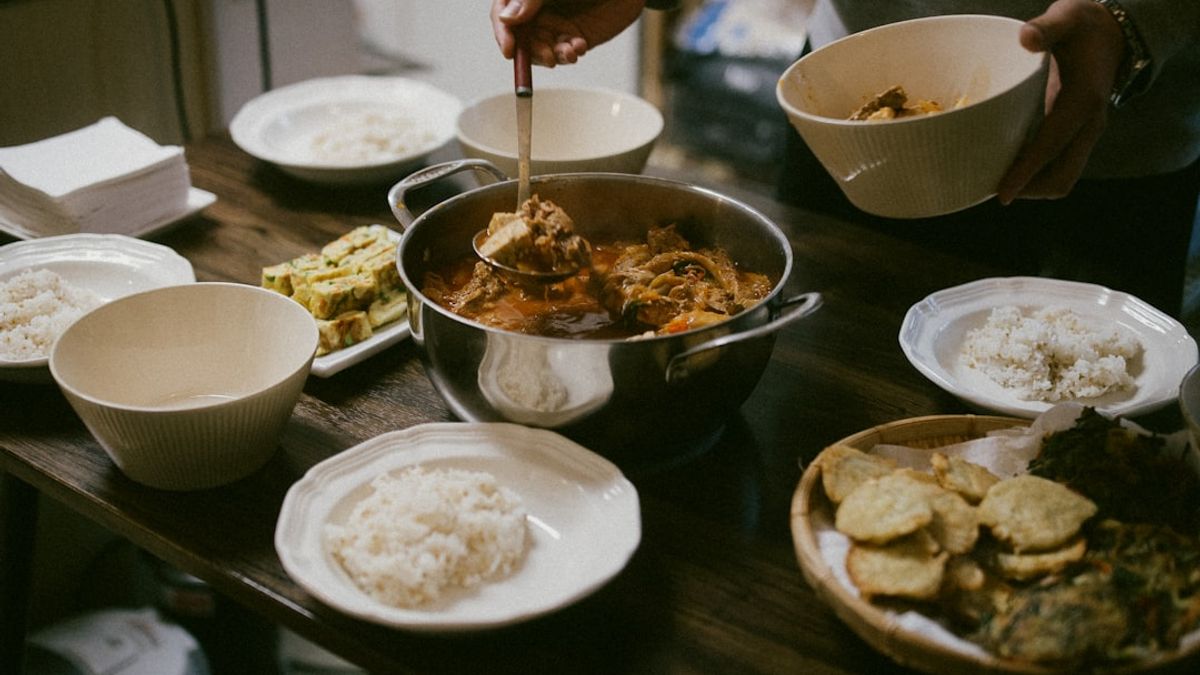
World Kitchens Redefine Tastes: Global Home Cooking Trends Reshape Meals in 2026
home cooking trends are rapidly evolving as around the world adapt to shifting tastes, cultural, and social dynamics. In 6, home cooks are redefining familiar dishes, experimenting with international flavors, and embracing both nostalgia and innovation. According to recent reports and culinary, these changes reflect broader movements in lifestyle, health consciousness, and the accessibility of ingredients across borders. This article takes a deep journalistic dive into global home cooking trends, examining how people in different countries are preparing meals, the flavors and ingredients gaining prominence, and what these shifts mean for the future of food at home. By exploring leading sources such as HelloFresh Group, Food & Wine, and Statista, we provide a comprehensive, evidence-based view of how the world’s kitchens are transforming. As new preferences emerge and old comforts are reimagined, home cooking is becoming a dynamic mirror of global change. The following sections break down the most influential factors, offer insights from multiple perspectives, and highlight the consequences for families, food industries, and cultural identity. Whether you are a dedicated home chef or a casual cook, understanding global home cooking trends in 2026 provides a window into the priorities, challenges, and joys shaping how we eat today. Unlock the Hidden Techniques That Will Revolutionize Your Weeknight Dinners
Key Statistics on Global Home Cooking Trends
Recent data highlights the shifting patterns in home cooking around the world in 2026:
- 70% of households in Italy and Spain report cooking meals at home daily, maintaining strong family meal traditions. (Statista)
- Meal kit subscriptions have grown 35% globally since 2023, expanding significantly into Asia and South America. (HelloFresh Group)
- Plant-based protein usage in home cooking has increased by 22% year-over-year, reflecting sustained interest in alternative diets. (Food & Wine)

Vibrant spirulina swirls blend with delicate butterfly pea petals in vibrant home dishes. Blue and purple superfoods such as spirulina and butterfly pea flower have seen a 40% rise in home recipe mentions on social media platforms. (FoodNavigator-USA)
- Over 50% of home cooks report using smart kitchen appliances or digital recipe assistants regularly. (ABC News)

How the World Cooks at Home: A Global View on Kitchen Practices and Social Dynamics – global home cooking trends
Understanding global home cooking trends starts with examining how different regions approach daily meal preparation and social contexts. According to a comprehensive review by HelloFresh Group, the popularity of East Asian dishes has soared, rivaling long-standing Western classics such as Italian pasta and French stews (HelloFresh Group). This shift is driven by international migration, greater access to diverse ingredients, and the proliferation of online recipe platforms. The modern home kitchen is no longer geographically bound; it is a crossroads for cross-cultural experimentation and evolving social rituals.
Frequency, Rituals, and Household Structures in Home Cooking
Statista’s 2025 chart on global cooking habits reveals that the number of days people cook at home varies widely between countries. For instance:
- In Italy and Spain, home-cooked meals are a daily ritual, often shared with family.
- In the United States, home cooking is frequent but competes with takeout and convenience foods for busy households.
- Countries like Japan and South Korea emphasize fresh, fast-prepared meals, balancing tradition with modern efficiency.
These distinctions highlight how social structure, work-life balance, and cultural expectations influence home cooking frequency and style (Statista).
“The home kitchen has become a melting pot of cultural influences, reflecting the dynamic ways people engage with food and identity in 2026.” — HelloFresh Group, 2026 Global Culinary Report
In 2026, solo cooking is emerging as a notable trend, particularly in urban areas and among young professionals. Research published in Food & Wine indicates that single-serving meal kits and personalized recipes are increasingly popular, reflecting changing household structures and the desire for autonomy in the kitchen (Food & Wine). Meanwhile, communal cooking and family meals remain central in many cultures, serving as anchors for tradition and social connection. These evolving social dynamics are key components of global home cooking trends.
Ingredients in Focus: The Return of Red Meat, Plant-Based Proteins, and the Blue Food Revolution – global home cooking trends
Global home cooking trends in 2026 are marked by a paradoxical return to red meat and the ascendance of ‘blue’ foods—ingredients with natural blue hues, such as spirulina, butterfly pea flower, and blue potatoes. According to Food & Wine’s expert panels, red meat is making a comeback, but with a focus on ethical sourcing and moderation. Families are seeking higher-quality cuts, often sourced from local farms or certified sustainable producers, and incorporating them in smaller, more intentional portions.
Despite the renewed interest in red meat, plant-based proteins continue to expand their presence in global kitchens. The HelloFresh Group’s analysis shows that tofu, tempeh, seitan, and legume-based alternatives are being integrated into traditional recipes, often as direct substitutes for animal protein. This coexistence of meat and plant-forward cooking illustrates a flexible approach, where taste, health, and ethics are all considered. Transform Your Lunch Game with These Must-Try Nutritious Bowls for Every Palate
Food trend reports for 2026 highlight the “blue revolution” in home kitchens. Spirulina, blue corn, and butterfly pea flower are gaining traction, not only for their visual appeal but also for their reported antioxidant properties. According to a 2025 review by FoodNavigator-USA, blue and purple foods are perceived as both nutritious and Instagram-worthy, making them favorites among younger home cooks (FoodNavigator-USA).
| Protein Type | 2024 Usage (%) | 2026 Usage (%) | Primary Driver of Change |
|---|---|---|---|
| Red Meat (Ethically Sourced) | 38% | 45% | Moderation & Ethical Sourcing |
| Plant-Based Proteins | 30% | 37% | Health & Sustainability |
| Blue/Purple Superfoods | 5% | 12% | Visual Appeal & Antioxidants |
| Seafood | 20% | 22% | Freshness & Global Cuisines |
| Alternative Proteins (Insects, Lab-Grown) | 2% | 4% | Innovation & Sustainability |
Bold Flavors and Fusion: The Rise of Flavor Maximalism and Cross-Cultural Pairings
One of the defining characteristics of global home cooking trends in 2026 is the pursuit of bold, layered flavors. As reported by ABC News, flavor maximalism has overtaken minimalism, with home cooks seeking to combine sweet, spicy, umami, and sour notes in each dish (ABC News). This reflects a growing curiosity and willingness to experiment, driven by exposure to international cuisines and the influence of social media platforms.
“Swicy”—the combination of sweet and spicy—is a buzzword that has entered the global cooking lexicon. According to trend analysts, sauces blending honey with chili, or fruits with hot peppers, are being used in everything from stir-fries to desserts. Smoky flavors, derived from smoked salts, charred vegetables, and wood-infused oils, are also in high demand, adding depth and intrigue to everyday meals. Sensory-driven cooking—using ingredients that offer contrasting textures and temperatures—further enhances the appeal of home-cooked dishes.
Home kitchens in 2026 are sites of culinary fusion. Dishes like ramen carbonara, miso Caesar salad, and kimchi tacos are no longer confined to restaurants. According to HelloFresh Group’s insights, these cross-cultural creations reflect a global appetite for novelty and a willingness to break with tradition in favor of delicious innovation. This movement is not just about flavor, but about storytelling and cultural exchange through food. Uncover the Family Meal Ideas That Even Picky Eaters Will Love
- Global Fusion: Increasing blending of culinary traditions is creating new hybrid dishes that appeal to adventurous palates.
- Visual & Nutritional Dual Appeal: Blue and purple superfoods are rising due to their health benefits and social media-friendly aesthetics.
- Technology Integration: Smart kitchen tools and AI-driven recipe platforms are democratizing access to complex international cuisines.
Digital Kitchens and Changing Habits: Convenience Meets Tradition
Data from Statista and industry sources shows a marked change in how often people cook at home and the tools they use. In many countries, the pandemic years accelerated a return to home cooking, but convenience remains a key priority. Smart appliances, meal kits, and online grocery services are becoming essential features of the digital kitchen. These tools reduce preparation time and help home cooks access global ingredients with unprecedented ease, further shaping global home cooking trends.
Meal kit services have expanded beyond their initial Western markets, now reaching urban households in Asia, South America, and Africa. These platforms offer curated recipes and pre-portioned ingredients, making it easier for home cooks to try international dishes without sourcing obscure spices or specialty produce. According to HelloFresh Group, this democratization of global cuisine is empowering cooks of all skill levels to broaden their culinary horizons.
Despite the influx of digital tools, many home cooks are seeking to balance convenience with tradition. Family recipes, slow-cooked stews, and handmade breads are still cherished, often reserved for weekends or special occasions. This dual approach—quick meals for busy weekdays and elaborate dishes for gatherings—characterizes the hybrid nature of contemporary home cooking.
Story Spotlight: HelloFresh Group’s Global Culinary Research
In 2025, HelloFresh Group conducted a large-scale survey across 15 countries, analyzing home cooking frequency, ingredient preferences, and flavor trends. Their findings revealed a 30% increase in the adoption of East Asian dishes in Western households and a 25% rise in meal kit usage globally. The research also highlighted the growing appeal of blue and purple superfoods, particularly among millennials and Gen Z consumers. These insights underscore the accelerating globalization of home cooking and the role of technology in facilitating culinary exploration. Why Your Cookies Are Flat: Uncovering Common Baking Mistakes and Fixes
Health, Sustainability, and the Palate: Trends Shaping Flavor and Choice
Flavor forecasters predict that the coming year will be defined by a preference for globally inspired taste profiles. According to a 2025 feature in FoodNavigator-USA, flavors such as dark cherry, black currant, and smoky swicy sauces will lead the charge (FoodNavigator-USA). This reflects a broader move toward complex, layered flavors that appeal to adventurous palates.
Home cooks are not only seeking bold flavors but are also considering the health and environmental impacts of their choices. Whole grains, fermented foods, and minimally processed ingredients are in demand. Industry reports suggest that ingredients perceived as boosting gut health, such as kimchi, kefir, and pickled vegetables, are being incorporated into a wide range of dishes. However, as research from the Mayo Clinic notes, while fermented foods may promote digestive health, individual results can vary and should be considered within the context of a balanced diet.
Visual presentation remains a powerful driver of home cooking trends. Dishes that photograph well—think vibrant salads, multi-layered smoothie bowls, and artfully garnished main courses—are more likely to be shared on social media platforms like Instagram and TikTok. This has led to a surge in the use of colorful vegetables, edible flowers, and creative plating techniques, further blurring the line between home cooking and restaurant-style presentation.
Emotional Intelligence and Comfort: Cooking for Wellbeing and Connection
Industry experts increasingly describe 2026’s home cooking trends as “emotionally intelligent.” According to Culinary Tides, meals are becoming more than just sustenance; they are crafted to provide comfort, nostalgia, and a sense of stability in uncertain times. This manifests in the resurgence of classic comfort foods, often with a healthy twist, and the creation of new rituals around cooking and eating together.
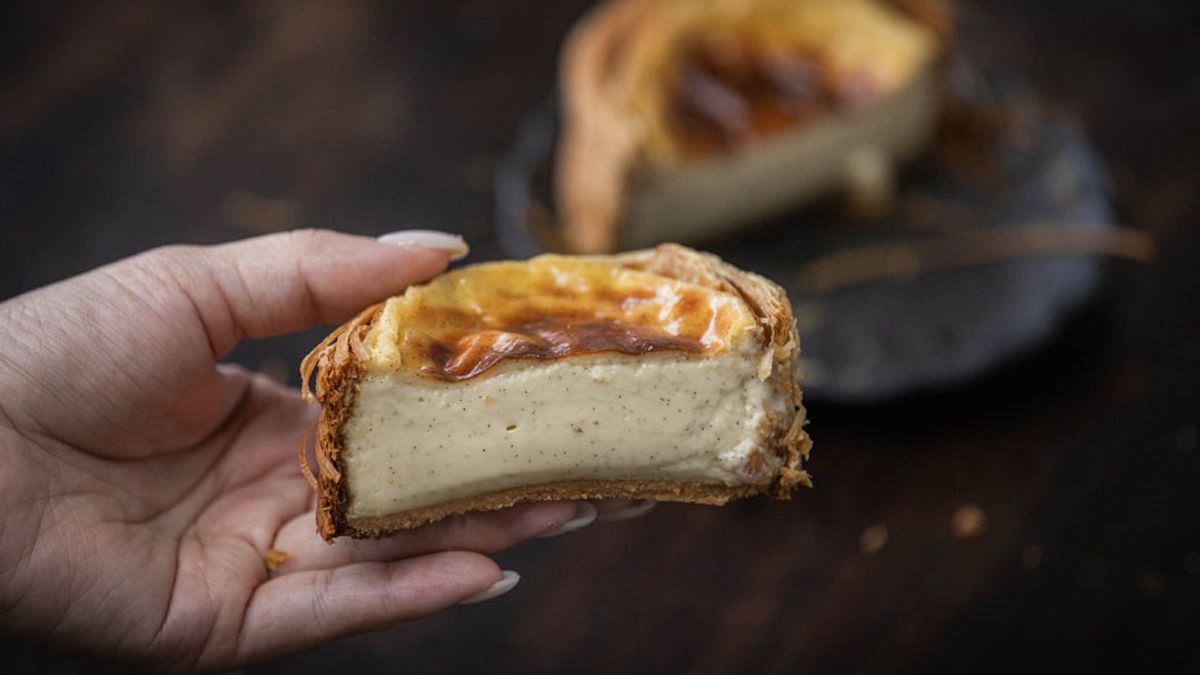
Comfort foods such as stews, casseroles, and baked goods are being reinvented with modern ingredients and techniques. For example, traditional mac and cheese may be prepared with cauliflower or lentil pasta, while shepherd’s pie might feature plant-based protein and globally inspired spices. This balance of familiarity and novelty is key to the emotional dimension of home cooking in 2026.
Mindfulness practices are making their way into the kitchen, as cooks pay closer attention to ingredient sourcing, preparation methods, and the act of eating itself. This trend is supported by a growing body of research suggesting that mindful eating can enhance enjoyment and support overall well-being. However, as noted by experts at Harvard Health Publishing, mindful eating is most effective when tailored to individual preferences and lifestyles.
Frequently Asked Questions about Global Home Cooking Trends in 2026
What are the most popular cuisines influencing global home cooking trends in 2026?
In 2026, East Asian, Mediterranean, and Latin American cuisines are having the greatest impact on global home cooking trends. According to HelloFresh Group’s global analysis, dishes like Japanese ramen, Korean bibimbap, and Mexican tacos are now as common in home kitchens as Italian pastas or French stews. The accessibility of international ingredients and the rise of digital recipe platforms have made it easier for home cooks to experiment with flavors from around the world, resulting in a rich tapestry of cross-cultural dishes.
How has the frequency of home-cooked meals changed in recent years?
Industry estimates and Statista’s 2025 chart suggest that the frequency of home-cooked meals increased during the pandemic, with many households maintaining higher cooking rates even as restrictions eased. In countries like Italy and Spain, daily home cooking remains the norm. In the United States and the UK, the number of days people cook at home has stabilized at a higher level than pre-pandemic, although convenience foods and takeout continue to compete for attention. The trend toward hybrid cooking—combining home-prepared and ready-made meals—is now widespread.
What are the key ingredients and flavors defining home cooking in 2026?
According to Food & Wine and FoodNavigator-USA, standout ingredients in 2026 include ethically sourced red meat, plant-based proteins, blue and purple superfoods like spirulina and butterfly pea flower, and fermented foods such as kimchi and kefir. Flavors are bolder and more complex, with swicy (sweet and spicy), smoky, and umami-rich profiles dominating. The fusion of international influences means home cooks are using ingredients like miso, tahini, chili crisp, and black garlic to create dynamic, layered dishes that appeal to adventurous palates.
How are health and sustainability considerations shaping home cooking trends?
Health and sustainability are at the forefront of global home cooking trends. Home cooks are increasingly choosing whole grains, minimally processed foods, and ingredients with perceived health benefits, such as fermented vegetables and legumes. Research from the Mayo Clinic and Harvard Health Publishing highlights that fermented foods may support digestive health, though individual effects can vary. Sustainability efforts include sourcing local produce, reducing food waste, and opting for ethically raised animal products. These choices reflect a broader commitment to personal well-being and environmental responsibility.
What role does technology play in shaping global home cooking trends?
Technology is playing an increasingly significant role in global home cooking trends. Smart kitchen appliances, digital recipe assistants, and meal kit delivery services are making it easier for home cooks to access international ingredients and try new recipes. Online grocery shopping and AI-driven platforms help streamline meal planning and preparation, allowing people to experiment with diverse cuisines while saving time. Technology is also democratizing access to complex dishes, empowering cooks of all skill levels to broaden their culinary horizons.
How are comfort foods evolving in 2026’s home kitchens?
Comfort foods are being reinvented with modern ingredients and techniques in 2026. Classic dishes like mac and cheese and shepherd’s pie are now often prepared with healthier alternatives, such as cauliflower or lentil pasta and plant-based proteins. Global spices and fusion elements are also being incorporated, creating new versions of nostalgic favorites that cater to contemporary tastes and dietary preferences. This evolution reflects the emotional intelligence behind home cooking, balancing tradition with innovation.
What is the significance of blue and purple superfoods in current home cooking trends?
Blue and purple superfoods, such as spirulina, butterfly pea flower, and blue potatoes, are gaining popularity due to their visual appeal and perceived health benefits. These ingredients are featured in smoothie bowls, salads, and main courses, and are especially popular among younger home cooks who value both nutrition and aesthetics. The trend is driven by social media, where visually striking dishes are more likely to be shared and celebrated, further fueling the rise of these colorful superfoods in global home cooking trends.
How are home cooks balancing convenience and tradition in 2026?
Home cooks in 2026 are embracing a hybrid approach that balances convenience and tradition. While smart appliances, meal kits, and digital tools streamline weekday meal preparation, many still reserve time for traditional recipes and slow-cooked dishes on weekends or special occasions. This blend allows for efficiency without sacrificing the cultural and emotional value of home-cooked meals, ensuring that both modern and time-honored practices have a place in the contemporary kitchen.
Conclusion: The Evolving Story of Global Home Cooking Trends in 2026
Global home cooking trends in 2026 demonstrate that the world’s kitchens are more interconnected and creative than ever before. The movement toward diverse, flavor-forward dishes reflects not only changing tastes but also deeper shifts in cultural values, health consciousness, and technological adoption. As families and individuals embrace new ingredients, revive old comforts, and experiment with digital tools, the act of cooking at home becomes a rich expression of identity and adaptability. Industry sources, including HelloFresh Group, Food & Wine, and Statista, underscore the importance of accessibility, sustainability, and emotional intelligence in shaping these trends. Looking forward, the trajectory of global home cooking trends suggests even greater collaboration across cultures and continued innovation in how meals are prepared and enjoyed. Whether through a return to classic red meats, the rise of blue superfoods, or the playful blending of global flavors, global home cooking trends in 2026 are poised to remain a vital, evolving part of everyday life. As new challenges and opportunities emerge, the kitchen will continue to be a laboratory for both tradition and transformation—an enduring testament to the power of food to unite, comfort, and inspire across borders.