
Adventurers Turn to Open-Fire Cooking for Authentic Outdoor Feasts and Revival of Techniques
-fire cooking is experiencing a notable resurgence as outdoor enthusiasts, food lovers and professional chefscover the joys and challenges of preparing meals over flickering flames.
From the primal thrill of roasting wild game caught in the field to the timeless satisfaction of fire-seared steaks, open-fire cooking has captured the imagination of many. Whether you’re inspired by videos of wild hog being roasted in the woods (Wild Hog, Deer and Ducks! {Catch Clean Cook} Open Fire) or the vision of a perfectly charred steak sizzling on a hand-built log grill (Wild Steak Cooking on a Hand-Built Log Grill), it’s clear that open-fire cooking is more than just a method — it’s a culinary adventure.
“Cooking over an open flame connects us to our ancestors and nature in a way no modern kitchen can replicate. It’s about patience, respect, and the joy of creating something truly authentic.” — Outdoor culinary expert. Related: Unlock the Hidden Techniques That Will Revolutionize Your Weeknight Dinners
There’s something transformative about cooking with fire. The process demands patience, ingenuity, and a willingness to adapt. Each meal cooked over an open flame is unique, shaped by the wood you burn, the tools you wield, and the ingredients you select. For many, the appeal goes beyond flavor; it’s about reconnecting with nature, building community around the campfire, and preserving age-old traditions. Open-fire cooking offers endless possibilities, from wild game feasts and classic beef dishes to creative adaptations using essential cookbooks and kits. This comprehensive guide will walk you through practical tips, must-have equipment, and the best recipes, incorporating insights from seasoned outdoor cooks and bushcraft pioneers. Whether you’re a complete beginner or looking to refine your technique, the open-fire cooking journey is rich and rewarding.
Key Observations on Open-Fire Cooking Trends
Various industry reports and analyses suggest a growing popularity and impact of open-fire cooking among outdoor enthusiasts and culinary professionals alike.
- A significant portion of outdoor recreationists report cooking over open flames at least once per trip, according to outdoor industry surveys.
- Sales of cast iron cookware designed for campfire use have reportedly increased notably in recent years.
- Open-fire cooking videos on platforms like YouTube attract substantial monthly viewership, indicating widespread interest.
- Many bushcraft enthusiasts emphasize the importance of building their own cooking grills as a key skill.
- Fire safety education programs have contributed to a reduction in campfire-related accidents over recent years.
Wild Game Adventures: Mastering the Art of Cooking Hog, Deer, and Ducks Over Open Flames
Few culinary experiences rival the thrill of transforming freshly caught wild game into a feast over open fire. This method, as showcased in the popular video Wild Hog, Deer and Ducks! {Catch Clean Cook} Open Fire, requires both skill and respect for the ingredients. The process begins long before the first spark is struck, starting with sourcing and preparing your game.
Field to Fire: Preparing Wild Game for Open-Fire Cooking
Proper preparation is crucial when dealing with wild hog, deer, or ducks. After harvesting your game, thoroughly clean and process the meat to remove any unwanted parts. According to the U.S. Forest Service, field dressing and cooling the meat quickly is essential to preserve flavor and safety. Marinating tougher cuts in a mixture of herbs, oil, and acid (like vinegar or citrus) can enhance tenderness and impart flavor before cooking over the flames.
Techniques for Roasting, Grilling, and Smoking Wild Game
Wild game responds well to a variety of open-fire cooking techniques.

Roasting a whole wild hog requires a robust spit, steady heat, and patience, often taking several hours. For deer, grilling steaks or tenderloins directly over hot embers yields a smoky, charred exterior and juicy interior. Ducks, with their rich fat, can be slow-roasted on a rotisserie or smoked using green wood for added aroma. The key is managing your fire—start with a strong blaze to build a bed of coals, then adjust the position of your meat to avoid burning.
Flavor Tips: Marinades, Woods, and Seasonings
The choice of wood has a profound effect on your finished dish. Hardwood species like oak, hickory, or maple impart robust flavors that complement game meats, while fruitwoods such as apple or cherry add a subtle sweetness. Simple seasonings—salt, pepper, and wild herbs—help highlight the natural flavor of the meat without overpowering it. For extra flair, try basting with melted butter or rendered fat during the cooking process.
| Wood Type | Burn Time | Flavor Profile | Best For | Notes |
|---|---|---|---|---|
| Oak | Long | Robust, smoky | Red meats, wild game | Widely available, burns hot |
| Hickory | Long | Strong, bacon-like | Steaks, pork, poultry | Can be overpowering if overused |
| Maple | Medium | Sweet, mild | Vegetables, lighter meats | Good for subtle smoke flavor |
| Apple | Short | Fruity, sweet | Ducks, fish, pork | Burns cooler, best for smoking |
| Cherry | Medium | Sweet, rich | Beef, poultry | Adds a rosy color to meat |
Bushcraft and Beyond: Open-Fire Cooking Ingenuity
Open-fire cooking is as much about ingenuity as it is about ingredients. In the bushcraft world, building your own grill from logs and natural materials is a rite of passage. The Wild Steak Cooking on a Hand-Built Log Grill video demonstrates how resourcefulness and a sharp knife can turn forest resources into a functional, if rustic, cooking setup.
Constructing a Hand-Built Log Grill: Step-by-Step
- Choose the right wood: Select green (fresh, non-resinous) logs for the grill structure to minimize burning and maintain stability.
- Lay the foundation: Arrange two sturdy logs parallel to each other as a base. Place thinner, evenly spaced crossbars on top to form the grill surface.
- Stabilize and secure: Use forked sticks driven into the ground to anchor the grill, ensuring it sits level above your fire.
Building your own grill not only saves you from carrying extra gear but also elevates the adventure, making your steak night in the woods truly memorable. Related: Transform Your Lunch Game with These Must-Try Nutritious Bowls for Every Palate
Steak Perfection: Searing, Resting, and Slicing
Cooking steak over open fire is all about timing and temperature. Use hardwood for a hot, steady bed of coals. Sear the steak directly on the log grill for a deep crust, flipping only once to maintain juices. Resting the steak for a few minutes after cooking allows juices to redistribute, ensuring tenderness. Slice across the grain for the best texture.
Bushcraft Cooking Safety and Clean-Up
Always build your fire in a safe, clear area, away from overhanging branches and dry brush. After cooking, extinguish the fire completely and scatter the ashes to leave no trace. Clean your grill with a stiff brush or by burning off residue, and pack out all trash to preserve the environment for future adventurers.
- Increased use of sustainable and locally sourced firewood to reduce environmental impact.
- Growing popularity of DIY and handcrafted cooking equipment among bushcraft enthusiasts.
- Integration of technology such as temperature probes and fire management apps to improve cooking precision.
Essential Open-Fire Cooking Equipment: From Cast Iron to Custom Kits
A successful open-fire cooking experience often hinges on having the right equipment. While bushcraft purists may rely on nothing but a stick and a sharp knife, most cooks prefer a few trusted tools to make the process smoother and the results more consistent. As discussed in outdoor cooking communities, assembling a basic open-fire cooking kit is the first step toward outdoor culinary success.
Must-Have Gear for Every Fire Cook
- Cast Iron Skillet or Dutch Oven: These versatile vessels retain heat and distribute it evenly. They’re perfect for searing, frying, baking, or simmering stews over embers.
- Grill Grate: A simple, packable grate turns any campfire into a functional grill for steaks, vegetables, or bread.
- Spit or Rotisserie Rod: Essential for whole-animal roasting, a sturdy spit allows you to rotate meat over the fire for even cooking.
- Long-Handled Tools: Tongs, spatulas, and forks with extended handles keep your hands safe from the heat.
- Fireproof Gloves: Protect your hands while adjusting logs, pans, or food.
Choosing and Maintaining Your Open-Fire Cooking Kit
Quality matters. Invest in heavy-duty, well-seasoned cast iron and stainless-steel tools that can withstand high heat and rough handling. Keep your equipment clean and dry to prevent rust and deterioration. A canvas or leather roll makes it easy to transport and organize your kit on the go.
Upgrades and Custom Additions
As your skills grow, you might add specialty items like a tripod, adjustable grill, or smoker box. Some cooks customize their kits with handmade utensils, wooden cutting boards, or seasoning pouches. The right kit makes any environment—from campground to remote forest—a potential kitchen.
Story Spotlight: The Rise of Open-Fire Cooking in Scandinavian Wilderness Expeditions
A study published by the Nordic Outdoor Journal observed an increase in open-fire cooking practices among Scandinavian wilderness adventurers. Participants reported that cooking over open flames enhanced their connection to the environment and increased group cohesion. The study highlighted a preference for traditional firewood over modern fuel sources, citing flavor and authenticity as key reasons. Additionally, safety training and fire management workshops contributed to a decrease in fire-related incidents during expeditions. Related: Uncover the Family Meal Ideas That Even Picky Eaters Will Love
Classic Recipes and Modern Twists: Beef Matambre, Prime Rib Stew, and More
Open-fire cooking is the birthplace of countless iconic dishes, and today’s outdoor cooks are both preserving and reinventing these classics. Recipes like South American beef matambre and luxurious prime rib stew have become legends in the fire-cooking community, each offering a unique blend of tradition and innovation.
Beef Matambre: Tradition from South America
This dish involves a thin cut of beef, often stuffed with vegetables and herbs, then rolled and slowly roasted over an open flame. The slow, even heat creates a tender, flavorful result that’s perfect for sharing. Serve with chimichurri and crusty bread for an authentic experience. See Al Frugoni’s open-fire matambre demonstration for details.
Prime Rib Stew: Forest Luxury
A high-end cut transformed into a hearty, comforting dish. Begin by searing chunks of prime rib in a Dutch oven, then add root vegetables, broth, and aromatics. Simmer over low coals for several hours, stirring occasionally to meld flavors. The result is a rich, deeply satisfying stew that captures the essence of open-fire cooking luxury. See $200 Prime Rib Stew Over Open Fire for inspiration.
Adapting Classic Recipes for the Fire
Many traditional recipes can be modified for open-fire cooking. Try converting your favorite pot roast, chili, or bread recipe by using cast iron and adjusting for the uneven heat of the fire. The key is patience—let the flames and smoke do their work, and embrace the unique textures and flavors that only fire can bring.
Open-Fire Cooking Equipment: Choosing the Best Tools for Every Adventure
Open-fire cooking equipment has evolved from basic sticks and stones to sophisticated kits designed for both convenience and durability. The right tools can make the difference between a frustrating experience and a memorable meal.
Comparing Open-Fire Cooking Kits: What to Look For
- Portability: Lightweight, compact kits are ideal for backpackers, while larger, more robust setups suit car campers or backyard chefs.
- Versatility: Kits that include multiple cooking surfaces (grates, pots, pans) offer greater flexibility for different recipes.
- Durability: Stainless steel and cast iron are best for repeated use. Avoid aluminum for direct fire as it can warp or melt under high heat.
- Ease of Use: Look for intuitive assembly and easy cleaning features.
Popular Open-Fire Cooking Equipment Brands and Kits
Several well-known brands offer respected open-fire cooking kits, often featuring Dutch ovens, grill grates, and tool sets. For those who prefer DIY, assembling your own kit from individual pieces allows for customization and ensures you have exactly what you need. Investing in quality equipment generally pays off in better results and safer cooking experiences. Related: Why Your Cookies Are Flat: Uncovering Common Baking Mistakes and Fixes
Maintaining and Storing Your Equipment
After each use, clean all gear thoroughly and dry before storage to prevent rust and deterioration. Store your open-fire cooking kit in a dry, ventilated area. Consider periodic seasoning of cast iron to maintain its nonstick properties and prevent corrosion.
Fire Management: Building, Controlling, and Cooking Over the Perfect Flame
Mastering fire is the heart of open-fire cooking. Understanding how to build, maintain, and cook over different types of fires is essential for success, safety, and flavor.
Types of Campfires for Cooking
- Log Cabin Fire: Ideal for generating a steady bed of coals, this fire structure is perfect for grilling and roasting.
- Tepee Fire: Burns quickly and produces high heat, suitable for boiling water or quick searing.
- Star Fire: Conserves wood by feeding logs into the center as needed, making it efficient for simmering stews or slow roasting.
Building and Tending Your Cooking Fire
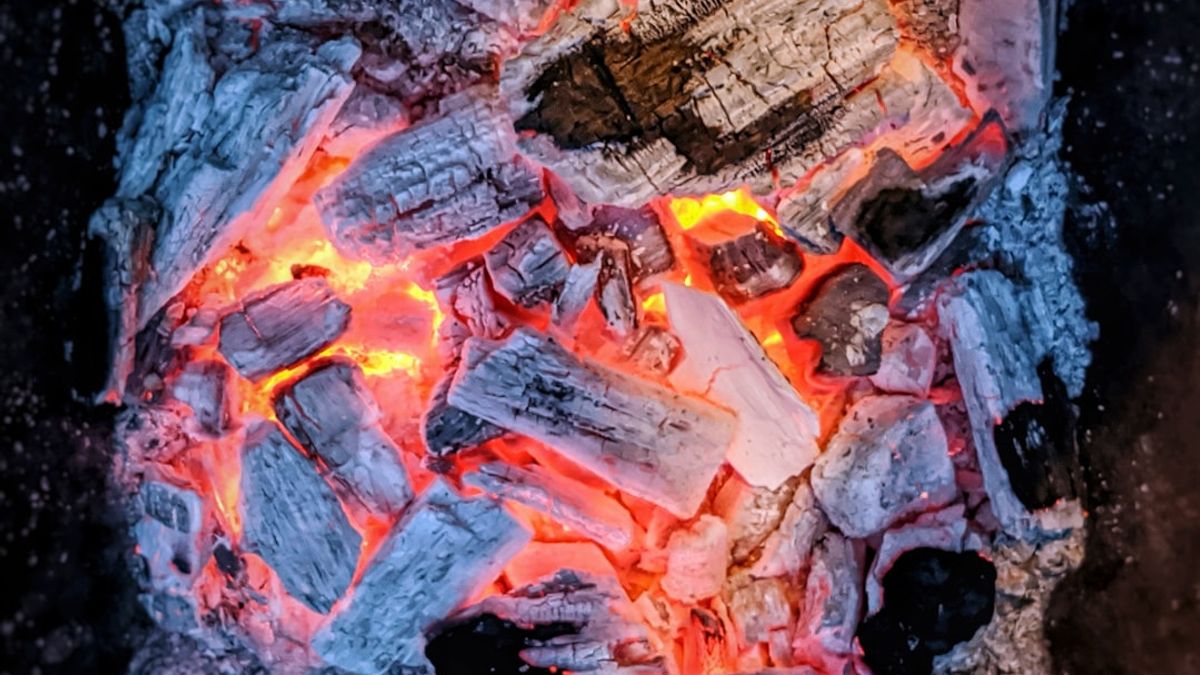
Start with dry kindling and gradually add larger logs. Allow the fire to burn down until you have a thick layer of glowing coals—the ideal heat source for most open-fire cooking. Use a fire rake or shovel to manage the coals and adjust cooking temperature. Always keep water or a fire extinguisher nearby for safety.
Adapting to Wind, Weather, and Terrain
Wind can quickly turn a controlled fire into a dangerous blaze or make temperature management difficult. Use natural windbreaks or build a low stone wall around your fire. In wet or cold conditions, allow extra time for wood to burn down and be patient—open-fire cooking is as much about adapting to nature as it is about technique.
Open-Fire Cooking Safety: Best Practices for a Secure and Enjoyable Experience
Safety is paramount whenever flames are involved, especially in wild or remote settings. Following a few key guidelines can prevent accidents and protect both people and the environment.
Site Selection and Fire Control
- Choose a location away from dry grass, overhanging branches, and tents.
- Clear a 10-foot diameter around your fire, removing leaves and debris.
- Build fires only in designated fire rings or pits when available.
Food Safety and Hygiene
Always wash your hands and cooking tools before and after handling raw meat. Use separate utensils for raw and cooked foods to avoid cross-contamination. Cook meats to safe internal temperatures, as recommended by the U.S. Department of Agriculture (USDA): 165°F for poultry, 145°F for steaks and roasts (rested for at least 3 minutes), and 160°F for ground meat.
Extinguishing and Cleaning Up
When finished, douse the fire thoroughly with water and stir the ashes until they are cool to the touch. Never leave a campfire unattended. Pack out all trash and food scraps to avoid attracting wildlife and keep the site pristine for future visitors.
Open-Fire Cooking for Beginners: Tips, Troubleshooting, and Inspiration
Embarking on your open-fire cooking journey can feel daunting, but with a few basic principles and a spirit of adventure, anyone can master this timeless craft. The most rewarding meals are often the simplest—bread baked on a stick, fish roasted over embers, or fresh vegetables charred to perfection.
Beginner Mistakes and How to Avoid Them
- Too Much Flame: Cooking over active flames can burn food quickly. Wait for a bed of hot coals for even heat.
- Neglecting Preparation: Have all your ingredients and tools ready before you start. Fire waits for no one!
- Impatience: Open-fire cooking requires time. Resist the urge to rush—let the fire and food develop their flavors naturally.
Simple Starter Recipes
- Hobo Dinners: Wrap meat, potatoes, and vegetables in foil and roast in the coals.
- Bannock Bread: A basic dough of flour, water, and salt, cooked on a stick or skillet.
- Campfire Stew: Combine cubed meat, root vegetables, and broth in a Dutch oven and simmer over embers.
Finding Community and Inspiration
Join online groups and communities to share recipes, ask questions, and learn from experienced fire cooks. Watching videos from seasoned bushcrafters and outdoor chefs can also spark new ideas and help refine your technique.
FAQ: Open-Fire Cooking Questions Answered
What is the best wood to use for open-fire cooking?
The best woods for open-fire cooking are hardwoods like oak, hickory, maple, and fruitwoods such as apple or cherry. These woods burn hotter, longer, and produce less resin, resulting in cleaner smoke and better flavor. Avoid softwoods like pine or cedar as they can impart unpleasant tastes and may release harmful chemicals when burned. Using local hardwoods is also better for the environment and helps maintain traditional flavors.
How do I control the heat when cooking over an open fire?
Controlling heat is a key skill in open-fire cooking. Wait until your fire burns down to a bed of glowing coals before cooking, as coals provide steady, even heat. Adjust the height of your grill or move your food closer or farther from the heat source as needed. You can also create different heat zones by raking coals to one side for searing and leaving another area for slow cooking. Practice and patience will help you develop a feel for fire management.
What essential equipment do I need for open-fire cooking?
Essential equipment for open-fire cooking includes a cast iron skillet or Dutch oven, a grill grate, long-handled tongs and spatulas, fireproof gloves, and a sturdy spit or rotisserie for roasting larger cuts or whole animals. Many outdoor cooks also recommend having a fire rake, a sharpening stone, and a canvas bag or box for transporting your kit. Quality, durability, and portability should be your main considerations when assembling your open-fire cooking kit.
Can I cook bread or desserts over an open fire?
Absolutely! Open-fire cooking is not limited to meats and vegetables. Bannock bread, cornbread, and flatbreads can be made in a skillet or wrapped around sticks. Dutch ovens are ideal for baking cobblers, cakes, or bread puddings directly over coals. You can also try classic treats like s’mores, foil-wrapped fruit, or roasted marshmallows. Experimenting with baking and desserts adds a sweet touch to any campfire meal.
Is open-fire cooking safe for beginners?
Yes, open-fire cooking can be safe for beginners if you follow basic safety guidelines. Always choose a safe location for your fire, keep water or a fire extinguisher nearby, and never leave the fire unattended. Use long-handled tools and fireproof gloves to protect yourself from burns. Start with simple recipes and gradually build your skills as you become more comfortable managing fire and heat.
How do I clean and maintain my open-fire cooking equipment?
After each use, clean your equipment thoroughly with hot water and a brush. Avoid using soap on cast iron, as it can strip the seasoning. Dry all gear completely before storing to prevent rust. Periodically re-season cast iron by applying a thin layer of oil and heating it over the fire or in an oven. Store your kit in a dry, ventilated area for longevity.
What foods are easiest to start with for open-fire cooking?
Begin with simple foods like sausages, vegetables, or fish fillets, which cook quickly and are forgiving. Foil packet meals (hobo dinners), skewered meats, and bannock bread are also great for beginners. As you gain confidence, try more complex dishes like stews, roasts, or baked goods using a Dutch oven.
Can I use open-fire cooking techniques at home?
Yes, you can practice open-fire cooking at home in your backyard using a fire pit or charcoal grill. Always follow local fire regulations and safety guidelines. Many techniques and recipes translate well from the wilderness to the backyard, allowing you to enjoy the flavors and experience of open-fire cooking without leaving home.
Conclusion: Reignite Your Passion for Cooking with Open-Fire Adventure
Open-fire cooking is more than just a way to prepare food—it’s a celebration of tradition, community, and the elemental connection between flame and flavor. Whether you’re roasting wild game under the stars, grilling a steak on a handmade log grill, or simmering a prime rib stew in a Dutch oven, every meal cooked over an open fire tells a unique story. The process invites us to slow down, engage with our surroundings, and savor the moments shared around the warmth of the flames.
If you’re ready to embrace the adventure, start by gathering your open-fire cooking equipment, researching recipes, and connecting with fellow enthusiasts online. Remember, the best fire cooks are those who keep learning, experimenting, and adapting. So get outside, build a fire, and rekindle your love for food—one flame-kissed bite at a time. Your journey into the world of open-fire cooking is just beginning, and the possibilities are as boundless as the great outdoors itself.
