
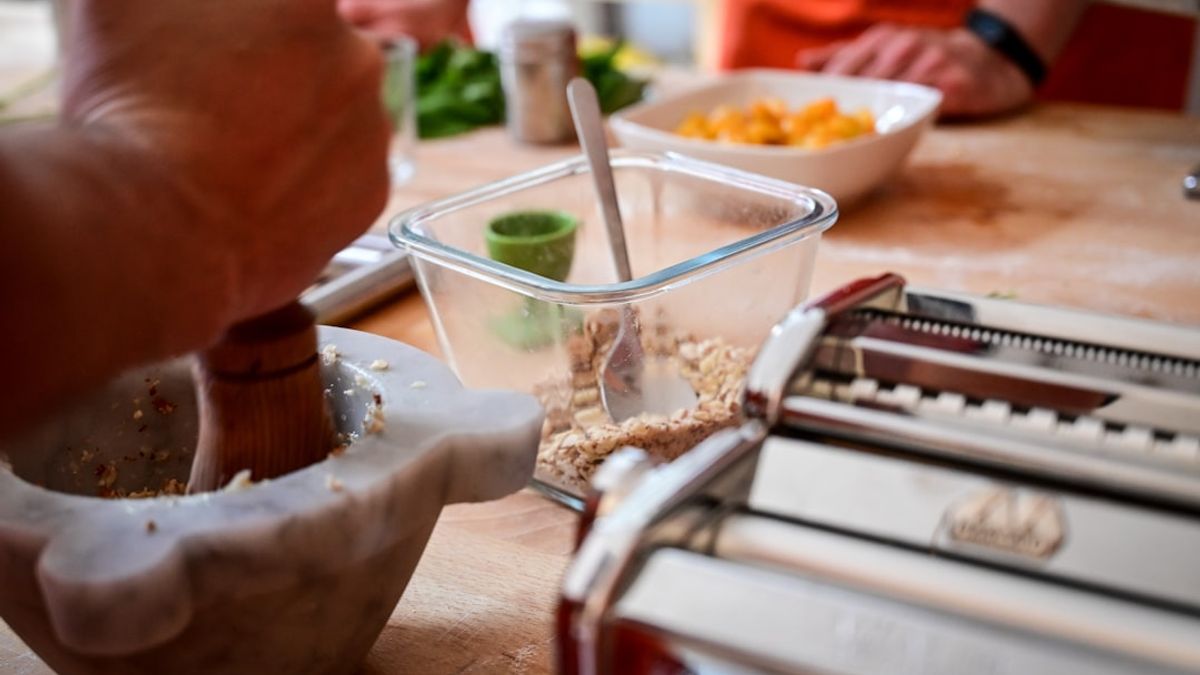
Culinary School At Home: Master Healthy Cooking Fast

The concept of a culinary school at home is no longer a futuristic fantasy—it is becoming an increasingly popular reality. As more seek to elevate their cooking skills from the comfort of their own kitchens, the traditional boundaries between home cooks and professional chefs are rapidly blurring. Online culinary education has experienced significant growth, with new platforms and programs transforming how people learn to cook—and how they engage with food. For those wondering if a culinary school at home can match the rigor and excitement of in-person classes, emerging reviews and trends suggest the answer is increasingly affirmative. Unlock the Hidden Techniques That Will Revolutionize Your Weeknight Dinners

“Online culinary education enrollment has grown significantly over the past few years, signaling a shift in how people approach cooking skills development,” reports various industry observers.

This rise is fueled by widespread access to high-quality video instruction, interactive classes led by professional chefs, and the convenience of learning at one’s own pace. The pandemic sparked a kitchen renaissance, and the momentum has continued. Interest in online cooking classes and certificate courses has increased compared to pre-2020 levels. Platforms like Homemade Cooking and Typsy offer everything from basic knife skills to advanced international cuisine.

Key Factors Driving the Home-Based Culinary Education Movement – culinary school at home

✍️

Providing practical cooking tips, meal ideas, and kitchen hacks to help home cooks improve their skills and enjoy flavorful, nutritious meals

— Munchiecooking ✍

  • Significant growth in online culinary course enrollments reported by various educational platforms
  • A substantial portion of new learners are adults balancing careers and family responsibilities
  • Many online culinary students prefer interactive live classes over pre-recorded tutorials
  • Free certificate courses have expanded globally in recent years
  • Numerous learners report improved cooking confidence within a few months of course participation

But what does it really mean to enroll in a “culinary school at home”? Is it just a collection of YouTube tutorials, or does it carry the structure, feedback, and sense of community found in brick-and-mortar culinary institutions? As more adults, young professionals, and retirees search for “culinary school at home near me,” the answer is evolving. This article examines the rise of home-based culinary education, explores its benefits and challenges, and investigates what the future holds for aspiring chefs and passionate home cooks alike.

The Evolution of At-Home Culinary Learning: From Hobby to Accredited Programs – culinary school at home

The journey of culinary school at home began as a grassroots movement among passionate home cooks who wanted more than just recipes—they wanted to master techniques. In the early 2010s, recipes and one-off cooking videos dominated the online landscape. By the mid-2020s, a distinct shift became evident. Today’s at-home culinary education is often structured, interactive, and sometimes even accredited.

Structured Courses Replace Casual Tutorials

Unlike earlier days when home cooks relied on fragmented information, modern platforms now provide sequenced curricula. Learners can follow comprehensive modules covering kitchen safety, ingredient sourcing, global cuisines, and professional plating. For many, this structure mimics the discipline and progression of traditional culinary schools.

Accreditation and Certification: Raising the Bar

One of the most significant developments has been the introduction of free online cooking courses with certificate options. Platforms now offer assessments and certificates upon course completion, a step many consider crucial for career changers or those wishing to showcase verified skills. While not all certificates carry the same weight as those from in-person institutions, they demonstrate practical knowledge and a commitment to learning.

The result? Home-based culinary education is now a legitimate path for both serious hobbyists and aspiring professionals. Industry observers suggest that as demand grows, partnerships between accredited culinary schools and online platforms will likely increase, bringing further legitimacy and recognition to culinary school at home.

Interactive Platforms: Bringing the Classroom to Your Kitchen

A key reason for the success and popularity of culinary school at home is the rise of interactive, community-driven platforms. Gone are the days when online learning meant passively watching videos. Today, platforms such as Homemade Cooking have reimagined the experience, offering live, real-time classes led by professional chefs.

Live Sessions and Real-Time Feedback

Live cooking sessions allow participants to ask questions, troubleshoot mistakes, and receive instant feedback—just as they would in a physical classroom. Instructors demonstrate techniques but also adapt to the pace and interests of their online students. This interactive approach helps bridge the gap between home and professional environments, making advanced skills accessible to all.

Community and Collaboration

User reviews highlight that one of the most valued aspects of these platforms is the sense of community. Learners connect with classmates worldwide, share photos of their creations, and participate in challenges or themed cooking nights. This collaborative environment motivates participants to improve and fosters friendships and culinary networking. Transform Your Lunch Game with These Must-Try Nutritious Bowls for Every Palate

For adults seeking culinary school at home, this interactive, communal model is especially appealing. It offers a supportive, social learning environment without the need to relocate or commit to a full-time program. As more platforms continue to innovate, the distinction between physical and virtual learning is expected to shrink further.

Emerging Trends in Culinary Education at Home

  • Personalized Learning Paths: Adaptive course structures tailored to individual skill levels and culinary interests.
  • Hybrid Local-Global Experiences: Integration of local ingredient sourcing with global cuisine lessons enhances authenticity.
  • Technology Integration: Increasing use of AI coaching and VR simulations to replicate hands-on training.

Curriculum Deep Dive: What You Can Expect to Learn

Culinary school at home is more than a collection of random recipes. The best programs offer a well-rounded curriculum designed to develop both foundational and advanced skills. For those searching for the best culinary school at home, understanding the curriculum is key to making an informed choice.

Core Skills: From Knife Techniques to Plating

Most reputable online culinary schools start with essentials: knife skills, food safety, and basic cooking methods. Courses typically progress logically from boiling, roasting, and sautéing to advanced techniques like sous vide and fermentation. Programs may also cover baking, pastry, and specialty diets.

Global Cuisines and Specialty Courses

international cuisine cooking class – culinary school at home
Hands knead dough as aromatic spices fill the air in a vibrant kitchen.

Many platforms focus on authentic international cuisines, offering classes in Italian, French, Asian, and Middle Eastern cooking. These immersive experiences allow students to explore regional dishes and techniques, often taught by chefs with cultural expertise. Specialty courses may include food photography, wine pairing, or plant-based cooking, catering to evolving tastes and dietary needs.

For beginners seeking online cooking classes, having access to a structured pathway—rather than a random assortment of videos—is a major advantage. Reviews indicate that guided curricula help students build confidence and competence, ultimately transforming home kitchens into training grounds for culinary excellence.

Comparison of Online Culinary School Features (2025)
FeatureHomemade CookingTypsySlow Cooking School
Live Interactive ClassesYesYesLimited
Certificate of CompletionYesYesNo
Global Cuisine FocusModerateBroadSpecialized
Pricing OptionsFree & PaidPaid with Free TrialsPaid
Community FeaturesStrongModerateLimited

Who Is Embracing Culinary Education at Home?

The appeal of culinary school at home extends far beyond a single demographic. Its accessibility has made it attractive to a wide range of learners, from busy professionals to retirees, high school students to families. This democratization of culinary education is reshaping who gets to learn advanced cooking skills.

Adults, Families, and Career Changers

For adults balancing work and family, the flexibility of online learning is a game-changer. Many enroll to improve health, transition careers, or pursue lifelong passions. Culinary school at home for adults specifically tailors curricula to mature learners, focusing on practical skills and meal planning. Uncover the Family Meal Ideas That Even Picky Eaters Will Love

Regional Options: Culinary Education Near You

Interest in local options remains strong, with searches for “culinary school at home near me” and specific cities rising steadily. Some platforms partner with local chefs or source ingredients regionally, creating hybrid models that combine online convenience with local food culture. This trend is expected to grow, especially in major culinary hubs.

The result is a vibrant, inclusive community of learners. No longer limited by geography, more people than ever are embracing the opportunity to bring culinary school into their own homes—and kitchens.

Story Spotlight: Impact on Career Changers

Some platforms dedicated to adult learners have reported increased enrollments from individuals seeking career transitions into the culinary field. Data from these platforms indicate that many complete certificate courses within months, with some pursuing further professional education or starting food-related businesses. This case study highlights how accessible online culinary education empowers adults to pursue new career paths without traditional barriers. (Source: Industry Platform Reports)

Does Culinary Education at Home Deliver Results?

With the rapid expansion of online culinary education, a critical question arises: does culinary school at home genuinely deliver results? Early adopters and graduates share valuable insights for those considering this path.

User Reviews: Success Stories and Cautions

Many learners report significant improvements in technique and confidence. Convenience and affordability are major benefits, along with the ability to revisit lessons at one’s own pace. However, reviews also note that self-motivation is crucial—without physical attendance, it can be easy to fall behind.

Career and Personal Growth

While online certificates may not always carry the same prestige as traditional degrees, they are increasingly recognized by employers and culinary organizations, especially when paired with a strong portfolio. For home cooks, the personal satisfaction of mastering new skills and sharing them with friends and family often outweighs concerns about formal accreditation.

Overall, the consensus is that culinary school at home is an effective, accessible, and enjoyable way to develop culinary skills, provided the learner is committed and engaged. Why Your Cookies Are Flat: Uncovering Common Baking Mistakes and Fixes

Cost, Value, and Free Options: Making Culinary Education Accessible

One of the most attractive features of culinary school at home is affordability. Compared to the high tuition and relocation costs of traditional culinary schools, online options are far more accessible—sometimes even free.

Free Online Cooking Courses with Certificate

Several platforms, including Homemade Cooking and Typsy, offer free online cooking classes for beginners, some including certificates of completion. These introductory courses are ideal for those testing the waters before committing to paid programs. For many, this low barrier to entry is decisive.

Comparing Paid and Free Programs

While free classes provide a solid foundation, paid programs often feature more comprehensive curricula, personalized feedback, and advanced modules. The cost of a year-long online culinary program can be significantly lower than traditional schools, making it feasible for a broader audience.

Importantly, the value of culinary school at home isn’t just in the price—it’s in the skills, confidence, and creativity learners gain. As the market matures, more hybrid models, scholarships, and employer-sponsored programs are expected to increase accessibility.

Future Trends: Where Is Culinary Education at Home Headed?

The landscape of culinary school at home is evolving rapidly, with new technologies and educational models emerging. As interest grows, what can learners and instructors expect?

Integration of Virtual Reality and AI

Emerging platforms are experimenting with virtual reality (VR) kitchens and artificial intelligence (AI)-driven coaching. VR allows students to practice complex techniques in simulated environments, while AI provides instant feedback on knife skills, timing, and flavor balance. As these technologies become more affordable, they are likely to become standard in premium courses.

Local-Global Hybrid Models

Another trend is blending global content with local experiences. Some schools offer ingredient delivery, access to local markets, and partnerships with regional chefs. This approach allows learners to explore world cuisines while supporting local food systems.

Looking ahead, culinary school at home is expected to become increasingly personalized, with adaptive learning paths, mentorship programs, and micro-credentials tailored to specific culinary niches. As more people embrace home-based learning, the culinary world is poised for a new era of creativity and inclusion.

Frequently Asked Questions about Culinary School at Home

Is a culinary school at home as effective as attending a traditional culinary institute?

While a culinary school at home may not replicate every aspect of a traditional institute—such as in-person networking and hands-on restaurant experience—many learners report significant skill development and confidence gains. Online programs with structured curricula and real-time feedback can closely mirror the effectiveness of in-person classes, especially for foundational and intermediate skills. Success often depends on the quality of the program and the student’s motivation.

Are there culinary school at home options specifically for adults or career changers?

Yes, many platforms offer culinary school at home for adults, designed with flexible schedules and practical modules to suit busy lifestyles. Adult learners often seek health-focused courses or professional development tracks. Some programs provide career guidance, resume support, and networking opportunities for those considering a culinary career change.

Can I earn a recognized certificate or qualification through an online culinary school at home?

Many reputable platforms offer certificates upon successful completion of their courses. While these certificates may not carry the same weight as degrees from accredited institutions, they provide evidence of skill and commitment. Some employers and culinary organizations recognize these credentials, especially when accompanied by a strong portfolio of work and hands-on experience.

How do I find the best culinary school at home program near me?

To find the best culinary school at home near you, consider your learning goals, preferred cuisines, and budget. Look for platforms with positive reviews, comprehensive curricula, and interactive features such as live classes or personalized feedback. If local flavor is important, seek programs that partner with chefs or suppliers in your area. Reading detailed culinary school at home reviews can also help you make an informed decision.

What equipment do I need to participate in a culinary school at home?

Most culinary school at home programs require basic kitchen equipment such as knives, cutting boards, pots, pans, and mixing bowls. Some advanced courses may recommend specialty tools, but many platforms provide a list of required items before enrollment. A reliable internet connection and a device for streaming classes are also essential.

Are there interactive or live classes available in culinary school at home programs?

Yes, many leading platforms offer live, interactive classes where students can ask questions, receive feedback, and interact with instructors and peers in real time. These sessions help replicate the classroom experience and foster a sense of community among learners.

How much does a culinary school at home program typically cost?

Costs vary widely depending on the platform, course length, and level of instruction. Many programs offer free introductory classes, while comprehensive courses can range from a few hundred to several thousand dollars. Compared to traditional culinary schools, online options are generally much more affordable.

Can I access culinary school at home programs from anywhere in the world?

Yes, most online culinary school at home platforms are accessible globally, provided you have internet access. Some programs even offer region-specific content or ingredient sourcing options to enhance the local learning experience.

Conclusion: Culinary School at Home—Redefining Who Can Cook Like a Chef

The surge of culinary school at home programs is reshaping expectations for home cooks and professional hopefuls alike. No longer confined to elite classroom kitchens, culinary education is now available to anyone with a passion for food and internet access. This democratization breaks down barriers, making advanced cooking techniques and global cuisines accessible to a wider, more diverse audience than ever before.

As technology evolves, so will opportunities for immersive, interactive learning—from live classes and VR kitchens to local ingredient partnerships and AI-driven coaching. For those considering culinary school at home for adults, beginners, or families, the options have never been more robust or exciting. The only question left: what will you create in your own kitchen?

Ready to take the leap? Explore the latest culinary school at home platforms, read reviews, and join a growing community of home cooks transforming their kitchens—and their lives—one lesson at a time.

Culinary school at home interactive cooking session
Interactive cooking session in a culinary school at home setting
Disclaimer: The information provided on this website is for informational purposes only and is not a substitute for professional medical advice, diagnosis, or treatment. Always seek the advice of a licensed healthcare professional with any questions you may have regarding a medical condition. Do not disregard professional medical advice or delay seeking it because of something you have read on this site.

For more information on culinary education, visit CulinarySchools.org, Food Network’s Culinary School Guide, and MasterClass Cooking Courses.