
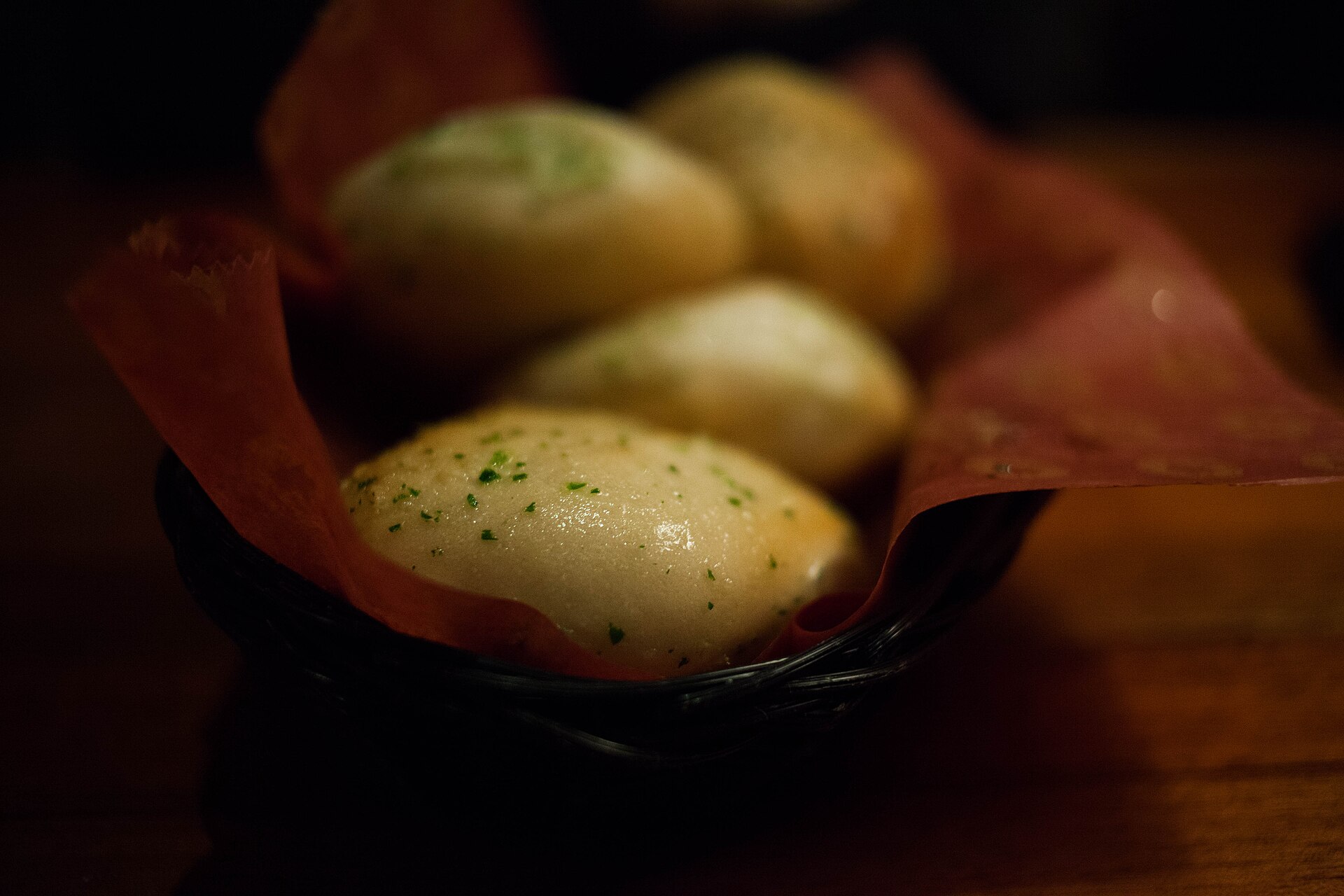
A bag of frozen dinner roll dough costs about the same as a loaf of good bread and takes less hands-on time than scrambling eggs, and it still gets treated like a lesser option compared to a from-scratch dough that takes half a day to rise properly. On a morning already packed with a turkey, three side dishes, and a table to set, that half day doesn’t exist.
The forty-minute version isn’t a compromise recipe. It’s the same yeast dough a bakery uses, pre-shaped and frozen at the point right before its final rise, and the only real skill involved is timing the thaw correctly and brushing on butter at the right moments. Nobody at the table can tell the difference once they’re warm and glazed.
What actually separates a rushed batch of rolls from ones that look and taste homemade is almost entirely about timing and butter, not technique. Getting both right takes about the same effort as remembering to preheat the oven.
- Total active time: under 5 minutes across the whole process
- Thaw and rise window: 3 to 4 hours at room temperature, or overnight in the fridge
- Bake time: 15 to 18 minutes at 350 degrees
- Butter brushes: once before baking, once immediately after
- Yield: one standard bag makes 15 to 24 rolls depending on brand
Quick dinner rolls that don’t taste like a shortcut
Frozen roll dough is genuinely made from the same basic ingredients as a scratch dough, flour, yeast, sugar, butter, and salt, portioned and shaped into balls before being frozen at a bakery-scale facility with more consistent conditions than most home kitchens can replicate. The frozen step pauses the yeast rather than killing it, which is why a properly thawed ball rises just as well as fresh dough once it warms back up.
What frozen dough skips is the mixing, kneading, and first rise, which is the genuinely time-consuming part of bread baking that most people don’t actually enjoy doing on a morning already full of other tasks. The final proof and bake, the part that produces the smell and the warm bread at the table, is identical whether the dough started from a bag of flour or a bag in the freezer.
The forty-minute timeline that actually fits a busy morning

The forty-minute number refers to active oven and final-proof time, not the full thaw, which needs to happen well before serving. Pulling the dough balls out of the freezer three to four hours before they need to bake, spacing them on a greased pan, and letting them thaw and rise at room temperature covers the slow part while the kitchen is busy with everything else.
Once thawed and doubled in size, which is the visual cue to watch for rather than a strict clock, the actual bake is fifteen to eighteen minutes, plus a five-minute rest before serving. That’s the real forty-minute window: from pulling risen dough out of its resting spot to rolls landing in a basket on the table.
Thawing overnight in the fridge instead
For anyone who wants one less thing to time on the day itself, moving the frozen dough balls to a greased pan the night before and letting them thaw slowly in the refrigerator overnight works just as well, and it actually develops slightly more flavor thanks to the longer, cooler fermentation. Pull the pan out about an hour and a half before baking to let the dough finish rising at room temperature.
The overnight method is the better choice for a Thanksgiving morning specifically, since it moves one more task off a day that’s already crowded with turkey, sides, and a table to set, and it makes the actual roll-day task nothing more than pulling a pan out of the fridge.
The butter brush trick that makes them look bakery-made
Brushing melted butter over the tops of the risen dough balls right before they go in the oven does two things at once: it helps the tops brown more evenly, and it keeps the surface from drying out and forming a tough skin during the bake. A second brush of butter the moment they come out of the oven, while they’re still hot enough to absorb it, is what gives the finished rolls their shiny, bakery-style sheen.
A pinch of flaky salt sprinkled on right after that second butter brush adds a contrast most store-bought roll bags don’t suggest on the packaging, and it’s the single easiest upgrade available for close to zero extra effort or cost.
Shaping tricks that upgrade a plain ball
Pressed slightly flatter and folded in half before the final rise, plain dough balls turn into a rough approximation of a Parker House roll, with a visible seam that reads as more deliberate than a plain round shape. Snipping a shallow X into the top of a risen ball with kitchen scissors before baking gives a decorative crackled top with no shaping skill required at all.
Three small balls nestled together in one muffin tin cup, rather than baked as a single larger roll, produce a clover-shaped roll that pulls apart into three soft pieces and looks noticeably more considered on a table than a tray of identical round rolls.
Choosing a bag of frozen dough worth buying
| Type | Texture | Best for |
|---|---|---|
| White dinner roll dough | Soft, mild, slightly sweet | General table use, most crowd-pleasing |
| Wheat dinner roll dough | Denser, nuttier | Heartier meals, sandwiches with leftovers |
| Yeast bread loaf dough | Chewier crust | Sliced bread rather than individual rolls |
Reading the ingredient list on the bag is worth the ten seconds it takes; a shorter list with recognizable ingredients tends to bake up with better flavor than one padded with dough conditioners and preservatives meant to extend shelf life rather than improve taste.
What to do if the dough won’t rise fast enough
A cold kitchen, common in a house with the oven and every burner already occupied, slows yeast activity noticeably, and dough that should double in three hours can take five in a genuinely chilly room. A turned-off oven with just the interior light on creates a warm, draft-free spot that speeds the rise back up without any real risk of overproofing if checked periodically.
A microwave with a cup of just-boiled water placed inside alongside the covered dough tray works the same way, using the trapped steam and warmth to create a proofing box out of an appliance most kitchens already have sitting idle.
Reheating rolls made a day ahead
Fully baked rolls from the day before reheat well wrapped in foil in a 300-degree oven for about ten minutes, which brings back most of the fresh-baked softness that a microwave tends to turn rubbery instead. A quick spritz of water on the foil packet before it goes in adds a little steam that helps further.
For rolls baked further ahead and frozen after baking, thawing at room temperature for an hour before the same foil-wrapped reheat restores them close enough to fresh that most guests won’t notice the extra day between baking and serving.
Baking two pans at once without uneven results
A large gathering often needs more rolls than a single sheet pan holds, and running two pans on separate racks at the same time tends to leave the bottom pan underbaked while the top pan browns too fast. Swapping the pans’ positions, top to bottom and front to back, at the halfway point of the bake evens this out reliably without adding real time to the process.
Spacing the racks as close to the oven’s center third as possible, rather than one near the very top and one near the very bottom, also narrows the heat difference between the two pans from the start, which means less correction is needed at the swap.
What to do with rolls that are left over
A handful of leftover rolls, torn into rough pieces and dried out in a low oven for twenty minutes, turn into a base for a small batch of stuffing or bread pudding that uses up exactly the amount left rather than requiring a whole fresh loaf. This is a genuinely useful way to avoid tossing two or three rolls that would otherwise go stale on the counter within a day or two.
Whole leftover rolls also freeze well on their own, sealed in a bag with the air pressed out, for up to two months, and they thaw and reheat by the same foil-in-the-oven method used for rolls made a day ahead.
Turning a plain bag of dough into different shapes for different meals
The same bag of frozen dough that becomes plain dinner rolls one night can become breadsticks the next, simply by rolling each thawed ball into a rope instead of leaving it round, brushing with garlic butter, and baking a few minutes less than the full roll time since the thinner shape cooks faster. This is worth knowing for anyone who buys dough in bulk and doesn’t want every meal built around it to look identical.
Flattened into a disc and topped with a little cheese and a pinch of herbs before baking, the same dough also makes a passable personal flatbread in under fifteen minutes, which is a genuinely useful trick for using up the last few balls in a bag that doesn’t have enough left for a full batch of rolls.
Storing an unopened bag versus one already opened
An unopened bag of frozen dough balls keeps in a standard freezer for several months without any real decline in quality, since the yeast stays fully dormant at freezer temperature and the dough itself isn’t exposed to any air. Checking the use-by date printed on the bag is still worth doing, since manufacturers do test for a defined freshness window even at freezer temperatures.
Once a bag is opened and only part of it used, pressing the remaining dough balls into a smaller freezer bag with as much air removed as possible before returning them to the freezer prevents the freezer burn that a loosely resealed original bag tends to develop within a few weeks.
Frequently Asked Questions
Can I speed up the room-temperature thaw if I’m short on time?
A slightly warm spot, like near a preheating oven or on top of the refrigerator where the motor generates gentle heat, speeds things up somewhat, though pushing the process too hard with direct heat risks killing the yeast before it has a chance to work.
Why did my rolls come out dense instead of fluffy?
This is almost always an underproofed dough that went into the oven before it had properly doubled in size. Waiting the full rise time, checked visually rather than by the clock, fixes this in the next batch.
Can I add herbs or garlic to plain frozen dough?
Yes, working softened garlic butter or chopped fresh herbs into the dough by gently kneading it in after the initial thaw, or simply brushing an herb butter on top before baking, adds flavor without any change to the timeline.
Is it safe to refreeze dough that thawed too far?
Dough that’s fully risen and ready to bake shouldn’t be refrozen, since the yeast has already used up much of its rising power and the texture suffers noticeably. Bake it as planned rather than trying to save it for later.
How many rolls should I plan per person for a holiday table?
Two rolls per person is a reasonable baseline for a table with several other starchy sides already on it, closer to three if rolls are one of the few bread-forward items on the menu. Buying one extra bag beyond that estimate is cheap insurance against a table that eats more bread than expected, and any unused dough balls simply go back in the freezer.
Do I need to grease the pan if the dough balls already contain some fat?
Yes, greasing the pan is still worth doing even though the dough itself contains butter, since the fat in the dough doesn’t reliably migrate to the point of contact with the metal. A light coat of butter or a neutral oil on the pan before the dough balls go on prevents any sticking once they’ve risen and baked.
Pull the bag from the freezer three hours before dinner, brush butter on twice, and a store-bought shortcut ends up being the thing guests ask for the recipe of.