
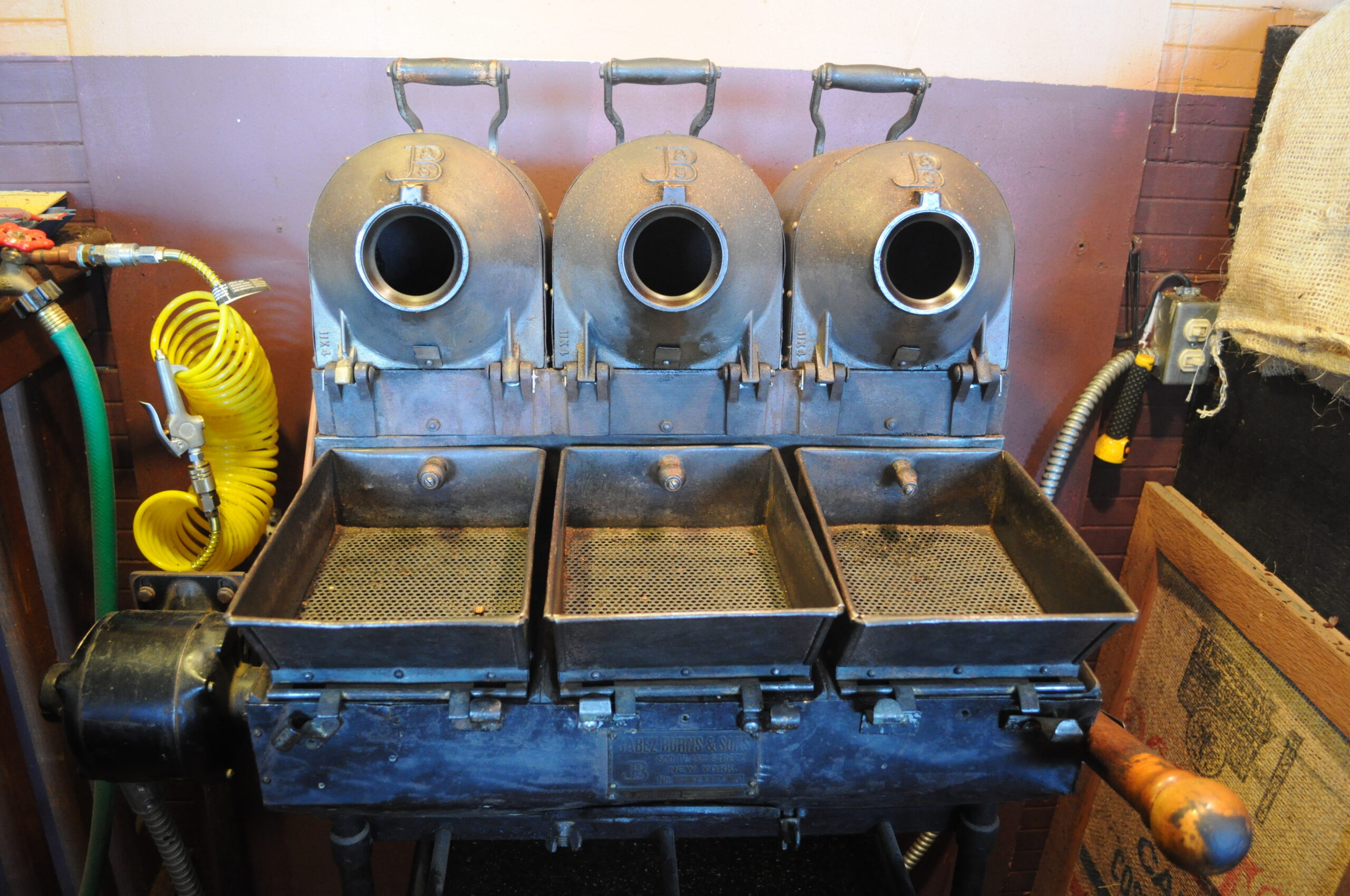
The turkey is thawed, the oven is preheated, and the roasting pan that was supposed to be in the cabinet under the stove is nowhere to be found, or was never bought in the first place because this is the first year hosting rather than visiting. A 14-pound bird still has to go in something, and not every pan in a kitchen is built to hold a leaking, dripping piece of meat that size for four hours.
Four realistic substitutes exist, and they are not equally good. A disposable aluminum pan reinforced with a real sheet pan underneath is the closest to a proper roasting pan most kitchens can improvise on short notice. A large braiser, a broiler pan, and a stacked sheet pan setup each work with real trade-offs worth knowing before the bird goes in.
What actually matters across all four options is weight support, drippings, and whether the setup can safely come out of a 425-degree oven without buckling or spilling scalding fat across the floor. Looks matter least of everything on this list.
- Best overall substitute: disposable foil pan double-nested on a rimmed sheet pan
- Weight limit for a flimsy foil pan alone: around 10 pounds before real risk of collapse
- Best oven-safe alternative if owned: a large enameled braiser or Dutch oven, lid off
- Riskiest option: a broiler pan, due to shallow depth and drippings overflow
- What to never do: lift a full pan one-handed, or use a pan with no rim at all
Disposable aluminum with a sheet pan underneath
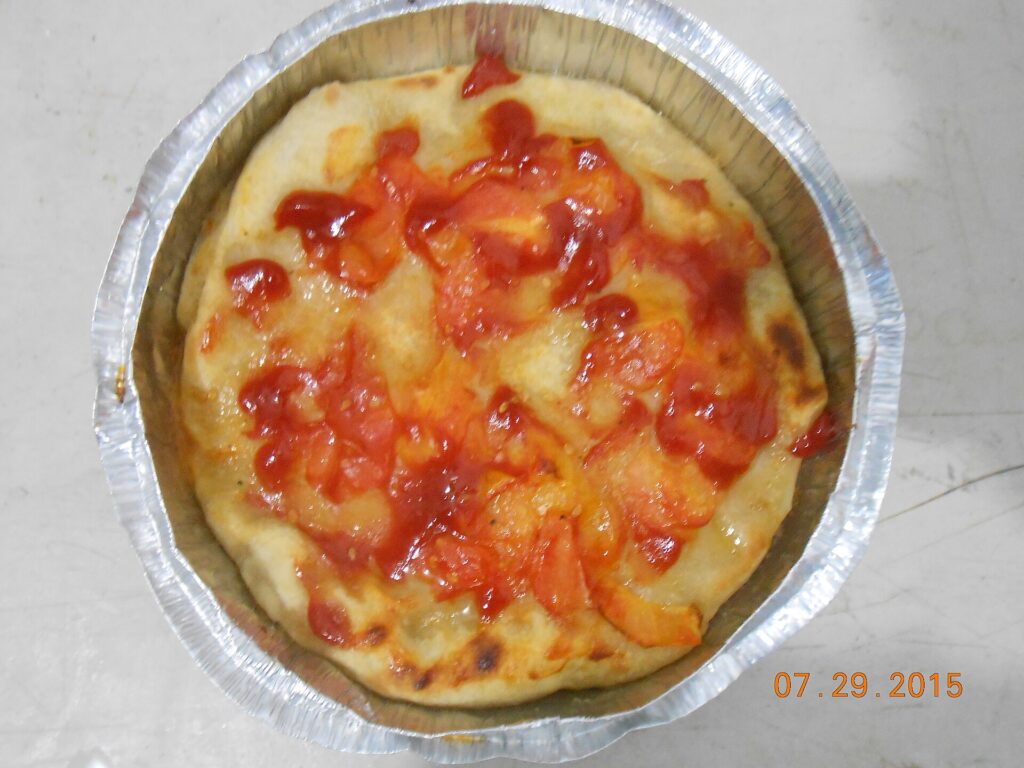
A single disposable aluminum roasting pan, the kind sold in every grocery store during November, is not rigid enough on its own to safely support a 14-pound bird once it’s full of hot fat and juices; the thin metal flexes and can buckle right at the moment it needs to come out of the oven. Doubling it, nesting one disposable pan inside a second identical one, adds real rigidity without changing anything else about how it cooks.
Setting that doubled pan on top of a solid rimmed sheet pan before it ever goes in the oven solves the collapse risk entirely, since the sheet pan becomes the structural support doing the actual lifting while the foil simply holds the bird and its juices. This combination handles a 14-pound turkey without issue and costs less than ten dollars if none of the three pieces are already owned.
A large braiser or Dutch oven, lid off
An oven-safe braiser or Dutch oven large enough to fit a 14-pound bird, with the lid left off for the entire roast, handles the weight and heat without any of the structural concerns a disposable pan carries. The thick walls also do a genuinely good job of catching drippings for gravy, often better than a shallow disposable pan does.
The limiting factor is size. Most home braisers top out around 5 to 7 quarts, which fits a bird up to about 12 pounds comfortably but starts to crowd a full 14-pound turkey against the sides, restricting airflow and slowing even browning. Anyone with an oval braiser or Dutch oven in the 8-quart-plus range has genuinely found the best substitute on this entire list.
A broiler pan, and why it’s the riskiest choice
A broiler pan, the two-piece slotted pan that usually lives under a stove’s broiler function, technically holds a turkey and lets fat drain away from the meat through its slots, which some cooks actually prefer for crisper skin. The problem is depth: most broiler pans are shallow enough that rendered fat and juices from a 14-pound bird can overflow the bottom tray well before the bird is done roasting.
Checking and pouring off accumulated drippings from the lower tray every 45 minutes to an hour, rather than letting it run the full cook time unchecked, is the only way to use a broiler pan safely for a bird this size. Skipping that step risks smoke from grease hitting the hot heating element below and a scorched, acrid smell filling the kitchen partway through the roast.
Roasting pan substitute options, side by side
| Option | Weight limit | Drippings for gravy | Risk level |
|---|---|---|---|
| Doubled foil pan on sheet pan | Handles 14+ lbs | Good, easy to pour | Low |
| Braiser or Dutch oven | Handles up to about 12 lbs comfortably | Excellent | Low |
| Broiler pan | Handles weight, but drips overflow | Poor, drains away | Medium to high |
| Two stacked sheet pans | Handles 14+ lbs | Fair, shallow pooling | Low to medium |
Weight support and drippings management are pulling in different directions across these four options, and no single substitute wins on both counts as cleanly as an actual roasting pan does. Picking the one that matches what a specific kitchen already owns beats buying a proper roasting pan that gets used once a year and stored the other fifty-one weeks.
The stacked sheet pan method
Two rimmed sheet pans, one on top of the other with the top pan holding a roasting rack or a bed of chopped vegetables to elevate the bird, is a workable setup for households that own sheet pans but nothing deeper. The bottom pan catches drippings, and the top pan’s rim, usually about an inch, is shallow but sufficient if fat is skimmed off periodically during the cook.
This method needs closer attention than a deeper pan, since a one-inch rim overflows faster than a roasting pan’s two-to-three-inch sides. Checking every 45 minutes and carefully spooning off excess fat into a heatproof container keeps it from running over the edge.
Handling the weight safely when it comes out
A cooked 14-pound turkey, plus its pan, its rack, and several cups of hot rendered fat, easily weighs 18 to 20 pounds by the time it comes out of the oven, and pulling that weight out one-handed or with a single oven mitt on a flimsy pan is how burns and dropped turkeys happen. Two people, two thick oven mitts each, and a clear path to a heatproof landing spot on the counter makes the actual removal the safest part of the whole process regardless of which pan was used.
Clearing counter space and laying down a folded towel or a trivet before the bird ever goes in the oven, rather than scrambling to find space once a hot pan is already out and needs somewhere to go, removes one more variable from an already busy moment.
Getting a rack under the bird without owning one
A roasting rack lifts the bird out of its own drippings for more even browning and airflow, and a kitchen without one can improvise with a thick bed of roughly chopped onions, carrots, and celery laid across the bottom of whatever pan is being used. The vegetables lift the bird just enough to matter, and they roast into a flavorful base that goes straight into the gravy afterward.
A few balled-up pieces of heavy-duty foil, spaced evenly across the bottom of the pan, work as a rougher substitute if there are no vegetables on hand, though they contribute nothing to the gravy the way roasted vegetables do.
Borrowing versus buying for a once-a-year need
For a household hosting Thanksgiving for the first time, borrowing a roasting pan from a relative or neighbor who already owns one is often the simplest fix, since a pan this size and shape has genuinely limited use outside of one or two holidays a year. Most people who own one are glad to lend it out for a day in exchange for the same favor later, and it saves storing an oversized pan in a kitchen that has nowhere obvious to put it.
For anyone planning to host regularly going forward, a basic uncoated stainless or aluminum roasting pan with a simple rack, rather than an expensive enameled one, does the job well and stores flat enough in most kitchens to justify owning outright rather than improvising every year. A basic model runs well under fifty dollars and holds up for years if it’s dried fully before being put away.
What size sheet pan actually works underneath
A standard half sheet pan, roughly 13 by 18 inches, is the size most home kitchens already own and it’s large enough to fully support a doubled disposable roasting pan without any part of the foil hanging over an unsupported edge. A quarter sheet pan is too small for a bird this size and leaves the corners of the foil pan unsupported, which is exactly where a collapse is most likely to start.
Checking that the sheet pan sits flat on the oven rack, rather than tilted against a rack that’s slightly warped, matters more than it sounds like it would. A pan tilted even slightly can cause drippings to pool on one side of the disposable pan above it, raising the odds of an overflow on that side specifically during the final hour of roasting.
Why the pan material affects browning, not just safety
Thin disposable aluminum reflects more heat than it absorbs, which is part of why a turkey in a doubled foil pan can brown slightly more slowly on the bottom than one in a heavier stainless roasting pan. This is rarely a real problem for a whole bird, since the top and sides brown normally from direct oven heat regardless of what’s happening underneath.
A heavier, darker pan like a cast enameled braiser absorbs and holds heat more evenly, which is part of why it also tends to produce more consistent drippings for gravy, with less of the pale, thin gravy base that a very reflective disposable pan sometimes leaves behind.
What to check before the bird ever goes in
Whatever substitute gets chosen, a quick dry run with the empty pan on the actual oven rack, checked for level and clearance from the heating element and oven walls, catches problems before they matter. A pan that’s even slightly too wide for the oven cavity, or one that sits crooked against a warped rack, is far easier to fix at this stage than after it’s holding a hot, heavy turkey.
Lining whatever pan gets used with a double layer of heavy-duty foil, even a sturdy braiser, adds a small amount of extra insurance against leaks and makes cleanup considerably faster once the meal is over and the last thing anyone wants to do is scrub a roasting vessel by hand.
Frequently Asked Questions
Can I use a large casserole dish instead of any of these options?
A large ceramic or glass casserole dish can work if it’s genuinely big enough for the bird to sit without touching the sides, though most standard 9×13 dishes are too small for anything over about 10 pounds. Check the bird’s package dimensions against the dish before committing to this option.
Is it safe to put a disposable foil pan directly on an oven rack without a sheet pan?
It’s technically possible for a smaller bird, but a foil pan alone flexes considerably when lifted while full and hot, which is the exact moment a spill is most dangerous. The sheet pan underneath removes nearly all of that risk for a minimal added cost.
Will using a substitute pan change my turkey’s cook time?
Cook time is driven mostly by the bird’s internal temperature rather than the pan material, so a substitute pan doesn’t meaningfully change timing. A shallower pan with more of the bird exposed to direct oven air can brown the skin slightly faster, which is worth checking a bit earlier than a recipe’s stated time suggests.
Can I reuse a disposable aluminum pan afterward?
Disposable pans are generally not meant for repeated use and tend to weaken further with washing, so treating one as single-use for the roast itself, then recycling it where local programs accept aluminum, is the more reliable approach.
What if my braiser has a lid that doesn’t fit once the bird is inside?
Roast the turkey uncovered regardless of whether the lid technically fits, since a lid traps steam and prevents the skin from browning and crisping the way an open roast does. Save the lid for using the braiser on the stovetop afterward to make gravy from the drippings.
Pick the setup that matches what’s already in the kitchen, double up wherever the pan feels thin, and a missing roasting pan stops being a reason to panic on the morning of.