
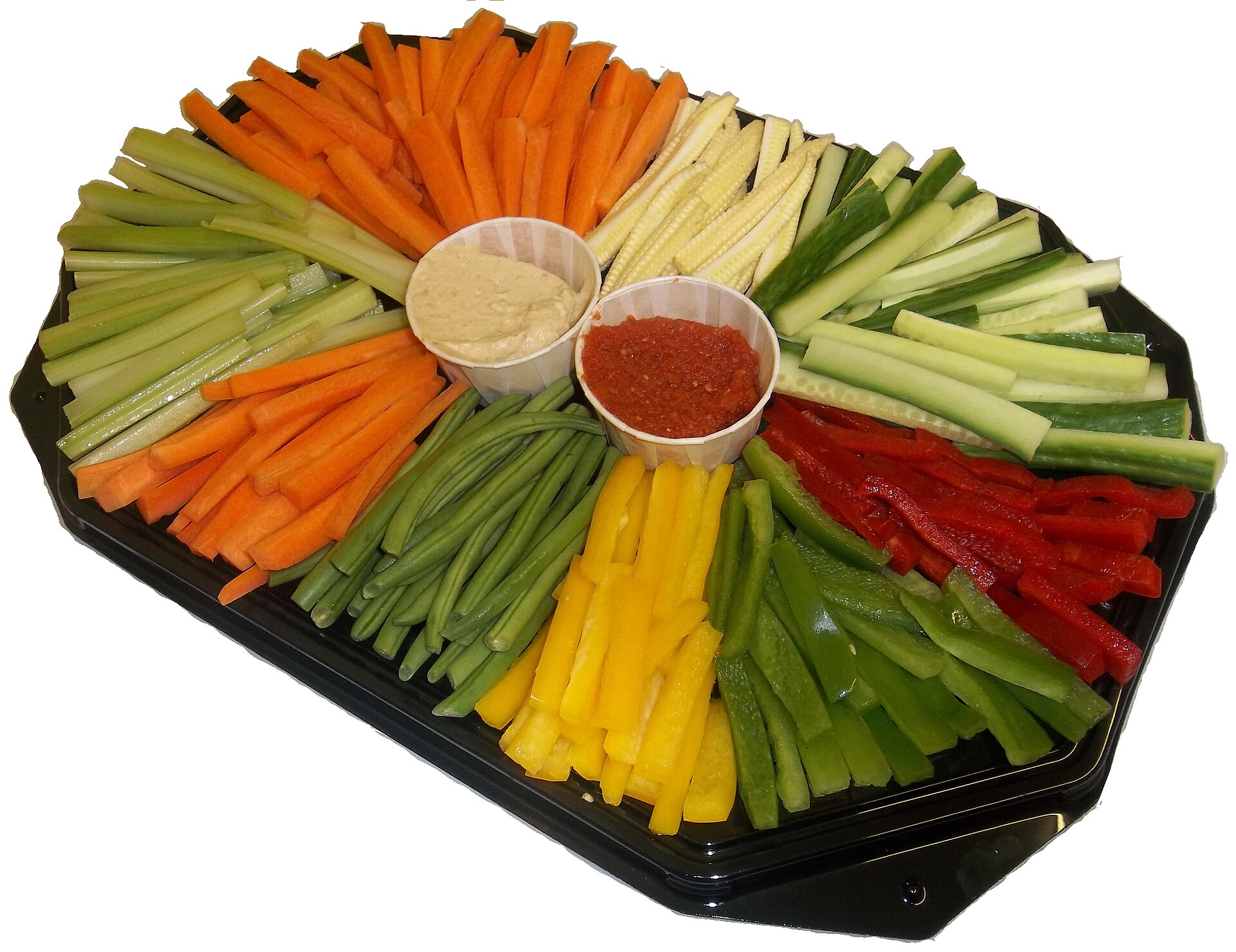
A vegetable platter usually gets treated as the thing on the table nobody planned very hard, a bag of baby carrots and a tub of ranch set out because someone should be eating vegetables. It also tends to be the tray that goes back to the kitchen barely touched, edges curling, next to the empty chip bowl.
The fix is not a fancier arrangement. It is a sixty-second blanch for a handful of the vegetables that are genuinely unpleasant fully raw, which softens them just enough to be worth eating without cooking away the crunch that makes a vegetable platter appealing in the first place.
Everything else on the platter, the parts that are already good raw, stays exactly as it is. This is a targeted fix for the specific vegetables that are usually the reason the whole tray gets skipped.
- Needs blanching: broccoli, cauliflower, green beans, asparagus, sugar snap peas
- Stays raw: bell pepper, cucumber, cherry tomato, radish, carrot, celery
- Blanch time: 45 to 60 seconds, then straight into ice water
- Cut size: sticks about 3 inches long, small enough for one dip
- Dip ratio: one dip per five guests
- Time out at room temperature: no more than 2 hours total
Why raw is not always the better choice
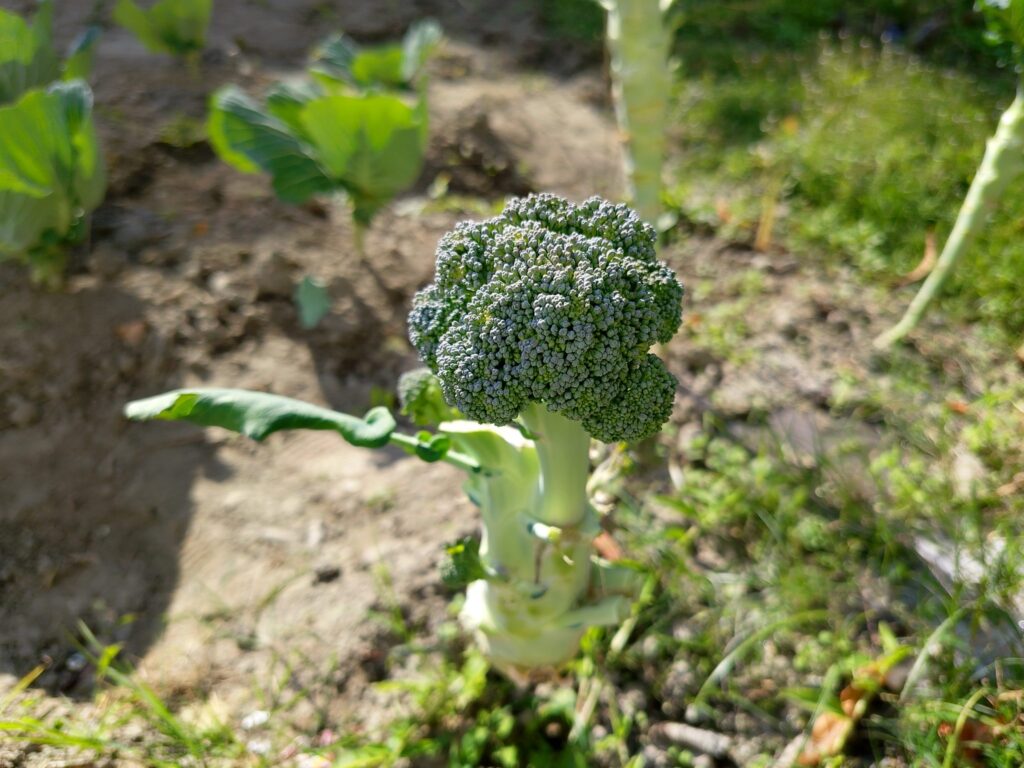
Raw vegetable purists are right about some vegetables and wrong about others. A raw bell pepper or cucumber has a pleasant snap and a mild flavor that a quick cook would only dull. Raw broccoli and cauliflower, on the other hand, carry a sulfurous, slightly bitter edge and a dense, chalky texture that a brief blanch softens dramatically without cooking away the vegetable’s structure entirely.
The instinct to keep everything on a crudité platter fully raw comes from a reasonable place, wanting maximum crunch and minimum effort, but it treats every vegetable as if it behaves the same way, which they do not. A targeted blanch for the vegetables that need it produces a platter that gets eaten rather than picked at out of obligation.
There is also a color argument for blanching, separate from texture. Raw broccoli and green beans both look duller and slightly grayish compared to their blanched counterparts, since a brief hit of boiling water actually brightens chlorophyll before any browning enzymes have a chance to dull it. A platter with visibly brighter greens photographs and presents better with almost no extra effort involved.
Which vegetables need sixty seconds in boiling water
| Vegetable | Blanch time | Why it helps |
|---|---|---|
| Broccoli florets | 60 seconds | Softens bitterness, keeps bright green color |
| Cauliflower florets | 60 seconds | Removes chalky raw texture |
| Green beans | 45 seconds | Softens a fibrous, squeaky raw bite |
| Asparagus spears | 45 seconds | Tenderizes without losing snap |
| Sugar snap peas | 30 seconds | Optional, brightens color mainly |
Everything not on this table, including bell pepper, cucumber, cherry tomato, radish, carrot, celery, and jicama, is genuinely better left raw. Blanching any of these softens a texture that was the whole appeal to begin with.
Carrots sit in an interesting middle ground. They are entirely fine raw and are traditionally served that way, but a very brief fifteen-second blanch, shorter than any of the vegetables in the table above, takes the faint bitterness off the outer layer for anyone who finds raw carrot slightly harsh. This step is optional rather than necessary, unlike the true fix that broccoli and cauliflower need.
Vegetable platter ideas that hold up for hours
A platter built entirely from raw vegetables that hold their texture well, like carrots, celery, and bell peppers, needs almost no special handling and can sit out for the full length of a gathering with only minor wilting. Adding the blanched vegetables into the mix, cooled fully before they go on the platter, extends the range of textures and flavors without introducing anything that spoils faster than the raw components.
The key to a platter that holds up for hours rather than looking tired after one is making sure every component, raw or blanched, is fully dry before it goes on display. Wet vegetables wilt and weep onto the platter faster than dry ones do, regardless of how they were prepared.
The cut size that actually fits a dip cup
Vegetables cut into sticks or spears roughly three inches long and no thicker than a finger fit comfortably into a standard dip cup without needing to be broken or folded, which sounds minor until a guest is standing at a crowded table trying to manage a plate, a drink, and an awkwardly oversized carrot at the same time.
Uniform cutting also matters for blanching specifically, since pieces cut to a consistent size cook at the same rate, avoiding the common problem of some pieces still raw-firm while others have gone past the sixty-second mark and turned mushy.
Cutting broccoli and cauliflower into florets of a similar size, rather than a mix of large crowns and small stray pieces from the same head, is worth the extra minute at the cutting board. It is the difference between an even, predictable blanch and a batch where the smallest pieces are already overcooked by the time the largest ones are done.
One dip per five people, and why that ratio works
A single dip serving roughly five guests is a reliable planning ratio for a mixed vegetable platter, assuming the dip is a moderately rich one like ranch, hummus, or a yogurt-based dip rather than a very thin vinaigrette that people use more sparingly. Two dip varieties for a group of ten follows the same math without needing to recalculate from scratch for every guest count.
Underestimating dip is a more common mistake than overestimating vegetables, since a good dip tends to disappear faster than the vegetables meant to accompany it. Having a small backup portion of dip ready in the kitchen, refilled once the table bowl runs low, keeps the platter from turning into dry vegetables with nothing left to eat them with.
Serving dip in two or three smaller bowls spread across a large platter, rather than one central bowl everyone reaches toward at once, also reduces crowding around the table and lets more people access dip at the same time during a busy stretch of a party.
Building the platter so nothing gets soggy
Placing wetter items, like cherry tomatoes or cut cucumber, toward the edges of the platter rather than piled in the center prevents their released moisture from pooling under the drier vegetables and softening them prematurely. Grouping blanched vegetables together in their own section, rather than mixing them randomly with raw ones, also helps guests who prefer one texture over the other find what they want quickly.
A platter with a rim or a slight lip, rather than a completely flat board, contains any moisture that does accumulate over a few hours rather than letting it run off onto a tablecloth. This is a small detail but a real difference for a platter meant to sit out for an entire afternoon or evening.
Dips that carry the whole table
A ranch-style dip built from Greek yogurt rather than mayonnaise carries the same familiar flavor with meaningfully more protein per serving, and it holds its texture at room temperature better than a thinner buttermilk-based version does over a long gathering. Hummus, in a classic or a flavored variety, pairs well with both raw and blanched vegetables and holds up for hours without separating.
A simple whipped feta or labneh dip, built from just a few ingredients and finished with olive oil and herbs, offers a third option with a sharper, tangier flavor that contrasts well against sweeter raw vegetables like carrots and bell peppers. Offering two contrasting dips rather than three similar ones gives guests a genuine choice rather than a redundant one.
What to prep the night before
Blanching and fully drying the vegetables that need it can be done a full day ahead, stored in an airtight container in the refrigerator, with no meaningful loss of texture or color by the time they go on the platter. Cutting the raw vegetables the night before works for sturdier items like carrots and celery, though bell peppers and cucumbers hold their crispness better cut closer to serving time.
Dips made from scratch, particularly yogurt or hummus-based ones, often taste better the next day once the flavors have had time to meld, which makes the dip itself one of the most genuinely make-ahead-friendly parts of the whole platter.
Storing the blanched vegetables separately from any raw-cut vegetables prepped the same night keeps their different moisture levels from affecting each other overnight, since blanched vegetables release slightly more surface moisture into a shared container than dry raw ones do.
Keeping it food-safe for a long gathering
A vegetable platter with dairy-based dips should not sit out at room temperature for more than about two hours total, the same general food safety window that applies to any perishable food left unrefrigerated, since dips built on yogurt, sour cream, or mayonnaise support bacterial growth once they warm past refrigerator temperature. Nesting the dip bowl in a larger bowl of ice extends that window meaningfully for a longer party.
Refreshing the platter partway through a long event, swapping out a warm, tired-looking tray for a freshly cut one kept refrigerated until needed, is a more reliable approach than trying to keep one tray looking fresh and food-safe for six or more hours straight.
A shopping list for twelve people
- 1 pound broccoli florets, blanched
- 1 pound cauliflower florets, blanched
- 1 pound green beans, blanched
- 2 pounds carrots, cut into sticks
- 3 bell peppers, cut into strips
- 2 cucumbers, cut into sticks
- 1 pint cherry tomatoes
- 2 to 3 cups of dip, split across two varieties
Frequently Asked Questions
Can I blanch the vegetables in the microwave instead of on the stove?
A microwave with a small amount of water and a covered dish can soften vegetables similarly, though the timing is less predictable and varies more by microwave wattage than stovetop blanching does. Stovetop blanching, followed immediately by an ice bath, gives more consistent, repeatable results.
Why do my blanched vegetables turn mushy sometimes?
The most common cause is skipping the ice bath, which lets residual heat continue cooking the vegetables well past the intended sixty seconds even after they are drained. A close second is simply blanching too long relative to the vegetable’s density; thinner pieces need less time than thick ones.
Is it safe to serve raw broccoli at all?
Yes, raw broccoli is perfectly safe to eat, the issue is purely about texture and flavor preference rather than food safety. Some people genuinely prefer it fully raw, and a small raw portion alongside the blanched version gives guests both options.
How far ahead can I assemble the full platter?
Assembling it more than an hour or two before serving risks the vegetables drying out or the dip developing a skin on top. Prepping all the components ahead and assembling the platter itself closer to serving time gets the best of both the make-ahead convenience and the fresh presentation.
What vegetables should never go on a make-ahead platter?
Avocado and cut apple or pear, if included on a vegetable and fruit platter together, brown too quickly to hold up for hours and are better added just before serving or tossed with a little lemon juice to slow the browning.
Can I use frozen vegetables for the blanched section instead of fresh?
Frozen broccoli and cauliflower are already blanched during processing, so a very brief dip in hot water just to thaw and warm them slightly, followed by the same ice bath, works reasonably well, though the texture is a touch softer than starting from fresh.
Blanch the handful of vegetables that need it, leave the rest exactly as they are, and the platter that usually comes back untouched turns into the one that runs out first.