
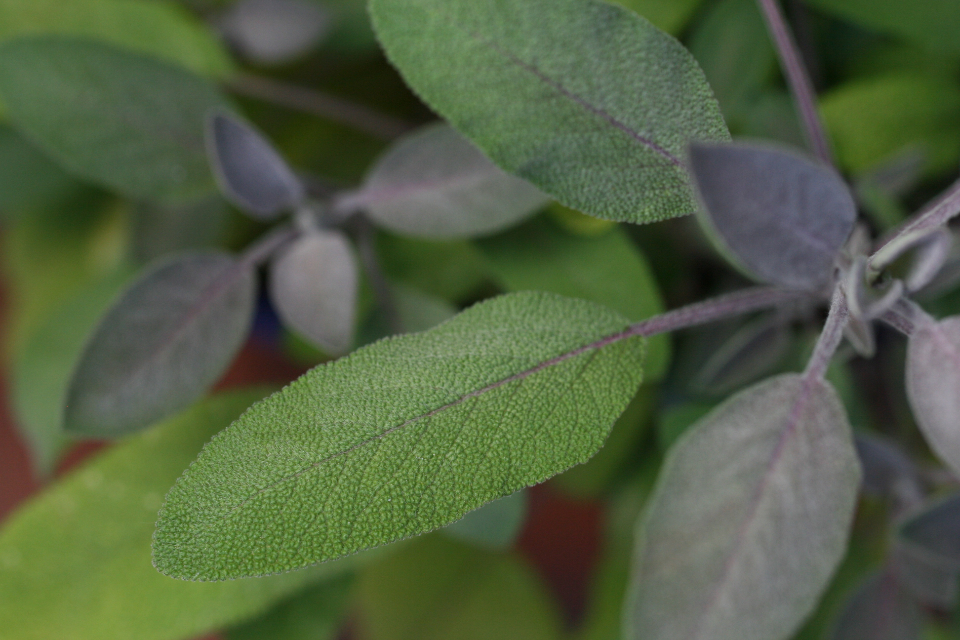
A grocery store sage bunch is sized for a restaurant kitchen going through several orders a week, not for one household roasting one turkey and stuffing one pan of bread. Buying it fresh for Thanksgiving almost always means buying more than the day actually requires, and the leftover half sits in the crisper drawer turning black by the time it might get used again.
The fix is not buying less, since most stores only sell one bunch size regardless of need. It is knowing exactly how much a real Thanksgiving menu uses, and having a storage plan ready for the rest before it ever gets the chance to wilt.
Sage holds up differently than a soft herb like basil or cilantro, and treating it the same way is where most of the waste starts. It wants firmer handling and a colder spot, and it rewards that treatment with a noticeably longer useful life.
- Typical bunch size: about 0.75 to 1 ounce, more than most single dishes need
- Stuffing: usually 1 to 2 tablespoons chopped fresh sage per batch
- Turkey butter or rub: 1 tablespoon chopped, plus a few whole leaves for garnish
- Best short-term storage: loosely wrapped in a slightly damp paper towel, refrigerated
- Best long-term storage: frozen in butter or oil, in an ice cube tray
- Shelf life, properly stored: up to 2 weeks refrigerated, several months frozen
How much sage a Thanksgiving menu actually needs
Across the dishes that typically call for it, a full Thanksgiving spread rarely needs more than three or four tablespoons of chopped fresh sage total. Stuffing usually calls for one to two tablespoons, a turkey rub or compound butter another tablespoon, and a scattering of whole leaves for garnish accounts for the rest.
That total works out to roughly ten to fifteen medium leaves, which is well under half of a standard store-bought bunch. The gap between what is bought and what gets used is exactly why a storage plan matters more for sage than for an herb bought in the exact quantity a recipe calls for.
A menu that also includes a sage-based cocktail garnish or a sausage and sage stuffing variation pushes the total closer to half a bunch, which still leaves a meaningful amount unused. Even the more generous end of typical Thanksgiving sage use rarely clears an entire standard bunch on its own.
Why bunches are sized for restaurants, not for one bird
Herb bunches are packaged to a standard weight that makes sense for wholesale and restaurant purchasing, where a kitchen might go through several bunches in a single week of service. A home cook buying the same package for one holiday meal is working from a completely different scale of use, but the store rarely offers a smaller option.
Buying two small bunches instead of one large one does not solve this, since most stores price small bunches at close to the same cost as larger ones. The more reliable fix is simply planning ahead of time for what happens to the unused portion, rather than hoping it gets used up by coincidence.
Farmers markets sometimes sell sage by the smaller handful rather than the standard packaged bunch, which is worth seeking out specifically for a holiday menu that only needs a few tablespoons. It rarely costs meaningfully less, but it does remove the leftover problem at the source rather than requiring a storage plan afterward.
How to store fresh sage three ways
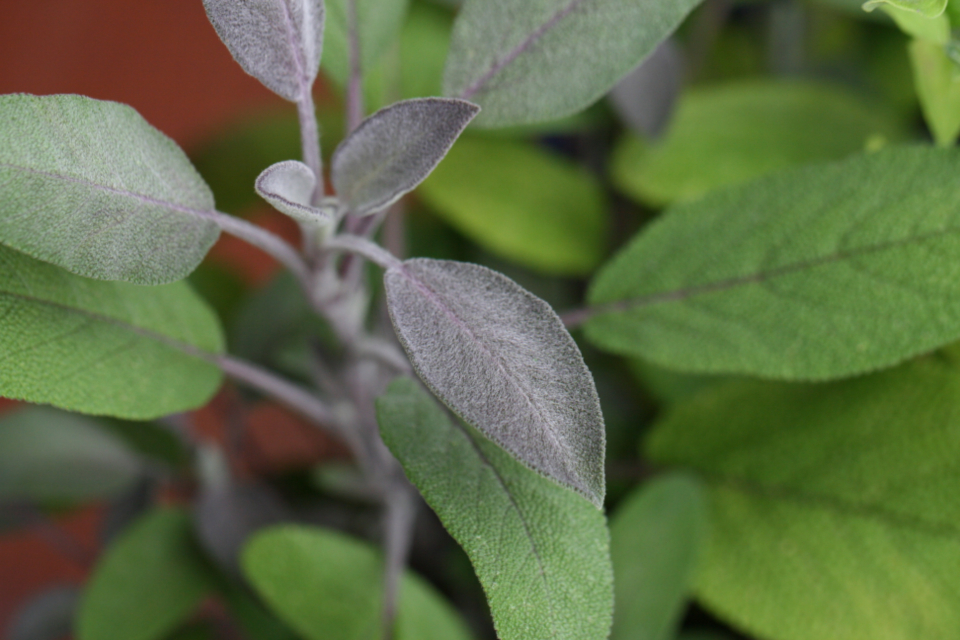
Refrigerated in a damp paper towel works well for sage that will be used within the next week or two. Wrap the stems loosely in a paper towel dampened and wrung out so it is moist but not dripping, then place the bundle in a partially open plastic bag in the crisper drawer.
Standing upright in a small jar of water, like a bouquet, works for a few days but is less reliable for sage than it is for softer herbs, since sage’s woodier stems do not draw up water as efficiently. This method suits sage that will be used within three or four days and looked at daily.
Frozen, either whole in a sealed bag or chopped into butter or oil, is the method for anything that will not be used within two weeks. Frozen sage loses its ability to work as a whole-leaf garnish but retains most of its flavor for cooked applications like stuffing or a pan sauce.
The storage that keeps it from blackening
Sage leaves blacken from a combination of excess moisture sitting directly against the leaf surface and prolonged contact with plastic that traps humidity without allowing any airflow. The damp paper towel method avoids this specifically because the towel absorbs excess moisture rather than letting it pool against the leaves the way a fully sealed wet bag does.
Leaving the storage bag partially open, rather than sealed tight, also matters more than it seems like it should. A small amount of airflow prevents the buildup of condensation that speeds up blackening, while still keeping enough humidity in the bag to prevent the leaves from drying out and going brittle instead.
Freezing sage in butter, and why that one holds up
Chopped sage mixed into softened butter and frozen in an ice cube tray keeps its flavor for several months, noticeably longer than sage frozen on its own, since the fat in the butter protects the herb’s aromatic oils from the freezer-burn effect that plain frozen herbs are prone to.
Once frozen, the herb butter cubes pop out of the tray and transfer to a freezer bag for long-term storage, ready to drop straight into a hot pan for a quick sauce or under the skin of a roasting turkey without any thawing step required first. This is the single most useful format for sage that will not be used fresh within the next couple of weeks.
Olive oil works as a dairy-free alternative to butter for the same method, frozen the same way in an ice cube tray and useful anywhere a recipe starts with sage sautéed in oil rather than butter. Labeling the tray or the storage bag with the freeze date is worth doing, since a cube of frozen herb butter looks identical to a cube of plain butter once it is out of context in the freezer months later.
Drying sage, and when it’s the better call
Air-drying sage, either hung in small bundles or laid flat on a rack in a warm, dry spot, takes one to two weeks but produces a shelf-stable pantry herb that lasts up to a year without refrigeration or freezer space. This is worth doing with any sage that clearly will not be used fresh in the next month, particularly if freezer space is already tight around the holiday.
Dried sage carries a more concentrated, slightly different flavor than fresh, generally used at about a third of the amount a recipe calls for in fresh leaves. It is the right call for a pantry stock built up over a season rather than for the specific tablespoon a stuffing recipe needs this week.
What each of the three dishes actually uses it for
Stuffing relies on sage’s slightly resinous, savory depth to balance the bread’s starchiness and the richness of butter or sausage typically mixed in, and it is added early enough in cooking that dried sage substitutes reasonably well here. A turkey rub or compound butter benefits more from fresh sage’s brighter aroma, since it is often applied close to serving and the difference between fresh and dried is more noticeable in a less-cooked application.
Whole fresh leaves as a garnish, whether crisped briefly in butter or simply laid across a serving platter, are the one use where only fresh sage will do, since dried sage has no whole-leaf form left to work with.
Buying extra without wasting it
Buying one bunch and immediately splitting it at home into a portion for immediate use and a portion earmarked for the freezer, rather than deciding later once it has already started to wilt, is the single change that prevents most sage waste around the holiday. Doing this the same day it comes home from the store, while the leaves are still fully fresh, gives the frozen portion the best possible starting quality.
For a household that cooks with sage regularly beyond just the holiday, keeping a small herb butter stock in the freezer year-round means the next recipe that calls for it needs no extra shopping trip at all.
Substitutes when the bunch runs out
Dried sage, used at roughly a third the fresh amount, is the closest substitute and works in any cooked application like stuffing or a pan sauce. Fresh rosemary or thyme can stand in for a similar earthy, savory note in a pinch, though neither matches sage’s particular flavor exactly, and both are typically used in smaller amounts since they carry a stronger presence per leaf.
Poultry seasoning blends, which usually already contain dried sage along with thyme, marjoram, and black pepper, can substitute directly for a recipe’s sage measurement in a stuffing or rub, since the blend was built around sage’s flavor as the anchor note to begin with.
Signs sage has gone bad
Leaves that have turned uniformly dark or black, feel slimy rather than simply soft, or carry a sour or ammonia-like smell rather than sage’s usual resinous aroma should be discarded rather than used. A few individual blackened leaves within an otherwise healthy bunch can simply be picked out and discarded, with the rest still fine to use.
Slightly wilted but still green and intact leaves are still usable, particularly in a cooked dish where texture matters less than in a garnish. Reviving slightly wilted sage in ice water for ten minutes before use can restore some crispness for a garnish application specifically.
Frequently Asked Questions
Can I substitute ground sage for fresh in a stuffing recipe?
Yes, using about a third of the fresh amount called for. Add it earlier in the cooking process than you would fresh sage, since dried herbs generally need more time in heat to release their full flavor.
Does sage freeze well without butter or oil?
It freezes acceptably on its own, either whole in a sealed bag or chopped in a small container, but the texture turns limp on thawing and the flavor fades faster than sage frozen in fat. It works for cooked dishes but not as a garnish once thawed.
How long does a bunch actually last in the fridge with no special storage?
Left in its original store packaging with no adjustment, sage typically starts blackening within three to five days. The damp paper towel method roughly triples that window with almost no extra effort.
Is it safe to use sage that has a few brown spots?
Isolated brown or slightly discolored spots on otherwise healthy leaves are generally just cosmetic and safe to use once the affected part is trimmed away. Widespread blackening, sliminess, or an off smell are the signs that mean the whole bunch should be discarded instead.
Can I grow a small sage plant instead of buying bunches every year?
Sage is a hardy perennial in many climates and, once established, provides fresh leaves on demand without the bunch-size waste problem entirely. A single potted plant on a sunny windowsill or patio easily covers a household’s holiday cooking needs from year to year.
Does sage lose potency the longer it sits in the freezer?
Slowly, yes, though frozen in butter or oil it holds most of its flavor for a good three to four months before any noticeable fade. Plain frozen leaves without a fat coating fade somewhat faster, usually within one to two months, which is the main reason the butter method is worth the extra few minutes of effort.
Split the bunch the day it comes home, freeze what will not be used this week, and the leftover-herb problem that shows up every Thanksgiving stops repeating itself.