
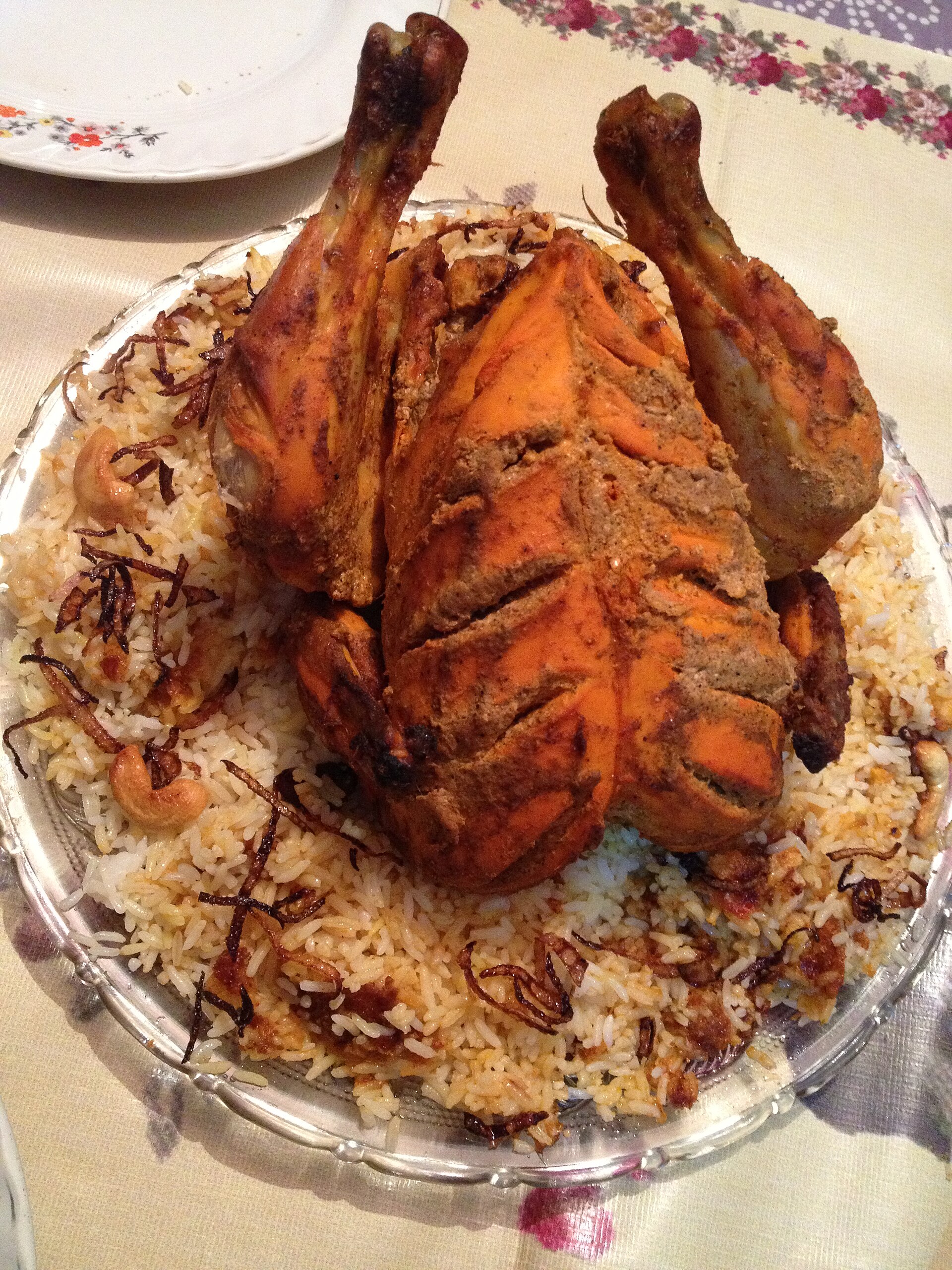
The turkey at the butcher counter comes in whole numbers, twelve pounds or sixteen or twenty, and the guest list rarely lines up neatly with any of them. Buy too small and there is a scramble for a backup dish at four in the afternoon. Buy too large and a third of it goes into the freezer wrapped in foil nobody labeled.
The math is simpler than it looks once it is separated from the anxiety around it. Pounds per person changes with bird size, whether leftovers matter, and whether the bird is bone-in or already broken down, and once those three variables are pinned down the rest is arithmetic.
The same logic scales the sides and the pie, which is where most of the actual over-buying happens on Thanksgiving, not the turkey itself.
- Minimum, no leftovers: 1 pound of bone-in turkey per person
- With leftovers: 1.5 pounds of bone-in turkey per person
- Small bird adjustment: add 0.25 pound per person under 12 pounds total
- Boneless breast or roast: 0.5 to 0.75 pound per person
- Thawing time: 24 hours per 4 to 5 pounds in the refrigerator
- Most over-bought dish: stuffing, followed closely by rolls
How much turkey per person, for four group sizes
How much turkey per person comes down to two numbers depending on whether leftovers matter: 1 pound of bone-in bird per guest covers the meal itself, and 1.5 pounds per guest leaves enough for sandwiches the next day. The table below applies both.
| Guests | Turkey, no leftovers | Turkey, with leftovers | Suggested bird size |
|---|---|---|---|
| 6 | 6 pounds | 9 pounds | 10 to 12 pounds |
| 10 | 10 pounds | 15 pounds | 15 to 16 pounds |
| 16 | 16 pounds | 24 pounds | 22 to 24 pounds, or two smaller birds |
| 24 | 24 pounds | 36 pounds | two birds of 18 pounds each |
Past about 20 pounds, two smaller birds cook more evenly and faster than one very large one, and they fit in a standard oven side by side more easily than a single oversized bird fits at all. The two-bird plan also solves the oven-space problem before it starts.
These figures assume a table where turkey is the only protein and nobody is skipping it for a vegetarian main. A table that also serves a ham or a second roast can trim the turkey figure by a fifth or so, since guests split their plate between two proteins rather than loading up on one.
Why a small bird needs more per pound than a large one
A young, small turkey has a higher proportion of bone and frame relative to its total weight than a large one does, since the skeleton does not shrink at the same rate the meat grows. That means a 10-pound bird yields noticeably less edible meat per pound than an 18-pound bird does.
This is the reason the standard 1-pound-per-person rule undercounts for smaller gatherings and slightly overcounts for larger ones. A group of six buying a 6-pound bird by the letter of the rule usually ends up short, while a group of twenty buying exactly 20 pounds usually has a bit to spare.
Adding a quarter pound per person for any bird under 12 pounds total corrects for this without needing a bone-percentage chart. It is a small adjustment that closes most of the gap.
Bone-in versus boneless, and what changes
A boneless turkey breast or a rolled turkey roast has no frame to account for, so the per-person math drops to roughly 0.5 to 0.75 pound per guest, since almost all of that weight is meat that ends up on a plate. This is the more predictable option for a smaller gathering that does not want a whole bird.
The tradeoff is flavor and presentation. A whole roasted bird carries dark meat, crisp skin, and a carcass that becomes stock afterward, none of which a boneless breast delivers on its own. For a table of six that wants variety without leftovers, a bone-in breast rather than a full boneless roast splits the difference reasonably well.
Whichever cut is chosen, the finished bird needs to reach an internal temperature of 165 degrees at the thickest part of the breast and the innermost part of the thigh before it is safe to serve, checked with a food thermometer rather than by color or by how long it has been in the oven.
A boneless roast also carries a real safety advantage for anyone nervous about undercooking: its uniform shape heats through evenly, so a thermometer reading in the center is a reliable stand-in for the whole piece. A whole bird’s uneven shape means the thigh and the breast can be several degrees apart at the same moment, which is exactly why both spots need to be checked separately rather than just one.
Sides, by the cup, for the same four groups
| Guests | Mashed potatoes | Stuffing | Green vegetable | Gravy |
|---|---|---|---|---|
| 6 | 3 cups | 3 cups | 3 cups | 2 cups |
| 10 | 5 cups | 5 cups | 5 cups | 3.5 cups |
| 16 | 8 cups | 7 cups | 8 cups | 5 cups |
| 24 | 12 cups | 10 cups | 12 cups | 7 cups |
Stuffing scales down slightly relative to guest count as the group gets larger, since a table with more dishes on it eats less of any single one. Mashed potatoes and gravy scale up almost exactly with headcount, since they are the two most universally taken sides regardless of what else is on the table.
Pie and dessert servings per guest
A standard 9-inch pie cuts into 8 slices, which covers roughly six to eight guests depending on appetite and how many pies are on the table. For a table of ten or more with two or three pie varieties, one pie per six to eight guests across the varieties combined is a reliable planning number.
| Guests | 9-inch pies needed |
|---|---|
| 6 | 1 |
| 10 | 1.5, round up to 2 |
| 16 | 2 to 3 |
| 24 | 3 to 4 |
Rounding up rather than down on pie is the one place over-buying pays off, since pie keeps for days and rarely goes to waste the way an extra pound of turkey does.
The two dishes everyone over-buys
Stuffing is the most consistently over-bought dish on the table, since planners tend to size it against the turkey rather than against how much of it people actually eat, which is usually a modest half-cup serving even among people who say it is their favorite. Cutting the stuffing estimate by about 20 percent from a naive per-person guess avoids most of the leftover surplus.
Dinner rolls run a close second. A dozen rolls for six guests sounds reasonable and then a third of them go stale in the bread basket, because rolls compete directly with mashed potatoes and stuffing for the same starch-hungry bite on the plate. One and a half rolls per guest, not two or three, covers it.
Turkey itself is rarely the over-buy once the pounds-per-person math above is followed. It is almost always the side dishes stacked on top of a full turkey plan that push the table into genuine excess.
Thawing timeline that actually fits the math
A frozen turkey thaws safely in the refrigerator at a rate of about 24 hours for every 4 to 5 pounds, which means a 16-pound bird needs roughly four full days in the fridge before it goes in the oven. Counting backward from the day it is cooked is the only reliable way to plan this, since guessing at “a few days” routinely comes up short for anything over 12 pounds.
| Bird weight | Refrigerator thaw time |
|---|---|
| 10 to 12 pounds | 2 to 3 days |
| 16 pounds | 4 days |
| 20 pounds | 4 to 5 days |
| 24 pounds | 5 to 6 days |
A turkey should never be thawed on the counter at room temperature, since the outer layers reach a temperature range where bacteria multiply quickly long before the center has thawed at all. A cold-water thaw, submerged in its original wrapping with the water changed every 30 minutes, works faster than the fridge at roughly 30 minutes per pound, but it needs constant attention and should go straight into the oven once thawed rather than sitting.
What to do with a bird that is bigger than the math says
A bird a size or two above what the guest count calls for is not a problem, just a plan for the extra. Boning out the breast meat that will not be eaten fresh and freezing it raw, wrapped tightly, gives a head start on a future weeknight dinner without wasting the trip to the butcher.
The carcass and any dark meat scraps make stock regardless of bird size, so an oversized bird is never entirely wasted even if the fresh-eating portion runs smaller than the total weight suggests. Planning to portion and freeze immediately after the meal, rather than a few days later once appetite for turkey has faded, keeps more of it actually useful.
Leftover turkey, like any cooked meat, should not sit out longer than two hours before it goes into the refrigerator or the freezer, and that window shrinks to one hour if the room is warmer than 90 degrees. Carving the extra meat off the bone before it cools all the way through speeds up safe storage, since a whole carcass takes far longer to drop to a safe temperature than meat already off the bone and spread in a shallow container.
Buying fresh versus frozen against the clock
A fresh turkey skips the multi-day thaw entirely but is usually only available for pickup a day or two before it is needed, which removes flexibility if travel or schedule changes push the cooking day around. A frozen bird bought weeks ahead trades that flexibility for the thawing math above, which has to be planned around rather than adjusted at the last minute.
For a first-time host managing a lot of moving pieces, a fresh bird removes one source of timing error, since there is no thaw calculation to get wrong. For anyone who books shopping trips well ahead of the holiday, frozen is the more forgiving purchase, since it holds indefinitely in the freezer until the thaw countdown begins.
A shopping checklist for six, ten, sixteen, or twenty-four
- Confirm the final headcount at least five days out, since the thaw countdown depends on it
- Buy the bird sized from the leftovers column if sandwiches the next day matter to anyone at the table
- Round pie count up, not down, using one pie per six to eight guests across varieties
- Cut the naive per-person stuffing and roll estimate by roughly 20 percent
- Confirm oven and refrigerator space can fit the sized bird before it is purchased, not after
- Write the thaw start date on the calendar the same day the bird is bought
Frequently Asked Questions
Is 1 pound per person really enough for a normal appetite?
It is enough for the meal itself with essentially nothing left over, which suits a table that is not planning on sandwiches. Anyone who wants leftovers should plan from the 1.5-pound figure instead, since 1 pound per person leaves the platter nearly bare by the end of dinner.
Should I count children the same as adults in the math?
Most planners count children under about ten at half a portion, which effectively reduces the total pounds needed for a table with several young kids. For a mixed table, adding up half-portions for kids and full portions for everyone else is more accurate than counting every seat the same.
Two turkeys instead of one: does the math change?
The total pounds needed stays the same, split across two birds rather than concentrated in one. Two smaller birds also cook faster in total oven time than one very large bird, since each one is thinner and heats through more evenly.
What if the turkey is still partly frozen on cooking day?
A partially frozen bird takes longer to cook and heats unevenly, with the risk that the outside finishes before the inside reaches a safe temperature. If time allows, finishing the thaw under cold running water is faster than waiting it out in the oven; if not, plan for significantly more oven time and check the thickest part of the thigh with a thermometer before serving.
How much extra should I buy just in case someone shows up unannounced?
Rounding the guest count up by one or two before doing the math absorbs a surprise arrival without meaningfully changing the bird size needed, since the per-person increments are small relative to a whole bird’s weight. It is a safer buffer than guessing at an entirely separate side dish.
Does brining change how much turkey I need to buy?
Not meaningfully. A wet brine adds some retained water weight to the raw bird, but that weight is largely lost again during roasting, so the amount of finished, edible meat per pound of purchased turkey stays close to what the tables above assume. Brine for flavor and moisture, not to stretch a smaller bird further.
Do the pounds-per-person math against the real guest count before the bird size is chosen, not after. The whole-number sizes at the butcher counter rarely match a party exactly, and rounding up from the math is cheaper than running short at five o’clock.